For business leaders and project managers accustomed to orchestrating complex deliverables, hosting a meal that balances multiple components is a familiar challenge. <strong>Build a <strong>Balanced Filipino Feast</strong> for First Time Diners</strong> demands the same meticulous planning and understanding of individual parts that make up a cohesive whole. Drawing on the philosophy of Chef Juan Gadi—whose curated dining at Kilig Filipino Warung in Ubud exemplifies modern Filipino hospitality—this guide turns meal planning into a masterclass in flavor, culture, and warm service. You’ll learn how to select approachable dishes, pair textures, and present a spread that leaves guests feeling both welcomed and impressed.
Build a Balanced Filipino Feast for First Time Diners Key Takeaways
To build a balanced Filipino feast for first time diners , you must harmonize savory, sour, sweet, and creamy notes while keeping heat and intensity approachable.
- A balanced Filipino feast always includes a mix of appetizers, a soothing soup, a rice centerpiece, protein-driven mains, cooked vegetables, and a refreshing dessert.
- Mild gateway dishes like chicken adobo, lumpiang shanghai, and halo-halo allow newcomers to appreciate the cuisine without overwhelming their palate.
- Understanding the interplay of salty, tangy, sugary, and rich flavors helps you sequence courses that keep guests engaged from the first bite to the last.
Why Build a Balanced Filipino Feast for First Time Diners
Filipino cuisine is a deep well of influences—Spanish, Chinese, Malay, and American—layered onto indigenous ingredients and cooking methods. For someone tasting it for the first time, the sheer variety can be as bewildering as it is exciting. A balanced Filipino feast doesn’t mean dulling down traditional tastes; it means curating a progression that respects the diner’s journey. Chef Juan Gadi often compares the dinner table to a project blueprint: every element has a purpose, and the whole succeeds only when no single component overpowers the others. For a related guide, see Why Every Filipino Meal Includes Multiple Flavor Contrasts.
When you build a balanced Filipino feast for first time diners, you create an accessible entry point. You avoid dishes that might shock an unfamiliar palate—like the heavily fermented bagoong or intensely sour sinigang—and instead lead with familiar proteins, gentle aromatics, and a gradual introduction to the sour and sweet contrasts that define the cuisine. The payoff is a guest who not only enjoys the meal but also understands why Filipino food is celebrated for its conviviality and depth. For a related guide, see How to Order a Balanced Filipino Feast.
Understanding Filipino Flavor Profiles: The Foundation of a Balanced Feast
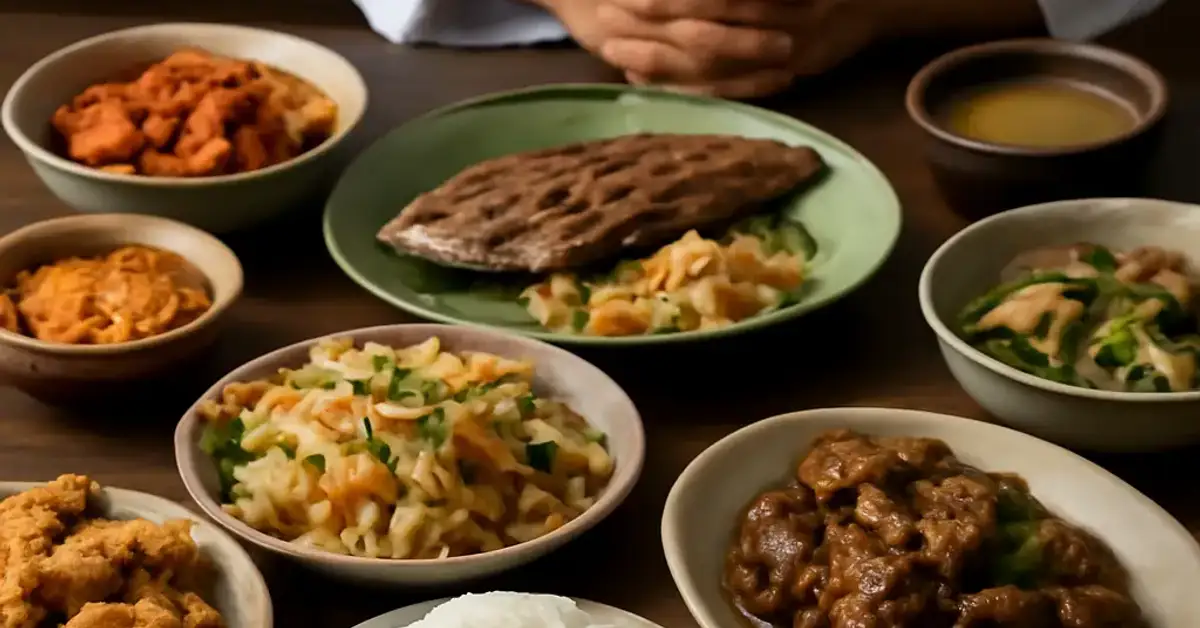
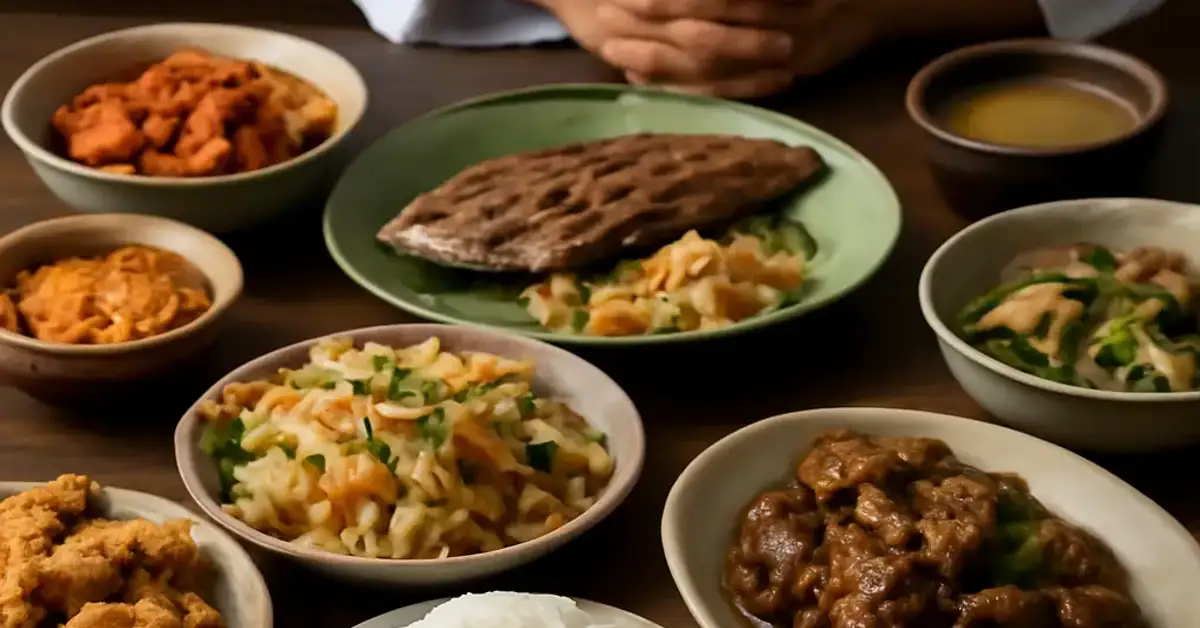
Before assembling any menu, you need to map the four major taste anchors of Filipino cooking: salty (from patis, soy sauce, or bagoong), sour (vinegar, tamarind, calamansi), sweet (coconut milk, sugar, ripe fruit), and creamy-rich (egg yolks, liver, coconut cream). A well-built meal distributes these anchors across courses so the palate never tires. For instance, you might start with a crispy, savory lumpia (spring roll), follow with a mildly sour chicken tinola soup, then land on a sweet-savory chicken adobo main, and finish with the creamy, shaved-ice halo-halo for dessert.
Chef Juan Gadi emphasizes that flavor balance often comes from the condiment tray—sawsawan. A table with small bowls of calamansi, vinegar with garlic, and a touch of chili allows each diner to adjust the intensity. For first-timers, this interactive element transforms tasting into personalization, easing any fear of pre-determined strong flavors.
Selecting Mild Dishes for First-Time Diners
One of the most frequent requests Chef Juan receives is for a menu that isn’t too spicy or funky. The good news is that Filipino comfort food is inherently mild and approachable when you choose the right recipes. The following are ideal entry points:
- Chicken or Pork Adobo: Braised in vinegar, soy sauce, garlic, and peppercorns, adobo is tangy, savory, and slightly sweet. It’s arguably the national dish and a safe bet because the vinegar mellows during cooking.
- Lumpiang Shanghai: Crispy, finely ground pork spring rolls fried golden. They are universally beloved and served with a sweet chili dip.
- Chicken Tinola: A clear ginger-based soup with chicken, green papaya, and malunggay leaves. Its gentle broth offers a soothing start.
- Grilled Liempo: Marinated pork belly grilled and sliced thin. The charred edges give a familiar barbecue note.
- Ensaladang Talong: Smoky grilled eggplant mashed with tomatoes, onion, and a splash of vinegar. It’s a vegetable side that introduces the sour profile subtly.
By building a feast around these tried-and-tested dishes, you ensure that even the most cautious eater finds several favorites.
The Step-by-Step Blueprint to Build a Balanced Filipino Feast for First Time Diners
Now that you understand the flavor map, it’s time to structure the actual meal. Think of this as your project scope document—each course has a specific role, and together they deliver a complete experience.
Appetizers: Spark the Curiosity
Start with shareable, hand-eaten starters. Lumpiang Shanghai and chicharon (pork cracklings) are safe picks. For a lighter introduction, offer kinilaw—raw fish marinated in vinegar and citrus—with a tiny spoonful on crispy wonton chips. Kinilaw introduces the sour, fresh element that is central to Filipino cooking, but in a manageable portion.
Soups: Comfort and Warmth
After the crunch, follow with a clear, restorative soup. Chicken tinola or a mild mushroom and misua soup cleans the palate and prepares it for richer mains. Avoid sour soups like sinigang for first-timers, unless you offer a very small tasting portion later in the meal with an explanation.
Rice: The Non‑negotiable Anchor
Filipino meals are incomplete without steamed rice. It tempers saltiness and carries sauces. For a more festive touch, provide garlic fried rice (sinangag) alongside plain jasmine rice. Chef Juan recommends presenting rice in a large, covered bowl placed at the center—this signals abundance and encourages family-style sharing.
Main Proteins: The Hero Courses
Here you want two proteins: one familiar, one slightly more adventurous. Chicken adobo fills the familiar role, while beef mechado (tomato-braised beef) or kare-kare (oxtail stew in peanut sauce) introduces greater richness. If you include kare-kare, serve the shrimp paste (bagoong) on the side so guests control the saltiness.
Vegetables: Sideline Star
Vegetable dishes often get overlooked, but they are critical to a balanced Filipino feast. Ginisang ampalaya (sautéed bitter melon) might be too bold, so opt for pinakbet with shrimp—mixed vegetables in a mild shrimp paste sauce—or the aforementioned ensaladang talong. Both add colour and a slight contrast without overwhelming.
Desserts: A Sweet, Creamy Finale
Conclude with halo-halo, the iconic shaved ice dessert with leche flan, sweetened beans, coconut strings, and ube ice cream. It’s visually stunning and interactive. Pre-assemble the ingredients in a clear glass so the layers show, then pour evaporated milk at the table. For something simpler, turron de leche (caramelized banana rolls) or an ube cake slice works beautifully.
| Course | Beginner-Friendly Options | Flavor Role |
|---|---|---|
| Appetizer | Lumpiang Shanghai, Chicharon | Crunchy, salty |
| Soup | Chicken Tinola, Mushroom Misua | Gently savory, soothing |
| Rice | Sinangag (garlic fried rice) | Fragrant, soothing starch |
| Main Proteins | Chicken Adobo, Beef Mechado | Savory-tangy, rich |
| Vegetable | Ensaladang Talong, Pinakbet | Smoky-sour, mild umami |
| Dessert | Halo-halo, Turron de Leche | Sweet, creamy, refreshing |
How Savory, Sour, Sweet, and Creamy Flavors Work Together in Filipino Cuisine
Filipino cuisine rarely isolates a single taste; it layers them in a single dish or across a meal. Think of adobo’s salt and vinegar meeting garlic’s savory depth, or kare-kare’s earthy peanut cream lifted by bagoong’s punch. This dynamic is what makes a feast memorable. Chef Juan Gadi advises hosts to test each dish’s flavor intensity before the event and then imagine how they will sequence. For example, a biting sour note in an appetizer should be followed by a rounder, comfort-oriented soup, not another acidic element. For a related guide, see Why Filipino Meals Are Designed Around Variety Instead of One Main Dish.
To illustrate, here’s a practical contrast progression you can follow for a balanced Filipino feast: salty-crispy (lumpia) → gentle-herbal (tinola) → savory-tangy (adobo) → rich-umami (mechado) → smoky-sour (ensalada) → multi-textured sweet (halo-halo). Each segment resets the tongue so the next flavor lands with clarity.
What Drinks Pair Best with a Traditional Filipino Feast
The tropical climate and complex flavors call for drinks that refresh without competing. Calamansi juice (similar to lime) is the classic palate cleanser—slightly sweetened, it balances rich dishes. For a more modern touch, craft a pandan iced tea or a lemongrass-ginger cooler. If alcohol is appropriate, a light Filipino beer like San Miguel Pale Pilsen or a rum‑based cocktail with coconut water and calamansi keeps things crisp.
Chef Juan suggests offering a non-alcoholic welcome drink, such as sago’t gulaman (sweet tapioca and jelly drink), which introduces the playful texture of Filipino refreshments. Place pitchers on the table so guests can serve themselves family‑style, reinforcing the communal spirit.
How Family-Style Dining Enhances the Filipino Food Experience
Filipino hospitality is inseparable from the practice of sharing. When you build a balanced Filipino feast for first time diners, serving food in large platters at the table center is not a logistical choice—it is the soul of the meal. Guests pass plates, spoon rice onto others’ plates, and instinctively ask “Kanin ka na ba?” (Have you eaten?). This ritual lowers barriers, especially for business teams or mixed groups where conversation needs a catalyst.
To make it work smoothly, use small individual plates and instruct your staff or helpers to refill the family platters discreetly. Keep a stack of extra napkins on hand. The shared act of eating from the same pans encourages trust and mirrors the collaborative nature of a well‑run project.
What Regional Dishes Can Be Added to Create a More Authentic Meal
While the core menu above leans on universally loved dishes, you can elevate authenticity by featuring one or two regional specialties that are still mild yet distinctive. Explore these:
- Laing from Bicol: Taro leaves simmered in coconut milk with a faint chili kick. The creamy, slightly spicy profile broadens the meal’s flavor spectrum.
- Chicken Inasal from Bacolod: Grilled chicken marinated in calamansi, lemongrass, and annatto oil. Its vibrant orange hue adds visual drama and a citrusy aroma.
- Pancit Malabon: Thick rice noodles with a shrimp‑infused sauce, topped with hard‑boiled eggs and chicharon. A celebratory noodle dish that signifies long life and fits easily into a feast.
These additions tell a geographic story and give guests something unique to discuss. Chef Juan often includes an inasal alongside the adobo to highlight the diversity of Filipino grilling traditions.
Dining Etiquette First-Time Visitors Should Know Before Sharing a Filipino Feast
Even the most perfectly arranged flavors fall flat if guests feel unsure about how to behave. Fortunately, Filipino dining is forgiving, but a few informal rules smooth the experience:
- Wait for the host’s signal: It’s customary for the host to say “Kainan na!” (Let’s eat!) before everyone digs in.
- Use a spoon and fork, rarely a knife: The spoon is held in the right hand, fork in the left to push food onto the spoon. Knives are generally absent; meats are tender enough to cut with a fork.
- Kamayan (eating with hands) is acceptable for grilled or fried dishes if the host invites it. Wash your hands thoroughly and use only your right hand.
- Don’t leave rice behind: Rice symbolizes the hard work of farmers; finishing it is a sign of respect.
- Compliment the cook via the dish: Saying “Masarap!” (Delicious) after a bite is the ultimate compliment.
Sharing these guidelines with your guests before the meal—perhaps printed on a simple card—eliminates awkwardness and shows your attention to detail.
Creating a Memorable Balanced Filipino Feast: Final Thoughts
When you build a balanced Filipino feast for first time diners, you’re not just plating food; you’re engineering an experience of bayanihan (community spirit) through taste, texture, and ritual. Chef Juan Gadi’s philosophy reminds us that warmth and hospitality are the secret spices. By selecting mild yet iconic dishes, structuring courses with intention, and pairing drinks that refresh, you give your guests a genuine understanding of why Filipino cuisine is beloved. Whether you’re hosting a villa dinner in Bali or a team gathering in your home, let this blueprint guide you to a feast that feels less like a meal and more like a heartfelt welcome.
Useful Resources
Expand your knowledge of Filipino gastronomy with these trusted references. They offer deeper dives into recipes, cultural context, and regional specialties that will enrich any balanced Filipino feast you plan.
Frequently Asked Questions About Build a Balanced Filipino Feast for First Time Diners
What exactly does a balanced Filipino feast mean?
It means a meal that intentionally pairs salty, sour, sweet, and creamy dishes across appetizers, soup, rice, mains, vegetables, and dessert so that no single taste overwhelms and every component supports the overall experience.
Which Filipino dishes are mildest for first-time diners?
Chicken adobo, lumpiang Shanghai, chicken tinola, grilled liempo, and ensaladang talong are all mild, familiar in cooking method, and avoid intense fermented or spicy notes.
Can I still include sour dishes like sinigang?
Yes, but serve it as a small tasting cup after guests have enjoyed mild items, and explain its bright, tamarind-based character so they know what to expect.
How do I balance savory and sweet in the same meal?
Alternate courses: follow a savory main with a slightly sweet vegetable side, and end with halo-halo. Use condiments like spiced vinegar to provide brightness that cuts through richness.
What role does rice play in balancing flavors?
Steamed rice acts as a palate neutralizer, absorbing salty sauces and cooling the tongue between intensely flavored bites. It’s the structural backbone of any balanced Filipino feast.
What is the best drink to serve with a Filipino feast?
Calamansi juice is the top choice; its mild citrus refreshment pairs with everything. A lemongrass-ginger cooler or a light lager like San Miguel also work well, depending on guests’ preferences.
How does family-style dining improve the experience?
It mirrors Filipino culture, encouraging sharing, conversation, and a sense of abundance. Passing dishes builds rapport and makes the meal feel more intimate and generous.
Can I add spicy dishes for adventurous eaters?
Absolutely. Include a small bowl of spicy Bicol express or a side of chili-garlic oil for those who want heat, but keep the main spread mild so everyone can enjoy.
What regional Filipino dishes are crowd-pleasers?
Bicol’s laing (creamy coconut taro leaves), Bacolod’s chicken inasal (citrusy grilled chicken), and pancit Malabon (shrimp-topped noodles) are excellent additions that introduce distinct regional flavors without overwhelming.
How do I present halo-halo elegantly at a dinner?
Layer the ingredients in a clear glass, top with ube ice cream and leche flan, then pour evaporated milk at the table. Provide long spoons and straws for a festive, interactive dessert moment.
What etiquette should I share with guests beforehand?
Tell them to wait for the host’s “Kainan na!”, use the spoon-and-fork method, finish their rice, and don’t be afraid to eat with hands if invited. A simple printed card at each setting works wonders.
Is it acceptable to serve modern twists on classic dishes?
Yes, Chef Juan Gadi often applies modern techniques—like sous-vide adobo or deconstructed halo-halo—while keeping core flavors intact. This blend of innovation and tradition can delight first-time diners.
How many dishes should a balanced Filipino feast have?
A six-course structure (appetizer, soup, rice, two proteins, vegetable, dessert) is ideal. For larger groups, add one more vegetable and an extra starter for variety.
Can I create a vegetarian balanced Filipino feast ?
Yes, by substituting proteins with tofu, jackfruit, or mushrooms—adobong kangkong (water spinach) and ginataang langka (young jackfruit in coconut milk) are excellent vegetarian-friendly mains.
What is the proper way to use sawsawan (condiments)?
Diners dip or spoon a small amount onto their plate, not directly into shared bowls. Offer a separate spoon for each condiment to keep things hygienic.
How can I make the feast feel more like Chef Juan’s style?
Infuse storytelling into the menu—describe the origin of each dish, use elegant plating on warm bamboo trays, and ensure every guest feels personally welcomed, just as he does at Kilig Filipino Warung.
Is lechon (roast pig) suitable for beginners?
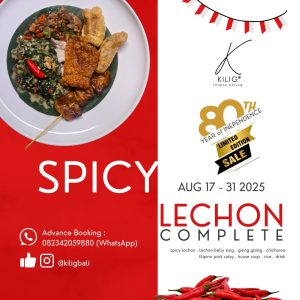
Yes, its crispy skin and tender meat are universally loved. Serve it with a light liver sauce and let guests add sarsa (sweet sauce) to their taste. It’s a showstopper that seldom overwhelms.
What dessert alternatives exist besides halo-halo?
Turron de leche, ube cheesecake, bibingka (rice cake), and mango float are all excellent, less complex desserts that still deliver the sweet-creamy finale expected in a Filipino meal.
How can I accommodate dietary restrictions without breaking balance?
Offer gluten-free soy sauce alternatives, use vegetable broth for soups, and serve at least one completely plant-based main. The diverse nature of Filipino ingredients makes substitutions relatively seamless.
Why is Filipino hospitality so central to the dining experience?
Filipinos treat guests as family; the table becomes a venue for caring and sharing. Chef Juan emphasizes that when you build a balanced feast, you’re not just feeding people—you’re creating a memory of warmth and connection that lingers long after the plates are cleared.
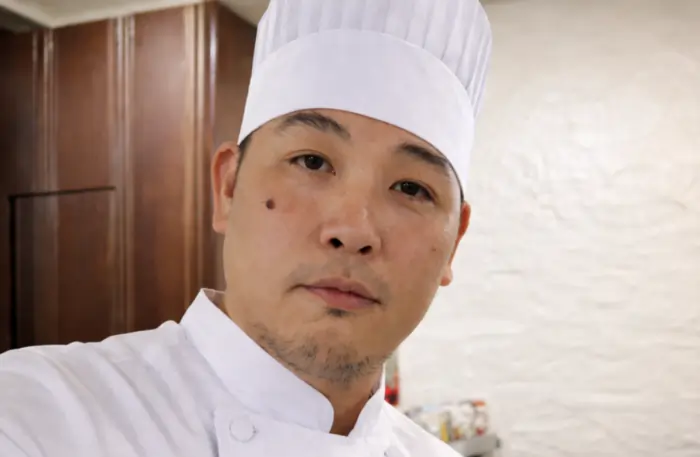
Chef Juan Gadi brings the heart of Filipino hospitality to Ubud, Bali. As an Executive Chef and consultant, he specializes in creating intimate, curated dining experiences that tell a story through every dish. Whether leading the kitchen at Kilig Filipino Warung or hosting a private villa dinner, Chef Juan’s approach is defined by warmth, modern technique, and a commitment to culinary excellence.