Why Filipino Cooking Differs Across the Archipelago Key Takeaways
Filipino cooking is a vibrant mosaic shaped by the archipelago’s geography, climate, and cultural history.
- Why Filipino cooking differs stems from over 7,000 islands, each with its own local ingredients and culinary traditions.
- Regional dishes like adobo and sinigang transform dramatically as you travel across Luzon, Visayas, and Mindanao.
- Filipino food culture is deeply rooted in hospitality and family recipes, making every meal a heritage experience.

Geographical and Cultural Factors That Define Filipino Cooking
The archipelago nature of the Philippines is the first clue to why Filipino cooking differs so much from island to island. With over 7,600 islands, the country is a patchwork of coastal communities, mountain regions, and fertile plains, each blessed with unique resources. The tropical climate provides year-round access to fresh seafood, coconut, native rice, and tropical fruits, but the specific varieties and uses change drastically depending on the locale. For a related guide, see How Filipino Culinary Traditions Adapt Across Different Islands.
In the rugged Cordillera mountains of Luzon, for instance, indigenous ingredients like heirloom rice and wild mushrooms take center stage, while fishing villages in the Visayas celebrate the daily catch with simple, bright marinades. Local markets act as living museums of regional biodiversity—walk through a market in Davao and you’ll find spiky marang and pungent durian; head to Ilocos and bagnet and longganisa dominate the stalls. These differences are not random; they are the direct result of centuries of farming communities and fishing traditions adapting to their immediate environment.
Colonial history further layered the flavors. Spanish, Chinese, and American influences mingled with pre-colonial practices, but each region absorbed them differently. The result is a cuisine that, while unmistakably Filipino, refuses to be pinned down to a single taste profile. Filipino culinary heritage is a story of migration, trade, and resilience, and it’s written in every steaming bowl of sinigang and every sizzling plate of sisig. For a related guide, see How Filipino Cuisine Tells the Story of the Philippines Diverse Regions.
Regional Flavor Profiles and Iconic Dishes Across the Archipelago
To truly grasp why Filipino cooking differs, you must travel through the three major island groups: Luzon, Visayas, and Mindanao. Each region champions a distinct set of flavors, textures, and cooking techniques that reflect its geography and cultural encounters.
Luzon Cuisine: Bold Flavors and Colonial Influences
Luzon cuisine is often what first comes to mind when people think of Filipino food culture. The capital, Manila, serves as a melting pot, but the northern provinces hold tightly to their regional specialties. In Pampanga, known as the culinary capital, lechon is roasted to perfection and sisig was born from resourcefulness. The Bicol region, with its volcanic soil, leans heavily on coconut and chilies, giving the world laing—taro leaves simmered in spicy coconut milk—and the explosively rich Bicol express.
Ilocos, in the northwest, favors the deep, savory notes of fermented fish (bagoong) and vinegar-marinated meats. Their version of adobo is famously dry, using only garlic, vinegar, and salt, while Tagalog regions prefer a saucier, soy-infused adobo. Even sinigang, the beloved sour soup, morphs across Luzon: some provinces use tamarind, others guava or kamias, proving that family recipes and local ingredients dictate the final bowl.
Visayan Cuisine: Fresh Seafood and Sweet-Sour Notes
Crossing the central waters, Visayan cuisine offers a lighter, more refreshing palate heavily reliant on fresh seafood. The coastal communities here are masters of kinilaw, the indigenous ceviche-like dish that bathes raw fish in vinegar, ginger, and chili. Unlike the heavy stews of Luzon, Visayan food often highlights the ocean’s bounty with minimal intervention—grilled blue marlin, scallops on the half shell, and stuffed squid are staples.
Cebu’s lechon is legendary for its herb-stuffed belly and crackling skin, often served without sauce because the meat is already perfectly seasoned. In Iloilo, the noodle soup La Paz Batchoy brings comfort with its pork offal and crushed chicharron, while Negros Island’s chicken inasal marries citrus, lemongrass, and achiote oil for a distinctly sweet-sour-charred finish. Visayan cooking is a celebration of the sea and the sugar cane fields that once fueled the economy, blending into a cuisine that feels both rustic and refined.
Mindanao Cuisine: Spices and Indigenous Ingredients
In the south, Mindanao cuisine stands apart with its bold use of spices like turmeric, ginger, and chili—a legacy of closer ties with Malay and Indonesian traders. This region challenges anyone who claims Filipino cuisine isn’t spicy. Dishes like piarun (a spiced fish soup) and beef rendang showcase complex culinary traditions that have been preserved by indigenous ingredients and Muslim cultural practices. For a related guide, see 9 Ways Filipino Cuisine Connects People Across Cultures – Essential Insights.
Marawi’s yellow rice and palapa (a spicy, sweet coconut relish) demonstrate the interplay of tropical fruits and aromatics, while the coastal city of Davao delights with tuna jaw and kinilaw that rival any in the Visayas. The T’boli and Bagobo tribes continue to practice heirloom cooking methods, roasting meat over open flames and using bamboo tubes as cookware. For the adventurous eater, Mindanao offers a regional Filipino cuisine that is deeply rooted in the land and untouched by heavy Hispanic influence.
| Dish | Luzon Version | Visayan Version | Mindanao Version |
|---|---|---|---|
| Adobo | Dry, salty, vinegar-forward (Ilocos) or soy-saucy (Tagalog) | Often includes coconut milk or turmeric (Bicolano influence) | Spiced with turmeric and chili, sometimes called adobong Muslim |
| Sinigang | Tamarind broth common; guava in Pampanga | Uses batwan fruit for a distinct sourness (Iloilo) | Lemon and ginger accents with freshwater fish |
| Kinilaw | Less common, often with coconut vinegar | Everyday staple with fresh tuna or tanigue | Palapa-infused, with a spicy kick |
The Filipino Food Philosophy: Hospitality and Heirloom Cooking
Beyond the ingredients and regional rivalry lies the heart of Filipino gastronomy: Filipino hospitality. This principle transforms every meal into an invitation. In homes from the busy streets of Quezon City to the quiet shores of Siargao, the phrase “Kain na!” (Let’s eat!) opens the door to a shared experience. Heirloom cooking is not a trend but a way of life, with family recipes passed down through generations with the reverence usually reserved for precious artifacts.
A spoonful of pork adobo might carry the exact proportions of soy and vinegar that a great-grandmother perfected, while a wooden bowl of pinakbet reflects a grandmother’s insistence on fresh vegetables from the backyard. Regional specialties become personal, each household adding a thumbprint to the dish. This communal, memory-laden approach is why authentic Filipino cuisine can never be replicated by a single national recipe book—it lives in the hands of the cook and the stories they tell.
For the traveler and food lover, food travel Philippines isn’t just about eating; it’s about understanding the soul of a place through its provincial food. Sit down at a cultural cuisine table in an upland Ifugao village or a seaside diner in Zamboanga, and you’ll taste the convergence of the tropical climate, the sea, the soil, and centuries of fishing traditions and farming communities. It’s Filipino dining as it was meant to be—generous, exploratory, and profoundly connected to the archipelago it calls home.
Useful Resources
Deepen your understanding of island cuisine and local food heritage with these trusted references.
- TasteAtlas – Filipino Dishes and Regional Guides: A comprehensive interactive map of authentic Filipino ingredients, dishes, and regional variations.
- Asian Recipe – Filipino Cuisine Overview: Offers detailed histories and recipes of traditional Filipino food across the islands.
Frequently Asked Questions About Why Filipino Cooking Differs
Why does Filipino cooking vary so much across the islands?
The archipelago geography, diverse coastal communities, and mountain regions create unique local ingredients and fishing traditions, while colonial and trade influences were absorbed differently, leading to distinct regional specialties.
What is the most famous Filipino dish that changes regionally?
Adobo is the prime example. In Luzon it can be dry and salty, in Visayas it might include coconut milk, and in Mindanao it gets spiced with turmeric and chili, showing why Filipino cooking differs so profoundly.
How does Luzon cuisine compare to Visayan cuisine?
Luzon cuisine leans bold, savory, and sometimes spicy (like Bicolano laing), while Visayan cuisine focuses on sweet-sour notes and pure fresh seafood, with dishes like kinilaw and chicken inasal.
What makes Mindanao food unique?
Mindanao cuisine uses more spices (turmeric, ginger, chili) and indigenous ingredients due to closer Malay influences and Muslim cultural practices, producing heirloom cooking that differs from the rest of the country.
Which region is known for the best lechon?
It’s a friendly rivalry, but Cebu in the Visayas is widely considered the lechon capital, with its herb-stuffed, perfectly roasted pig that often needs no sawsawan (dipping sauce).
Why is coconut so important in Filipino cooking?
Coconut grows abundantly in the tropical climate, especially in Bicol and parts of the Visayas, providing milk, cream, and oil that enrich stews, desserts, and kinilaw. It’s a cornerstone of provincial food.
How do local markets influence regional Filipino cuisine ?
Local markets reflect what’s available in the mountain regions or coastal communities, dictating daily dishes. Cooks build family recipes around whatever seafood, vegetables, or tropical fruits are in season.
What role does Filipino hospitality play in its food culture?
Filipino hospitality turns eating into a communal act, where guests are served the best regional specialties and authentic Filipino cuisine is shared generously, often from treasured heirloom cooking traditions.
Are there vegetarian options in traditional Filipino food?
Yes, though less common, many vegetable-forward dishes exist like pinakbet (mixed vegetables with shrimp paste) and laing, often prepared by farming communities using indigenous ingredients from their gardens.
How does sinigang differ from island to island?
Sinigang uses different souring agents: tamarind in Manila, kamias in Batangas, guava in Pampanga, and batwan fruit in the Visayas, showcasing how local ingredients shape regional Filipino cuisine.
What is kinilaw and where did it originate?
Kinilaw is a raw seafood dish cured in vinegar and citrus, originating from Visayan cuisine and Mindanao cuisine. It reflects the fishing traditions of the archipelago and is a cornerstone of island cuisine.
How do indigenous ingredients shape Mindanao food?
Tribal communities use wild tubers, ferns, and tropical fruits unique to the highlands. Spices like turmeric and recipes like palapa are culinary traditions passed down through generations.
Can you find Chinese influence in Filipino cooking?
Absolutely, pancit noodles, lumpia spring rolls, and siopao buns are part of Filipino food culture, with each region adapting fillings and flavors to local native rice and proteins.
Why is food travel in the Philippines so popular?
Food travel Philippines lets you taste the distinct identities of over 80 provinces. From provincial food to bustling city food, every stop offers a unique chapter of Filipino culinary heritage.
What is a typical Filipino family recipe that varies by province?
Many families guard their own adobo recipe, but also menudo, afritada, and sinigang—each with tweaks in sourness, sweetness, or protein that make the dish a regional specialty.
How does the tropical climate affect Filipino cooking?
The tropical climate allows year-round growth of coconut, tropical fruits, and herbs, encouraging fresh, vibrant dishes and preservation methods like pickling and drying fish to cope with humidity.
What are some lesser-known regional Filipino dishes?
Try Tiyula Itum (black soup) from Mindanao, Langgonisa from Cebu, Binatog from Ilocos, and Linapay from Bicol. These regional specialties highlight the depth of Filipino gastronomy.
Is Filipino cuisine considered healthy?
It can be. Dishes heavy on fresh seafood, vegetables, and sour broths like sinigang are nutrient-dense. However, deep-fried lechon and sugary desserts are also part of the cultural cuisine spectrum.
How do cooking methods differ between coastal and mountain communities?
Coastal communities rely on grilling and quick sour marinades (kinilaw), while mountain regions use slow-roasting over fire and bamboo steaming for root crops and game, preserving heirloom cooking styles.
What is the best way to experience regional Filipino dining?
Visit local markets, join a cooking class, or stay with a host family. Filipino hospitality ensures that you’ll taste authentic Filipino cuisine and learn about family recipes firsthand.
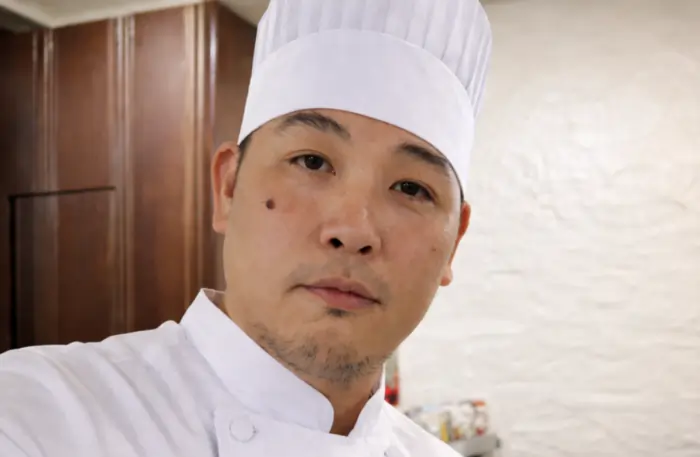
Chef Juan Gadi brings the heart of Filipino hospitality to Ubud, Bali. As an Executive Chef and consultant, he specializes in creating intimate, curated dining experiences that tell a story through every dish. Whether leading the kitchen at Kilig Filipino Warung or hosting a private villa dinner, Chef Juan’s approach is defined by warmth, modern technique, and a commitment to culinary excellence.