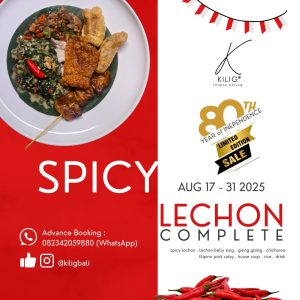

As I prepare a plate of savory adobo in my kitchen at Kilig Filipino Warung in Ubud, Bali, I’m constantly reminded how deeply Regional Dialects Influence Filipino Food Names. The language we use to describe a dish reveals not just its ingredients but the entire story of its origin—a story I love sharing with international travelers and food lovers. From the bustling local markets of Pampanga to the coastal kitchens of Cebu, each Philippine language adds a unique layer to what we call traditional Filipino food. Understanding these linguistic nuances isn’t just for linguists; it’s the passport to fully appreciating the archipelago’s culinary traditions. For a related guide, see 9 Filipino Dining Trends Influencing Bali’s Culinary Scene.
Having grown up surrounded by family recipes spoken in Kapampangan, Tagalog, and a bit of Ilocano from my grandmother, I learned early that food names carry the soul of a place. My mission now is to bring that authentic Filipino gastronomy to every diner who walks into my private dinners, using not just ingredients but also the stories behind each native ingredient. This article will guide you through the fascinating interplay of language and cuisine, showing you exactly how dialects mold the names we give to iconic dishes, how they preserve cultural identity, and why you’ll never look at a menu the same way again. For a related guide, see Why Traditional Filipino Food Still Matters in a Modern World.
Regional Dialects Influence Filipino Food Names Key Takeaways
Whether you’re exploring food travel Philippines or simply cooking at home, grasping how regional dialects influence Filipino food names transforms your experience from tasting to truly understanding.
- Key insight 1: Regional Dialects Influence Filipino Food Names by tailoring dish titles to local ingredients, cooking methods, and stories, making each variant a cultural artifact.
- Key insight 2: Recognizing the difference between Tagalog , Cebuano , Ilocano , Hiligaynon , Kapampangan , Bikol , Waray , Tausug , and Maranao terms helps you navigate menus across 7,000+ islands and appreciate the complete Filipino culinary heritage .
- Key insight 3: Even familiar dishes like adobo , sinigang , and lechon carry wildly different names and nuances from region to region—a delicious proof that language is the secret ingredient of island cuisine .

What Every Food Traveler Should Know About Regional Dialects Influence Filipino Food Names
If you’re an international traveler or a culinary enthusiast diving into Filipino food culture, the first lesson is that no single Filipino language defines the country’s food. While Filipino food names in English-language blogs often default to Tagalog, that’s just the surface. Over 170 Philippine languages actively shape how dishes are ordered, cooked, and remembered. When I advise restaurant owners or hospitality professionals on crafting menus, I remind them that a dish named in Cebuano carries a different emotional weight and aromatic expectation than its Ilocano counterpart. This H2 section, built around the focus keyword, will equip you with the cultural decoder you need to move beyond simply eating and into truly connecting.
The Linguistic Map on Your Plate
Think of the Philippines as a giant pantry where every region stores its own verbal spice rack. Regional Dialects Influence Filipino Food Names by assigning deeply local meanings to even the most universal preparations. For instance, what Manila knows as pancit might become bam-i in Cebuano-speaking Visayas, a subtle shift that reflects not just noodles but the addition of local root crops. Similarly, sinigang’s sour broth gets reinterpreted in Hiligaynon as sinigang nga baboy with farm-fresh native ingredients like batwan fruit instead of tamarind. My authentic Filipino cuisine consulting work often involves explaining these differences to food bloggers so they can accurately describe their experiences. For a related guide, see How Filipino Culinary Traditions Adapt Across Different Islands.
Why One Dish, Many Names?
The answer lies in indigenous languages and their storytelling power. Traditional cooking methods are passed down through generations, and the names stick because they evoke a sense of place. A grilled fish isn’t just inihaw; in Waray it might be sinugba, directly tied to how they prepare it over coconut charcoal. These linguistic ties preserve food heritage in a way that a standard recipe book cannot. When I host cooking class participants, I always start with pronunciation—because saying kinilaw with a proper Cebuano inflection honors the fisherman who originated it.
How Local Dialects Transform the Names of Iconic Filipino Dishes
Let’s explore the concrete examples you’ll encounter across the archipelago. The same way cultural identity is woven into language, the names of our regional Filipino dishes carry the fingerprints of regional specialties. When you travel through Luzon, Visayas, and Mindanao, you’ll hear adobo, sinigang, lechon, kinilaw, and kakanin pronounced and tweaked in ways that reveal the local geography. Understanding this will make you a more respectful cultural traveler and a sharper food historian.
Adobo: The National Dish, Regionally Renamed
Adobo is a perfect case study. In Tagalog-speaking areas, it’s simply adobo, but in the Kapampangan culinary heartland, you’ll find adobung pute (white adobo) with no soy sauce, and in the Bikol region, adobo sa gata swims in coconut milk and chili. In my kitchen at Kilig Filipino Warung, I love explaining that the word itself derives from Spanish adobar, yet every regional cuisine has made it fiercely original. The local food names act as a shorthand for the entire cooking philosophy of that indigenous language group.
Kinilaw, Kakanin, and the Dessert Puzzle
The cephalic dish kinilaw vividly shows how regional dialects influence Filipino food names. While everywhere it means raw fish cured in vinegar, the name morphs: Cebuano says kinilaw, Hiligaynon offers kilawin (sometimes cooked), and in northern regions it might be mistaken for a similar sour preparation. For sweets, kakanin encompasses rice cakes, but a Bikol kalamay differs linguistically and texturally from a Tagalog biko. These distinctions are why my menus at private villa dinners always include a glossary—a small touch of Filipino hospitality for lifestyle readers and authentic cuisine seekers.
| Generic Dish | Tagalog Name | Cebuano Name | Ilocano Name | Key Difference |
|---|---|---|---|---|
| Braised meat stew | adobo | adobo (sometimes with gata) | adobo iti pias | Use of coconut milk in Visayas; Ilocano often adds fermented fish paste |
| Sour soup | sinigang | sinigang / tinolang isda | sinigang nga ikan | Visayan versions may use batwan or native citrus; Ilocano may use pias (lemon) |
| Raw fish salad | kilawin | kinilaw | sukang inartem | Cebuano kinilaw is strictly raw with vinegar; Tagalog kilawin can be lightly cooked |
| Rice cake | biko | budbud or suman | tupig | Names denote shape, wrapper, and cooking method (steamed vs grilled) |
Why Understanding Indigenous Languages Is Key to Authentic Filipino Cuisine
When I mentor chefs and home cooks, I emphasize that you cannot fully master Filipino cooking without respecting the indigenous languages behind the recipes. Cultural identity in the Philippines is often tied to the regional dialects we speak at our local markets. In Marawi, the Tausug and Maranao dialects carry terms like tiyula itum (blackened beef soup) that have no direct translation in Tagalog, because the dish itself is woven into Mindanaoan history. Preserving these local food names preserves food heritage for heritage tourism enthusiasts and students alike.
Family Recipes and Dialect: A Living Archive
Every family recipe I guard was written or memorized in a specific language. My apong baket’s Ilocano dinengdeng (vegetable soup) is a completely different flavor galaxy from my nanay’s Tagalog bulanglang, even though both are vegetable-based. This linguistic specificity is what I call traditional cooking with an accent. For culinary enthusiasts and food bloggers, seeking out the native name is the first step to tasting the dish as it was meant to be tasted—complete with the agricultural rhythm of the island cuisine that birthed it.
The Role of Dialects in Preserving Filipino Culinary Heritage for the Future
As global interest in Philippine cuisine surges, it’s crucial that regional dialects remain the guardians of our culinary traditions. When a food travel Philippines experience introduces a traveler to Sinigang in Manila, the journey isn’t complete until they’ve tried sinigang sa miso in Pampanga or sinigang na lechon in Iloilo, each name a tiny linguistic marker of a distinct Filipino dining practice. This is why I, Chef Juan Gadi, weave these stories into every curated dining experience—because a meal becomes memory when you understand why it’s called what it is.
How Travelers Can Better Understand Regional Food Names
My advice for cultural travelers and Southeast Asia travelers is simple: learn three food words in every dialect you’ll encounter. Before landing in Cebu, memorize Cebuano terms like sutukil (sugba, tula, kilaw) to unlock an entire seafood ritual. In Northern Luzon, a simple naimas (delicious) in Ilocano will open hearts and kitchens. I often prepare workshops for cooking class participants who want to go beyond recipes and truly understand the food heritage they’re replicating; we start with language flash cards. Connecting language to native ingredients and regional specialties turns any meal into a profound act of cultural identity and Filipino hospitality.
Useful Resources
For a deeper dive into the connections between language and local food, I recommend these well-researched sources that every food historian and linguistics enthusiast will appreciate.
- Rappler: How Region and Dialects Shape Filipino Food Names – A comprehensive article exploring linguistic diversity and dishes from across the archipelago.
- Philstar: How Language Shapes Philippine Cuisine – An in-depth look at the cultural underpinnings of what we call our food.
Frequently Asked Questions About Regional Dialects Influence Filipino Food Names
How do regional dialects influence Filipino food names?
Regional dialects influence Filipino food names by embedding local ingredients, historical narratives, and cooking techniques into the name itself, so that even a familiar stew like adobo carries a unique identity in Cebuano, Ilocano, or Kapampangan.
Why do Filipino dishes have different names in different regions?
Because the Philippines has over 170 Philippine languages, each community developed its own lexicon for food, often reflecting the available native ingredients and local palate preferences.
How do local languages preserve traditional Filipino cuisine?
They act as oral archives; family recipes and cooking methods are transmitted in indigenous languages, keeping the food heritage alive even without written records.
What are examples of Filipino foods with regional names?
Examples include kinilaw (raw fish) in Cebuano, which is kilawin in Tagalog; kakanin (rice cakes) vary as biko in Tagalog and tupig in Ilocano; and lechon preparation names differ across islands.
How do Tagalog, Cebuano, Ilocano, and other dialects shape food culture?
Each dialect carries a distinct culinary vocabulary that dictates spicing, cooking methods, and even mealtime rituals, enriching the overall Filipino food culture.
Why do some Filipino dishes vary in name but share similar ingredients?
Often the dish migrated and the local language adopted a new name to reflect the slight tweak in preparation or to connect it to a local story or ingredient, even if the base components remain the same.
How can travelers better understand regional food names in the Philippines?
Travelers should learn a few food-related words in the dominant dialect of the area they’re visiting—like Cebuano for Cebu or Ilocano for Ilocos—and ask vendors what the name means in their language.
What role do dialects play in preserving culinary heritage?
Dialects act as the voice of local food names, ensuring that each generation inherits the exact pronunciation and contextual meaning tied to a dish’s origin, thus protecting culinary traditions.
How do food names reflect local history and cultural identity?
Many names reference historical events, indigenous groups, or colonial influences, such as the Spanish-derived adobo combined with native puti (white), mirroring the cultural identity of a blended society.
Why are regional dialects important to understanding the diversity, traditions, and cultural richness of Filipino cuisine?
Without them, you miss the nuance: a single dish becomes a thousand variations, each name a story of geography and community, collectively forming the tapestry of Filipino gastronomy.
Can you recommend a dialect-specific dish that every food lover should try?
Absolutely—try the Tausug specialty tiyula itum, a blackened beef soup from Mindanao, or Maranao piaparan manok, chicken cooked in coconut and spices, both deeply tied to their languages.
How do Ilocano food names differ from Tagalog ones?
Ilocano names often end in -ak or repeat syllables, and many dishes like pinakbet (vegetable stew) are closely tied to farm life, while Tagalog terms are more widely used but less agriculturally specific.
Is pancit a single dish or many, and does the name change?
Pancit is a category of noodle dishes; its name changes regionally—bam-i in Cebu, pancit habhab in Lucban—and each name signals a distinct noodle type and topping.
What is the most linguistically diverse region for food names?
The Visayas, with Cebuano, Hiligaynon, and Waray overlapping on small islands, creates a fascinating mix where a single port market can feature three names for grilled fish.
How can I respectfully use local food names when ordering?
Make an effort to pronounce the name as locals do and ask for the story behind it; this small act honors the food heritage and often leads to a more authentic meal.
Do restaurant menus in the Philippines always use local dialect names?
Not always; in urban areas they often default to Tagalog, but more and more restaurant owners are incorporating regional specialties and their native names to attract cultural travelers.
What is the relationship between indigenous languages and native ingredients?
Many native ingredients have names only in a specific indigenous language, like the Ilocano saluyot (jute leaves) or Bikol labong (bamboo shoots), weaving biodiversity and language together.
How does Kapampangan dialect elevate its cuisine’s reputation?
The Kapampangan language contains a rich descriptive vocabulary for cooking techniques (like baguk for fermented), which explains why the region is considered the culinary capital of the Philippines.
Are there food names that mean different things in different dialects?
Yes; for example, suman in Tagalog is a steamed rice cake, but in some Visayan areas it refers to a completely different sticky rice preparation with cassava, causing delightful confusion at local markets.
How can I continue learning about Filipino food and dialect connections?
Follow food travel Philippines guides, attend regional cooking class series, and engage with Filipino communities abroad who often preserve dialect-specific home cooking, bringing the linguistic flavor full circle.
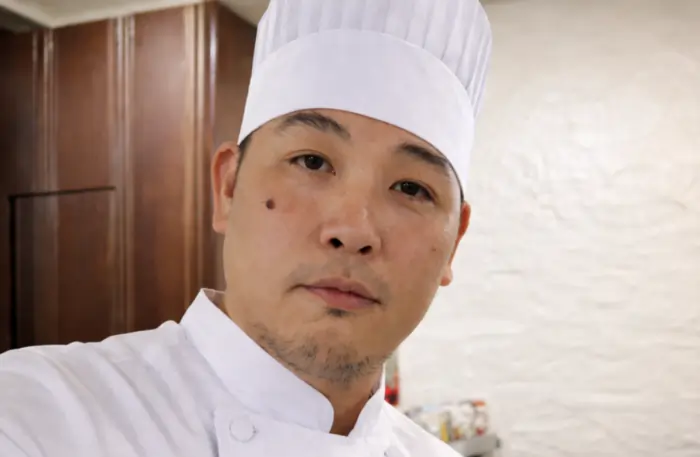
Chef Juan Gadi brings the heart of Filipino hospitality to Ubud, Bali. As an Executive Chef and consultant, he specializes in creating intimate, curated dining experiences that tell a story through every dish. Whether leading the kitchen at Kilig Filipino Warung or hosting a private villa dinner, Chef Juan’s approach is defined by warmth, modern technique, and a commitment to culinary excellence.