Why Filipino Cuisine Is a Living Expression of Cultural Heritage Key Takeaways
Filipino cuisine is far more than a collection of recipes—it’s a dynamic cultural archive that tells the story of the Philippines through taste, tradition, and togetherness.
- Why Filipino Cuisine Is a Living Expression of Cultural Heritage is rooted in the way family recipes and regional specialties pass down history from one generation to the next.
- The bold flavors of adobo , sinigang , and kinilaw are edible chapters that reflect Spanish influence , Chinese influence , and Malay influence woven into the local fabric.
- Communal dining , vibrant fiestas , and the use of native ingredients like coconut and banana leaves keep this heritage alive in everyday life.
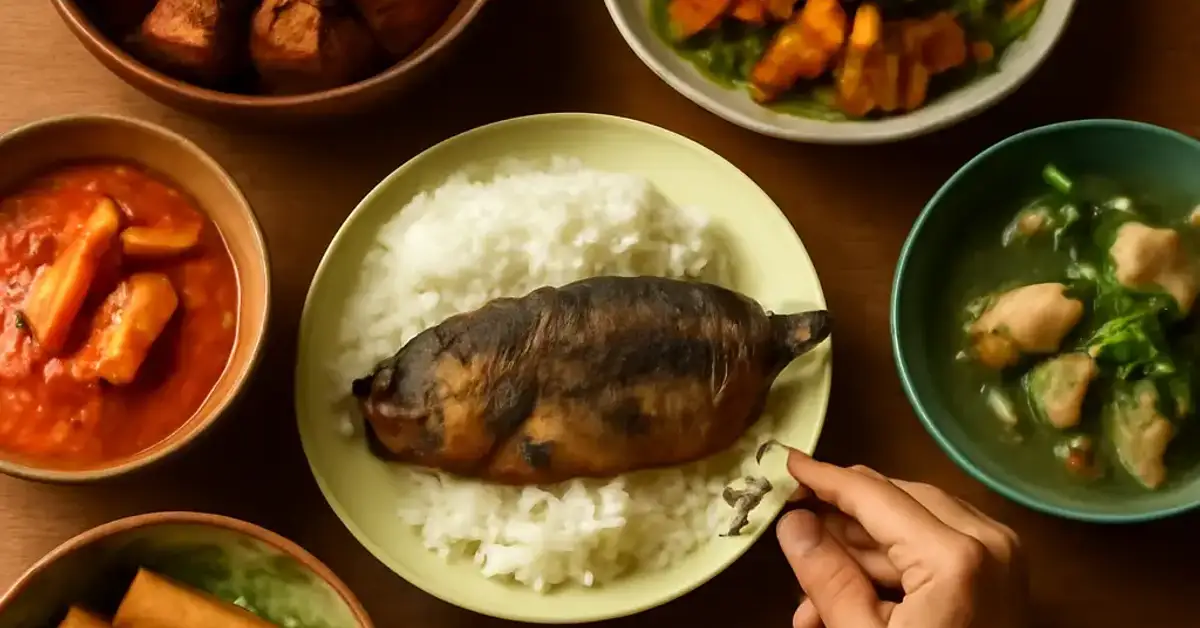
Why Filipino Cuisine Is a Living Expression of Cultural Heritage: A Historical Journey
The first time you lift a spoonful of steaming adobo to your lips, you’re not just tasting soy sauce, vinegar, and garlic; you’re experiencing a culinary heirloom that predates colonization. Filipino cuisine is a palimpsest — each layer of flavor corresponds to a distinct chapter in the archipelago’s story. Indigenous kinilaw, for instance, showcases the indigenous cooking technique of curing fish in vinegar and citrus long before refrigeration existed. This traditional preservation method underscores why Why Filipino Cuisine Is a Living Expression of Cultural Heritage resonates so deeply: it demonstrates how early islanders harnessed nature’s acidity to sustain their communities. For a related guide, see 10 Cultural Lessons Hidden in Traditional Filipino Meals.
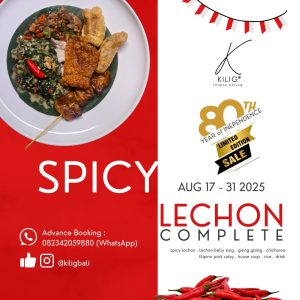
When Malay influence arrived through trade and migration, it brought the foundational use of rice and coconut that now defines countless dishes. Later, Chinese influence introduced noodles and spring rolls, giving birth to beloved staples like pancit and lumpia. The Spanish influence, which lasted over three centuries, cemented slow-cooked stews such as kare-kare and the celebratory centerpiece lechon — a whole roasted pig that remains the star of every grand fiesta. Each culture added ingredients and methods without erasing what came before, creating an extraordinarily layered cuisine that remains unmistakably Filipino. For a related guide, see 9 Ways Filipino Cuisine Connects People Across Cultures – Essential Insights.
Regional Diversity: How Local Specialties Enshrine Filipino Heritage
Travel across the 7,641 islands, and you’ll realize that regional specialties hold the key to understanding local identities. In the north, the Ilocos region champions indigenous cooking with dishes like pinakbet, a vegetable medley seasoned with fermented fish paste. The Bicol region’s legendary love for chili and coconut milk gives birth to Bicol Express, a fiery coconut-based stew. Meanwhile, the Visayas take pride in kinilaw so fresh that the fish seems to leap from the sea onto the banana leaf.
This tapestry would be incomplete without the colorful kakanin — sticky rice cakes wrapped in banana leaves and steamed to chewy perfection. Whether it’s suman, puto, or bibingka, these delicacies are inseparable from local markets and morning rituals. They remind us that culinary traditions are not static relics but living practices nurtured by family recipes handed down through whispered instructions in grandmothers’ kitchens.
| Iconic Dish | Region of Origin | Cultural Marker |
|---|---|---|
| Adobo (stewed meat) | Throughout the Philippines | Pre-colonial preservation technique |
| Sinigang (sour tamarind soup) | Luzon | Reflects abundance of local greens and souring agents |
| Lechon (roasted pig) | Cebu / nationwide | Spanish-inspired feast centerpiece |
| Kinilaw (citrus-cured seafood) | Visayas and Mindanao | Indigenous raw seafood preparation |
| Kare-Kare (oxtail peanut stew) | Pampanga | Colonial-era innovation with local annatto and peanut |
The Heart of Filipino Hospitality: Communal Dining and Fiestas
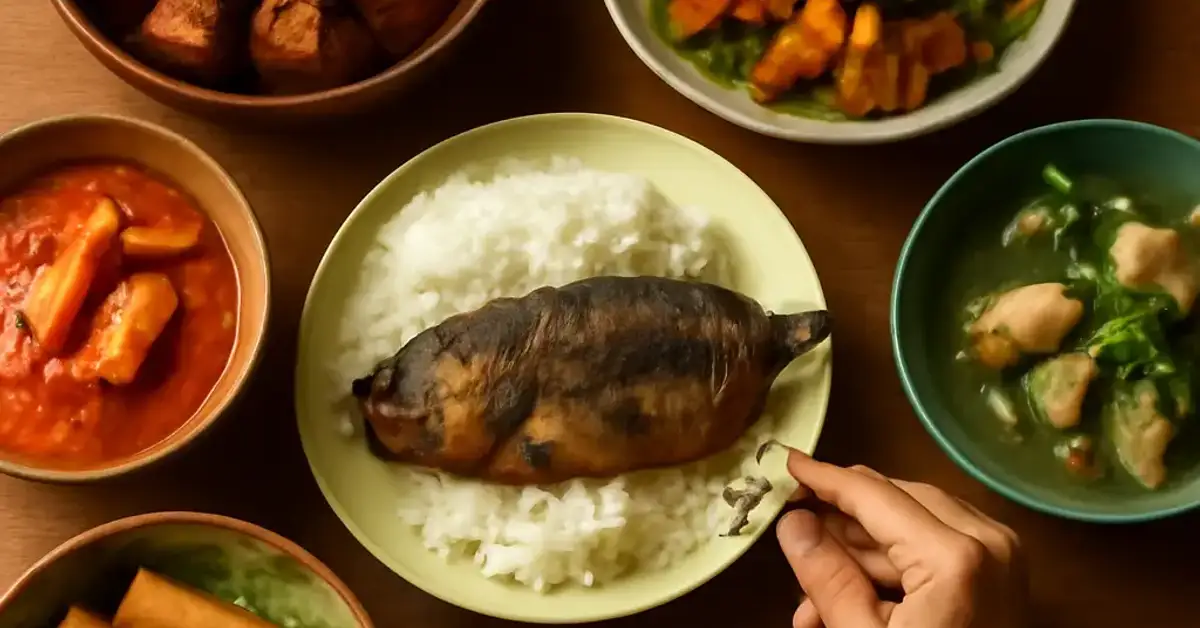
No conversation about Filipino cultural heritage is complete without acknowledging Filipino hospitality. The phrase “Kain na!” (Let’s eat!) is more than an invitation; it’s a declaration of kinship. Communal dining transforms meals into social glue. In every fiesta, tables groan under the weight of lechon, pancit (for long life), and a kaleidoscope of sweets. These gatherings teach younger generations that food is meant to be shared abundantly, often with strangers turned instant friends.
Family recipes are guarded jealously yet gifted generously. A single adobo recipe can vary from household to household, some using coconut milk, others adding turmeric or liver spread. This flexibility is precisely why Filipino cuisine is a living expression of cultural heritage—it adapts, breathes, and carries personal histories that textbooks cannot capture. Even traditional preservation methods like burong isda (fermented rice and fish) persist not out of necessity but out of a deep-seated respect for ancestral ingenuity.
Preserving Heirloom Recipes and Indigenous Ingredients for Tomorrow
As the world rushes toward convenience, a quiet movement of chefs, farmers, and home cooks is safeguarding heirloom recipes and native ingredients. Wild rice varieties like balatinaw and tinawon are being revived in the Cordillera highlands. Heirloom coconut cultivars, essential for the finest kakanin, are championed by slow-food advocates. These efforts prove that Filipino culinary heritage isn’t just about the past—it’s about ensuring future generations can taste the same biodiversity that shaped their ancestors’ lives.
Markets like Quiapo in Manila or the weekend local markets in Baguio and Cebu remain vibrant classrooms where indigenous cooking meets daily life. Bent old women selling wild banana leaves and freshly grated coconut are the unsung custodians of this legacy. Through them, culinary traditions survive the onslaught of fast-food chains and fad diets.
A Traveler’s Guide to Experiencing Authentic Filipino Culinary Traditions
For the culturally curious traveler, the Philippines offers a feast that goes far beyond the plate. Start your journey not in a restaurant, but at a wet market at dawn, where the day’s catch becomes someone’s kinilaw. Join a fiesta in any small town—introduce yourself, and you’ll soon find a plate heaped with lechon and a glass of tuba (coconut wine) in your hand. To truly grasp why Filipino cuisine is a living expression of cultural heritage, stay with a local family; watch how they wrap lumpia with military precision or simmer sinigang with tamarind from their backyard.
Cooking classes in Pampanga, the Culinary Capital, or in Silay City’s heritage houses let you handle native ingredients firsthand. You’ll learn that pancit is never just noodles—it’s a birthday wish for longevity—and that kare-kare demands the patience of a storyteller. This immersive approach transforms tourists into temporary family, and every shared meal becomes a bridge across cultures.
Useful Resources
Dive deeper into the flavors and philosophies behind Filipino food culture with these trusted resources:
- TasteAtlas – Filipino Cuisine — Explore an interactive map of authentic Filipino dishes with origins and ratings.
- Philippines Department of Tourism – Official Travel Site — Find regional food trails, culinary festivals, and immersive food experiences to plan your next trip.
Frequently Asked Questions About Why Filipino Cuisine Is a Living Expression of Cultural Heritage
What makes Filipino cuisine a living expression of cultural heritage?
Filipino cuisine is a living expression of cultural heritage because it constantly evolves while preserving indigenous cooking methods, family recipes, and regional specialties that mirror the nation’s complex history of Malay, Chinese, and Spanish influences.
How does Filipino food reflect the country’s history and traditions?
Dishes like adobo show pre-colonial preservation techniques, pancit reveals Chinese trade links, and lechon demonstrates Spanish-imposed festivities — all woven into the fabric of daily life.
What cultural influences shaped Filipino cuisine ?
Filipino cuisine bears the mark of indigenous Austronesian roots, Malay traders, Chinese merchants, over 300 years of Spanish colonization, and American and Japanese contact — creating a unique fusion found nowhere else.
Why are family recipes and regional dishes important to Filipino heritage?
They carry the oral history of communities; a grandmother’s kare-kare recipe or a province’s special kinilaw variant contains clues about local resources, historical hardships, and festive customs that formal history often overlooks.
How do indigenous ingredients and traditional cooking methods preserve Filipino identity?
Using native ingredients like heirloom rice, wild coconut, and banana leaves in traditional preservation methods like fermentation and pit cooking keeps ecological knowledge and cultural identity alive in a rapidly modernizing world.
What role do festivals and celebrations play in Filipino food culture?
Fiestas are the heartbeat of communal life; they turn food into a communal offering where entire barangays come together to prepare elaborate feasts, reinforcing social bonds and passing culinary skills through generations.
How does Filipino cuisine vary across different regions of the Philippines?
From the sour tamarind-based broths of Luzon to the coconut-creamy dishes of Bicol and the fresh ceviche-like kinilaw of the Visayas, each region’s climate, terrain, and historical trade routes shape its signature flavors.
What traditional dishes best represent Filipino cultural heritage ?
Adobo, sinigang, lechon, kare-kare, and lumpia stand out because they encapsulate the interplay of indigenous, Chinese, and Spanish elements that define the nation’s palate.
How can travelers experience authentic Filipino culinary traditions?
Stay with local families, visit local markets at dawn, participate in fiestas, enroll in cooking classes in culinary hubs like Pampanga, and eat where the locals eat — from carinderias to street-side kakanin vendors.
Why is Filipino cuisine considered an important symbol of the country’s history, community, and cultural identity?
Because every bite tells a story of survival, adaptation, and openness; the way communal dining and Filipino hospitality turn meals into acts of unity makes it a powerful emblem of who Filipinos are.
What is the significance of rice in Filipino cuisine ?
Rice is the soul of every meal; it’s not just a staple but a cultural symbol of prosperity and life, woven into rituals, desserts (kakanin), and even savory dishes like pancit.
How does the use of banana leaves enhance traditional cooking?
Banana leaves impart a subtle grassy aroma, serve as natural biodegradable wrappers for steaming kakanin and grilling fish, and represent a zero-waste indigenous cooking practice that honors nature.
What are the most common traditional preservation methods in Filipino cuisine ?
Vinegar pickling (as in adobo), sun-drying (daing na isda), smoking (tinapa), and fermentation (bagoong, burong isda) are ancient techniques that evolved to combat the tropical climate and still define flavor profiles today.
What is Filipino hospitality like in the context of food?
Filipino hospitality centers on offering the best food to guests, often with a standing invitation to eat again. Turning down an offer of food can be seen as a polite refusal of kinship, underscoring how deeply food is tied to relationships.
How have heirloom recipes survived for generations?
They survive through oral tradition, handwritten notebooks, and the insistence of lolas (grandmothers) who teach grandchildren by feel — a pinch of salt, a splash of vinegar — rather than precise measurements, keeping the recipes alive and adaptive.
What is the difference between Filipino adobo and other versions?
Unlike Spanish or Latin American adobo, Filipino adobo is a dish rather than a marinade; it’s a tangy, salty, often saucy stew of meat braised in vinegar, soy sauce, garlic, and peppercorns, showcasing a uniquely indigenous preservation approach.
Where can I find the best Filipino food in the Philippines?
Each region offers specialties: Pampanga for kare-kare, Cebu for lechon, Bacolod for inasal, and Manila for a melting pot of all; but truly the best food is often at a family home during a fiesta.
Are there vegetarian options in traditional Filipino cuisine ?
Yes, dishes like ginataang langka (jackfruit in coconut milk), laing (taro leaves in coconut), and many kakanin are plant-based, reflecting the Buddhist and indigenous roots that predate heavy meat consumption.
How is Filipino food different from other Southeast Asian cuisines?
It balances sour, salty, and sweet but generally avoids the intense heat of Thai or Indonesian food. The prominent use of vinegar, soy sauce, and slow-braised stews also sets it apart, a direct legacy of long Spanish colonization.
What is the best way to learn Filipino cooking at home?
Start with adobo or sinigang — recipes are forgiving and adaptable. Source authentic native ingredients like cane vinegar and calamansi, and follow Filipino cooks on YouTube who share heirloom recipes with cultural context.
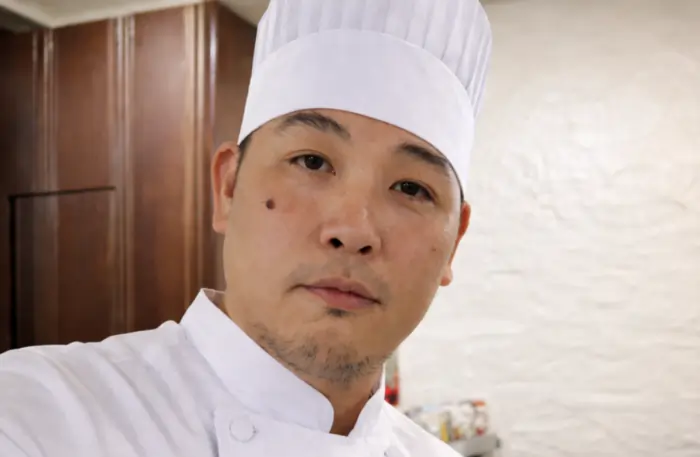
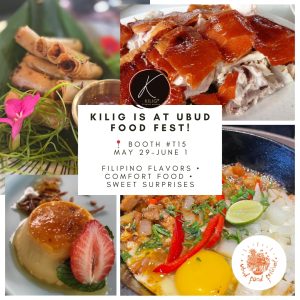
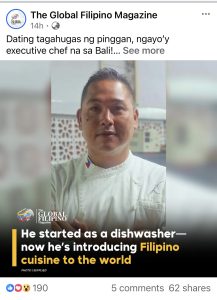
Chef Juan Gadi brings the heart of Filipino hospitality to Ubud, Bali. As an Executive Chef and consultant, he specializes in creating intimate, curated dining experiences that tell a story through every dish. Whether leading the kitchen at Kilig Filipino Warung or hosting a private villa dinner, Chef Juan’s approach is defined by warmth, modern technique, and a commitment to culinary excellence.