Role of Food in Filipino Religious Celebrations Key Takeaways
In the Philippines, no religious celebration is complete without a table laden with heritage dishes .
- The role of food in Filipino religious celebrations transforms church festivals into multisensory experiences that strengthen family bonds and communal identity.
- Traditional recipes like bibingka , puto bumbong , and pancit are not just snacks but sacred offerings tied to Christmas traditions , Holy Week , and Flores de Mayo .
- Shared meals served on banana leaves and thanksgiving feasts during fiesta celebrations reflect core Filipino values of family gatherings , communal meals , and gratitude.
Why the Role of Food in Filipino Religious Celebrations Matters
Filipino life revolves around a calendar of religious observances, and food is the thread that weaves faith into daily existence. Whether you are a culinary traveler seeking authentic flavors or a Filipino community abroad longing for home, understanding this connection deepens your appreciation of the culture. The role of food in Filipino religious celebrations is not accidental—it is a deliberate act of love, remembrance, and worship passed down through generations.
For cultural travelers and food bloggers, these traditions offer a window into the soul of the nation. For chefs and hospitality professionals, they represent a rich source of inspiration for menus and events rooted in heritage tourism.
Christmas Traditions: The Longest Feast of the Year
Filipino Christmas traditions begin as early as September and peak with the nine-day dawn masses known as Simbang Gabi. Outside the church, vendors sell steaming bibingka (rice cake baked in clay pots lined with banana leaves) and puto bumbong (purple sticky rice steamed in bamboo tubes). These traditional recipes are more than breakfast—they are edible symbols of anticipation and devotion.
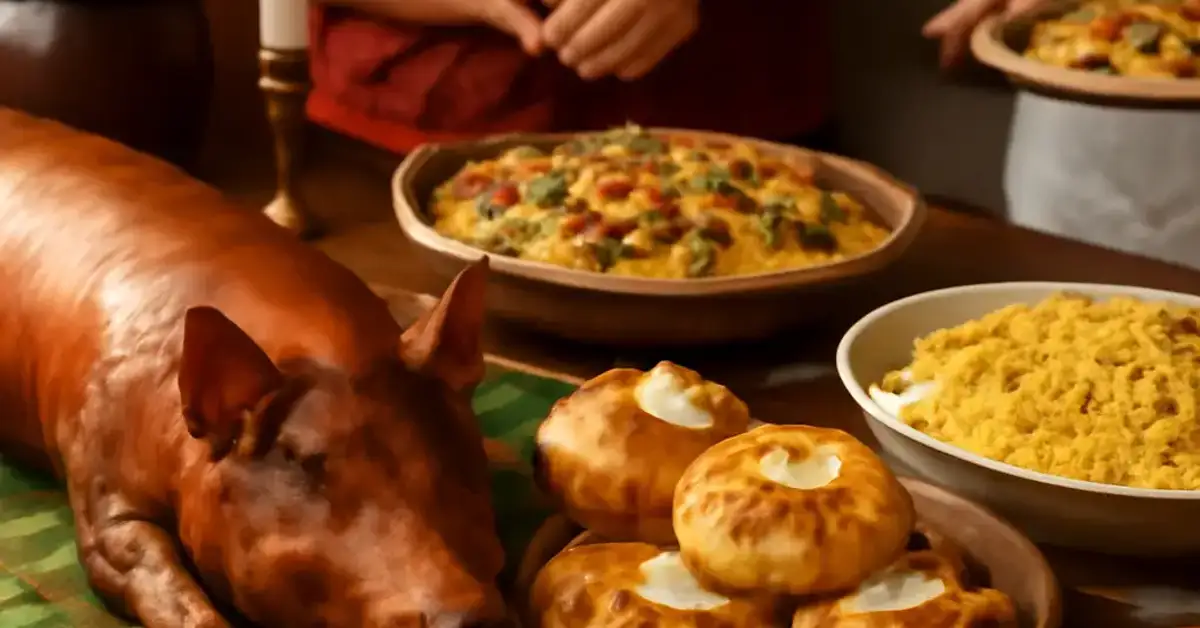
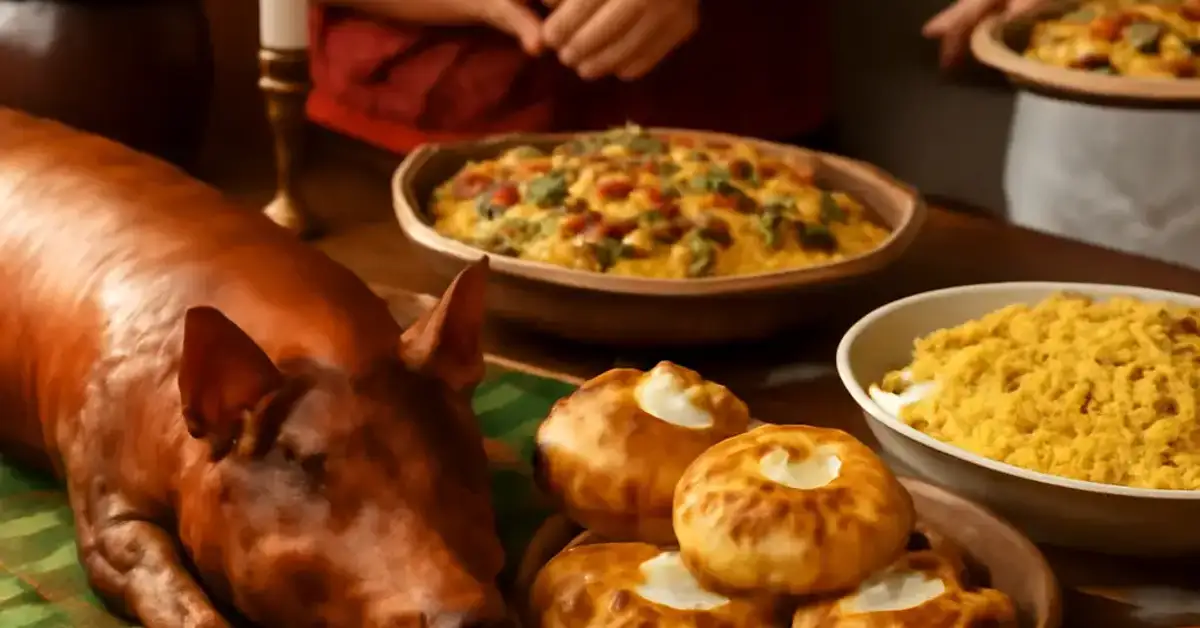
During family gatherings on Christmas Eve, shared meals feature lechon as the centerpiece, alongside pancit for long life and kakanin for sweetness. The role of food in Filipino religious celebrations during Christmas reinforces unity and gratitude.
Bibingka and Puto Bumbong: Dawn Mass Staples
These two beloved kakanin varieties are deeply tied to Simbang Gabi. Bibingka is made from rice flour, coconut milk, and salted egg, while puto bumbong gets its vibrant color from heirloom glutinous rice. Both are traditionally cooked using banana leaves, which impart a subtle earthy aroma.
For food explorers and heritage tourism enthusiasts, sampling these at a parish plaza is a non-negotiable bucket-list experience.
Holy Week and the Simplicity of Communal Meals
Unlike the abundance of Christmas, Holy Week calls for restraint. Many families observe fasting or abstain from meat on Good Friday. Communal meals shift to vegetable-based heritage dishes like lumpiang sariwa (fresh spring rolls) and sinigang (sour soup).
Lechon rarely appears during this period, but pancit and kakanin remain on the table, often shared after church festivals like the Pabasa (chanting of the Passion). The role of food in Filipino religious celebrations here emphasizes humility and reflection, yet still honors Filipino hospitality through simple, heartfelt offerings.
Fiesta Celebrations: The Ultimate Thanksgiving Feasts
Every town and barrio has a patron saint, and its feast day is marked by grand fiesta celebrations. These are the most exuberant expressions of the role of food in Filipino religious celebrations. Tables groan under the weight of lechon, pancit, kakanin, and dozens of regional specialties.
Communal meals are served on banana leaves spread across long tables, inviting neighbors and strangers alike to partake. This open-door policy is a hallmark of Filipino hospitality. For festival visitors and cultural researchers, fiestas offer the most vivid snapshot of how food cements social and spiritual bonds. For a related guide, see 10 Cultural Lessons Hidden in Traditional Filipino Meals.
Lechon: The Crown of Fiesta Celebrations
No fiesta celebration is complete without a whole roasted pig. Lechon is not merely a dish—it is a statement of generosity and joy. Its crispy skin and tender meat are shared among family gatherings and communal meals, often accompanied by pancit and heritage dishes passed down through generations.
Flores de Mayo and Kakanin Offerings
Throughout May, Flores de Mayo honors the Virgin Mary with daily processions and offerings. Children bring flowers, and families prepare kakanin such as sapin-sapin (layered sticky rice cake) and suman (rice cake wrapped in banana leaves). These traditional recipes are shared after the novena, reinforcing the community aspect of religious customs.
Kakanin is particularly significant because its preparation often involves the whole family, from steaming to wrapping. The role of food in Filipino religious celebrations during Flores de Mayo highlights devotion expressed through labor and sharing.
All Saints’ Day: Remembering the Departed with Shared Meals
On November 1 and 2, families flock to cemeteries for All Saints’ Day and All Souls’ Day. Picnics spread on gravesites include pancit, kakanin, and sometimes lechon. This practice of communal meals among the dead is a unique cultural celebration that blends Catholic doctrine with indigenous ancestor veneration.
The role of food in Filipino religious celebrations during this period is twofold: it nourishes the living and honors the departed. Banana leaves serve as biodegradable plates, a nod to sustainability in festive dining. For cultural researchers and history enthusiasts, this tradition reveals how Filipino values of family extend beyond death.
What These Heritage Dishes Reveal About Filipino Values
Across every celebration—from Christmas traditions to Holy Week to fiesta celebrations—the role of food in Filipino religious celebrations consistently teaches three values: Filipino hospitality (welcoming everyone to the table), family gatherings (strengthening bonds through shared meals), and resilience (adapting traditional recipes to local ingredients). For a related guide, see The Importance of Elders in Preserving Filipino Food Traditions: 7 Timeless Lessons.
Regional specialties like bingka in the north or budbud in the Visayas show that while faith is universal, expression is local. For tourism enthusiasts and travel bloggers, documenting these cultural celebrations provides a richer narrative than any menu can offer.
Common Mistakes Visitors Make During Filipino Food Traditions in Religious Festivals
- Assuming fiestas are just parties: Fiesta celebrations are rooted in religious devotion. Visitors should respect the mass and procession before enjoying the thanksgiving feasts.
- Skipping the kakanin: These heritage dishes are the soul of religious customs. Not trying bibingka or puto bumbong during Simbang Gabi is a missed cultural experience.
- Eating alone: Filipino hospitality means sharing. Accepting food from strangers at communal meals is a sign of respect and curiosity.
- Ignoring banana leaves: Festive dining on banana leaves is intentional—it adds flavor and eco-friendliness. Don’t ask for a plate the first time.
Useful Resources
The role of food in Filipino religious celebrations is a vast subject. Dive deeper with these external articles:
- Puto Bumbong and Bibingka: History and Tradition – A deep dive into the origins of these Simbang Gabi staples.
- What to Eat During a Filipino Fiesta – A guide to the regional specialties you will encounter at church festivals.
Frequently Asked Questions About Role of Food in Filipino Religious Celebrations
Frequently Asked Questions About Role of Food in Filipino Religious Celebrations
What is the role of food in Filipino religious celebrations ?
Food serves as a medium for devotion, community bonding, and hospitality, marking every major religious event from Christmas traditions to All Saints’ Day.
Why is lechon so important in fiesta celebrations?
Lechon symbolizes abundance and generosity; its presence at fiesta celebrations signals that the host spares no expense in honoring the patron saint and guests.
What is bibingka and when is it eaten?
Bibingka is a rice cake cooked in clay pots lined with banana leaves, traditionally eaten after Simbang Gabi masses during Advent.
What is puto bumbong?
Puto bumbong is a purple sticky rice cake steamed in bamboo tubes, typically served with grated coconut and butter during Simbang Gabi.
What does pancit symbolize in Filipino celebrations?
Pancit symbolizes long life and is a staple at family gatherings, church festivals, and birthday feasts, often representing good fortune.
Are banana leaves still used in festive dining?
Yes, banana leaves are widely used as eco-friendly plates for communal meals, especially during fiesta celebrations and Flores de Mayo.
How is Holy Week different from Christmas in terms of food?
Holy Week emphasizes simplicity and fasting, with meatless heritage dishes like sinigang, while Christmas traditions feature abundant lechon and kakanin.
What is kakanin?
Kakanin is a general term for traditional Filipino rice cakes, including bibingka, puto bumbong, sapin-sapin, and suman, often served during religious customs.
What foods are served during Flores de Mayo?
Families prepare kakanin like sapin-sapin and suman, along with pancit and heritage dishes, shared after the Marian procession.
Do Filipinos eat lechon during All Saints’ Day?
In some regions, lechon is part of the shared meals at cemeteries on All Saints’ Day, though simpler dishes like pancit and kakanin are more common.
What is Simbang Gabi?
Simbang Gabi is a nine-day series of dawn masses leading up to Christmas, after which vendors sell bibingka and puto bumbong to churchgoers.
Why is Filipino hospitality tied to religious food traditions?
Filipino hospitality is rooted in the value of pakikisama (harmony) and utang na loob (gratitude), which manifests in welcoming everyone to communal meals during church festivals.
What are regional specialties in Filipino religious feasts?
Different regions offer unique regional specialties: bingka in Ilocos, budbud in the Visayas, and tamales in Pampanga, all served during fiesta celebrations.
Can tourists participate in these religious food traditions?
Absolutely. Festival visitors are welcome to attend masses and join communal meals. The role of food in Filipino religious celebrations includes extending Filipino hospitality to strangers.
What is the significance of shared meals in Filipino culture?
Shared meals strengthen family gatherings and community bonds, reflecting Filipino values of unity, gratitude, and generosity during religious customs.
How are traditional recipes preserved for religious celebrations?
Traditional recipes for kakanin and heritage dishes are passed down orally and through hands-on cooking sessions, often led by grandmothers and elders in the community. For a related guide, see Why Traditional Filipino Recipes Are Passed Down Through Families.
What is a typical Fiesta food menu?
A fiesta celebration menu usually includes lechon, pancit, menudo, adobo, kakanin, and a variety of regional specialties served on banana leaves.
Is there a difference between religious celebrations in urban vs. rural areas?
In rural areas, communal meals are more elaborate and involve the entire barangay, while urban celebrations may be smaller but still honor Filipino food traditions in religious festivals.
What drinks are commonly paired with these foods?
Salabat (ginger tea) is popular with kakanin after Simbang Gabi, while tsokolate (Filipino hot chocolate) is served during Christmas traditions and fiesta celebrations.
How can I experience the role of food in Filipino religious celebrations as a foreigner?
Attend a local fiesta celebration, join Simbang Gabi masses, or visit a cemetery during All Saints’ Day. Accept food offerings and engage with locals to fully appreciate the Filipino hospitality.
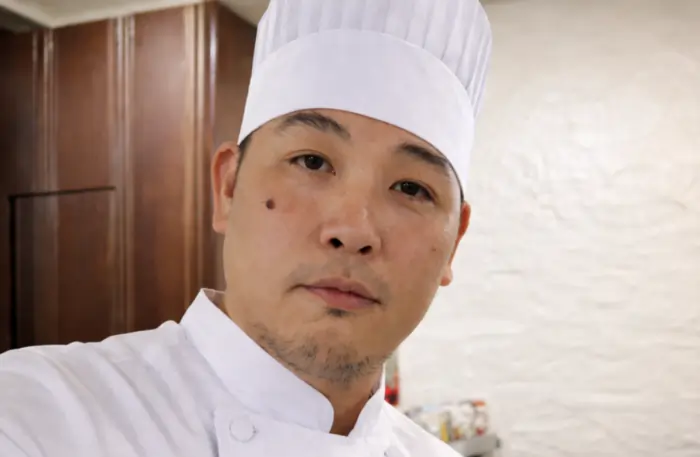
Chef Juan Gadi brings the heart of Filipino hospitality to Ubud, Bali. As an Executive Chef and consultant, he specializes in creating intimate, curated dining experiences that tell a story through every dish. Whether leading the kitchen at Kilig Filipino Warung or hosting a private villa dinner, Chef Juan’s approach is defined by warmth, modern technique, and a commitment to culinary excellence.