Indigenous Preservation Methods Still Influence Filipino Cuisine Key Takeaways
Indigenous preservation methods still influence Filipino cuisine in every corner of the kitchen — from the smoky aroma of tinapa to the pungent depth of bagoong .
- Indigenous preservation methods still influence Filipino cuisine by shaping its most iconic flavors and dishes.
- Traditional techniques like fermentation and sun drying create umami-rich ingredients that define authentic Filipino food .
- These practices are deeply tied to sustainable cooking , food security , and the cultural food practices of indigenous communities across the archipelago.

Why Indigenous Preservation Methods Still Influence Filipino Cuisine: A Chef’s Perspective
I remember the first time I watched a grandmother in a small farmhouse in Quezon Province prepare daing. She didn’t use a thermometer or a timer. She relied on the sun, the salt from local salt beds, and her own ancestral knowledge. That morning, I understood that indigenous preservation methods still influence Filipino cuisine not because they are old-fashioned, but because they are ingenious. In my kitchen at Kilig Filipino Warung in Ubud, Bali, I use those same principles — smoking fish over coconut husks, fermenting vegetables for burong — to create dishes that surprise and delight international travelers. The techniques are ancient, but the flavors are timeless.
Filipino cuisine is a story of resourcefulness. Early Filipino communities preserved food naturally because they had to survive monsoons, long sea voyages, and lean seasons. But what began as necessity became artistry. Today, traditional food preservation is the foundation of heritage food that defines Philippine food culture. Whether you are a home cook or a professional chef, understanding these methods unlocks the soul of traditional Filipino cuisine. For a related guide, see 12 Ways Filipino Food Shares the Story of the Philippines.
The Seven Pillars of Indigenous Filipino Food Preservation
1. Smoking: The Aroma of Gathering
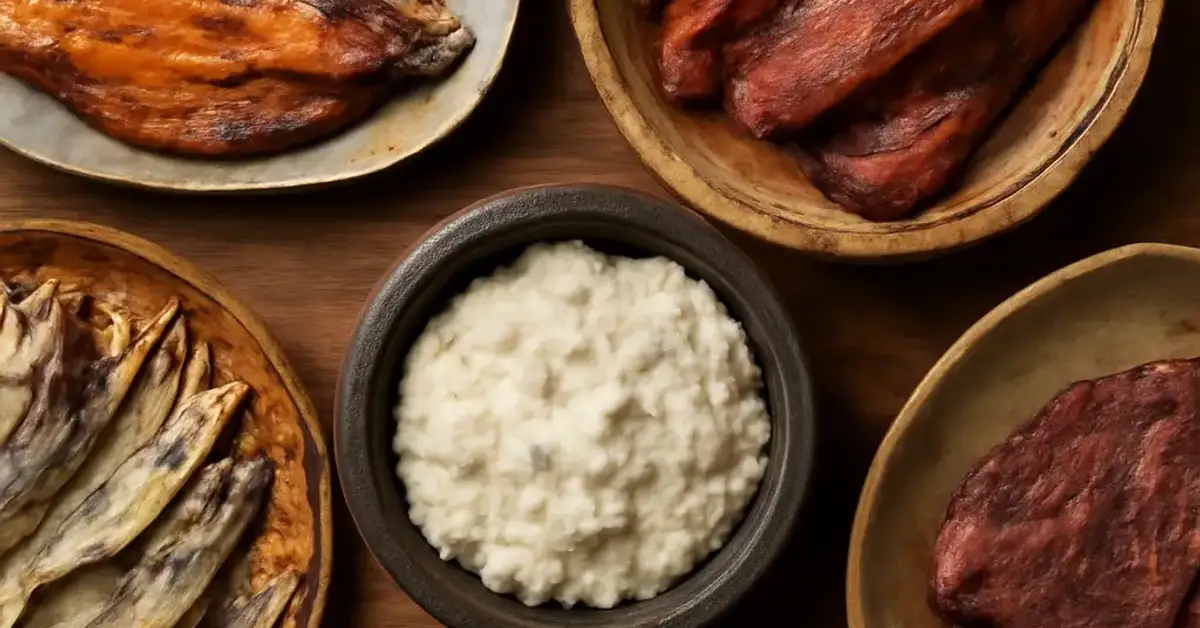
Smoking is one of the oldest indigenous Filipino food preservation methods. Fish like bangus (milkfish) or galunggong (round scad) are cured in salt, then slowly smoked over wood or coconut husks. The result is tinapa, a smoky, flaky fish that is a breakfast staple across the Philippines. The process does more than preserve — it infuses the fish with a complex aroma that stirs memories of morning markets and family tables. In my private villa dinners, I serve a deconstructed tinapa salad that honors this tradition while surprising with modern textures.
2. Drying and Sun Drying: The Power of the Sun
Before refrigeration, the sun was the most reliable dehydrator. Drying and sun drying are native preservation methods that transform fresh fish, meat, and fruits into lightweight, long-lasting staples. Daing — split, salted, and sun-dried fish — is a quintessential example. The intense tropical sun removes moisture, preventing spoilage while concentrating flavor. Sun drying is still practiced by indigenous communities in coastal areas, where rows of gleaming fish dry on bamboo racks under the midday heat. This method embodies sustainable food practices by using zero energy and preserving the catch of the day.
3. Fermentation: Umami from Indigenous Knowledge
Fermentation is perhaps the most transformative of all food preservation techniques. In the Philippines, it takes many forms. Bagoong is fermented fish or shrimp paste, aged for months until it develops a deep, funky umami. Burong is fermented rice and fish, similar to Japanese narezushi. Tapuy is a fermented rice wine from the Cordillera highlands, used in rituals and celebrations alike. These fermented products are the backbone of Filipino cooking, adding complexity to everything from heritage recipes to street food. Fermentation also supports gut health and reduces food waste, making it a model for sustainable cooking today.
4. Salting: The Foundation of Flavor
Salting is a simple but critical indigenous Filipino food preservation technique. Fish, meat, and vegetables are layered with coarse salt, which draws out moisture and inhibits bacterial growth. Salting is the first step in making daing, tinapa, and many types of bagoong. Beyond preservation, salt amplifies natural flavors — a core principle of authentic Filipino food. The salt pans of Pangasinan and other coastal provinces still produce salt using traditional evaporation methods, connecting modern kitchens to centuries-old Philippine traditions.
5. Pickling: Tangy Preservation
Pickling in the Philippines often involves vinegar — a natural preservative made from coconut sap, sugarcane, or palm. Vegetables like green papaya, bamboo shoots, and cucumbers are pickled with salt, sugar, and spices to create atchara, a sweet-sour condiment that cuts through rich dishes. Pickling is a cultural food practice that balances flavors and adds brightness to meals. It is also a clever way to extend the life of seasonal produce, embodying the farm-to-table ethos that indigenous communities have practiced for generations.
6. Burong and Tapuy: Fermented Heritage
Burong is more than a preserved food; it is a culinary ritual. The process involves mixing cooked rice with salt and raw fish, then allowing fermentation to break down proteins and carbohydrates. The result is a tangy, slightly effervescent dish that can be eaten raw or sautéed with garlic and vegetables. Similarly, tapuy is a sacred indigenous cooking method in the Cordillera region. Made from glutinous rice and a starter culture called “bubod,” tapuy is consumed during weddings, harvest festivals, and community gatherings. These heritage recipes are living examples of indigenous knowledge passed down through oral tradition.
7. Contemporary Adaptations: Sustainability Meets Tradition
Today, chefs and home cooks are rediscovering the wisdom of native preservation methods. In my own practice, I use fermentation to create custom bagoong reductions and smoking techniques for Balinese-inspired Filipino dishes. Indigenous preservation methods still influence Filipino cuisine in modern contexts like farm-to-table restaurants, zero-waste kitchens, and heritage tourism experiences. These methods align perfectly with sustainable food practices because they require minimal energy, reduce reliance on imported preservatives, and celebrate local ingredients. They also support food security by allowing families to store nutritious food year-round.
How Traditional Preservation Techniques Shape Filipino Flavors
The question “how do traditional preservation techniques still influence Filipino cuisine” is answered in every dish. The tang of burong in a stir-fry, the saltiness of daing paired with vinegar and garlic, the smoky notes of tinapa in a salad — these are not just flavors; they are stories of adaptation and ingenuity. Traditional recipes rely almost entirely on preserved ingredients: sinigang gets its sourness from tamarind and other preserved fruits; adobo uses vinegar and salt as preserving agents; and many noodle dishes are topped with bagoong for depth. Without these techniques, Filipino cuisine as we know it would not exist.
Filipino cuisine history is intertwined with trade and colonization, but its preservation methods are purely indigenous. Long before Spanish galleons arrived, early Filipinos were smoking, drying, and fermenting food to survive long voyages between islands. This ancestral knowledge has been refined over millennia and remains relevant for chefs like me who seek authentic flavors and sustainable practices.
Why Early Filipino Communities Preserved Food Naturally
Early Filipino communities preserved food naturally because they had no other choice — but also because they understood their environment deeply. The tropical climate is both a blessing and a challenge: abundant harvests followed by heavy rains and typhoons. Food preservation was a matter of survival. Smoking over low heat kept fish edible for weeks; sun drying transformed fruits into chewy snacks; fermentation turned surplus rice and fish into nutritional powerhouses. These traditional food preservation methods were not just about storage — they were about creating food security in a volatile landscape.
This resourcefulness is part of what makes Philippine traditions so compelling. The methods honored the land and sea, using only local ingredients and natural processes. Today, as we face global challenges like climate change and food waste, these ancient practices offer practical solutions. By embracing indigenous preservation methods still influence Filipino cuisine, we can learn to cook more sustainably and mindfully.
Which Traditional Dishes Rely on Preserved Ingredients
Almost every traditional Filipino cuisine dish depends on preserved components. Here are a few iconic examples:
- Sinigang na Hipon — sour soup made with tamarind (preserved as a paste or powder).
- Adobo — braised meat cooked in vinegar, salt, and garlic, a classic example of pickling as preservation.
- Daing na Bangus — sun dried and salted milkfish, often fried and served for breakfast.
- Tinapang Bangus — smoked milkfish, a delicacy from the province of Pangasinan.
- Bagoong Alamang — fermented shrimp paste used as a dip or seasoning.
- Burong Isda — fermented rice and fish, a specialty of Central Luzon.
- Longganisa — sausages preserved with salting and fermentation, varying by region.
These dishes are not only delicious; they are edible archives of Filipino culinary traditions. Each ingredient tells a story of climate, geography, and community.
How Indigenous Techniques Support Sustainability
Modern kitchens generate enormous amounts of food waste, but indigenous preservation methods still influence Filipino cuisine in ways that directly counter this trend. Fermentation allows chefs to transform vegetable peels and fish scraps into bagoong or burong bases. Sun drying and smoking extend the shelf life of fresh catches without electricity. Pickling turns surplus produce into vibrant condiments. These sustainable food practices are circular — nothing is wasted, and everything is valued.
In my restaurant, I apply these lessons daily. I ferment local chilies to create hot sauces, sun dry tomatoes for salads, and smoke fish using coconut husks from Bali’s markets. The result is a menu that honors heritage food while minimizing environmental impact. For travelers and home cooks alike, adopting even one of these native preservation methods can reduce household waste and connect you to the earth.
The Role of Indigenous Communities in Presenting Culinary Traditions
Indigenous communities are the guardians of indigenous knowledge. In mountain provinces like Benguet and Ifugao, elders teach younger generations how to make tapuy and burong. In coastal towns, families pass down recipes for daing and tinapa that have remained unchanged for centuries. These communities understand that heritage recipes are not just food — they are identity. Organizations and tourism initiatives now support these cultural food practices by creating markets for authentic Filipino food made with traditional techniques.
Travelers can support this by seeking out local cuisine that highlights preserved ingredients. Cooking classes, farm tours, and community-hosted dinners offer immersive ways to learn indigenous cooking methods directly from the source. This not only enriches the travel experience but also ensures that Philippine food culture remains vibrant and economically viable.
How Travelers Can Experience Indigenous Preservation
If you want to taste indigenous preservation methods still influence Filipino cuisine on your next trip, here are practical tips:
- Visit local markets — Look for bagoong, tinapa, and daing in palengkes (public markets). Ask vendors about the process — most are happy to share their ancestral knowledge.
- Take a cooking class — Many chefs in Manila, Cebu, and even Ubud (like my class at Kilig) teach classes that focus on traditional food preservation.
- Dine at heritage-focused restaurants — Look for establishments that highlight regional specialties and heritage recipes.
- Join a farm-to-table experience — Visit organic farms in Batangas or Negros that practice sustainable cooking and indigenous methods.
- Attend a festival — Harvest festivals in the Cordilleras and coastal towns often feature tapuy tastings and burong demonstrations.
By engaging with these experiences, you are not just a tourist — you are a participant in preserving Filipino cultural traditions.
Practical Tips for Home Cooks: Using Indigenous Techniques
You don’t need to live in the Philippines to incorporate indigenous preservation methods still influence Filipino cuisine into your cooking. Here are simple starting points:
- Make your own bagoong — Ferment small shrimp or fish with salt for a week in a jar. Use it as a seasoning for stir-fries and stews.
- Try sun drying — On a sunny day, salt fish fillets and leave them on a drying rack for 4–6 hours. Fry or grill for a smoky taste.
- Experiment with smoking — If you have a stovetop smoker or a grill, smoke chicken or fish with coconut husks or wood chips.
- Ferment vegetables — Make a quick burong-style pickle by mixing cooked rice, salt, and chopped vegetables. Let it sit for 2–3 days.
- Use vinegar for pickling — Combine coconut vinegar, sugar, and salt to pickle green papaya or cucumber for atchara.
These methods are forgiving and rewarding. They connect you to generations of Filipino cooks who turned necessity into deliciousness.
Indigenous Preservation as Culinary Heritage and Cultural Identity
Indigenous preservation methods still influence Filipino cuisine because they are woven into the fabric of Philippine culture. They represent resilience, creativity, and respect for nature. For Filipinos in the diaspora, these techniques are a way to reconnect with heritage food and pass on cultural traditions to the next generation. For international food lovers, they offer a window into a cuisine that is both ancient and evolving. For a related guide, see 10 Cultural Lessons Hidden in Traditional Filipino Meals.
As an executive chef, my mission is to bring these stories to the table — whether in Ubud, Bali, or through collaborations around the world. Every dish I serve is a tribute to the grandmothers, fishermen, and farmers who preserved not just food, but knowledge. When you taste the smoked fish at Kilig or the fermented sauces in a villa dinner, you are tasting centuries of Filipino culinary traditions.
The future of Filipino cuisine lies in honoring the past. By embracing indigenous preservation methods still influence Filipino cuisine, we ensure that these traditions continue to inspire, nourish, and unite. So next time you reach for bagoong or smell tinapa on the grill, remember: you are part of a story that began long before refrigeration, and will continue as long as we cook with heart.
Useful Resources
Learn more about Filipino food preservation and indigenous knowledge from these credible sources:
- National Commission for Culture and the Arts (NCCA) — Filipino Heritage and Food
- Food and Agriculture Organization — Indigenous Food Preservation and Food Security
Frequently Asked Questions About Indigenous Preservation Methods Still Influence Filipino Cuisine
What are indigenous food preservation methods in the Philippines?
Indigenous food preservation methods in the Philippines include smoking, drying, sun drying, fermentation, salting, and pickling. These techniques use natural elements like the sun, salt, and vinegar to extend shelf life and enhance flavor.
How do traditional preservation techniques still influence Filipino cuisine ?
Traditional preservation techniques still influence Filipino cuisine by forming the base of iconic dishes like adobo, sinigang, and daing. Ingredients such as bagoong, tinapa, and daing rely on these methods and define the flavor profile of Filipino cooking.
Why did early Filipino communities preserve food naturally?
Early Filipino communities preserved food naturally to survive the tropical climate, monsoons, and lean seasons. These native preservation methods ensured a steady food supply during times of scarcity and during long sea voyages.
What are the most common indigenous preservation methods used today?
The most common methods include smoking for fish, sun drying for fish and fruits, fermentation for bagoong and burong, salting for various proteins, and pickling for vegetables. These are widely used in homes, markets, and restaurants.
How do fermented and dried foods shape Filipino flavors?
Fermented foods like bagoong and burong add deep umami and complexity, while dried and sun dried ingredients like daing concentrate natural flavors. Together, they create the bold, savory, and tangy tastes that define traditional Filipino cuisine.
Which traditional Filipino dishes rely on preserved ingredients?
Dishes such as sinigang (preserved tamarind), adobo (vinegar preservation), daing (sun dried fish), tinapa (smoked fish), and bagoong (fermented paste) all rely on preserved ingredients. These are staples of heritage food in the Philippines.
How do indigenous preservation techniques support sustainability and reduce food waste?
These techniques use zero or minimal energy, extend shelf life naturally, and transform surplus or by-products into valuable ingredients. Fermentation and pickling are especially effective at using vegetable peels, fish scraps, and excess harvests, supporting sustainable food practices.
What role do local communities play in preserving these culinary traditions?
Indigenous communities are the primary custodians of these traditions, passing down ancestral knowledge through elders, home cooking, and community rituals. They keep authentic methods alive by producing bagoong, tapuy, and burong using time-honored techniques.
How can travelers experience authentic Filipino foods made with traditional preservation methods?
Travelers can visit local markets, take cooking classes, dine at heritage-focused restaurants, and join farm-to-table tours. Engaging directly with indigenous communities and food producers offers the most authentic taste of Philippine food culture.
Why are indigenous food preservation practices an important part of Philippine culinary heritage and cultural identity?
These practices reflect Filipino resilience, creativity, and deep connection to nature. They are living traditions that link modern cooks to their ancestors and define what makes Filipino cuisine unique — a cuisine born from necessity and elevated by wisdom.
Is bagoong healthy?
Bagoong is rich in protein, probiotics, and minerals from the fermentation process, but it is high in sodium. Consumed in moderation as a seasoning, it can be part of a balanced diet and supports gut health through natural fermentation.
How long does daing last?
Properly prepared daing (sun dried and salted fish) can last up to several months when stored in a cool, dry place. After opening, it should be refrigerated and consumed within a few weeks.
Can I make tapuy at home?
Yes, but it requires a starter culture called “bubod,” glutinous rice, and careful fermentation for around 5–7 days. While the traditional process is carefully controlled by indigenous communities, home cooks can experiment with simpler rice wine recipes.
What is the difference between burong and bagoong?
Burong is fermented rice and fish, often eaten as a main dish or sautéed. Bagoong is a paste made from fermented fish or shrimp, used as a condiment or seasoning. Both rely on fermentation but differ in texture and use.
Is smoking the same as grilling?
No. Smoking cooks food slowly with indirect heat and wood smoke, while grilling uses direct high heat. Smoking is primarily for preservation and flavor infusion, especially for making tinapa.
What vinegar is used in Filipino pickling?
Coconut vinegar is the most traditional, but sugarcane vinegar and palm vinegar are also common. These natural vinegars are key to pickling vegetables and preserving meats.
How do I store tinapa?
Tinapa should be stored in the refrigerator if consumed within a week, or frozen for long-term storage. The smoking process reduces moisture, giving it a longer shelf life than fresh fish.
Are these methods used in fine dining?
Absolutely. Many Filipino and international chefs now use fermentation, smoking, and pickling to create sophisticated dishes. Chef Juan Gadi, for example, incorporates these indigenous preservation methods into his modern Filipino tasting menus in Bali.
What is the oldest preservation method in the Philippines?
Drying and sun drying are likely the oldest, as they require only sunlight and salt. Archaeological evidence suggests that early Austronesian settlers used these methods long before recorded history.
How can I support indigenous communities through food?
Buy bagoong, tinapa, tapuy, and other preserved products directly from cooperatives and local producers. Choose cooking classes and tours that are run by indigenous communities, and share their stories with others.
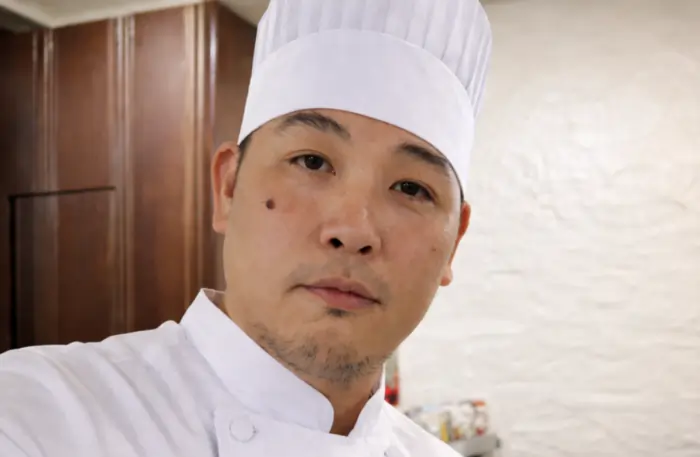
Chef Juan Gadi brings the heart of Filipino hospitality to Ubud, Bali. As an Executive Chef and consultant, he specializes in creating intimate, curated dining experiences that tell a story through every dish. Whether leading the kitchen at Kilig Filipino Warung or hosting a private villa dinner, Chef Juan’s approach is defined by warmth, modern technique, and a commitment to culinary excellence.