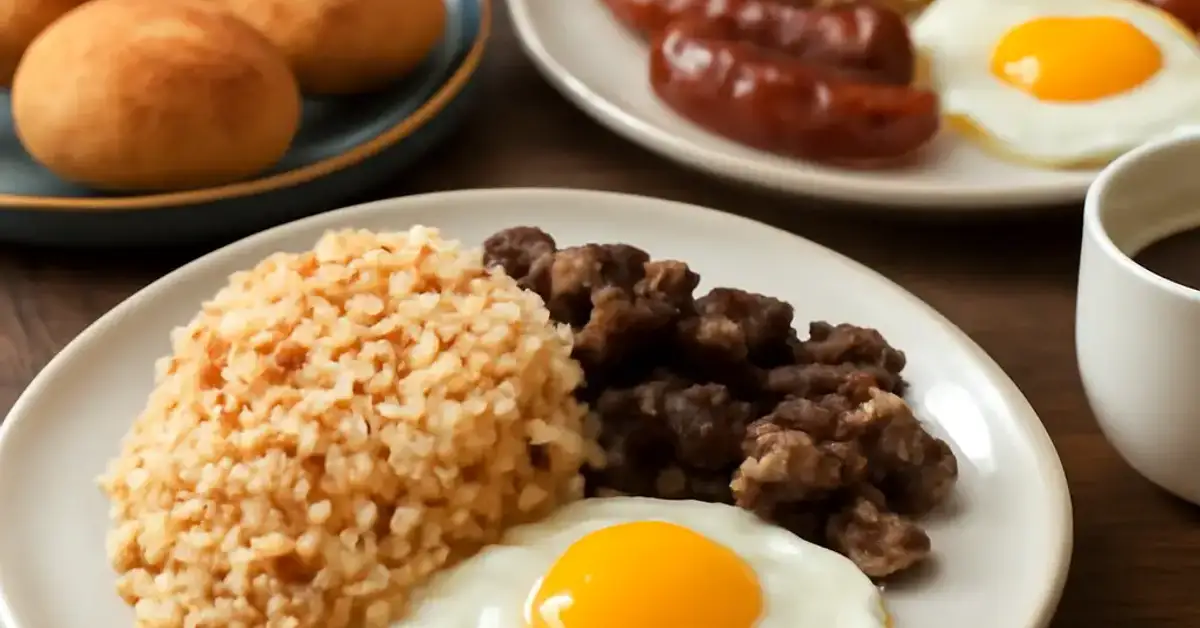
Sunlight sneaks through capiz shell windows as the aroma of frying garlic and sizzling meat drifts from the kitchen. A wooden table already groans under platters of steamed rice, cured fish, and a basket of golden-brown rolls fresh from the corner bakery. This is not a weekend feast—it is just a regular Tuesday morning in a Filipino home. The scene reveals exactly Why Filipino Breakfast Culture Is Unlike Anywhere Else: it transforms the first meal of the day into a soulful, generous act of love and togetherness that bridges generations, regions, and influences.
Why Filipino Breakfast Culture Is Unlike Anywhere Else Key Takeaways
Why Filipino Breakfast Culture Is Unlike Anywhere Else lies in its unique blend of indigenous, Spanish, Chinese, and American influences, its deep-rooted hospitality, and the ritual of turning simple ingredients into deeply comforting meals that fuel the entire day.
- Filipino breakfast culture revolves around a symphony of garlic fried rice, eggs, and a protein—most famously the silog meals —served with bright sides and bold dipping sauces.
- Daily morning rituals include freshly baked pandesal , steaming bowls of champorado or arroz caldo , and the unmistakable punch of kapeng barako .
- Family, region, and a spirit of Filipino hospitality shape every breakfast table, making the morning meal an edible map of the country’s heritage.
The Warmth of Filipino Breakfast Culture: More Than Just a Meal
In many parts of the world, breakfast is transactional—a rushed cup of coffee or a grab-and-go pastry. In the Philippines, however, the morning table is a stage for Filipino traditions that honor community, storytelling, and sheer culinary pride. Even before the sun fully rises, neighborhood panaderías fill the air with the scent of baking dough, while street-side karinderyas (small eateries) display metal trays of fried fish, pork tocino, and garlic rice ready for early risers. For a related guide, see The Ultimate Guide to Filipino Breakfast at Kilig Bali: Silog Culture Explained.
This hospitality is not accidental. It is a living reminder of a culture where “Kain na tayo” (“Let’s eat”) is an open invitation, often extended to neighbors and passersby. The breakfast table becomes the day’s first social hub, comforting and unpretentious. Whether you are family or a stranger, you will be handed a plate. That open-armed welcome is the heartbeat of breakfast culture in the archipelago.
Silog Meals and the Art of the Filipino Breakfast Plate
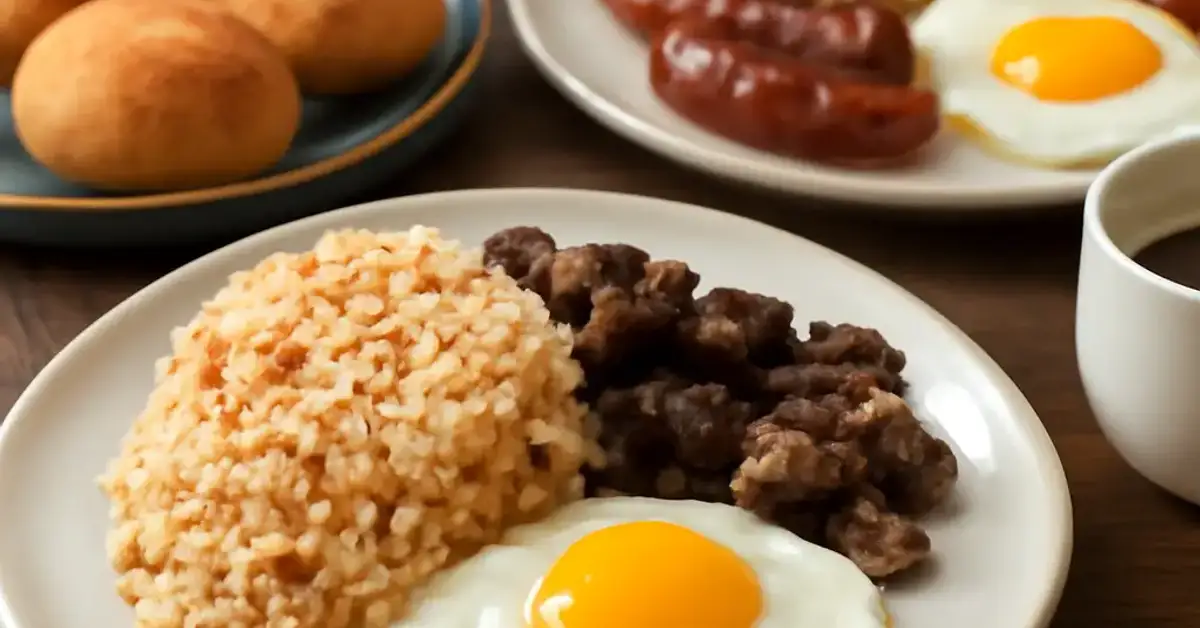
If there is one word that captures the Filipino breakfast soul, it is silog meals. The term itself is a portmanteau: “sinangag” (garlic fried rice) + “itlog” (egg). Around that perfect union, the entire flavor universe is built. Walk into any local eateries—from humble carinderias to all-day breakfast joints in Makati—and you will see an entire silog galaxy on the menu.
| Silog Variation | Starring Protein | What Makes It Special |
|---|---|---|
| Tapsilog | Beef tapa (cured, thinly sliced beef) | The national favorite: salty-sweet, slightly charred meat paired with a runny egg and sinangag. |
| Longsilog | Longganisa (garlicky, sweet or spicy sausage) | Regional pride—Pampanga’s sticky-sweet version differs from Vigan’s tiny, garlic-loaded links. |
| Tocilog | Tocino (bright red, caramelized pork) | A sunrise on a plate; its sugary glaze soaks into the rice, creating a salty-sweet symphony. |
| Bangsilog | Daing na bangus (butterflied, vinegar-marinated milkfish) | The beloved fish breakfast—crisp skin, flaky flesh, and a side of sawsawan (spiced vinegar). |
Why are silog meals so important in Filipino cuisine? They embody resourcefulness and balance. The carbohydrate from rice, protein from the fried egg and meat or fish, and the sharp acidity of achara (pickled papaya) or vinegar dipping sauce create a complete sensory experience. They are also infinitely customizable, reflecting every family’s palate and every island’s regional specialties. A bangsilog eaten near the shores of Dagupan tastes distinctly different from the same dish in General Santos, simply because the fish and the home-cooked meals tradition change the nuance.
Regional Flavors That Shape Filipino Breakfast Traditions
Traveling across the 7,641 islands, morning tables reveal an edible geography lesson. In the north, particularly in the Cordilleras, breakfast might be a bowl of lugaw (rice porridge) topped with a poached egg and strips of smoked meat. Ilocos proudly serves its version with bagnet (crispy pork belly) and a side of chopped tomatoes and fish sauce. In Pampanga, the culinary capital, tocilog is elevated with a sprinkle of chicharron, and pandesal is stuffed with rich kesong puti (carabao milk cheese).
Visayan islands lean heavily into dried fish. Walking the morning markets of Cebu or Iloilo, you will encounter rows of tuyo (salt-cured dried fish) and danggit, both quickly fried and eaten with a mound of rice and a splash of spiced vinegar. In Mindanao, kapeng barako—a strong, liberica coffee—has a loyal following, often paired with native delicacies like biko or suman. These kakanin (sticky rice cakes) bridge breakfast and merienda seamlessly, showing how Filipino breakfast culture refuses to be boxed into a single meal category.
Pandesal, Champorado, and the Bread-and-Porridge Comfort
No exploration of Filipino breakfast is complete without the simplest and most evocative pair: a hot pandesal roll dipped into steaming hot chocolate. The pandesal—a slightly sweet, flour-dusted bread with a crackly crust and pillowy crumb—is the daily bread of the Philippines. Early risers buy them by the dozen in slim brown paper bags, still warm. Splitting one open reveals a steam that calls for butter, coconut jam, or a slice of kesong puti.
On rainy mornings, champorado takes center stage. This thick, chocolate rice porridge made with sticky rice and tablea (pure cacao tablets) is a decadent comfort food that defies logic—why chocolate for breakfast? The answer lies in its history as a filling, affordable meal for farmers. A swirl of evaporated milk and a pinch of salt elevate it, and its genius becomes undeniable when paired with—yes, again—tuyo. The saltiness of the dried fish against the bittersweet chocolate porridge is a flavor clash that only Filipino breakfast culture could invent and cherish.
Similarly, arroz caldo and lugaw bring warmth in soft, spoonable forms. These rice congees, laced with ginger, garlic, and chicken or beef, are topped with a hard-boiled egg, toasted garlic, and a squeeze of calamansi. Eaten in tiny eateries near churches or in family kitchens, they represent the soul of Philippine culinary heritage in a bowl.
How Filipino Hospitality Turns Breakfast into a Family Affair
Ask any Filipino about their most cherished breakfast memory, and they will likely describe a table crowded with relatives, the clatter of spoons on platters, and a grandparent insisting, “Sige pa, anak” (Eat some more, child). Family breakfasts are where stories are shared, where the youngest learn to cook garlic rice, and where respect for elders is practiced through simple gestures like waiting for everyone to be seated.
This hospitality extends beyond bloodlines. In many provinces, a visitor who arrives at dawn is immediately offered coffee and whatever food is available—even if that means the family will eat lighter later. Home-cooked meals at breakfast are a measure of welcome, and no guest leaves on an empty stomach. It is this ingrained spirit that makes Filipino dining traditions so memorable and unique. It also explains why breakfast culture is not just about the food on the plate, but about the hands that prepared it and the company sharing it.
A Culinary Journey: Where to Experience Authentic Filipino Breakfast Culture
For the traveler, experiencing Filipino breakfast culture authentically doesn’t require a fancy restaurant. Start in a public morning market like Baguio’s Session Road stalls or Davao’s Bangkerohan, where you can sip kapeng barako while watching vendors arrange colorful kakanin. Head to a local eateries like the famous Rodic’s Diner in Quezon City for their legendary tapsilog, or any roadside karinderya where handwritten signs list the day’s silog offerings. In Bacolod, look for a breakfast spot serving daing na bangus with freshly squeezed tamarind broth.
What breakfast foods should first-time visitors try? Start with tapsilog for the classic trio, pandesal with kesong puti, and a small bowl of champorado. Don’t miss arroz caldo dripping with lime and garlic. And always order a cup of Filipino coffee or the thick, rich hot chocolate made from local cacao. The combination tells a hundred-year-old story of trade, adaptation, and love.
Useful Resources
Dive deeper into Filipino culinary traditions with these trusted resources:
Eater: The Essential Filipino Breakfast Guide — A richly reported exploration of how Filipino breakfast became the country’s best meal.
TasteAtlas: Traditional Filipino Breakfast Dishes — An encyclopedia of regional morning foods with maps, ratings, and ingredient breakdowns.
Frequently Asked Questions About Why Filipino Breakfast Culture Is Unlike Anywhere Else
What makes Filipino breakfast culture unique?
Its heavy reliance on garlic fried rice and a protein-egg pairing (silog meals), the seamless fusion of sweet and savory, and the deep-rooted tradition of sharing food as an expression of hospitality set Filipino breakfast apart from any other morning meal tradition in the world.
Why is Filipino breakfast culture unlike anywhere else?
Because it transforms the first meal of the day into a full sensory ritual that blends indigenous, Spanish, Chinese, and American influences into a distinctly Filipino identity—where pandesal meets dried fish and chocolate porridge, and every plate is a story of family and place. For a related guide, see 9 Ways Filipino Cuisine Connects People Across Cultures – Essential Insights.
What are the most popular traditional Filipino breakfast dishes?
The most beloved dishes include tapsilog, longsilog, tocilog, and bangsilog; freshly baked pandesal; chocolate rice porridge (champorado); rice congee (lugaw and arroz caldo); and fried fish like daing na bangus or tuyo. These form the core of the authentic Filipino food morning experience.
Why are silog meals so important in Filipino cuisine?
Silog meals capture the Filipino principle of balance and abundance: garlic rice, a fried egg, and a savory meat or fish create a complete, affordable, and customizable plate that reflects regional pride and family recipes. They are the everyday yet celebratory face of Filipino food culture.
How do regional breakfast traditions differ across the Philippines?
From the longganisa festivals of Pampanga to the dried-fish mornings of Cebu and the bold kapeng barako culture of Batangas, each region stamps its local ingredients and cooking techniques onto the breakfast table. Regional specialties like Vigan longganisa, Cebu dried danggit, and Bicol’s spicy versions show immense diversity.
What role does rice play in a traditional Filipino breakfast?
Rice is the unshakable foundation. Whether as garlic fried rice (sinangag), sticky rice in kakanin, or plain steamed white rice that soaks up sauces and egg yolk, it delivers the carbohydrate energy and neutral canvas that balances the bold, salty, and sour flavors of the accompanying dishes.
What are pandesal and how are they enjoyed?
Pandesal is a slightly sweet, crusty-on-the-outside, soft-on-the-inside bread roll considered the Filipino breakfast staple. It is typically dipped in hot chocolate or coffee, spread with butter, coconut jam, or filled with kesong puti (white cheese), and bought fresh from neighborhood bakeries every morning.
What is champorado and why is it a breakfast staple?
Champorado is a thick porridge made from glutinous rice and pure cacao tablets, often served with a swirl of milk and a salty side of tuyo (dried fish). Its comforting sweetness and historic role as an affordable, filling meal for farmers make it a beloved stormy-weather breakfast across the Philippines.
What is arroz caldo and when is it eaten?
Arroz caldo is a ginger-infused chicken rice porridge, garnished with hard-boiled egg, toasted garlic, green onions, and a squeeze of calamansi. It is a go-to breakfast on rainy mornings, a popular street-side meal, and a quintessential comfort food that echoes the Chinese congee adapted for the Filipino palate.
What is daing na bangus and how is it prepared?
Daing na bangus is butterflied milkfish marinated in vinegar, garlic, and pepper, then pan-fried until the skin is crispy and the flesh remains tender. It is a classic breakfast protein served with garlic rice, egg, and a spiced vinegar dipping sauce, especially popular in coastal and Visayan regions.
What is tuyo and why is it a beloved breakfast item?
Tuyo is salt-cured, sun-dried fish (often herring or small anchovy) that is fried until crisp. Its intense umami, salty punch, and long shelf life made it a practical protein for rural households. It is famously paired with champorado or garlic rice and a tomato-onion-vinegar salsa, creating an iconic salty-sweet breakfast.
What is kesong puti and how is it used in breakfast?
Kesong puti is a soft, fresh white cheese made from carabao milk, with a milky, slightly tangy flavor. It is traditionally served with warm pandesal and a cup of kapeng barako, allowing the cheese to melt slightly into the bread, creating a simple, iconic morning bite.
What drinks are typical at a Filipino breakfast?
The breakfast table is anchored by strong Filipino coffee (especially kapeng barako), thick hot chocolate made from tablea, or unsweetened tsokolate. Many also drink warm water or ginger tea. These drinks complement the savory food and are often enjoyed before or after the solid meal.
What is kapeng barako and where is it from?
Kapeng barako is a bold, liberica coffee variety primarily grown in Batangas province. Its strong, woody, almost anise-like flavor makes it a definitive element of southern Tagalog breakfasts, often served black or with a touch of muscovado sugar alongside pandesal or native delicacies.
What are native delicacies (kakanin) for breakfast?
Native delicacies or kakanin are sticky rice-based treats like suman (steamed rice cakes in banana leaves), biko (sweet rice cake), puto (steamed rice muffins), and kutsinta. While often seen as merienda, they also appear at breakfast, especially in rural areas, paired with ripe mangoes and hot chocolate.
How do Filipino family traditions influence breakfast habits?
Family breakfasts are a ritual where multiple generations gather, stories are exchanged, and the value of “eating together” is taught from childhood. Recipes for tapa, longganisa, or champorado are passed down, making the morning meal a repository of family identity and a daily practice of Filipino hospitality.
Where can travelers experience authentic Filipino breakfast culture ?
Authentic experiences await in neighborhood karinderyas, public morning markets like Quiapo in Manila, local diners specializing in silog, and home-stays in provinces where cooks prepare home-cooked meals with fresh market ingredients. Food-centric tours in Pampanga or Cebu often include a traditional breakfast immersion.
What breakfast foods should first-time visitors try in the Philippines?
First-timers should not miss tapsilog, a basket of warm pandesal with kesong puti, a bowl of champorado on a rainy morning, and a plate of fried daing na bangus with garlic rice. Pair it all with kapeng barako or thick hot chocolate to taste the full range of Filipino cuisine.
Why is Filipino breakfast considered an important part of the country’s culinary heritage?
It preserves centuries of trade routes and colonization in edible form—soy sauce from China, chocolate from Mexico via the galleon trade, bread baking from Spain, and coffee from local plantations—all woven into a morning ritual that reflects the Philippine culinary heritage and the everyday resilient spirit of its people.
How has Filipino breakfast culture evolved over time?
While the core of garlic rice and eggs remains sacred, modern Filipino breakfast has expanded with creative silog variants like spamsilog, cornsilog, and even vegan options. Yet the heart—slow mornings, family breakfasts, and the generous invitation to share—remains unchanged, proving that the culture adapts without losing its soul.
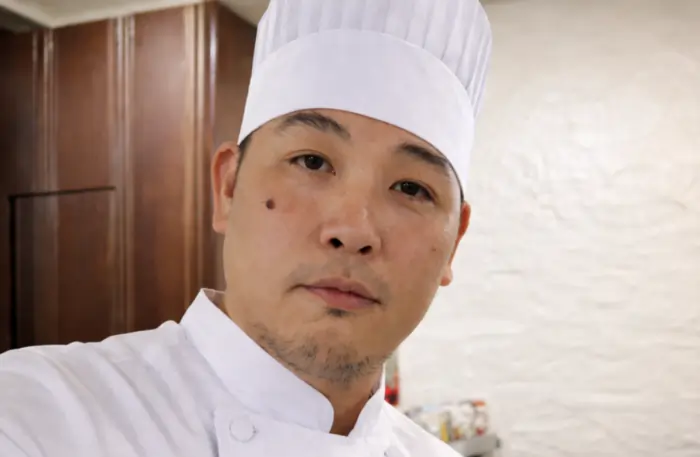
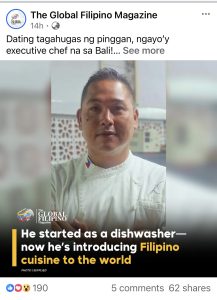
Chef Juan Gadi brings the heart of Filipino hospitality to Ubud, Bali. As an Executive Chef and consultant, he specializes in creating intimate, curated dining experiences that tell a story through every dish. Whether leading the kitchen at Kilig Filipino Warung or hosting a private villa dinner, Chef Juan’s approach is defined by warmth, modern technique, and a commitment to culinary excellence.