Migration Helped Introduce Filipino Flavors Around the World Key Takeaways
Migration helped introduce Filipino flavors around the world by transforming overseas Filipino communities into living culinary embassies, where home kitchens and eateries became the first ambassadors of adobo, sinigang, and halo-halo to curious global diners.
- Migration helped introduce Filipino flavors around the world through the Filipino diaspora, which turned family recipes into international sensations.
- Iconic dishes like lumpia and lechon gained global fame because immigrant communities consistently recreated them in new lands.
- Filipino hospitality and community gatherings turned local food festivals into powerful platforms for cultural exchange.
The Historical Journey of the Filipino Diaspora and Global Food Culture
Long before Filipino restaurants dotted city streets from Los Angeles to London, the first wave of overseas Filipinos carried their culinary traditions in their memories and luggage. Sailors on Spanish galleons between Manila and Acapulco in the 16th century unwittingly began a cultural exchange that introduced calamansi and coconut-based dishes to the Americas. Later, during the American colonial period, pensionados and laborers brought adobo and pancit to the United States. Each migration wave—whether to the Middle East as healthcare workers, to Canada as skilled professionals, or to Southeast Asia as entertainers—added new flavor routes. These travelers were not just workers; they were informal culinary ambassadors. Their family recipes, often written on greasy index cards or memorized through generations, became the first bridge between Filipino heritage cooking and international food lovers. For a related guide, see Filipino Cuisine Winning Hearts of Bali Travelers: 7 Dishes You Must Try.
The real acceleration happened after the 1970s when large-scale labor migration created permanent immigrant communities in cities like San Francisco, Dubai, and Sydney. These communities needed a taste of home, and so did their new neighbors. Small grocery stores selling banana leaves and ube extract appeared. Turo-turo (point-point) style eateries followed, serving sinigang and lechon to an increasingly curious non-Filipino clientele. The Filipino diaspora became the backbone of a global food culture still unfolding today.
Iconic Dishes That Migration Helped Introduce to International Palates
Certain dishes became global calling cards precisely because they traveled well and adapted to local ingredients while retaining their soul. Adobo, with its vinegar-soy symphony, topped the list. Its tangy-savory balance appealed to palates across Asia, the Americas, and Europe. Lumpia—the crunchy spring roll—appeared first at potlucks and then on restaurant menus. Pancit noodles, symbolizing long life, became a staple at community gatherings overseas. Sinigang, a sour tamarind soup, surprised diners with its clean, comforting broth. Halo-halo, a kaleidoscopic dessert, turned into an Instagram sensation. And ube, the purple yam, migrated from traditional cakes into everything from donuts to lattes, driving a worldwide purple trend.
The following table highlights how migration turned these dishes into international favorites.
| Filipino Dish | Key Migration Role | Global Recognition Example |
|---|---|---|
| Adobo | First dish recreated by overseas workers in bunkhouses | Featured on “Parts Unknown” and food blogs worldwide |
| Lumpia | Popularized at church community gatherings and potlucks | Staple at multicultural food festivals from Rome to Toronto |
| Pancit | Brought to the US by pensionados and Navy stewards | Now a common item in Asian fusion restaurants |
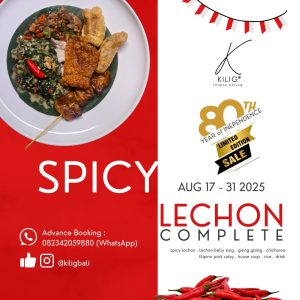
| Lechon | Whole pig roasts became the centerpiece of Filipino celebrations abroad | Listed among the world’s best pork dishes by food critics |
| Halo-halo | Adapted by second-generation entrepreneurs into trendy dessert shops | Sparked a massive halo-halo craze in Los Angeles and Melbourne |
Beyond the dish itself, the method of cooking on banana leaves or using calamansi as a seasoning became a signature touch that overseas restaurants used to differentiate themselves. Family recipes passed down from grandmothers in Ilocos or Iloilo became the core of restaurant menus in London’s Earl’s Court or New York’s Woodside, directly linking the regional specialties of the Philippines to international diners.
Overseas Filipinos: Building Immigrant Communities Through Culinary Traditions
Immigrant communities are the engine behind the spread of Filipino flavors. In places like Milan, where Filipinos form one of the largest Asian immigrant groups, Sunday markets and parish halls transformed into sites of cultural exchange. Filipino cooks prepared enormous trays of pancit and lechon for birthdays and fiestas, inviting Italian neighbors. This Filipino hospitality naturally turned strangers into fans. The traditional recipes were never hidden; they were shared generously, reinforcing the communal nature of Filipino identity.
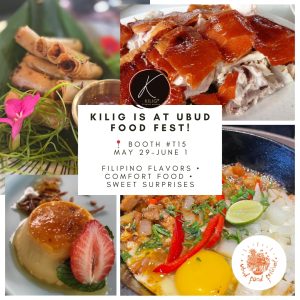
In the United Arab Emirates, Filipino nurses and engineers organized food festivals in Sharjah and Dubai, introducing sinigang and halo-halo to Arab and South Asian palates. The same happened in Canada, where the “Taste of Manila” festival now draws hundreds of thousands of attendees, most of them non-Filipinos. These events do more than sell food; they preserve culinary traditions and ensure heritage cooking survives outside the homeland. The role of Filipino communities abroad in this preservation cannot be overstated—they turned community gatherings into living museums of taste.
Fusion Cuisine and the Evolution of Filipino Flavors in New Lands
As Filipino migrants settled for generations, their cuisine did not remain static. It engaged in a dynamic fusion cuisine with local global food culture. In Hawaii, the Filipino diaspora blended adobo with Portuguese sausage. In California, food trucks started serving lumpia tacos and ube horchata. In Australia, chefs infused calamansi into pavlova and used coconut vinegar for native bush-tomato ceviche. This evolution shows that Filipino cuisine is not a relic but a living, breathing tradition that grows through cultural exchange.
Filipino restaurant owners and chefs in major culinary capitals leveraged fusion cuisine to make flavors more approachable without losing essence. New York’s Bad Saint, London’s Romulo Café, and Dubai’s Jeepney are examples of restaurants that reinterpreted traditional recipes for a global audience. They used local ingredients while honoring family recipes. Such establishments attract not only Filipino food lovers but also cultural travelers and culinary enthusiasts eager to experience something new. As food bloggers and travel bloggers amplified these spots, the narrative shifted from “Filipino food is exotic” to “Filipino food is the next big thing.”
The Future of Filipino Cuisine on the Global Stage
The current wave of interest is not accidental. Heritage tourism enthusiasts now travel to the Philippines specifically for culinary traditions, attending cooking class participants workshops in Pampanga. Filipino food historians document the regional specialties that migrants brought with them. Meanwhile, hospitality professionals and restaurant owners abroad invest in high-end Filipino restaurants, moving the cuisine from cheap-eats to fine dining. The rise of social media has allowed food bloggers and travel bloggers to showcase authentic cuisine seekers the depth of Filipino flavors.
What comes next is a virtuous cycle. As more people travel to Southeast Asia, Southeast Asia travelers will encounter Filipino food at its source, then seek it back home. Students and cultural researchers will examine how migration helped introduce Filipino flavors around the world as a case study in soft power and cultural preservation. Lifestyle readers and home cooks will continue to incorporate ube, calamansi, and coconut into their own meals. The enduring role of the Filipino diaspora ensures that every new migrant generation recharges the global pantry with fresh culinary traditions. In this way, Filipino cuisine will remain a vibrant, internationally recognized expression of heritage and community. For a related guide, see 9 Ways Filipino Cuisine Connects People Across Cultures – Essential Insights.
Useful Resources
To explore more about the global journey of Filipino food, consult these authoritative sources:
- Smithsonian’s deep dive into adobo’s history — an essential read for understanding one iconic dish’s migration.
- Michelin Guide’s feature on Filipino cuisine’s global rise — insights into how restaurants are reshaping perceptions worldwide.
Frequently Asked Questions About Migration Helped Introduce Filipino Flavors Around the World
How did migration spread Filipino flavors around the world?
Overseas Filipinos recreated family recipes in their new homes, opening restaurants and participating in community gatherings that gradually introduced adobo, sinigang, and pancit to international audiences.
Why is Filipino cuisine becoming more popular internationally?
Rising cultural exchange through migration, social media exposure by food bloggers, and the creative work of chefs who offer elevated versions of traditional recipes have all fueled growing global interest.
How have overseas Filipino communities influenced global food culture?
Immigrant communities established eateries, organized food festivals, and shared Filipino hospitality at local events, making dishes like lumpia and halo-halo part of the wider culinary landscape.
Which Filipino dishes are best known outside the Philippines?
Adobo, lumpia, pancit, lechon, sinigang, halo-halo, and ube-based desserts have gained the most international recognition through diaspora kitchens and fusion cuisine.
How have Filipino restaurants introduced local flavors to international audiences?
Restaurant owners often start with approachable items like lumpia and gradually introduce more complex flavors like calamansi marinades or banana leaves-steamed fish, educating diners about regional specialties.
What role does migration play in preserving Filipino culinary traditions?
Migration ensures heritage cooking survives as overseas Filipinos teach their children family recipes and celebrate fiestas, keeping culinary traditions alive far from the homeland.
How has Filipino cuisine evolved in different countries?
In the US, fusion cuisine created ube waffles and adobo tacos; in the Middle East, sinigang adapted to local sour agents; in Australia, calamansi and coconut pastries became mainstream.
Where can travelers find authentic Filipino food outside the Philippines?
Neighborhoods with large Filipino communities abroad like Woodside in New York, Earl’s Court in London, and Dubai’s Deira offer the most authentic cuisine seekers a true taste of home.
What makes Filipino flavors appealing to global audiences?
The bold yet harmonious blend of sour, salty, sweet, and umami—often using calamansi, coconut vinegar, and savory adobo sauce—creates a unique profile that culinary enthusiasts find intriguing and comforting.
How has migration helped transform Filipino cuisine into an internationally recognized expression of culture?
The Filipino diaspora turned traditional recipes into global ambassadors, proving that food carries identity, heritage, and community, which resonates with cultural travelers and food historians alike.
What is the role of food festivals in spreading Filipino flavors?
Food festivals like “Taste of Manila” allow local food explorers to sample multiple dishes at once, creating word-of-mouth buzz that pushes Filipino cuisine further into the global mainstream.
How do family recipes contribute to international Filipino food?
Family recipes act as the blueprint for overseas restaurants; many chefs and home cooks insist on ancestral methods for adobo or sinigang, preserving authenticity while adapting to local ingredients.
Why are banana leaves used in Filipino cooking abroad?
Banana leaves impart a subtle grassy aroma and are essential for steaming rice cakes and grilled fish, a visual marker of heritage cooking that overseas restaurant owners use to signal authenticity.
How have second-generation Filipino immigrants impacted the food scene?
They often bridge the gap by introducing fusion cuisine that mixes ube with donuts or calamansi into cocktails, attracting both Filipino food lovers and adventurous cultural travelers.
What is the importance of coconut in Filipino food migration?
Coconut in its many forms—milk, cream, oil, vinegar—is a foundational ingredient in dishes like lechon sauce and pancit bihon, making it a recognizable thread in global food culture.
How did Filipino nurses contribute to the global food story?
Filipino nurses in the UK and Middle East formed tight-knit communities abroad that organized community gatherings where adobo and pancit frequently became the highlight, slowly attracting local colleagues.
What are regional specialties that migrants introduced abroad?
Ilocano bagnet, Kapampangan sisig, and Visayan kinilaw (a raw seafood dish) are examples of regional specialties that traveled directly with overseas Filipinos and now appear in specialty menus worldwide.
How do cooking classes promote Filipino flavors globally?
Cooking class participants learn hands-on how to make lumpia or halo-halo, creating personal connections that turn students into lifelong authentic cuisine seekers and ambassadors.
What role do social media and food bloggers play?
Food bloggers and travel bloggers amplify the cultural exchange by posting visually stunning images of ube desserts or sizzling lechon, inspiring their followers to explore Filipino food.
Will Filipino cuisine continue to grow internationally?
Undoubtedly, as the Filipino diaspora expands and hospitality professionals innovate, more international travelers will seek out Filipino cuisine, ensuring its place in the global food culture for decades.
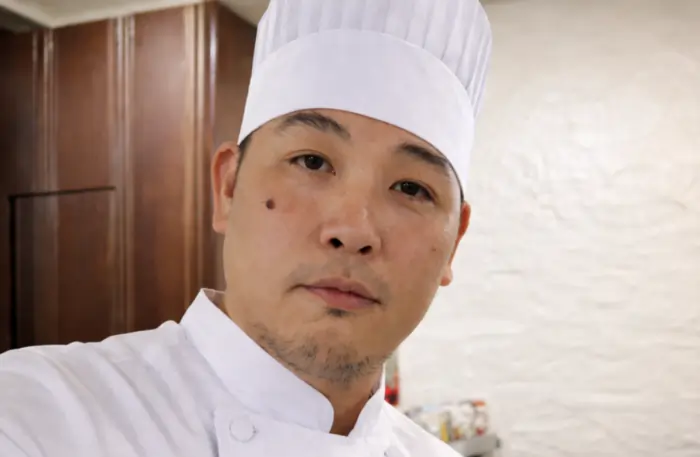
Chef Juan Gadi brings the heart of Filipino hospitality to Ubud, Bali. As an Executive Chef and consultant, he specializes in creating intimate, curated dining experiences that tell a story through every dish. Whether leading the kitchen at Kilig Filipino Warung or hosting a private villa dinner, Chef Juan’s approach is defined by warmth, modern technique, and a commitment to culinary excellence.