Role of Indigenous Ingredients in Filipino Food Traditions Key Takeaways
The role of indigenous ingredients in Filipino food traditions goes far beyond novelty—these native plants, heirloom grains, and wild-foraged items are the living archives of the archipelago’s culinary soul.
- The role of indigenous ingredients in Filipino food traditions defines regional identities—from Cordilleran heirloom rice to Visayan batuan fruit.
- Skipping local palengke (market) explorations is the number one mistake that robs you of authentic taste memories.
- Knowing the cultural narrative behind each ingredient deepens your travel experience and your cooking.
I still remember my first morning at the Baguio City Public Market, shivering in the pine-scented chill, when an elderly Igorot woman offered me a small woven basket of deep purple, thumb-sized berries. “Bignay,” she said with a knowing smile. I almost dismissed them as just wild fruit—until she crushed a few into a plastic cup, mixed them with water and a pinch of salt, and handed me the most electrifyingly tart, savory refresher I’d ever tasted. That humble moment cracked open a truth: the role of indigenous ingredients in Filipino food traditions isn’t a museum exhibit. It’s a daily, delicious act of heritage that locals live and visitors too often overlook. If you’ve ever found yourself poking at a strange leaf in your sinigang or wondering why that violet rice tastes better than anything back home, you’re already curious about indigenous Filipino ingredients. But without a guide, it’s easy to make blunders that flatten an entire cuisine into tourist-friendly clichés.
The Role of Indigenous Ingredients in Filipino Food Traditions: Avoid These 9 Costly Mistakes
Whether you’re a food-obsessed traveler touching down in Cebu, a home cook attempting a family recipe, or a culinary professional researching the next big flavor, these nine missteps can rob you of the real treasure. Each one highlights a facet of the role of indigenous ingredients in Filipino food traditions that foreign palates frequently miss. For a related guide, see Why Filipino Kitchens Are Designed Around Family Gatherings.
1. Are you ignoring the local palengke and settling for supermarket produce?
The biggest mistake is bypassing the wet market. Supermarket shelves rarely stock indigenous Filipino ingredients like alugbati (Malabar spinach), talbos ng kamote (sweet potato tops), or freshly harvested pako (fiddlehead fern). Markets in places like Legazpi, Davao, or Laoag are where you’ll find them, often sold by the farmers who grew them. Without visiting, you’ll only taste the commercialized versions of Filipino food.
2. Do you dismiss wild foraged greens as mere weeds?
Saluyot, kutsarita, lantana—many visitors pass them over, thinking they’re garnish or invasive plants. In truth, they are nutritional powerhouses central to dishes like dinengdeng or bulanglang. Understanding the role of indigenous ingredients in Filipino food traditions means recognizing that these greens carry generations of knowledge about seasonal eating and wellness.
3. Are you assuming all rice is the same?
If you’ve never tasted the nutty, reddish-black kalinga unoy rice or the aromatic tinawon from Ifugao, you’re missing a pillar of indigenous Filipino foodways. These heirloom grains aren’t just sides—they’re centerpieces with stories of ancestral land, rituals, and sustainability. Chefs worldwide are now seeking them out.
4. Do you cook unfamiliar ingredients the wrong way?
Without guidance, you might boil tabon-tabon until it’s bitter and inedible, or scorch pili nuts into acrid lumps. Each of these indigenous Filipino ingredients comes with a specific culinary logic—often learned from a community elder or a market vendor. Joining a cooking class or befriending a local cook is the only way to avoid culinary disaster.
5. Are you skipping region-specific treasures?
The role of indigenous ingredients in Filipino food traditions varies wildly from island to island. Batangas has its barako coffee, Negros its batuan souring fruit, and Tawi‑Tawi its lato sea grapes. If you only eat in Manila or Cebu City restaurants, you’ll never taste these geographically protected flavors.
6. Do you treat coconut as just one ingredient?
The Philippines has dozens of coconut varieties, each with different fat content, sweetness, and texture. Makapuno—a mutant coconut with jelly-like meat—is a delicacy used in desserts like ube halaya topping. Mistaking it for regular coconut is like confusing truffle oil with vegetable oil.
7. Are you neglecting fermented and preserved staples?
Buro (fermented rice with shrimp or fish), tapuy (rice wine), and various vinegars made from kaong or sugarcane are indigenous preservation methods that define Filipino food identity. They’re often an acquired taste, but ignoring them means you miss the very soul of the cuisine.
8. Do you underestimate wild herbs like tanglad and pandan?
Many travelers lump lemongrass and pandan with generic Asian herbs, but in the Philippines they are cultivated with such variety and passion that they transform simple tinola or kanin (plain rice) into aromatic experiences found nowhere else. They are key indigenous Filipino ingredients that elevate humble dishes.
9. Are you forgetting to ask for the cultural story?
Perhaps the costliest mistake: tasting without listening. The role of indigenous ingredients in Filipino food traditions is inseparable from myths, healing practices, and community identity. When a vendor tells you that lagundi leaves ease a cough or that pipino melons were traded for gold, you’re engaging with living heritage, not just food. For a related guide, see 10 Cultural Lessons Hidden in Traditional Filipino Meals.
How Travelers Can Experience the Role of Indigenous Ingredients in Filipino Food Traditions Firsthand
Beyond avoiding mistakes, you can actively seek out these encounters. Start with a morning visit to a tabo (roving market) in a highland province like Mountain Province. Hire a local guide who can translate not just words but the meanings behind ingredients. Book a kamayan dinner where food is served on banana leaves, often featuring foraged greens and heirloom rice. Farm-to-table resorts in Palawan and Bohol now offer indigenous ingredient tasting menus—some even let you forage with their chefs.
Essential Indigenous Filipino Ingredients to Know
| Ingredient | Region | Culinary Use |
|---|---|---|
| Heirloom unoy rice | Kalinga | Nutty pilafs, paired with grilled fish |
| Batuan fruit | Negros | Souring agent for sinigang-like broths |
| Saluyot (jute leaves) | Nationwide | Thick, nutritious soupy stews |
| Pili nuts | Bicol | Roasted snacks, confections, oil |
| Tabon-tabon | Northern Mindanao | Neutralizes fishy odor in kinilaw |
| Pandan (screwpine) | Nationwide | Aromatic rice, desserts, drinks |
Useful Resources
Dive deeper into the living library of Philippine indigenous foods with these expert-curated references.
- Slow Food’s Ark of Taste – Philippines – A catalog of endangered Filipino food products and indigenous ingredients worth saving.
- Philippines Tourism Board – Culinary Travel – Official guides to food tours, market visits, and experiences that highlight native flavors.
Frequently Asked Questions About Role of Indigenous Ingredients in Filipino Food Traditions
What defines an indigenous Filipino ingredient?
Indigenous Filipino ingredients are plants, herbs, fruits, grains, and animal products that are native to the Philippines or have been traditionally cultivated and used by ethnolinguistic communities long before colonization, and remain integral to local food practices.
Where can travelers find indigenous ingredients in the Philippines?
Public wet markets (palengke) in regional capitals like Baguio, Davao, Bacolod, and Vigan are treasure troves. Specialty food tours and farm stays in the Cordilleras, Palawan, and Bicol also offer direct access to these ingredients.
How does the role of indigenous ingredients in Filipino food traditions affect modern cuisine?
Chefs are reviving heirloom grains, souring agents, and wild greens to create contemporary dishes that honor heritage while appealing to global palates. This revival also supports sustainable agriculture and biodiversity.
Are indigenous Filipino ingredients safe for foreigners to eat?
Yes, when prepared correctly. However, some wild plants require specific cooking methods to remove toxins or bitterness. Always seek local guidance or attend a cooking class before experimenting on your own.
Can I bring indigenous Filipino ingredients home?
Processed items like dried heirloom rice, pili nut candy, and bottled vinegar can often be packed in checked luggage. Fresh produce, seeds, and soil are subject to strict customs regulations—always check your home country’s biosecurity rules.
What is the difference between indigenous ingredients and common Filipino pantry items?
Common pantry items like soy sauce, garlic, and onion are widely used but not originally native. Indigenous ingredients (e.g., batuan, tabon-tabon, heirloom rice) are specific to the archipelago and often tie to terroir and ancestral knowledge.
Which indigenous ingredient best represents Filipino food traditions?
Many argue that heirloom rice varieties, particularly the tinawon and unoy grains from the Cordillera rice terraces, embody the cultural, spiritual, and agricultural importance of indigenous Filipino food heritage.
How can I learn to cook with indigenous Filipino ingredients ?
Enroll in a hands-on cooking class in destinations like Pampanga (the culinary capital), or join community-based tourism programs in Mountain Province and Palawan that teach traditional cooking methods.
Why is it important to preserve indigenous Filipino ingredients ?
Preservation safeguards biodiversity, food security, cultural identity, and centuries-old farming practices. Many ingredients are climate-resilient and hold potential for future global food challenges.
Are there any indigenous Filipino ingredients that are endangered?
Yes. Several heirloom rice strains, fruits like the balimbing, and traditional native chicken breeds are at risk. Slow Food’s Ark of Taste catalog helps raise awareness and encourage conservation.
What role do indigenous ingredients play in Filipino street food?
Items like grilled corn (mais), banana-cue (saba bananas), and turon with native langka (jackfruit) incorporate indigenous produce. Even balut, though not an ingredient, relies on native duck breeds.
Can I find indigenous Filipino ingredients outside the Philippines?
Some Asian grocery stores in cities with large Filipino communities stock frozen alugbati, ube powder, and bottled coconut vinegar. Dried heirloom rice and pili nuts are increasingly available online.
How do indigenous souring agents differ from vinegar or calamansi?
Souring fruits like batuan, iba, and kamias deliver complex, fruity tartness without the sharpness of vinegar. They add depth to soupy dishes and are often used in kinilaw (Filipino ceviche).
What is the most surprising indigenous ingredient a traveler might encounter?
Many travelers are taken aback by tabon-tabon, a bitter fruit grated into kinilaw to neutralize fishiness. Its function is completely unique and reveals the sophistication of pre-colonial Filipino food science.
Are there indigenous Filipino ingredients with medicinal properties?
Absolutely. Lagundi leaves for cough, guava for wound healing, and pandan for headaches are just a few examples where food and medicine blend seamlessly in Filipino traditional knowledge.
What heirloom rice dishes should every food lover try?
Try purple unoy rice with grilled liempo, Ifugao tinawon rice cooked in bamboo tubes (binakle), and the sweet black rice dessert called biko made from glutinous indigenous rice.
How can restaurant owners incorporate indigenous ingredients into menus?
Start by sourcing directly from farmer cooperatives in the Cordillera or Palawan. Feature a seasonal special that highlights a native ingredient, and include its story on the menu to educate diners.
Do indigenous ingredients appear in Filipino desserts?
Yes, ube (purple yam), pili nuts, macapuno coconut, and langka are central to iconic treats like halo-halo, ube halaya, and turon. Even the ice cream flavors often feature native fruits.
What cultural etiquette should I observe when shopping for indigenous ingredients at local markets?
Greet vendors politely in the local language, ask permission before taking photos, and be open to tasting samples. Showing genuine curiosity often leads to recipe tips and deeper connections.
How is the role of indigenous ingredients in Filipino food traditions being taught to younger generations?
Schools, culinary institutes, and NGOs run programs where elders teach foraging, farming, and cooking. Social media food influencers also spotlight native ingredients, making them trendy again among the youth.
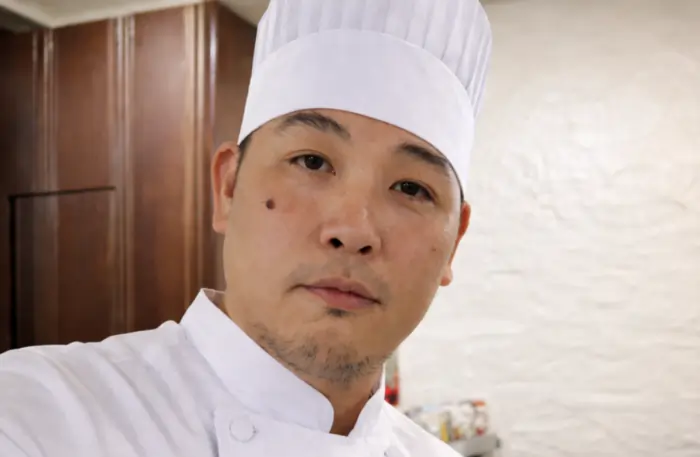
Chef Juan Gadi brings the heart of Filipino hospitality to Ubud, Bali. As an Executive Chef and consultant, he specializes in creating intimate, curated dining experiences that tell a story through every dish. Whether leading the kitchen at Kilig Filipino Warung or hosting a private villa dinner, Chef Juan’s approach is defined by warmth, modern technique, and a commitment to culinary excellence.