Why Traditional Filipino Food Still Matters in a Modern World Key Takeaways
Traditional Filipino food endures not just as sustenance but as a living narrative of history, family, and community.
- Why Traditional Filipino Food Still Matters in a Modern World lies in its ability to preserve cultural identity through heritage recipes and family traditions .
- Travelers and food lovers can experience authentic Filipino cuisine through local markets , fiestas , and home-cooked meals .
- Sustainability is at the core of indigenous cooking and traditional preservation methods that remain relevant today.
1. Why Traditional Filipino Food Still Matters: A Culinary Tapestry of History and Flavor
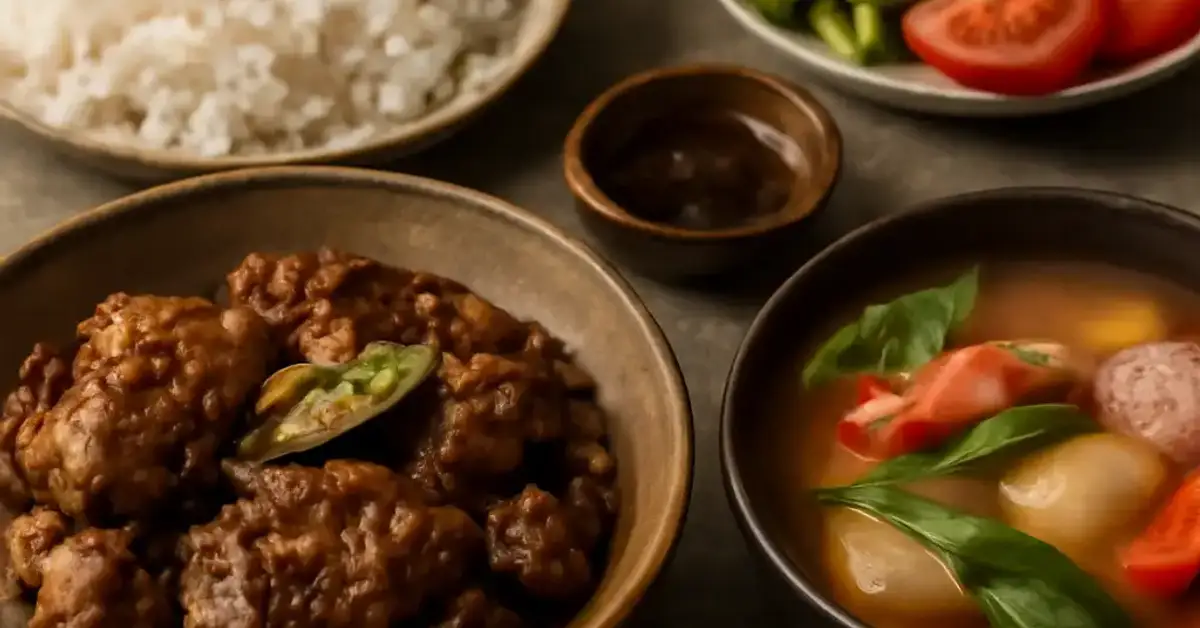
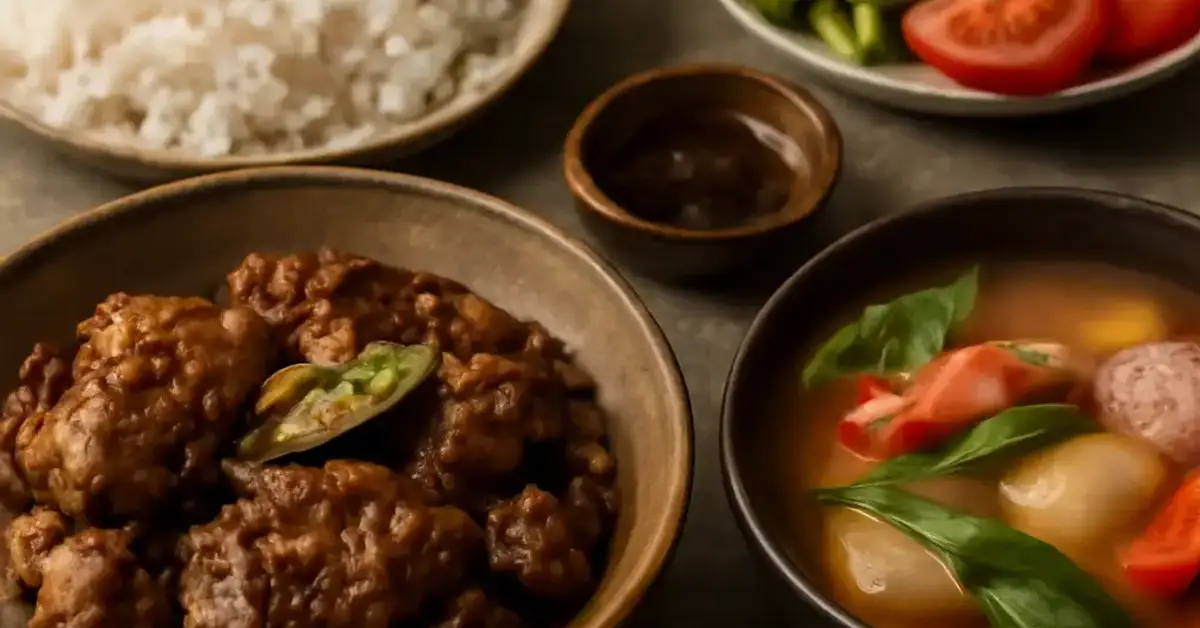
For centuries, the Philippine archipelago has been a crossroads of trade, colonization, and migration. Each wave left its mark on the simmering pots of Filipino culinary heritage. Adobo, with its soy and vinegar braise, tells a story of Chinese merchants and Spanish mariners. Sinigang, a sour tamarind broth, reflects the resourcefulness of island communities harnessing native fruits. These dishes are far more than recipes — they are edible threads in the fabric of a nation’s identity. For a related guide, see How Filipino Cuisine Tells the Story of the Philippines Diverse Regions.
In a world where global fast food threatens to homogenize palates, authentic Filipino food remains a beacon of cultural identity. When you sit down to a meal of kare-kare — an oxtail stew thick with ground peanuts and tinted by annatto — you aren’t just eating; you are tasting the Pampanga lowlands, Spanish-era kitchens, and the creativity of Filipino cooks. That depth of story is exactly why traditional Filipino food still matters in a modern world.
This cuisine does not cling to the past out of nostalgia alone. It adapts, survives, and thrives because its roots dig deep into regional specialties that reflect the country’s more than 7,000 islands. From the fiery coconut milk curries of Bicol to the garlicky longganisa of Vigan, every region adds a distinct voice. Together, they form a culinary chorus that resonates with modern food travelers, food travel Philippines enthusiasts, and chefs seeking genuine flavors.
2. The Irresistible Flavors That Show Why Traditional Filipino Food Still Matters
Ask any Filipino what traditional Filipino dishes they crave, and the answer often begins with the iconic trio: adobo, sinigang, and lechon. Each represents a pillar of Filipino food culture. Adobo — meat braised in vinegar, soy sauce, garlic, and bay leaves — is the unofficial national dish, loved for its versatile balance of salt, sour, and umami. Sinigang counters the tropical heat with its restorative sour broth, often loaded with tamarind and fresh vegetables. And no festive table is complete without lechon, a whole roasted pig whose crackling skin demands communal celebration.
Beyond the holy trinity, Filipino gastronomy blooms with variety. Pancit (stir-fried noodles) symbolizes long life and is a must at birthdays. Lumpia — fresh or fried spring rolls — channels Chinese influence into something distinctly Filipino. Kinilaw, the indigenous ceviche of raw fish cured in vinegar and citrus, showcases the purity of native ingredients. And kakanin, a family of sticky rice cakes often tinted with purple ube or wrapped in banana leaves, ties together harvests and celebrations. These flavors shout identity, making every bite a lesson in heritage cuisine.
Younger generations, both in the Philippines and abroad, are rediscovering these dishes not as relics but as Filipino cooking that fits modern lifestyles. They appear in meal-prep versions, high-end restaurant degustations, and food blog features. The question “why does traditional Filipino food still matter today” finds its answer on every plate that carries forward the aroma of garlic and vinegar — a sensory link to home.
3. Indigenous Ingredients and Cooking Methods That Sustain Modern Palates
At the heart of Philippine cuisine is a deep relationship with the land and sea. Native ingredients such as heirloom rice varieties, turmeric-laced ginger (dilaw), and wild coconut milk form the backbone of countless dishes. Banana leaves do more than line serving trays; they infuse steamed rice cakes and grilled fish with an earthy, sweet aroma that no synthetic packaging can replicate. Using these resources is not a trend — it is sustainable food wisdom passed down for generations.
Cooking methods remain equally significant. Traditional preservation methods like burong isda (fermented fish and rice) and tinapa (smoked fish) extend shelf life without refrigeration, a practice that modern zero-waste movements now champion. Indigenous cooking techniques like paksiw (vinegar stew) and inihaw (charcoal grilling) use simple tools but unlock complex flavors. When chefs at today’s farm-to-table restaurants highlight native ingredients and these techniques, they aren’t inventing something new — they are elevating a long-standing heritage cuisine. For a related guide, see How Traditional Balinese Kitchens Inspire Modern Restaurants.
This ancestral food system answers a modern dilemma: how can we eat sustainably without losing flavor? Filipino food proves that traditional Filipino food is a model for the future. The coconut tree, for example, is nicknamed the “tree of life” because every part — from the meat and milk to the husk and leaves — is used in cooking and daily life. Embracing that full-circle approach to ingredients is one of the ways traditional Filipino dishes remain relevant.
4. Heirloom Recipes and Family Traditions That Pass Down More Than Food
In many Filipino households, the most treasured possession isn’t a photo album but a greasy, hand-notated recipe book. Heirloom recipes for adobo or kare-kare vary from family to family — each tweak a testament to a grandmother’s palate or a father’s experiment. These family traditions transform cooking into a ritual of memory. The act of teaching a child how to sauté garlic until golden or how to wrap lumpia tightly enough to survive frying is a transfer of culture itself.
This intimate knowledge answers the question: why are family recipes important in Filipino food culture? They anchor identity in an increasingly mobile world. For the millions of Filipinos in the diaspora, recreating home-cooked meals like sinigang or pancit isn’t just about taste — it’s about fighting homesickness, sharing hospitality with new friends, and keeping the language of the kitchen alive. Restaurants run by the overseas Filipino community often feature these heritage recipes, drawing food lovers who seek authentic Filipino food.
Modern digital platforms have turned Filipino recipes into shareable content, but the true value lies in the personal connections they foster. A home-cooked meal of kinilaw or kakanin shared on a family weekend bridges generations. In a fast-paced world, standing over a slow-simmering pot of adobo is an act of resistance — a deliberate choice to honor Filipino hospitality and the love woven into every heirloom recipe.
5. Regional Specialties That Showcase the Archipelago’s Diversity
Talk to a local about regional specialties and you’ll quickly understand that Filipino food culture is a mosaic. In Ilocos, bitter pinakbet and crunchy bagnet reflect a landscape of robust flavors. Pampanga, the culinary capital, gifts the world with savory lechon and velvety kare-kare. Batangas is famous for its strong kapeng barako coffee, while Bicol proudly serves dishes that swim in spicy coconut milk. To taste the entire Philippine cuisine is to journey from mountain terraces to coral reefs.
These regional specialties thrive in local markets and neighborhood carinderias (eateries). Wandering through a wet market in Davao or a weekend food market in Manila becomes a lesson in geography and culture. Food travel Philippines itineraries increasingly highlight these hubs, where travelers can sample steaming bowls of sinigang or freshly grilled fish wrapped in banana leaves. This hyperlocal approach demonstrates how traditional Filipino cuisine preserves cultural heritage — not in museums, but on busy streets and bustling stalls.
For chefs and food bloggers, these regional distinctions offer endless storytelling material. Each province’s version of pancit or lumpia reveals migration patterns, ingredient availability, and local pride. As global interest in heritage cuisine grows, these regional specialties attract culture researchers, food historians, and culinary travelers who want more than a generic tourist meal — they want the soul of the place served on a plate.
6. Communal Dining and Filipino Hospitality as a Cultural Signature
Food in the Philippines is rarely a solitary affair. Communal dining is embedded in the national character. The iconic kamayan feast — where a bed of banana leaves is piled with rice, grilled seafood, lechon, and pickled greens, inviting everyone to eat with their hands — embodies Filipino hospitality. There is no ranking of status at the table; everyone shares from the same spread. This is the essence of traditional Filipino food: it feeds both body and community.
Fiestas, the town-wide celebrations honoring patron saints, remain the ultimate expression of this spirit. Entire barangays prepare mountains of adobo, pancit, lumpia, and sweets like kakanin. Strangers are welcomed with open arms and a plateful of Filipino cooking. Such gatherings are living museums of Philippine food traditions, where family traditions and heritage recipes are displayed without pretense.
Modern life hasn’t erased this communal heartbeat; it has transported it into pop-up dinners, food festivals, and online cooking communities. How do traditional dishes remain relevant in modern Filipino lifestyles? They adapt by gathering people — whether at a Sunday family lunch, a social media potluck challenge, or a corporate team-building boodle fight. Filipino hospitality continues to attract international travelers and authentic cuisine seekers who learn that the best way to understand the country is to sit shoulder-to-shoulder and eat with its people.
7. Sustainable Eating Rooted in Ancestral Wisdom
Long before “farm-to-table” became a marketing slogan, Filipinos lived it. Sustainable food practices are wired into indigenous cooking and traditional preservation methods. Fisherfolk still practice seasonal fishing, farmers rotate crops, and home cooks utilize every part of the animal — from lechon skin ground into cracklings to head and innards simmered into kare-kare. This nose-to-tail philosophy minimizes waste and honors the life that nourishes.
Native ingredients like coconut, root crops, and wild jungle produce require fewer synthetic inputs than imported counterparts. In many provinces, banana leaves serve as biodegradable plates, and bamboo tubes become steamers. These practices align seamlessly with today’s global push for sustainability. How can traditional Filipino cuisine strengthen environmental consciousness? By demonstrating that ancestral ways are inherently green and delicious.
Young Filipino chefs are now championing these methods in fine-dining settings, proving that heritage cuisine can drive innovation. Restaurants focused on Filipino gastronomy source directly from local farmers and foragers, giving traditional Filipino food a new platform. The result is a cuisine that is simultaneously ancient and avant-garde, answering the call for sustainable food while preserving cultural identity. This is why the movement has captured the attention of food travel Philippines advocates and hospitality professionals worldwide.
Conclusion: Why Traditional Filipino Food Still Matters for Tomorrow
In a world drawn to quick bites and fleeting trends, traditional Filipino food stands as a testament to authenticity. Each dish — from a simple bowl of sinigang to a festive spread of lechon — carries the weight of history while adapting to modern tastes. The preservation of these heritage recipes, the revival of indigenous cooking, and the bold flavors of Filipino cuisine are not merely nostalgic; they are essential answers to questions about identity, sustainability, and connection. For travelers, food lovers, home cooks, and cultural researchers alike, the message is clear: Filipino culinary heritage isn’t just something to protect — it’s something to celebrate, share, and let shape the future. For a related guide, see How Migration Helped Introduce Filipino Flavors Around the World.
Useful Resources
Deepen your journey into traditional Filipino food with these trusted sources:
- National Commission for Culture and the Arts – Filipino Cuisine — an authoritative look at the history and regional diversity of Philippine food.
- TasteAtlas: Filipino Food — a comprehensive guide to iconic dishes, ingredients, and local flavors.
Frequently Asked Questions About Why Traditional Filipino Food Still Matters in a Modern World
Why does traditional Filipino food still matter today?
Traditional Filipino food anchors people to their roots, preserving centuries of history, indigenous knowledge, and family connections while offering satisfying flavors that transcend generations and borders.
How does traditional Filipino cuisine preserve cultural heritage?
Every dish like adobo or kinilaw acts as a living record of pre-colonial practices, trade influences, and regional adaptations, ensuring that language, rituals, and techniques are passed down alongside recipes.
Why are family recipes important in Filipino food culture?
Family recipes transcend mere instructions — they carry the exact proportion of vinegar a grandmother preferred or the Saturday morning ritual of pounding spices, becoming a conduit for memory, love, and cultural continuity.
How do traditional dishes remain relevant in modern Filipino lifestyles?
They adapt through meal-prepping, contemporary plating in restaurants, and digital recipe sharing while maintaining core flavors. Dishes like lumpia and pancit appear at office parties and family Zoom dinners, keeping traditions alive.
What role do indigenous ingredients and cooking methods play in today’s cuisine?
Ingredients like coconut, banana leaves, and heirloom rice, along with methods such as kinilaw and traditional preservation methods, are now celebrated for their sustainability and purity, influencing modern farm-to-table movements.
How has Filipino food adapted while preserving its roots?
Chefs fuse traditional bases like adobo sauce with international techniques, and street food vendors keep kakanin alive using social media, yet the essence — sour, savory, and communal — remains intact.
What traditional Filipino dishes should younger generations continue to celebrate?
Iconic dishes like sinigang, kare-kare, lechon, pancit, lumpia, and kakanin deserve celebration because they encapsulate history, regional diversity, and the joy of Filipino gatherings.
How can travelers experience authentic traditional Filipino cuisine ?
Travelers should visit local markets, join fiestas, enroll in cooking classes in Pampanga or Cebu, and dine in hole-in-the-wall carinderias where home-cooked meals reflect true Filipino hospitality.
Why is preserving traditional Filipino food important for future generations?
Without preservation, vital knowledge of indigenous cooking, sustainable resource use, and nuanced flavors could vanish, robbing younger Filipinos of a deep sense of cultural identity and culinary pride.
How does traditional Filipino cuisine strengthen cultural identity, family connections, and national heritage in a modern world?
By gathering families around communal dining and fiestas, cooking heirloom recipes together, and presenting a unified culinary front on the global stage, Filipino cuisine reinforces who Filipinos are, individually and collectively.
What makes adobo the unofficial national dish of the Philippines?
Adobo embodies the Filipino palate — balancing sour vinegar, salty soy, and aromatic garlic — and its method of cooking in its own marinade doubles as a traditional preservation technique.
How does sinigang’s sour broth reflect Filipino resourcefulness?
Sinigang uses whatever souring agent is available — tamarind, calamansi, or green mango — and pairs it with abundant local vegetables, making it an infinitely adaptable and nutritious dish born from necessity.
Why is lechon the centerpiece of every Philippine fiesta?
A whole roasted pig represents abundance, celebration, and the communal act of sharing; the crackling skin and juicy meat turn any occasion into a moment of Filipino hospitality.
What are kakanin, and why are they essential in Filipino celebrations?
Kakanin are sticky rice cakes, often sweetened with coconut and sugar or colored with ube, and they symbolize togetherness, harvest gratitude, and the joy of sharing during fiestas and family milestones.
How does the use of banana leaves and coconut define Filipino cooking?
Banana leaves impart a subtle, herbaceous aroma to steamed dishes and serve as biodegradable wrappers, while coconut (milk, meat, oil) provides richness and binds flavors in everything from savory stews to desserts.
What is the significance of communal dining like boodle fights in Filipino culture?
Boodle fights strip away formality, placing everyone on equal ground as they eat with their hands from a shared banana leaf-lined table, reinforcing the values of bayanihan (community spirit) and Filipino hospitality.
How can cooking classes and local markets immerse travelers in Filipino food traditions?
Hands-on classes teach techniques like wrapping lumpia or balancing sour broths, while local markets introduce visitors to native ingredients and the storytelling of vendors, creating a multi-sensory cultural education.
What traditional preservation methods like burong isda or tinapa teach us about sustainability?
Fermenting fish and rice in burong isda and smoking fish in tinapa extend shelf life without electricity, align with zero-waste philosophies, and illustrate an ancient understanding of microbiology that modern food systems can learn from.
How do heirloom recipes survive in the Filipino diaspora?
Immigrant families recreate adobo and sinigang from memory, share heirloom recipes through handwritten notes and social media groups, and open restaurants that become community hubs, ensuring the flavors travel and evolve.
What is kinilaw and how does it compare to ceviche?
Kinilaw is a pre-colonial Filipino dish of raw fish “cooked” in vinegar and citrus, often with ginger and chilies. Unlike Latin American ceviche, it historically used vinegar from coconut or sugarcane and highlights native souring agents, making it a pure expression of indigenous cooking.
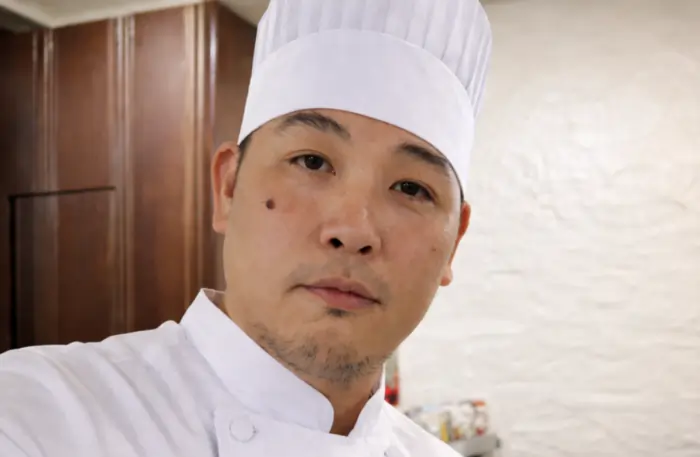
Chef Juan Gadi brings the heart of Filipino hospitality to Ubud, Bali. As an Executive Chef and consultant, he specializes in creating intimate, curated dining experiences that tell a story through every dish. Whether leading the kitchen at Kilig Filipino Warung or hosting a private villa dinner, Chef Juan’s approach is defined by warmth, modern technique, and a commitment to culinary excellence.