Filipino Culinary Traditions Thrive Beyond the Philippines Key Takeaways
Filipino food has quietly become a global sensation, and Filipino Culinary Traditions Thrive Beyond the Philippines because of the deeply ingrained culture of sharing meals and stories.
- Filipino Culinary Traditions Thrive Beyond the Philippines thanks to the passionate efforts of overseas Filipinos and immigrant communities who keep family recipes alive.
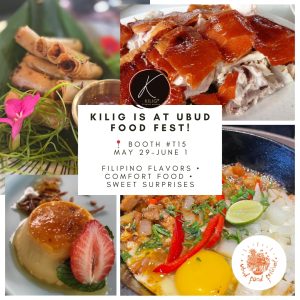
- Signature dishes like adobo , sinigang , and lechon now appear at global food festivals and in fusion cuisine , introducing cultural exchange and unforgettable Filipino hospitality worldwide.
- Travelers, culinary enthusiasts, and second-generation home cooks can explore heritage cooking through regional specialties at local restaurants, cooking classes, and community celebrations .
Why Filipino Cuisine Is Winning Hearts Around the Globe
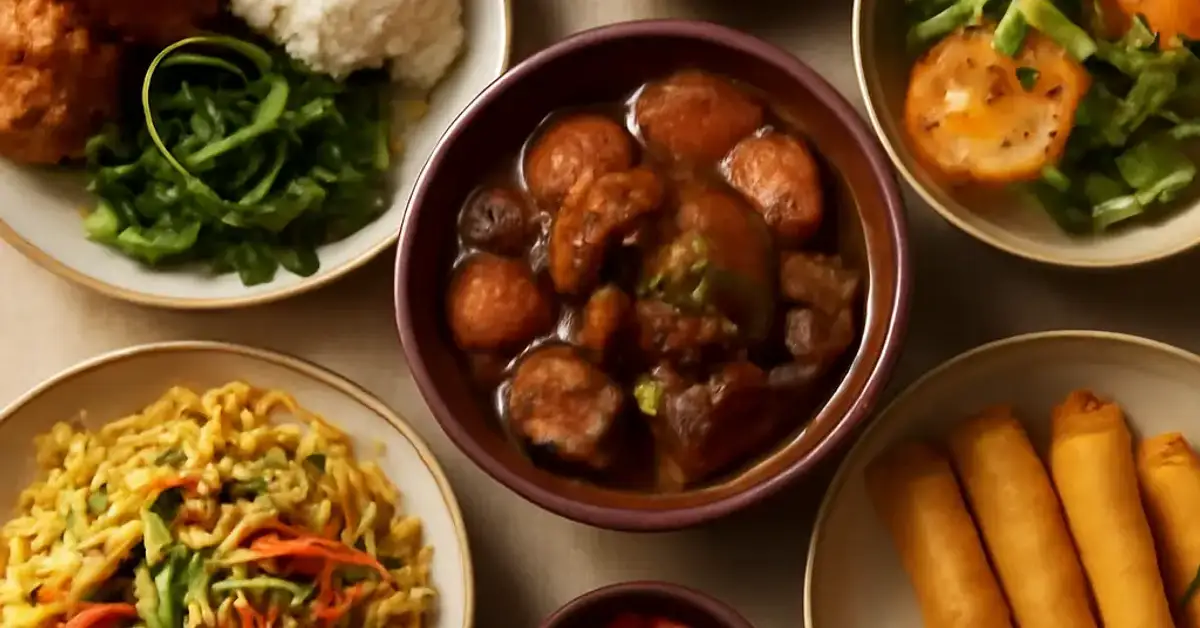
At the heart of how Filipino Culinary Traditions Thrive Beyond the Philippines lies a compelling story told through each plate of pancit and every crunchy bite of lumpia. The growing influence of the Filipino diaspora has sparked a global appetite that was once relegated to small community potlucks.
Today, overseas Filipinos are not just cooking for their families; they are opening restaurants, hosting pop-ups, and starring in food documentaries. International travelers and food bloggers actively seek out these spots because the cuisine offers a one-of-a-kind blend of sweet, sour, and umami flavors—largely driven by ingredients like coconut, calamansi, and banana leaves that signal a tropical storytelling tradition. This is global cuisine at its most welcoming, where every meal feels like a community celebration.
How Overseas Communities Keep Heritage Cooking Alive
Walk into any Filipino kitchen in New York, Dubai, or London, and you will likely see a bubbling pot of sinigang or a tray of freshly rolled lumpia. These are the anchors of identity. In immigrant communities, traditional recipes are not static museum pieces but living legacies that adapt to local ingredients without losing their soul. A grandmother might trade kangkong for spinach in her adobo, but the method remains sacred.
Second-generation Filipinos play an especially dynamic role. They bridge the gap by launching YouTube channels, writing cookbooks, and organizing food festivals that mix heritage cooking with modern plating. Suddenly, a family recipe for lechon that was once shared over a backyard banana leaf becomes a ticket to a Michelin-recognized pop-up.
7 Dishes That Define Filipino Food’s Global Journey
These are the must-try plates that show exactly how Filipino Culinary Traditions Thrive Beyond the Philippines. Each one carries a story of migration, adaptation, and unconditional hospitality.
Adobo: The Ultimate Comfort Food
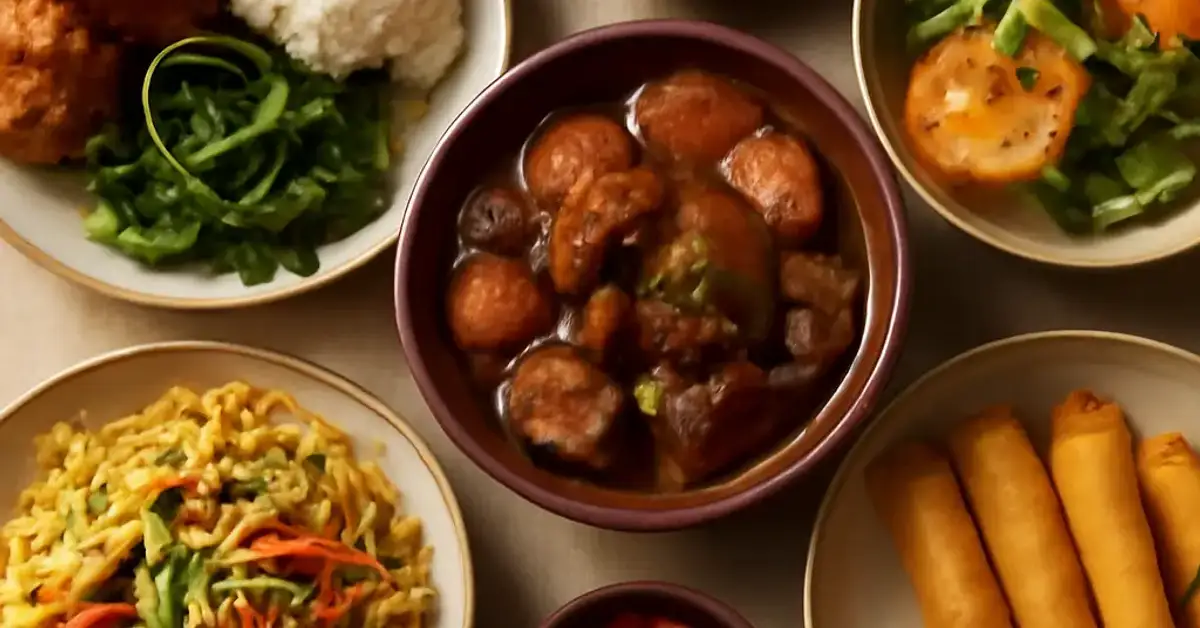
No dish screams Filipino heritage louder than adobo. This protein stewed in vinegar, soy sauce, and calamansi is endlessly adaptable, making it a lifeline for homesick Filipinos everywhere. In the hands of diaspora chefs, it becomes a gateway dish that international palates instantly understand.
Sinigang: A Tart, Savory Delight
Sinigang’s sour broth, often achieved with tamarind or calamansi, represents the bright, refreshing side of the cuisine. It teaches the world that Filipino food is not all heavy stews—it’s a delicate balance of tartness and richness that leans heavily on coconut milk in some regions.
Pancit: Stir-Fried Noodles of Celebration
For Filipinos, longevity is stirred right into the wok with pancit. Served at birthdays and community celebrations, this noodle dish has traveled with the diaspora to become a staple at global food festivals, often tossed with whatever local ingredients are available.
Lumpia: Crispy Filipino Spring Rolls
Thin, golden, and impossible to stop eating, lumpia is the perfect party food. It has exploded in popularity through food trucks and street stalls, proving that Filipino culinary traditions can thrive in the competitive snack world of any major city.
Lechon: Slow-Roasted Whole Pig
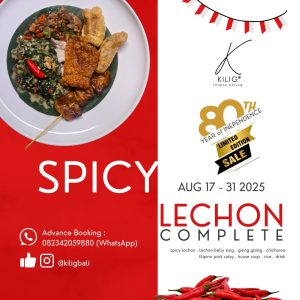
A centerpiece of any grand feast, lechon—roasted over charcoal and often stuffed with lemongrass and banana leaves—has become a symbol of Filipino celebration worldwide. When Anthony Bourdain called it the best pig ever, global audiences listened, and it became a pilgrimage dish for heritage tourism enthusiasts and international travelers.
Halo-Halo: The Ultimate Mixed Dessert
Halo-halo is a summer mountain of shaved ice, sweet beans, jellies, and ube ice cream. It’s the edible equivalent of a colorful jeepney and a vivid invitation for food bloggers to capture a truly unique global cuisine experience.
Ube: The Purple Phenomenon
From donuts to lattes, ube has conquered Instagram. Its vibrant purple hue and nutty, vanilla-like sweetness have made it a darling of fusion cuisine, showing how a traditional Filipino tuber can become a global menu superstar.
Where Travelers Can Savor Authentic Filipino Flavors Abroad
For international travelers and authentic cuisine seekers, the hunt for regional specialties has never been easier. Neighborhoods with high concentrations of overseas Filipinos—like Woodside in Queens, Artesia in California, or Earl’s Court in London—are dotted with restaurants where traditional recipes shine. Food tours now specifically cater to cultural travelers, with stops that include live cooking class participants experiences where you grill lechon or stir-fry pancit under an expert’s eye.
Hospitality professionals and restaurant owners in these enclaves aren’t just feeding guests; they’re reenacting Filipino hospitality, ensuring every visitor leaves feeling like family. If you want to go deeper, keep an eye out for annual food festivals like the Filipino Food Crawl in Toronto or Savor Filipino in Los Angeles.
The Role of Fusion Cuisine and Modern Innovation
While purists guard heritage cooking, a new wave of chefs uses fusion cuisine to introduce Filipino flavors to skeptical diners. A sisig taco or an ube cheesecake might raise eyebrows, but these creations act as a gentle introduction, a form of cultural exchange that respects the original while acknowledging the hybrid reality of the Filipino diaspora.
Food historians point out that the cuisine has always been a melting pot—Chinese, Spanish, and American influences are baked into lumpia and lechon. Adding Japanese or Mexican twists simply continues a centuries-old tradition of adaptation. This is how Filipino Culinary Traditions Thrive Beyond the Philippines: they stay strong enough to be recognizable yet flexible enough to embrace local ingredients anywhere.
Why Filipino Culinary Traditions Thrive Beyond the Philippines Will Continue to Flourish
The engine behind this global movement is not a single celebrity chef—it’s the collective power of overseas Filipinos, home cooks, and passionate culinary enthusiasts. As long as there is a family recipe being handwritten or remembered, as long as food festivals fill public parks with the aroma of grilled banana leaves and coconut milk, the traditions will not merely survive; they will shape the future of global cuisine. For students, lifestyle readers, and cultural researchers alike, there has never been a more exciting time to explore a cuisine that carries the warmth of Filipino hospitality onto every plate.
Useful Resources
Dive deeper with these curated reads that detail the rise of Filipino food and where to find the best plates across the globe.
- Eater’s Guide to Essential Filipino Restaurants Worldwide – A regularly updated map by food critics covering everything from hole-in-the-wall spots to fine dining.
- PBS Food: The Filipino Food Diaspora – An insightful feature on how immigrant families turned regional cooking into an international movement.
Frequently Asked Questions About Filipino Culinary Traditions Thrive Beyond the Philippines
How do Filipino culinary traditions thrive beyond the Philippines?
They thrive through the Filipino diaspora, overseas communities, and a renewed interest in heritage cooking. Family recipes and traditional methods are preserved in immigrant kitchens and showcased at food festivals, turning regional staples into global cuisine sensations. For a related guide, see Role of Food in Filipino Religious Celebrations: 7 Essential Traditions.
Why is Filipino cuisine becoming more popular around the world?
It offers a unique flavor profile that blends sweet, sour, and umami. The rise of food media, travel bloggers, and cultural exchange has spotlighted dishes like adobo and lechon, while second-generation Filipinos creatively fuse tradition with modern dining trends.
How do overseas Filipino communities preserve traditional recipes and cooking methods?
They rely on handwritten family recipes, community elders, and cooking classes. Many adapt dishes to local ingredients while maintaining core techniques, such as slow-braising in banana leaves or using coconut milk, ensuring the heritage cooking stays intact.
What role do Filipino restaurants play in sharing the country’s food culture internationally?
They serve as cultural embassies. From fine-dining establishments to food trucks, Filipino restaurants introduce international travelers to regional specialties and offer an authentic taste of Filipino hospitality, often becoming gathering spots for immigrant communities.
Which Filipino dishes are most recognized outside the Philippines?
Adobo, sinigang, pancit, lumpia, lechon, halo-halo, and ube are the seven most globally recognized. Lechon gained international fame after Anthony Bourdain’s endorsement, while ube has become a trendy dessert ingredient worldwide.
How has Filipino cuisine evolved while maintaining its cultural identity abroad?
Through careful fusion cuisine that respects original flavors. Chefs mix traditional recipes with local ingredients—like adding calamansi to a French sauce or serving sisig on tacos—without losing the essence of dishes that represent heritage cooking.
Where can travelers experience authentic Filipino food outside the Philippines?
Major cities like Los Angeles, New York, London, and Dubai have vibrant Filipino enclaves. Annual food festivals, pop-up markets, and cooking classes led by overseas Filipinos are excellent starting points for authentic cuisine seekers.
How do second-generation Filipinos help preserve culinary traditions?
They document family recipes on social media, open modern restaurants, and write cookbooks. Their bilingual and bicultural fluency allows them to translate the warmth of Filipino hospitality for a global audience.
What makes Filipino cuisine appealing to global audiences?
Its layered flavors, colorful presentation, and the story of the diaspora behind every dish. Ingredients like coconut, ube, and calamansi offer novelty, while the comforting nature of sinigang and pancit resonates across cultures.
How do Filipino culinary traditions continue to connect culture, family, and heritage across generations?
Through community celebrations and shared meals. Whether it’s a lechon roast at a baptism or teaching a grandchild to roll lumpia, food becomes the bridge that carries traditions forward regardless of geography.
What is the significance of adobo in Filipino culinary identity?
Adobo is considered the unofficial national dish. Its simple base of vinegar and soy sauce represents the resourcefulness of Filipino cooking, and every family has a slightly different version, making it a deeply personal heritage food.
How does the use of banana leaves and coconut milk reflect indigenous cooking?
Banana leaves impart a subtle grassy aroma and keep food moist when steaming or roasting, a technique rooted in pre-colonial cooking. Coconut milk adds richness and is a staple in regional specialties from Bicol to Visayas, showing the tropical identity of the cuisine.
What are common challenges for Filipino home cooks abroad?
Sourcing authentic ingredients like calamansi or fresh banana leaves can be tough. Many adapt by growing their own herbs or substituting with available local items, but never compromising on the techniques passed down through family recipes.
How do Filipino food festivals contribute to cultural pride?
They turn private kitchen traditions into public celebrations. Festivals unite immigrant communities and invite cultural travelers to experience heritage cooking directly, reinforcing a proud Filipino identity through global cuisine. For a related guide, see Why Traditional Filipino Food Still Matters in a Modern World.
What is ube’s role in the global dessert scene?
Ube has transcended borders as a dessert ingredient in doughnuts, ice cream, and pastries. Its eye-catching purple color and mild sweetness make it a favorite for food bloggers and fusion cuisine enthusiasts.
How has calamansi influenced global cocktails and marinades?
Bartenders and chefs worldwide now use calamansi for its sharp yet floral acidity. It brightens cocktails, ceviches, and marinades, introducing a distinctly Filipino citrus note into international menus.
What cooking classes teach Filipino cuisine abroad?
Cooking schools in cities like San Francisco, London, and Singapore offer hands-on lessons in adobo, lumpia, and pancit. These classes are popular among culinary tourists and home cooks wanting to learn traditional recipes from seasoned overseas Filipinos.
How do Filipino chefs incorporate local ingredients in foreign countries?
They creatively substitute—using local sour fruits for sinigang when tamarind is unavailable, or serving lechon with regional sauces. This flexibility keeps heritage cooking alive while embracing the realities of immigrant kitchens.
What is the impact of Filipino hospitality on restaurant experiences?
Filipino hospitality transforms dining into a warm, familial event. Guests are often treated like relatives, and chefs will share stories behind regional specialties, making the meal a true cultural exchange and a highlight for international travelers.
How do family recipes maintain authenticity across generations?
Through oral storytelling and hands-on teaching. Grandparents show grandchildren exactly how to layer banana leaves or when to add coconut milk, ensuring that even if the location changes, the soul of the dish remains untouched.
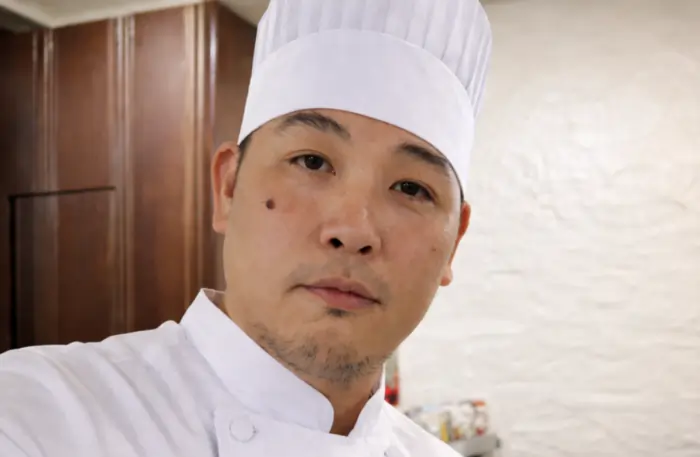
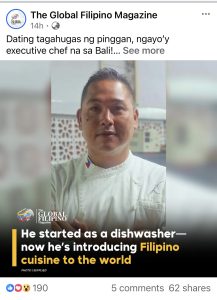
Chef Juan Gadi brings the heart of Filipino hospitality to Ubud, Bali. As an Executive Chef and consultant, he specializes in creating intimate, curated dining experiences that tell a story through every dish. Whether leading the kitchen at Kilig Filipino Warung or hosting a private villa dinner, Chef Juan’s approach is defined by warmth, modern technique, and a commitment to culinary excellence.