
Filipino Culinary Traditions Adapt Across Different Islands Key Takeaways
The Philippines’ 7,641 islands have shaped a cuisine that shifts dramatically with geography, climate, and history.
- Filipino Culinary Traditions Adapt Across Different Islands because local ecosystems dictate which ingredients—native rice, coconut milk, fresh seafood, mountain vegetables—appear on the plate.
- The three main island groups—Luzon, Visayas, and Mindanao—offer vastly different culinary signatures, from the rich, slow-cooked stews of the north to the fiery, spice-forward flavors of the south.
- Festivals, heirloom recipes, and indigenous knowledge keep regional food cultures vibrant, while modern chefs like Chef Juan Gadi bring those traditions to global tables through storytelling and technique.

Why Filipino Cuisine Is a Mosaic of Island Flavors
Walk through any local market in the Philippines and you’ll see the blueprint of regional identity. In Baguio, mountain vegetables like sayote and fern fiddleheads fill baskets; in Davao, durian and marang perfume the air; along the coasts of Cebu, glistening fresh seafood arrives by the kilo. This isn’t just variety—it’s the direct result of how Filipino culinary traditions respond to the land and sea. The archipelago’s fractured geography turned each island into a small culinary laboratory, preserving indigenous ingredients and techniques long before colonization swept through.
Geography does more than supply ingredients. It shapes preservation methods, trading patterns, and even the rhythm of meals. In the typhoon-prone north, Ilocano dishes lean on fermented fish paste and dried meats to survive lean seasons. In the calm, turquoise waters of the Visayas, kinilaw—a ceviche-like dish of raw fish cured in vinegar and coconut milk—became a no-fire cooking method ideal for island living. To the south, in Mindanao, abundant tropical fruits and spices like turmeric and burnt coconut define Mindanao cuisine, a profile rarely found in northern kitchens. This diversity means that a traveler who samples only adobo or sinigang in Manila has barely scratched the surface of Filipino food culture. For a related guide, see How Filipino Food Reflects the Spirit of Island Living.
Luzon: The Heart of Savory Stews and Culinary Heritage
Luzon, the largest island, is often the starting point for Filipino food explorers. Here, Luzon cuisine is shaped by expansive rice paddies, cool highlands, and centuries of trade with China and Spain. The Kapampangan cuisine of Central Luzon is revered as the culinary capital, turning humble ingredients into aristocratic fare. Adobo—braised meat in vinegar, soy sauce, and garlic—may be a national icon, but Pampanga’s version uses native rice vinegars and slow cooking to achieve a caramelized depth that defines heirloom recipes. Further north, Ilocano dishes like pinakbet (a vegetable stew with bagoong) and bagnet (deep-fried pork belly) demonstrate a practicality born from a rugged, coastal landscape. Here, local ingredients like sukang Iloko and garlic are so central that they become the dish itself.
Travel south within Luzon and you’ll find Bicol cuisine exploding with coconut milk and chili peppers. Laing—taro leaves simmered in coconut cream with shrimp paste—shows how the region’s abundant coconut trees transformed into a creamy, spicy cornerstone. Sinigang, the tangy tamarind soup, appears everywhere but in Bicol it often stars with gabi (taro) for extra body. Luzon is also where fiestas reflect regional pride: in Lucban, the Pahiyas festival covers houses in colorful mountain vegetables and rice decorations, while in Vigan, longganisa-making is a communal art. These traditional Filipino food events aren’t spectacles; they’re living classrooms where family recipes pass from generation to generation. For Chef Juan Gadi, Luzon’s layered traditions offer endless inspiration: “When I cook a simple adobo for guests in Bali, I’m not just sharing a recipe—I’m sharing the story of a family in Pampanga who taught me that patience can turn vinegar and soy into silk.”
Visayas: Where the Sea Dictates the Menu
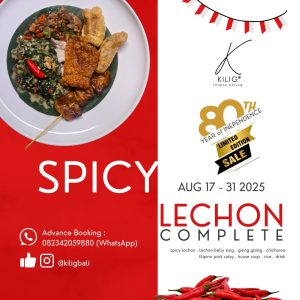
The central islands of the Visayas turn the Filipino kitchen into a seafood lover’s dream. Visayan cuisine is bright, clean, and fiercely dependent on what the morning catch brings. In Cebu, lechon—a whole roasted pig—isn’t just food; it’s a cultural emblem, its skin crackling and flesh seasoned with nothing more than salt, lemongrass, and pride. This regional Filipino cuisine is a testament to how an island’s resources shape celebration. Along the coasts, kinilaw takes center stage, using fresh seafood like tanigue (Spanish mackerel) cured in vinegar, ginger, and sometimes coconut milk. Unlike the heavier preparation in other regions, Visayan kinilaw is a study in acid-led freshness—perfect for tropical heat.
Iloilo’s pancit molo—a wonton soup dressed as a noodle dish—reflects Chinese-Filipino influences that arrived through port trade, while Negros Occidental’s chicken inasal (grilled chicken basted with annatto) speaks to traditional cooking methods using open flames and bamboo. Indigenous communities in the Visayas, particularly in Panay and Negros, preserve dishes that rely on indigenous ingredients like batwan, a souring fruit rarely seen outside the region. These authentic Filipino cuisine practices survive because families continue to cook for gatherings, not restaurants. A food traveler eating their way through the Visayas quickly learns that geography here is destiny: where there’s sea, there’s ceviche; where there’s sugar cane, there’s a sticky, slow-cooked dessert waiting at a fiesta.
Mindanao: A Spice-Tinged Frontier of Tropical Abundance
Mindanao’s culinary landscape feels like a different country—and in many ways, it is. Mindanao cuisine is heavily influenced by Malay, Indonesian, and Islamic traditions, resulting in dishes that use turmeric, burned coconut, and complex spice pastes. In the west, dishes like piyanggang (grilled chicken in coconut milk and burnt coconut) show how Filipino culinary heritage absorbs indigenous Maguindanao and Maranao knowledge. Fresh seafood is still central, but the treatment is bolder: tuna from General Santos is often served as sinuglaw, a marriage of grilled pork belly and kinilaw, dressed in vinegar and chili. Tropical fruits like lanzones, mangosteen, and pomelo are eaten alongside meals, not just as dessert—a practical choice that cuts through richness.
Indigenous communities in the highlands, such as the T’boli and Bagobo, cook with what the forest provides. Wild mountain vegetables, native rice varieties, and foraged herbs go into simple soups and stews that rarely see a recipe card; they exist in memory and touch. This is Filipino cooking at its most elemental, and it’s kept alive not in restaurants but in family kitchens and during gatherings like the Kaamulan festival. For those asking how migration shapes island cuisines, Mindanao offers a living answer: centuries of trade with nearby Sulawesi and the Middle East introduced spices and cooking vessels that melded with native practices, creating a regional food culture that is distinctly Filipino yet globally resonant. When Chef Juan Gadi sources young coconut and turmeric for a private dinner, he channels this Mindanaoan instinct—using what’s abundant, local, and meaningful to tell a story of place.
A Chef’s Perspective: Bringing Island Traditions to the Global Table
Chef Juan Gadi, who curates intimate Filipino dining experiences in Ubud, Bali, sees the archipelago’s culinary diversity as his greatest asset. “When I host a villa dinner, I might serve laing from Bicol, a kinilaw inspired by Cebu, and a dessert using Davao cacao—all in one evening. It’s a journey across islands, and guests feel that connection,” he explains. His approach—rooted in Filipino hospitality and a modern respect for technique—shows how culinary traditions adapt not only across islands but across borders. For Chef Juan, every dish carries the fingerprint of its origin: the coconut milk in laing isn’t just a fat; it’s a reminder of Bicol’s typhoon-resistant trees. The vinegar in adobo speaks of a time without refrigeration. Filipino gastronomy is a map, and chefs like him are cartographers for a global audience. For a related guide, see How Filipino Cooking Traditions Thrive in Bali’s Culinary Scene: Essential Insights from Chef Juan Gadi.
This philosophy matters for home cooks and food travelers alike. Understanding why regional Filipino cuisine differs lets you shop smarter, cook with intention, and order at local eateries with confidence. When you know that family recipes in Iloilo rarely use soy sauce because they prefer salt and broth, you begin to taste the subtlety. When you recognize that food travel Philippines is about connecting geography to flavor, a simple bowl of pancit becomes a lesson in Chinese influence and local noodle-making traditions. Filipino food is never just food—it’s identity on a plate, and that identity shifts beautifully from one island to the next.
Useful Resources
For a deeper dive into Filipino culinary heritage and regional specialties, explore the official Philippine tourism food guide and cultural archives that document heirloom recipes.
Frequently Asked Questions About Filipino Culinary Traditions Adapt Across Different Islands
How do Filipino culinary traditions adapt across different islands?
They adapt through the use of local ingredients, indigenous preservation methods, and the influence of natural geography. Coastal islands rely on fresh seafood and vinegar-based curing like kinilaw, while inland communities use fermented products and slow-cooked stews to maximize grains and vegetables.
Why does Filipino cuisine vary from one island to another?
Variation stems from distinct ecosystems, historical trade routes, and cultural settlements. An island’s primary crops—whether rice, coconut, or corn—determine its staple dishes, and centuries of contact with Chinese, Spanish, and Southeast Asian traders introduced new techniques that blended uniquely with local tastes.
How do geography and climate influence regional Filipino cooking?
Typhoon paths in the north encouraged preservation through fermentation and drying, creating dishes like bagoong and dried fish. Warmer southern climates support a year-round bounty of tropical fruits and spices, which led to heavier use of chili, turmeric, and coconut milk in Mindanao cuisine.
What local ingredients make each island’s cuisine unique?
Luzon features mountain vegetables, Ilocano vinegar, and native rice varieties; the Visayas highlight fresh seafood, batwan souring fruit, and sugarcane for lechon; Mindanao uses turmeric, burnt coconut, and exotic fruits like durian and marang.
How do Luzon, Visayas, and Mindanao differ in their traditional dishes?
Luzon is known for heavy, savory stews like adobo and sinigang, plus coconut-rich Bicol cuisine. Visayan food is lighter and seafood-driven with kinilaw and inasal. Mindanao offers bold, spice-forward profiles with piyanggang and sinuglaw, often halal and influenced by Islamic traditions.
What role do indigenous communities play in preserving regional food traditions?
They are the primary keepers of forest ingredients, heirloom rice varieties, and oral recipes. Communities like the T’boli and Ifugao maintain cooking methods that predate colonization, passing knowledge through hands-on learning rather than written records.
How have migration and cultural influences shaped island cuisines across the Philippines?
Chinese traders brought noodles and spring rolls, which evolved into pancit; Spanish colonizers introduced tomato-based sauces and meat dishes like lechon; Malay and Arab traders gave Mindanao its rich spice culture. Internal migration further blended these traditions, creating hybrid dishes in urban centers.
What regional Filipino dishes should travelers try when visiting different islands?
Try bagnet and pinakbet in Ilocos; laing and Bicol express in the south Luzon; lechon and kinilaw in Cebu; chicken inasal in Iloilo; and piyanggang or pastil in Mindanao. Each dish offers a direct taste of the island’s environment.
How do family recipes and local festivals keep culinary traditions alive?
Recipes are rarely written; they’re taught during daily cooking and grand fiestas. Events like Pahiyas and Kaamulan turn food into a community expression, where younger generations learn by doing, ensuring techniques survive.
Why do Filipino culinary traditions remain diverse while reflecting a shared national identity?
Despite regional differences, core values like communal eating, sour-salty balance, and hospitality unite the cuisine. Adobo, sinigang, and lechon appear in every region but with local twists, creating a shared foundation that still celebrates island individuality.
What is the significance of coconut milk in Filipino cooking?
Coconut milk acts as a cooking medium, flavor base, and preservative—especially in Bicol and Visayan dishes. It transforms simple vegetables and seafood into rich, comforting meals and is a testament to the Philippines’ tropical geography.
How does Filipino hospitality manifest in regional dining?
Every region shares an ethos of abundance and welcome. In many homes, a guest is immediately offered food, often the best the family has. This translates into the restaurant scene as well, where servers treat diners like family.
Are there vegetarian options in traditional Filipino cuisine?
Yes. Pinakbet, laing (without shrimp paste), ginataang sitaw, and many fresh lumpia are naturally plant-based. Indigenous mountain cuisines also rely heavily on vegetables and foraged greens, reflecting a sustainable approach.
What makes kinilaw different from Latin American ceviche?
Kinilaw uses Filipino souring agents like native vinegar, calamansi, or tabon-tabon fruit, and often incorporates coconut milk for creaminess. The fish is cured without citrus juices like lime, giving it a milder acid profile and a distinctly Southeast Asian taste.
How are heirloom rice varieties preserved in the Philippines?
Indigenous communities in the Cordilleras cultivate native rice terraces using ancestral farming practices. These varieties are passed down through ritual and practical agriculture, maintaining biodiversity and cultural identity.
Is Filipino food formally recognized on the global culinary stage?
Recognition is growing. Filipino restaurants worldwide are earning Michelin stars, and dishes like sisig and halo-halo appear on international menus. Organizations like DOT’s food travel campaigns further promote the country’s gastronomic heritage.
What traditional cooking methods are still used across the islands?
Bamboo tube cooking, clay pot (palayok) stewing, and open-fire grilling remain common, especially in rural areas. The lechon roasting pits of Cebu and the earth ovens used in parts of Mindanao preserve flavors that modern equipment can’t replicate.
How do local markets reflect regional Filipino food culture?
Markets are microcosms of the island’s agriculture. A Baguio market overflows with temperate vegetables; a Davao market bursts with tropical fruit and tuna; a Palawan market sells cashews and sea grapes. The stalls teach you what grows where and why.
Can you find all regional dishes in Manila?
Manila acts as a culinary melting pot, and dedicated restaurants and carinderias serve regional specialties, but the taste can differ from the original due to ingredient sourcing. For the most authentic experience, traveling to the island of origin is still best.
How can home cooks start exploring Filipino regional cuisine?
Begin with one island’s cuisine, source authentic ingredients (like coconut vinegar, bagoong, or calamansi), and follow family recipes from heritage cookbooks or online community groups. Cooking workshops in the Philippines also offer hands-on immersion.
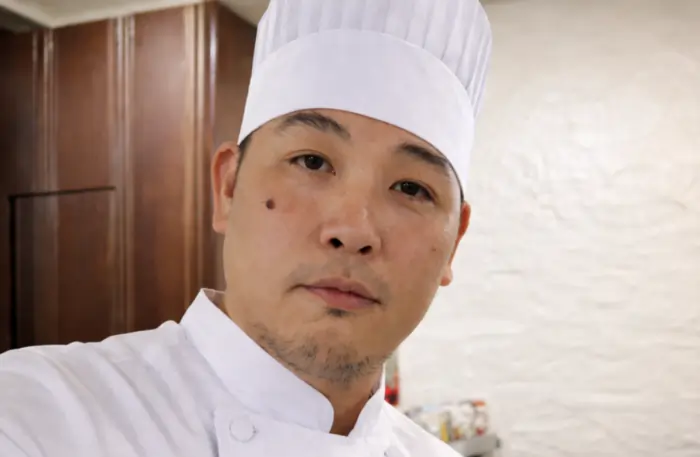
Chef Juan Gadi brings the heart of Filipino hospitality to Ubud, Bali. As an Executive Chef and consultant, he specializes in creating intimate, curated dining experiences that tell a story through every dish. Whether leading the kitchen at Kilig Filipino Warung or hosting a private villa dinner, Chef Juan’s approach is defined by warmth, modern technique, and a commitment to culinary excellence.