
Influence of Fishing Communities on Filipino Food Culture Key Takeaways
The Influence of Fishing Communities on Filipino Food Culture runs deeper than any recipe.
- The Influence of Fishing Communities on Filipino Food Culture is the lifeblood of Filipino food culture , turning coastal communities Philippines into guardians of flavor and seafood cuisine Philippines .
- From fresh seafood markets to fishermen traditions , every region’s regional specialties tell a story of sustainable fishing and family recipes passed down through generations.
- Travelers and food lovers who embrace coastal cuisine and island food culture discover that true Filipino hospitality begins where the sea meets the shore.
The Heartbeat of Filipino Food Culture: How Coastal Communities Philippines Shape Every Meal
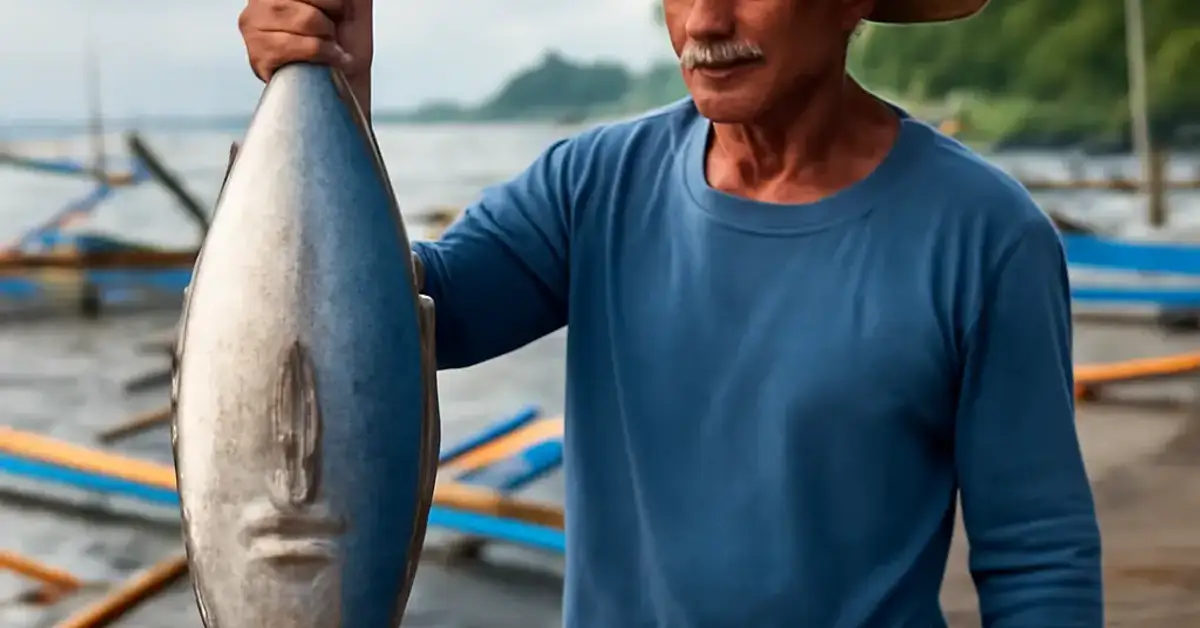
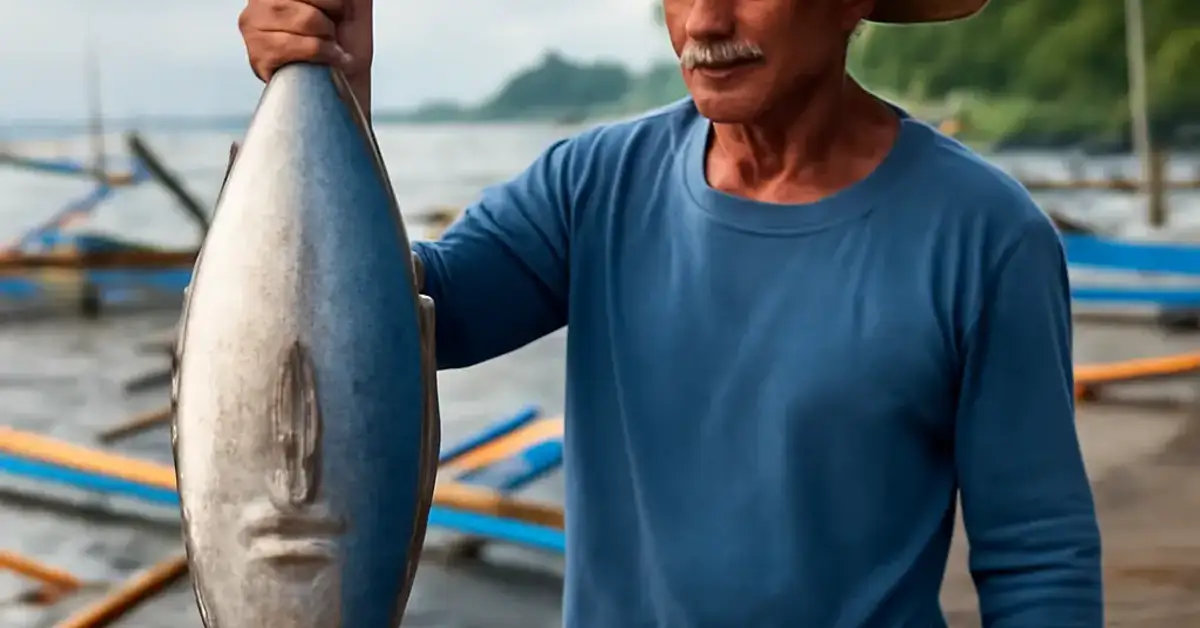
Before the sun breaks over the Sulu Sea, the coastal villages of the Philippines are already alive with a rhythm as old as the islands themselves. The soft scrape of wooden bangka hulls against sand, the murmur of fishermen traditions in hushed Visayan, and the first silver flashes of bangus and sardines in handwoven nets. This daily ritual isn’t just a livelihood—it’s the heartbeat of Filipino food culture.
For an archipelago of over 7,000 islands, the Influence of Fishing Communities on Filipino Food Culture is not one ingredient; it’s the entire pantry. Coastal communities Philippines have shaped what the world now recognizes as seafood cuisine Philippines—a vibrant tapestry woven from fresh seafood, shellfish, seaweed, and the briny depth of bagoong and shrimp paste. Every meal is a conversation between the land, the tides, and the hands that harvest them.
From Boat to Table: The Daily Catch and Local Markets
Walk through any local market in a coastal village like those in Roxas City or Palawan, and you witness the real-time translation of fishing livelihoods into culinary gold. As Chef Juan Gadi recalls from his travels, “I remember standing in the wet market of General Santos at 5 a.m., watching a fisherman’s wife expertly butterfly a bangus while her husband recounted how they escaped a sudden squall. That fish became a grilled fish lunch that tasted of the sea and courage.” These are the stories that season traditional Filipino food.
Fresh seafood doesn’t travel from a distributor—it moves from the boat to the stall, often still glistening. The connection between island communities and their kitchens is immediate, ensuring that the marine ingredients used in sinigang na isda or kinilaw retain an unmistakable sweetness that no cold storage can replicate.
Traditions Passed Down: Traditional Preservation Methods and the Art of Dried Fish
Not every catch reaches the pan the same day. The rhythm of fishing also gave rise to extraordinary traditional preservation methods that define Filipino gastronomy. Under the tropical sun, rows of dried fish (bulad) scent the air with an unapologetic umami. Smoked fish (tinapa) retains a whisper of the mangrove embers that cure it. And let’s not forget bagoong—the fermented shrimp paste that is the soul of dishes like pinakbet and green mangoes everywhere.
These techniques, honed by generations of fishermen traditions, ensure nothing is wasted and every flavor is intensified. They are the original backbone of coastal cuisine, allowing inland regions to taste the sea months after the tides receded.
Iconic Dishes that Define Filipino Coastal Culture
When you ask what role fishing communities play in Filipino food culture, the answer arrives on a banana leaf. It’s the kinilaw—the oldest surviving seafood cuisine Philippines preparation—where fresh seafood is “cooked” by the acidity of vinegar and the zing of calamansi. In a coastal home in Bantayan Island, Chef Juan learned this firsthand. “A fisherman named Lando taught me the secret: the coconut milk must be the first pressing, so it’s richer, and you only add it when the fish has already whitened. The result isn’t a dish; it’s a memory of the sea.” For a related guide, see How Filipino Culinary Traditions Adapt Across Different Islands.
Beyond kinilaw, the repertoire expands. Sinigang na isda (sour fish soup) is the comfort of every island home, its broth made complex by tamarind or tomatoes, and the fish—whether bangus, grouper, or shellfish—melts under the wooden spoon. Then there’s the simplicity of inihaw na isda (grilled fish), stuffed with seaweed or simply brushed with shrimp paste-infused oil, eaten with sea-kissed fingers.
Regional specialties shine here: the vibrant sardines of Dipolog bottled in Spanish-style oil, the smoked fish of Cebu’s Taboan market, and the dried fish that completes a traditional almusal (breakfast) with garlic rice and eggs. Every marine ingredient—from the humble seaweed salad to the festive shellfish platter—narrates the diversity of the country’s island communities.
The Role of Local Markets in Connecting Fishermen to Filipino Kitchens
What role do local markets play in connecting fishing communities with Filipino cuisine? They are the lungs of the Influence of Fishing Communities on Filipino Food Culture. Without the vibrant palengke, the delicate thread from sea to stew would snap. A traveler wandering through Baguio’s wet market might miss the fish section’s significance, but a closer look reveals fishing livelihoods displayed on ice: the haul of the night’s pamandag (night fishing) laid out by the families who caught it.
Chef Juan notes, “When I curate a private dinner in Ubud, I source everything from memory first. I remember the vendor in Dagupan who taught me to pick the sweetest bangus by checking the belly. That’s the intangible I bring to Bali—the wisdom of coastal communities Philippines.” These markets are not just places of exchange; they are classrooms where family recipes are handed down alongside a kilo of fresh seafood.
Island Environments and Sustainable Fishing: Preserving the Philippine Culinary Heritage
How do island environments influence Filipino cooking traditions? The answer lies in the delicate balance between sustainable fishing and culinary identity. The coastal communities Philippines know intuitively that protecting the reef means protecting the table. In the Tubbataha region, fishermen traditions include strict no-catch zones that allow marine life to flourish, directly preserving the quality of seafood cuisine Philippines.
This harmony extends to how traditional Filipino food is prepared. The use of coconut milk in dishes like ginataang isda isn’t just for richness; it’s a reflection of the island food culture that marries the sea with the land’s bounty. Seaweed, harvested by women divers, becomes a crisp, nutritious salad that only exists because of the clean coastal waters. When a community’s livelihood depends on the sea, their coastal cuisine becomes an act of conservation.
A Chef’s Reflection: How Fishing Communities Inspire My Cooking
As an Executive Chef in Ubud, Bali, my kitchen at Kilig Filipino Warung is 2,000 kilometers from the Philippine shoreline. Yet, the Influence of Fishing Communities on Filipino Food Culture is the anchor of every menu I write. The simplicity of a grilled fish with bagoong butter, the theatricality of a kinilaw served in a coconut shell, the nostalgia of sinigang na isda that reminds a Filipino traveler of home—all of it comes from those coastal villages I visited as a young cook.
I’ve learned that Filipino hospitality isn’t a script; it’s the fisherman’s instinct to offer you the best share of the catch, even when you’re a stranger. My private dining experiences are built on this principle: intimate, generous, and deeply rooted in authentic Filipino cuisine. When I prepare dried fish pasta for a guest in a Ubud villa, I’m channeling the San Fernando fisherfolk who taught me that preserving isn’t just about saving food—it’s about preserving a way of life.
Why Travelers Should Seek Coastal Filipino Food Experiences
What can travelers learn from coastal Filipino food experiences? That the Philippine culinary heritage is not behind a museum glass; it’s on a seawall at sunset, eating grilled fish straight from the coals, the skin crackling with sea salt. Travelers immersed in food travel Philippines discover that regional specialties like the sardines of Zamboanga or the shellfish soups of Capiz aren’t just meals—they’re invitations into the heart of Filipino food culture. For a related guide, see What Bali Travelers Can Learn Through Filipino Food Culture.
These immersive experiences, whether a local market tour in Cebu or a cooking class in a coastal village, connect you to the very fishing livelihoods that make seafood cuisine Philippines so alive. As Chef Juan often tells his guests, “To understand the Philippines, you don’t just eat our food. You wade into the water where it began.”
The Influence of Fishing Communities on Filipino Food Culture is the quiet, persistent current that has carried traditional Filipino food through centuries. From the fishermen traditions that hum before dawn to the family recipes that simmer until noon, these communities are the custodians of the country’s connection to nature. Without them, Filipino dining would lose its soul, its spontaneity, and its sense of place. When we support sustainable fishing and celebrate heritage food, we ensure that this rich Philippine culinary heritage will continue to nourish generations, one fresh seafood feast at a time.
Useful Resources
Dive deeper into the Influence of Fishing Communities on Filipino Food Culture with these trusted sources:
- Philippines Department of Tourism – Food Travel Experiences – Official guide to culinary journeys and coastal communities Philippines.
- Pepper.ph – A Comprehensive Guide to Filipino Food Culture – Explore articles on regional specialties, traditional Filipino food, and more.
Frequently Asked Questions About Influence of Fishing Communities on Filipino Food Culture
What role do fishing communities play in Filipino food culture ?
Fishing communities are the foundation of Filipino food culture, providing the fresh seafood and marine ingredients that define countless regional specialties. Their fishermen traditions shape the preparation, preservation, and storytelling behind every dish.
How have coastal communities Philippines shaped traditional Filipino food ?
Through centuries of fishing livelihoods, coastal communities Philippines have developed traditional preservation methods like dried fish and bagoong, as well as iconic dishes like kinilaw and sinigang na isda that heavily rely on fresh seafood.
Why is seafood an important part of Filipino meals?
As an archipelagic nation, the Philippines’ island communities have always depended on the sea for sustenance. Fresh seafood is affordable, abundant, and infused with the Filipino hospitality that turns every meal into a communal feast.
How do fishing traditions influence local dishes across the Philippines?
Fishing traditions determine what is available and how it’s prepared. In Palawan, seaweed salad features prominently; in Bantayan, grilled fish with shrimp paste is a staple. Each region’s catch and techniques directly create its regional specialties.
What seafood dishes represent Filipino coastal culture ?
Dishes like kinilaw, sinigang na isda, inihaw na bangus, grilled fish with coconut milk, and even delicate shellfish soups are emblematic of Filipino coastal culture, showcasing the purity of marine ingredients.
How do fishermen communities preserve and prepare seafood?
They use traditional preservation methods such as sun-drying (dried fish), smoking (smoked fish), and fermenting (bagoong and shrimp paste). These techniques extend the shelf life of fresh seafood and intensify flavors.
What role do local markets play in connecting fishing communities with Filipino cuisine ?
Local markets act as the daily nexus where fishing livelihoods meet home kitchens. They preserve the direct link from boat to plate, ensuring that traditional Filipino food remains rooted in the freshest possible marine ingredients.
How do island environments influence Filipino cooking traditions ?
The abundance of seaweed, shellfish, and coconut milk in island communities leads to dishes that rely on light, acidic, or creamy broths—perfectly suited to the tropical climate and the coastal cuisine that defines Filipino gastronomy.
What can travelers learn from coastal Filipino food experiences ?
Travelers gain an understanding of Philippine culinary heritage that goes beyond restaurant menus. Participating in food travel Philippines reveals the interdependence between sustainable fishing, family recipes, and true Filipino hospitality.
Why are fishing communities essential to preserving the Philippines’ culinary heritage?
They are the keepers of fishermen traditions and ecological wisdom. By practicing sustainable fishing and passing down family recipes, they ensure that seafood cuisine Philippines and its connection to the sea and nature endure for future generations.
How does Chef Juan Gadi incorporate coastal communities Philippines into his Ubud kitchen?
Chef Juan translates memories of coastal villages into curated dining experiences, using techniques learned from fishermen traditions to prepare authentic Filipino cuisine with fresh seafood and local ingredients that honor heritage food.
What is kinilaw and why is it so important in Filipino food culture ?
Kinilaw is a raw seafood dish cured in vinegar and citrus, considered the oldest seafood cuisine Philippines preparation. It epitomizes the reliance on fresh seafood and is a testament to the Influence of Fishing Communities on Filipino Food Culture.
What are some authentic regional specialties from Philippine coastal villages ?
Dipolog’s bottled sardines, Cebu’s smoked fish, Bicol’s sardines in coconut milk, and Capiz’s shellfish soups are all regional specialties that showcase the diversity of island communities and marine ingredients.
How does bagoong and shrimp paste connect to fishing communities ?
Bagoong and shrimp paste are fermented products stemming directly from fishing livelihoods. Small-scale fishermen’s wives often produce them, turning excess tiny shrimp or fish into the salty umami backbone of many traditional Filipino food dishes.
What is sinigang na isda and how does it reflect Filipino coastal cuisine ?
Sinigang na isda is a sour fish soup that uses any available fresh seafood and whatever souring agent the coast provides—tamarind, calamansi, or tomatoes. It is a perfect example of coastal cuisine adapting to the day’s catch.
Why is bangus (milkfish) so central to Filipino food culture ?
Bangus is the national fish, widely farmed and caught in coastal communities Philippines. Its versatility—from grilled fish to sinigang—makes it a traditional Filipino food staple and a symbol of the Influence of Fishing Communities on Filipino Food Culture.
How do traditional preservation methods like dried fish and smoked fish survive today?
They thrive because they are still profitable for fishing livelihoods and beloved parts of heritage food. Dried fish and smoked fish remain breakfast essentials and are exported, keeping fishermen traditions alive.
What can food travel Philippines teach about sustainable fishing ?
Engaging with coastal communities Philippines through food tourism highlights the importance of sustainable fishing practices, showing how the health of the sea directly correlates to the taste and availability of seafood cuisine Philippines.
How does Filipino hospitality show itself in coastal villages ?
In coastal villages, Filipino hospitality means offering the best part of the catch to visitors, serving huge platters of grilled fish and shellfish without expectation, and welcoming strangers into the family recipes that define their home.
Where can I experience authentic Filipino cuisine focused on the sea?
Visit local markets in Roxas City, dine at open-air grills in Bantayan, or join a food travel Philippines tour in Palawan. For a curated experience abroad, Chef Juan Gadi’s Kilig Filipino Warung in Ubud brings authentic Filipino cuisine to Bali with deep respect for coastal cuisine.
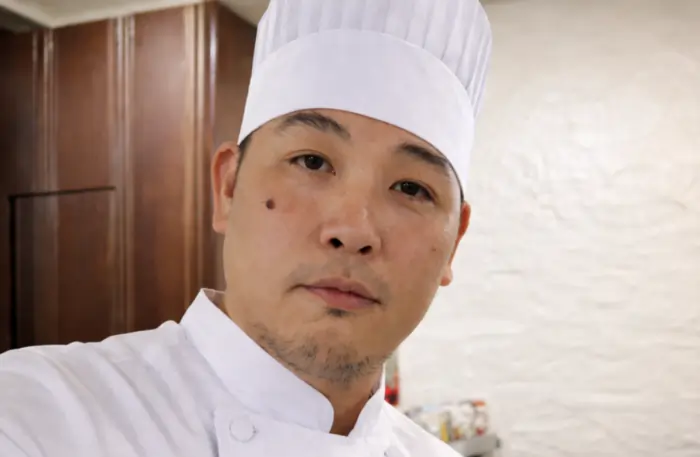
Chef Juan Gadi brings the heart of Filipino hospitality to Ubud, Bali. As an Executive Chef and consultant, he specializes in creating intimate, curated dining experiences that tell a story through every dish. Whether leading the kitchen at Kilig Filipino Warung or hosting a private villa dinner, Chef Juan’s approach is defined by warmth, modern technique, and a commitment to culinary excellence.