Why Every Filipino Province Has a Distinct Food Identity Key Takeaways
Chef Juan Gadi unpacks the 7 proven factors — geography, climate, history, indigenous ingredients, festivals, family recipes, and Filipino hospitality — that make Why Every Filipino Province Has a Distinct Food Identity a delicious truth.
- Geography and climate create distinct pantry ingredients, directly shaping Filipino provincial cuisine
- Centuries of trade, colonization, and migration fused Ilocano cuisine , Kapampangan cuisine , Bicol cuisine , and more into a vibrant culinary mosaic
- Heirloom recipes, local fiestas, and traditional cooking methods preserve a living heritage that travelers can taste at local markets and community kitchens
From the intimate kitchens of Ubud, Bali, I often tell dinner guests that to understand the Philippines, you must first taste its provinces. As an Executive Chef and consultant specializing in curated Filipino dining experiences, I’ve built my career on the belief that Filipino food is a mosaic of micro-cuisines — each shaped by soil, sea, spice, and story. The question Why Every Filipino Province Has a Distinct Food Identity isn’t just academic; it’s the flavor of resilience, creativity, and Filipino hospitality that defines our archipelago. When I plate a sinigang that whispers of sour tamarind from the south or a laing that carries the coconut-rich warmth of Bicol, I’m serving geography on a spoon.
How Geography and Climate Define Why Every Filipino Province Has a Distinct Food Identity
The Philippines is an archipelagic quilt of over 7,600 islands. That fragmentation is the first reason provinces develop unmistakable food personalities. Mountainous highlands breed cool-weather crops; vast plains yield rice granaries; volcanic soils gift particular acidity to fruits; and the surrounding seas dictate whether fresh seafood or freshwater fish dominates the table. This natural pantry is the foundation of Filipino provincial cuisine.
In Luzon cuisine, the northern cordilleras produce rare native rice varieties like tinawon and unoy, best enjoyed with simply grilled river eel. The flatlands of Central Luzon, especially Pampanga, boast culinary richness born from fertile soil and strategic rivers. Travel south to the Visayas, and Visayan cuisine pivots to fresh seafood and island-grown root crops, while the deep seas of Mindanao cuisine introduce turmeric-spiced broths and coconut-laden plates — reflecting a tropical climate that fosters both bold spices and a love for coconut milk as a base. For a related guide, see How Filipino Culinary Traditions Adapt Across Different Islands.
Climate also directs traditional cooking methods. In typhoon-prone Bicol, preservation through kinilaw (vinegar-cured raw fish) and stews thickened with taro leaves became survival skills. Meanwhile, the dry Ilocos coast gave rise to bagoong-fermented condiments and vegetable-heavy dishes that could withstand heat. These environmental pressures are the silent architects of every regional specialty.
A Mosaic of History and Culture: Ilocano, Kapampangan, and Bicol Culinary Traditions
If geography provides the ingredients, history provides the technique. Why Every Filipino Province Has a Distinct Food Identity is inseparable from waves of trade, colonization, and migration. Indigenous communities already had their own traditional cooking methods, but the arrival of Chinese merchants, Spanish colonizers, and Muslim sultanates layered new flavors onto provincial tables.
Take Ilocano cuisine. Its iconic pinakbet — a vegetable stew with bagoong — speaks of a frugal, earthbound life shaped by sparse rainfall and strong winds. The Spanish introduced tomatoes and garlic, which Ilocanos weaponized into a flavor-packed sauté. In contrast, Kapampangan cuisine became known as the “culinary capital of the Philippines” because Kapampangans once manned the Spanish and elite Manila kitchens, mastering European techniques while elevating indigenous ingredients like fermented rice and water buffalo milk. Their adobo variants and elaborate fiestas reflect a province where culinary showmanship is a language of love.
Bicol cuisine is a fiery testament to indigenous Bikolano roots and abundant coconut milk. The volcanic terrain gifts Bicol with pili nuts, while the proximity to the Pacific Ocean explains their affinity for fresh seafood transformed into dishes like sinilihan (a spiced crab in coconut sauce). Chilli heat is a Bicolano signature — a culinary mapping of a warm, humid climate where food preservation often meant cooking with antimicrobial spices. Every bite of Bicolano laing is a history lesson in taro leaves, coconut cream, and dried shrimp.
Iconic Dishes and Local Ingredients: The Taste of Province
To grasp Why Every Filipino Province Has a Distinct Food Identity, one must trace the signature dishes that act as edible passports. While adobo may be national, its soul changes province by province. In Batangas, it’s brewed in strong coffee; in Visayas, it gets a coconut milk finish; in Mindanao, turmeric turns it golden. These variations are not accidents — they are expressions of local food traditions.
Sinigang reveals a province’s preferred souring agent: tamarind in the north, guava near Laguna, santol in Pampanga, or lemongrass and ginger in Mindanao. Then there’s kinilaw, the ancient Filipino ceviche, which in Cebu uses tabon-tabon fruit to neutralize fishy taste, while in Davao it’s drenched in coconut vinegar and chilies. Lechon — whole roasted pig — reaches its zenith in Cebu, where a secret herbal stuffing fills the air during every fiesta. Pancit noodles, of Chinese origin, take local form: pancit habhab in Lucban is eaten on banana leaves without utensils, while pancit malabon in Metro Manila swims in a thick seafood sauce.
Behind each dish is a chorus of tropical fruits and indigenous ingredients: the sour calamansi of every dipping sauce, the sweet mangoes of Guimaras, the salty sea grapes of the Visayas, and the aromatic heirloom rice of the Cordilleras. Visiting local markets in Taboan (Cebu) or San Fernando (Pampanga) is a masterclass in biodiversity — dried fish, shrimp paste, live crabs, and piles of root crops that define a province’s daily diet.
External influences also shaped these regional specialties. The piquancy of Kapampangan sisig — made from pig’s face and chicken liver — was a response to American refrigeration techniques, while the humba of the Visayas and Mindanao (braised pork with black beans) directly echoes Chinese immigrants’ pantry. To taste these dishes is to taste a confluence of worlds. Explore more dishes at TasteAtlas’s Philippine cuisine guide for a deeper dive.
Preserving Heritage: Family Recipes, Fiestas, and Traditional Cooking Methods
Provinces don’t just create food; they protect it. Family recipes are the strongest vaults of heirloom recipes that never appear in cookbooks. A grandmother’s hand-pressed native rice cake in Bulacan, a father’s slow-cooked adobo in Batangas — these are the archives that ensure Why Every Filipino Province Has a Distinct Food Identity survives into the future. For a related guide, see Why Traditional Filipino Food Still Matters in a Modern World.
Fiestas turn these private recipes into public spectacle. In Lucban, Quezon, the Pahiyas Festival decorates homes with kiping (rice wafers) and showcases longganisang Lucban; in Iloilo, Dinagyang features batches of batchoy, a noodle soup born from Chinese-Filipino convergence; in Angeles, Pampanga, the Sisig Festival pays homage to that sizzling dish. Every town fiesta is an edible museum of regional specialties and local food traditions.
Traditional cooking methods also safeguard identity. Trip to the Ilocos and you’ll witness the earthen pot (palayok) simmering pinakbet over wood fire; in the Cordilleras, the kawa (giant wok) still cooks heirloom rice during ceremonies; in Tawi-Tawi, the pagbubod (fermentation) of shark meat in bottles harks back to pre-colonial preservation. These techniques aren’t romantic nostalgia — they actively dictate flavor profiles that modern appliances cannot replicate. Filipino hospitality ensures that any traveler who stumbles upon these kitchens is pulled into the feast, plate first.
A Traveler’s Guide to Philippine Regional Cuisine: Where to Find Authentic Flavors
For the curious traveler, the question Why Every Filipino Province Has a Distinct Food Identity becomes an itinerary. In Luzon, a food crawl through Pampanga’s capital, San Fernando, reveals sisig makers who’ve turned pork cheek into a national obsession. Up north, Ilocos’s Vigan empanada — crispy orange pastry stuffed with Vigan longganisa and egg — is best eaten while walking cobblestone streets.
The Visayan islands offer a mosaic: Cebu’s pungent tuslob buwa (pig brain fondue) in Pasil market, Bacolod’s melt-in-mouth chicken inasal grilled over charcoal, and Iloilo’s La Paz batchoy served at the public market where it was born. Over in Mindanao, Zamboanga’s curacha (spanner crab) in coconut-alfredo sauce and Davao’s tuna panga (jaw) grilled with nothing but salt prove that minimal intervention highlights pristine seas. Lonely Planet’s food experiences guide offers further itinerary ideas.
Immersive experiences deepen understanding. Join a palayok cooking class in Pampanga, harvest seaweed with fisherfolk in Bohol, or learn kinilaw preparation from a Davaoeño chef. Every province’s local markets — from Baguio’s strawberry stalls to General Santos’s tuna docks — are free culinary schools. When you share a meal in a provincial home, you’re not just tasting Filipino hospitality; you’re tasting a place that cannot exist anywhere else.
Useful Resources
For further exploration of Filipino regional food cultures and authentic dishes, these references provide trusted starting points:
- TasteAtlas: Philippine Cuisine — An encyclopedia of ingredients and signature plates across provinces.
- Lonely Planet: Best food and drink experiences in the Philippines — A travel-oriented guide highlighting regional food scenes.
Frequently Asked Questions About Why Every Filipino Province Has a Distinct Food Identity
What gives each Filipino province a unique food identity?
Geography, climate, indigenous ingredients, local history, and cultural exchanges all combine to shape distinct flavor profiles, cooking methods, and signature dishes that distinguish one province from another.
Why does every Filipino province have distinct traditional dishes?
Because each area developed its own pantry based on local flora, fauna, and trade routes, communities improvised with what was available, leading to deeply localized recipes passed down through generations.
How do geography and climate influence provincial Filipino cuisine?
Mountain provinces rely on root crops and cool-weather vegetables, coastal areas favor seafood and coconut milk, while weather patterns dictate preservation methods like drying, fermenting, or smoking.
What local ingredients define regional food specialties?
Ingredients like Bicol’s pili nut, Ilocos’s bagoong, Cebu’s tabon-tabon fruit, Mindanao’s turmeric and coconuts, and heirloom rices in the Cordilleras are just a few examples of how regional pantry items create unique tastes.
How do history and cultural influences shape provincial cooking traditions?
Spanish, Chinese, American, and Islamic influences interwove with indigenous practices. For instance, Chinese stir-frying gave birth to pancit variations, while Spanish stews morphed into caldereta and afritada across provinces.
Which provinces are famous for their signature Filipino dishes?
Pampanga is celebrated for sisig, Cebu for lechon, Iloilo for batchoy, Bicol for laing, Ilocos for pinakbet and empanada, and Davao for grilled tuna jaw, among many others.
How do family recipes and local festivals preserve provincial food culture?
Family kitchens act as archives where techniques are taught by feel, while town fiestas display heirloom dishes for the community, ensuring that younger generations learn to cook and value these traditions.
What can travelers learn by exploring regional Filipino cuisine?
Travelers gain a deeper understanding of Philippine history, ecology, and community bonds. Each dish tells a story of adaptation, celebration, and hospitality that guidebooks often miss.
Where can visitors experience authentic provincial food traditions?
Public markets like Taboan in Cebu, food tours in Pampanga, island homestays in Batanes, community cooking classes in Bohol, and fiestas in virtually every municipality offer direct immersion.
Why does every Filipino province contribute to the diversity, heritage, and rich culinary identity of the Philippines?
Because no single province encapsulates the entire Filipino palate; together, they form a mosaic of tastes that reflects the archipelago’s incredible biodiversity, cultural resilience, and shared love for communal eating.
What is Filipino provincial cuisine ?
It is the collection of distinct regional cooking styles and dishes found across the Philippines, each shaped by local ingredients, environment, and history, from Luzon’s highlands to Mindanao’s coasts.
How does Luzon cuisine differ from Visayan and Mindanao cuisine?
Luzon cuisine ranges from Ilocano vegetable-centric dishes to Kapampangan elaborate meat fare; Visayan cuisine heavily uses seafood and simple grilling; Mindanao cuisine is spicier, reliant on coconut milk and turmeric.
What are common cooking methods in Filipino provincial food?
Grilling over charcoal, stewing in earthen pots (palayok), fermenting with salt or vinegar, steaming in banana leaves, and slow-roasting whole animals are time-honored techniques.
How important is coconut milk in regional Filipino cooking?
Coconut milk is fundamental in Bicol, Visayas, and Mindanao kitchens, used to add richness to stews, balance spiciness, and create creamy sauces in dishes like ginataang langka and chicken adobo sa gata.
What is kinilaw and how does it vary across provinces?
Kinilaw is raw fish cured in vinegar or citrus, often with ginger, chili, and coconut milk. In Cebu, tabon-tabon fruit removes fishiness; in Davao, suka (vinegar) and chilies dominate; in the Visayas, coconut cream is common.
Why is lechon considered the star of many provincial fiestas?
Lechon symbolizes abundance and communal celebration. Cebu’s version, in particular, is famed for its seasoned skin and herb-stuffed belly, drawing huge crowds to festivals year-round.
What tropical fruits are unique to certain provinces?
Guimaras is known for ultra-sweet mangoes, Davao for pomelo and durian, Baguio for strawberries, and Bicol for pili nuts, each adding a distinctive fresh element to local sweets and savories.
How do Filipino hospitality and food intertwine in provincial dining?
Provincial homes welcome visitors with a plate immediately, treating food as a gesture of goodwill. Sharing a home-cooked sinigang or adobo is the purest expression of Filipino hospitality.
What is the role of native rice in provincial Filipino food identity?
Heirloom rices like tinawon, ulikan, and balatinaw carry terroir; their distinct textures and aromas anchor dishes in specific highland provinces and are central to ceremonial meals.
How can home cooks abroad replicate Filipino provincial dishes?
By sourcing substitutes like frozen coconut milk, tamarind paste, and shrimp paste, and by studying family recipes posted by provincial home cooks online. Starting with adobo variations or sinigang is an easy entry point.
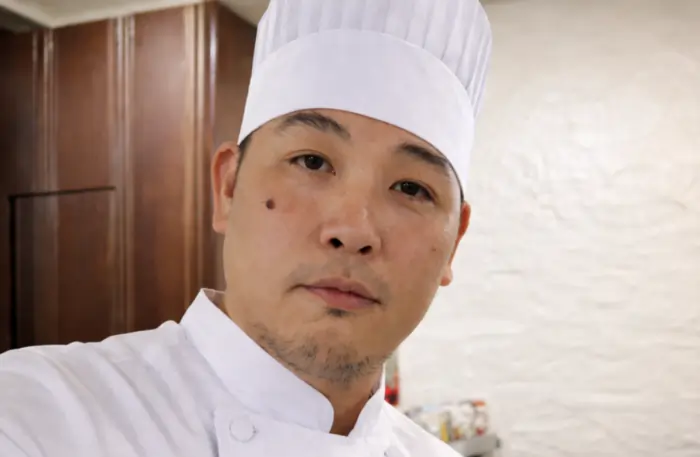
Chef Juan Gadi brings the heart of Filipino hospitality to Ubud, Bali. As an Executive Chef and consultant, he specializes in creating intimate, curated dining experiences that tell a story through every dish. Whether leading the kitchen at Kilig Filipino Warung or hosting a private villa dinner, Chef Juan’s approach is defined by warmth, modern technique, and a commitment to culinary excellence.