Geography Shaped the Evolution of Filipino Cuisine Key Takeaways
How Geography Shaped the Evolution of Filipino Cuisine is a story told through 7,641 islands, towering volcanoes, and monsoon-soaked rainforests.
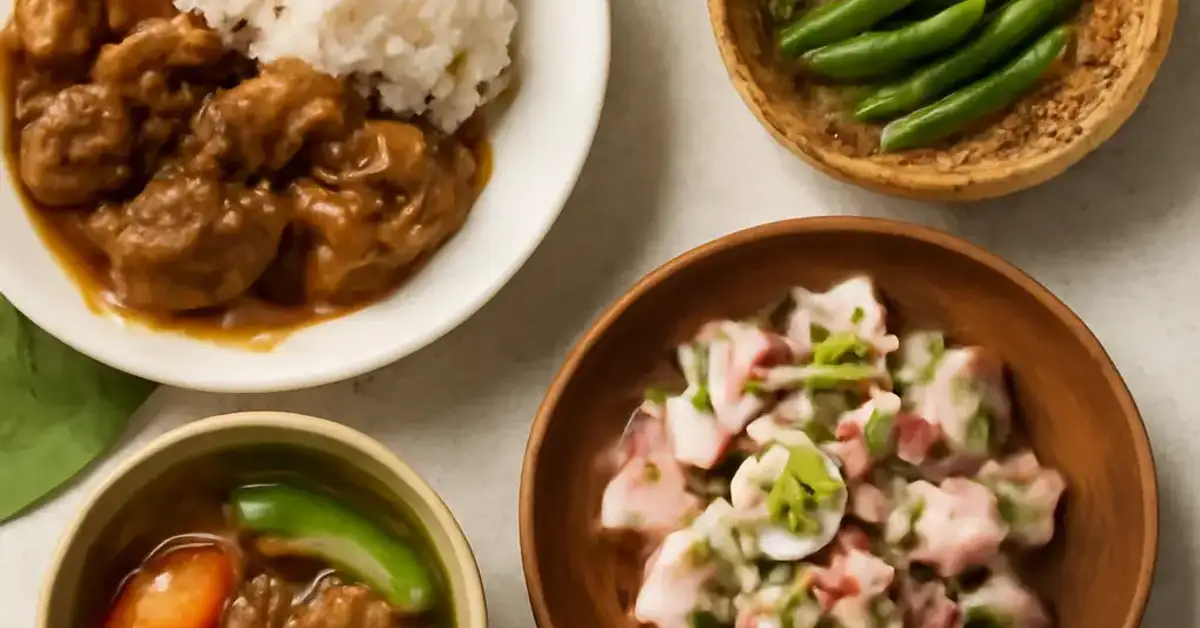
- Geography Shaped the Evolution of Filipino Cuisine by creating distinct regional flavor profiles and regional specialties like adobo , sinigang , and kinilaw .
- The interplay between river systems , fertile farmland , and indigenous ingredients gave rise to a resilient island living food tradition.
- Understanding this culinary geography reveals how local markets , traditional farming , and family recipes sustain Filipino hospitality and heirloom cooking today.

The Archipelago’s Blueprint: How Geography Shaped the Evolution of Filipino Cuisine
Picture a nation splintered into thousands of islands, each with its own shoreline silhouette, soil chemistry, and monsoon temperament. The Philippines is a true archipelago where no two places farm, fish, or feast exactly alike. Geography Shaped the Evolution of Filipino Cuisine from the ground up—literally—because the land, water, and wind dictated what could be grown, caught, and preserved.
On the windward side of a mountain, rain-fed native rice terraces climb like emerald staircases; on the leeward coast, salt pans glitter under a relentless sun. This geographic patchwork forced cooks to adapt local ingredients into dishes that would later be called authentic Filipino cuisine. Over centuries, traditional Filipino food absorbed external influences—Chinese, Spanish, American—but always through the prism of place. The result is a heritage cuisine that still tastes of the soil, the sea, and the rain. For a related guide, see Role Of Indigenous Ingredients In Filipino Food Traditions: 9 Costly Mistakes to Avoid in 2027.
Coastal Bounty: Fresh Seafood and Fishing Traditions Across the Islands
With one of the world’s longest coastlines, the country’s relationship with the ocean defines everyday eating. Coastal communities from Batanes to Tawi-Tawi have built entire food cultures around fresh seafood—grilled milkfish, reef clams in ginger broth, crab fat sautéed in garlic and chili. Fishing traditions remain the pulse of village life; outrigger canoes still bring in the morning catch sold in bustling local markets.
Nowhere is this clearer than in the raw dish kinilaw, the pre-colonial cousin of ceviche. Fishermen toss just-caught tuna or mackerel with vinegar from native palm or coconut, ginger, and chilies—all while their boats sway in the shallows. The ocean is both pantry and plate, and geography has made island living a daily communion with salt water. Because fish spoils quickly in the tropical climate, preservation techniques like drying, smoking, and fermenting became second nature, spawning dozens of regional bagoong (fish paste) varieties that still anchor Filipino cooking.
Inland Abundance: Mountain Regions, River Systems, and Fertile Farmland
Step inland and the landscape shifts from coral to cordillera. Mountain regions like the Cordillera Central and the Sierra Madre act as cool-climate refuges where traditional farming grows heirloom varieties of rice on terraces carved by hand centuries ago. The Ifugao rice terraces, a UNESCO World Heritage site, prove that fertile farmland can be engineered even on steep slopes, yielding native rice grains with distinct aromas and textures prized in ceremonial family recipes.
Meanwhile, the islands’ river systems—the Cagayan, the Agusan, the Pampanga—fertilize vast floodplains where coconut groves and tropical fruits like lanzones, rambutan, and durian thrive. Filipino cooks turn the ubiquitous coconut into gata (coconut milk), which thickens everything from the spicy Bicolano dish laing (taro leaves simmered until velvety) to sweet kakanin rice cakes. This interplay between water, soil, and indigenous ingredients turned the Philippine kitchen into a zero-waste philosophy long before the term sustainable food entered the global lexicon. For a related guide, see How Tropical Ingredients Connect Filipino and Balinese Cuisine.
Regional Specialties: Adobo, Sinigang, Kinilaw, Laing—A Taste of Place
If geography is the stage, then regional specialties are the lead actors. Adobo—braised meat in vinegar, soy sauce, garlic, and peppercorns—might be the national dish, but every province tweaks it. In the Visayas, achuete (annatto) tints the sauce sunset-orange; by the coast, cooks swap pork for squid. Sinigang, a sour soup, uses whatever the backyard or market provides—tamarind in Tagalog regions, guava in the uplands, or kamias in the south—a living map of the island’s acidic native plants.
Kinilaw reflects the fisherman’s immediate geography: in Davao, succulent tuna belly meets coconut vinegar from nearby trees; in Palawan, parrotfish meets wild honey. And laing, with its layers of spicy coconut cream, couldn’t exist without the Bicol region’s coconut plantations and abundant taro. These dishes aren’t just recipes; they’re edible coordinates, each spoonful a lesson in how geography and Filipino cuisine are inseparable.
The Role of Tropical Climate and Indigenous Ingredients in Heirloom Cooking
The Philippines sits squarely in the typhoon belt and the tropics, a tropical climate that delivers both abundance and destruction. This volatility taught early communities to ferment, pickle, and dry—practices that are the foundation of Filipino culinary heritage. Heirloom cooking techniques like buro (fermented rice with fish) and atchara (pickled green papaya) arose from the simple need to survive a week of relentless rain when markets shut down.
Equally important were the indigenous ingredients that needed no cultivation: wild sour leaves (sampalok), peppery ferns (pako), stingless bee honey, and native lime (calamansi). These foraged flavors define family recipes handed down through generations, each household guarding its own ratio of sour, salty, and sweet. The geography didn’t just provide ingredients; it taught the cook to listen to the land, making every dish a dialogue between environment and appetite.
7 Insights into How Geography Shaped the Evolution of Filipino Cuisine
Looking across the islands, Geography Shaped the Evolution of Filipino Cuisine in seven tangible ways that continue to resonate today—whether you’re a food traveler, a home cook, or a cultural researcher.
1. The Archipelago as a Spice Rack. Over 7,000 islands function like separate culinary laboratories, producing a spectacular variety of regional dishes that share a common Filipino soul but wear different flavor profiles.
2. Monsoons Dictate the Menu. The rainy season swells rivers and floodplains, making freshwater fish and swamp greens staples; the dry season concentrates flavors in sun-ripened fruits and sun-dried fish.
3. Coastal Communities Define Sour and Salty. Proximity to the ocean created a palette that craves the clean, sharp acidity of vinegar and citrus—perfectly suited for preserving fresh seafood.
4. Mountain Regions Preserve Heirloom Grains. Upland terraces not only grow native rice but also safeguard genetic diversity, ensuring future generations can taste the same grains their ancestors once offered to gods.
5. River Systems and Fertile Farmland Birth Coconut Culture. Lowland rivers nurture coconut palms and taro, giving rise to creamy, spicy dishes like laing and ginataang bilo-bilo.
6. Local Markets as Living Museums. In every local market, geography comes alive through piles of purple yam, bundles of winged bean, and tubs of hand-harvested sea salt, connecting traditional farming to the dinner table.
7. Filipino Hospitality Transmits Culinary Traditions. The act of sharing food—known as salu-salo—turns geography into generosity. Every feast is a map of the land, served with warmth and Filipino hospitality.
Useful Resources
Explore more about the deep connection between geography and Filipino food through these official and editorial resources.
- Discover Philippine Regional Dishes – The official tourism board’s guide to the country’s diverse food and dining experiences.
- A Brief History of Adobo and the Filipino Kitchen – Eater’s deep dive into how geography and history shaped the national dish.
Frequently Asked Questions About Geography Shaped the Evolution of Filipino Cuisine
How did the Philippines being an archipelago influence its food culture?
The archipelago fragmented the land into distinct ecosystems, so each island developed unique agricultural and fishing patterns. This gave rise to countless regional specialties and a food culture that celebrates local variation within a shared heritage.
What role does the tropical climate play in Filipino cuisine?
The tropical climate supplies a year-round harvest of tropical fruits, spices, and coconut, but also demands preservation techniques like pickling and drying. This climate shapes the sour, fermented, and dried flavors central to Filipino food culture.
Why is fresh seafood so important in the Philippines?
With extensive coastlines and strong fishing traditions, coastal communities depend on the sea for daily protein. Fresh seafood appears in everything from simple grilled fish to complex stews, and kinilaw is the purest expression of this ocean-to-plate ethos.
How do mountain regions contribute to Filipino culinary heritage?
Mountain regions preserve heirloom rice varieties and cool-climate vegetables through traditional farming. The Ifugao terraces show how geography inspired sophisticated agriculture that still feeds communities and protects Filipino culinary heritage.
What is kinilaw and how does it reflect geography?
Kinilaw is raw fish cured in vinegar or citrus, and its ingredients change with location—coconut vinegar in one area, wild lime in another. It embodies the marriage of fresh seafood and local acidity, a direct product of island geography.
Is adobo the same everywhere in the Philippines?
No. Adobo varies from region to region: coconut milk is added in Bicol, turmeric in Mindoro, and achuete in the Visayas. This variation proves how Geography Shaped the Evolution of Filipino Cuisine even within a single dish.
How did river systems affect farming and food?
Major river systems created broad floodplains and fertile farmland, ideal for growing rice, coconut, and taro. These areas became population centers and the birthplace of dishes like laing and rice-based desserts.
What are the most important indigenous ingredients in Filipino cooking?
Indigenous ingredients such as calamansi, coconut, sampalok (tamarind), and native chilies define the sour-spicy-salty trinity. They represent the wild pantry that Filipino cooks have relied on for centuries.
How does Filipino hospitality connect to geography?
Filipino hospitality turns local harvests into abundant feasts. Sharing dishes made from nearby produce and catch reinforces community ties, making every meal a celebration of the land and sea.
Can you explain the concept of island living and local markets?
Island living means life syncs with the tides and seasons. Local markets reflect this rhythm, selling what was grown or caught that day, and they remain the heartbeat of Filipino food culture.
What is laing and where does it come from?
Laing is a dish from the Bicol region where taro leaves are slowly cooked in coconut milk and chilies. It perfectly illustrates the use of coconut and local leafy greens made abundant by volcanic soil and rainfall.
How do family recipes preserve culinary traditions?
Family recipes carry the adaptive knowledge of geography—which herbs grow in the backyard, how to ferment fish in the rainy season. They are the living record of culinary traditions shaped by place.
What is the importance of coconut in Philippine cuisine?
Coconut is the tree of life: its water, milk, oil, and flesh appear in savory and sweet dishes across the country. Geography blessed the Philippines with ideal coconut-growing conditions, making it central to authentic Filipino cuisine.
How does sinigang change from region to region?
Sinigang adapts its souring agent to what grows nearby—tamarind, guava, kamias, or green mango. This regional flexibility is a direct result of the diverse tropical fruits and plants available in different areas.
How does sustainable food relate to traditional Filipino cooking?
Because geography made resources precious, traditional Filipino food evolved with a sustainable food ethos: nose-to-tail butchery, root-to-leaf vegetable use, and fermentation cut waste long before modern movements.
What role do local markets play in Filipino food travel?
For food travelers, local markets are the best place to experience the direct link between geography and cuisine. They showcase seasonal tropical fruits, fresh catch, and street food that tells the story of a region.
Why is native rice especially important?
Native rice varieties, mostly grown in terraced mountain regions, are part of the country’s biological and cultural heritage. They offer flavors lost in commercial breeds and sustain traditional farming communities.
How does Filipino cuisine reflect its pre-colonial past?
Dishes like kinilaw, inasal (grilled chicken), and puso (hanging rice) predate colonization and show how indigenous ingredients and geography shaped eating long before foreign influence arrived.
What is heirloom cooking in the Filipino context?
Heirloom cooking refers to recipes and techniques passed within families, often using tools and ingredients tied to a specific place—a volcanic soil for purple yam, a coastal village’s bagoong style.
How can I plan a food trip around Philippine regional specialties?
Start by mapping the islands’ geographic zones: Bicol for coconut-rich laing, Pampanga for savory adobo variations, Iloilo for fresh seafood and batchoy. Each region offers a distinct taste of how Geography Shaped the Evolution of Filipino Cuisine.
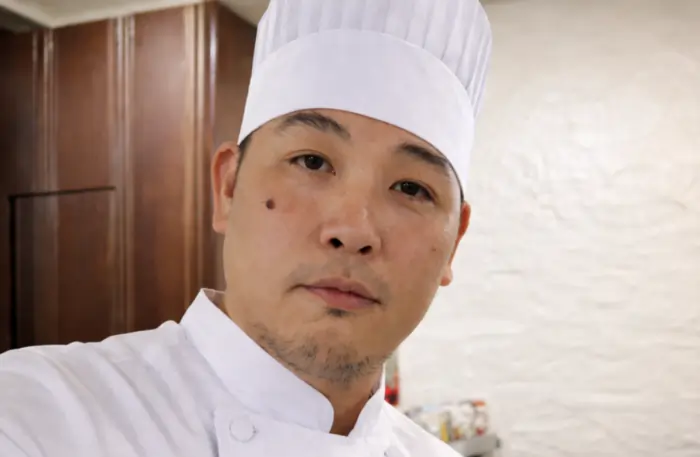
Chef Juan Gadi brings the heart of Filipino hospitality to Ubud, Bali. As an Executive Chef and consultant, he specializes in creating intimate, curated dining experiences that tell a story through every dish. Whether leading the kitchen at Kilig Filipino Warung or hosting a private villa dinner, Chef Juan’s approach is defined by warmth, modern technique, and a commitment to culinary excellence.