Migration Between Islands Changed Filipino Recipes Key Takeaways
Migration between islands changed Filipino recipes profoundly, weaving a rich tapestry of regional Filipino cuisine shaped by centuries of movement.
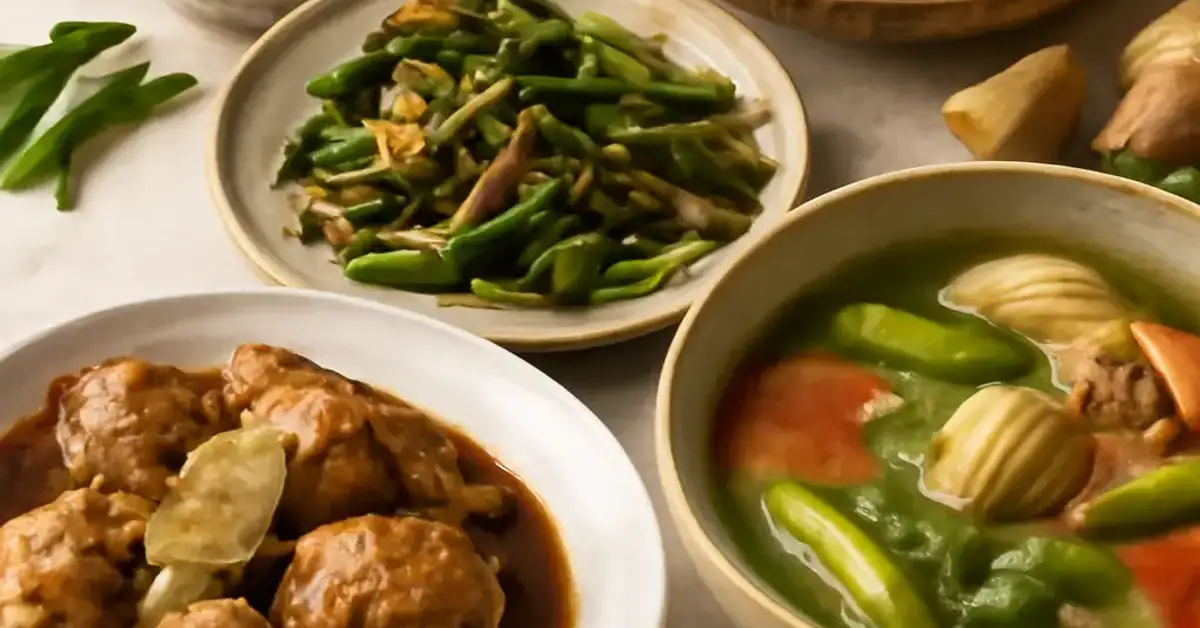
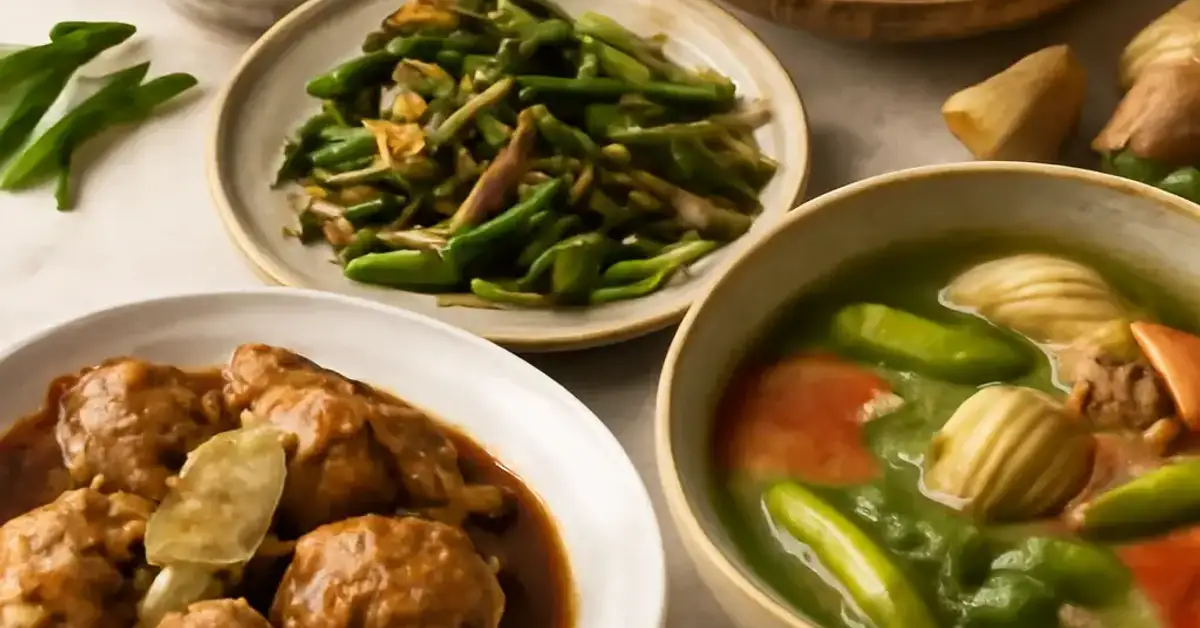
- Inter-island migration turned simple staples like adobo and sinigang into countless regional variations, each telling a story of adaptation and cultural exchange .
- Local ingredients —from coconut milk in Visayan cuisine to native rice in the Cordilleras—redefined heirloom recipes as families crossed waters.
- Filipino hospitality carried food heritage from island to island, preserving authentic Filipino cuisine while inspiring creative new regional specialties for travelers and cooks alike.
How Inter-Island Migration Shaped Filipino Food Culture
Long before roads connected villages, the seas were the highways of the Philippine archipelago. Fishing communities in the Visayas sailed north to trade with Luzon cuisine masters, while farming traditions from Mindanao’s highlands migrated along with families seeking fertile land. This constant movement didn’t just move people—it carried regional recipes in their memories and local ingredients in their bags. The result is a Filipino food culture that feels both deeply local and remarkably interconnected. For a related guide, see Role Of Indigenous Ingredients In Filipino Food Traditions: 9 Costly Mistakes to Avoid in 2027.
I think often about my own journey as a chef here in Bali. When I prepare kinilaw at Kilig Filipino Warung, I’m not just using coconut vinegar from a bottle. I’m summoning the legacy of traders from Cebu who brought their pancit noodles to every port, blending their techniques with local ingredients wherever they landed. Migration between islands changed Filipino recipes by turning the kitchen into a living map of movement.
The Role of Cultural Exchange in Recipe Evolution
No dish illustrates this better than adobo. In my grandmother’s kitchen in Pampanga, it was slowly braised in soy sauce and vinegar until the pork fell apart. But when relatives moved to Bicol, they added coconut milk and fiery chilis, transforming it into adobo sa gata. The same happened with sinigang: a simple tamarind broth in Manila became a miso-based marvel in the north when fishing communities added fermented soybean paste. This is the soul of culinary diversity—not just differences, but dialogues.
Filipino gastronomy thrives because each wave of inter-island migration brought new cultural exchange. Chinese traders introduced pancit to Luzon; Spanish galleons touched Visayan shores and left family recipes laced with sofrito. Even now, Filipino communities abroad send back twists on traditional Filipino food, like ube cheesecake, reshaping the heritage cuisine from a distance.
Five Proven Ways Migration Between Islands Changed Filipino Recipes
Drawing from my travels across the country and countless conversations with home cooks, I’ve seen these five transformations time and again. Each spotlights how migration between islands changed Filipino recipes from simple survival meals to the complex, soulful dishes travelers seek today.
1. Ingredient Swaps Created New Regional Specialties
When a family from Ilocos moved to a coastal town in Mindanao, their beloved pinakbet—a vegetable stew with bagoong—suddenly had fresh shrimp paste instead of fermented fish. That’s how indigenous ingredients rewrite regional specialties. In Visayan cuisine, kinilaw uses vinegar from coconut sap; in Mindanao cuisine, it’s sharpened with tabon-tabon fruit. At my villa dinners, I highlight these swaps, showing guests how one dish can taste of many islands.
2. Traditional Cooking Methods Spread Across Water
The slow-roasting technique of lechon traveled from Spanish-era Manila to Cebu, where it became the famous regional Filipino cuisine icon with lemongrass-stuffed belly. Fishing communities in the Sulu Sea taught farming traditions their method of grilling freshly caught fish over coconut husks—a practice now found from Palawan to Davao. These traditional cooking methods are not static; they’re stories carried by island communities.
3. Family Recipes Evolved with Movement
My own family recipes for pancit changed when my aunt moved to Quezon Province. She replaced rice noodles with mung bean threads because they were easier to source, yet kept the same soul of the dish. This is the quiet power of heirloom recipes: they adapt without losing identity. Travelers eating food travel Philippines itineraries often miss this—the noodle dish in one town is a diary of migration.
4. Coconut Milk Migrated from Coasts to Highlands
Coconut milk once dominated only coastal Visayan cuisine, but inter-island migration took it into the mountain stews of Luzon and even to the plates of Davao. Now you’ll find adobo with coconut cream in Baguio and sinigang with a hint of gata in Laguna. This is how food heritage expands—one ingredient crossing elevation and temperature, reshaping entire food traditions.
5. Local Markets Became Melting Pots
Stroll through a local market in Iloilo and you’ll find indigenous ingredients from as far as Ifugao—native rice varieties, rare citruses, freshly caught fish. These markets are the frontlines of cultural exchange. Filipino dining owes its depth to the women who set up stalls, selling regional recipes from their hometowns and, in doing so, stitching the island cuisine into a unified culinary heritage. For a related guide, see How Filipino Culinary Traditions Adapt Across Different Islands.
Why Similar Filipino Dishes Have Different Regional Variations
A question I hear often from culinary enthusiasts: how can sinigang taste so different in Batangas and Bacolod? The answer lies in local ingredients. Batangas’s proximity to the sea offers a bounty of fish, making their sinigang lighter and more sour with santol. Bacolod, with its sugar plantations, balances sour with a touch of sweetness from native cane. Migration between islands changed Filipino recipes precisely because families improvised with what the land gave them, and those improvisations became regional specialties in their own right.
In my work, I celebrate these variations. At Kilig, our traditional Filipino food menu might serve Luzon-style adobo next to a Visayan cuisine version to show how cultural food history is alive. Travelers learn that there is no single authentic Filipino cuisine—only a beautiful mosaic of Philippine food traditions.
How Have Families Preserved and Adapted Recipes After Moving to Different Islands?
Preservation happens through taste memory and oral tradition. My mother never wrote down her pancit recipe; she taught me by hand. When families moved, the core method remained, but they infused local ingredients to bridge memory and necessity. That’s why heirloom recipes feel both ancient and new. I’ve met fishing communities in Surigao who still make kinilaw exactly as their ancestors did, but they’ve added coconut vinegar because that’s what the island offers. This balance—keeping technique, adapting ingredients—is the heartbeat of Filipino cooking.
The Strongest Migration-Influenced Regional Dishes
If I had to pick dishes that scream migration, I’d start with kinilaw. Its purest form is in the Visayas, but as families moved south, Mindanao’s version emerged with grilled coconut cream. Another is adobo; from the dry, garlicky version of the north to the saucy, turmeric-tinged adobo of the south. Pancit too: the stir-fried noodles in Manila lean on soy sauce, while Iloilo’s pancit Molo is a soup dumpling with Chinese roots. These dishes carry the maps of island cuisine in every bite.
What Can Travelers Learn from Regional Variations of Filipino Food?
Every traveler I host in Ubud leaves understanding that Filipino gastronomy is a conversation between island communities. By tasting the differences in regional specialties, you taste history. You learn that Filipino hospitality isn’t just a warm welcome; it’s the act of sharing a dish that came from a grandmother’s voyage across sea. For food travel Philippines enthusiasts, following the trail of sinigang from Pampanga to Cebu is like reading a migration journal.
In my private dining experiences, I tell the story behind each course. Why the coconut milk in the adobo speaks of a Bicolano ancestor who braved storms to settle elsewhere. These meals become a heritage cuisine education, not just dinner.
The Living Heritage of Filipino Cuisine Today
Today, migration between islands changed Filipino recipes continues through cultural exchange with international palates. As a chef, I see how overseas Filipino communities abroad reinterpret traditional Filipino food with foreign ingredients, then send those ideas home. This global network reinforces the same pattern that began thousands of years ago: movement creates recipe evolution. The Filipino food culture of 2025 is a direct descendant of that old inter-island dance, and it’s more dynamic than ever.
At Kilig, I’m proud to serve authentic Filipino cuisine that honors those migrations. Whether you’re a home cook looking for regional recipes or a traveler craving genuine island cuisine, every plate is a portal to the Philippines’ rich food heritage.
Useful Resources
Explore these resources to deepen your understanding of how migration between islands changed Filipino recipes and shaped the country’s culinary heritage.
- Filipino Cuisine: A Cultural History – Association for Asian Studies
- How Migration Made Filipino Food the World’s Next Great Cuisine – Atlas Obscura
Frequently Asked Questions About Migration Between Islands Changed Filipino Recipes
How did migration between islands change Filipino recipes?
Migration between islands changed Filipino recipes by introducing new indigenous ingredients, blending traditional cooking methods, and adapting family recipes to local environments. This constant movement created the regional Filipino cuisine we know today, where a dish like adobo can have dozens of variations depending on the island’s resources.
What are the main regional cuisines in the Philippines?
The main branches are Luzon cuisine (hearty, savory, with strong Chinese and Spanish influences), Visayan cuisine (fresher, seafood-driven, often using coconut milk), and Mindanao cuisine (spicy, rich with turmeric and indigenous spices). Each evolved through inter-island migration and local resources.
Why do similar Filipino dishes have different regional variations?
Because local ingredients, available cooking methods, and the influence of neighboring fishing communities or farming traditions force adaptations. A dish like sinigang varies widely due to the souring agent found in each area—tamarind in Manila, calamansi in the Visayas, or guava in some provinces.
How has inter-island migration influenced Filipino food culture?
It transformed Filipino food culture from isolated island recipes into a shared culinary heritage. As people moved, they carried regional recipes, leading to cultural exchange that enriched Filipino gastronomy with diverse flavors and techniques still enjoyed in Filipino dining today.
What ingredients and cooking techniques spread across the Philippines through migration?
Coconut milk, native rice varieties, and methods like slow-roasting and grilling over coconut husks all spread through inter-island migration. Traders and settlers introduced pancit noodles and vinegar-based kinilaw curing techniques to new islands.
How have families preserved and adapted recipes after moving to different islands?
Families preserved the core techniques of heirloom recipes handed down orally, but adapted by swapping local ingredients—like using coconut vinegar instead of cane vinegar—or combining their methods with regional specialties from their new home, creating unique family recipes.
What role does cultural exchange play in the evolution of Filipino cuisine?
Cultural exchange is the engine of Filipino culinary heritage. Chinese traders brought noodles, Spanish colonizers introduced sofrito, and now overseas Filipino communities abroad fuse local dishes with global ingredients, continuously evolving traditional Filipino food.
Which regional dishes show the strongest influence of migration?
The strongest are adobo, sinigang, pancit, and kinilaw. Each showcases how migration between islands changed Filipino recipes by absorbing Mindanao cuisine’s spiciness, Visayan cuisine’s use of coconut milk, or Luzon cuisine’s savory depth.
How do local ingredients transform traditional recipes from one province to another?
In the mountains, native rice replaces noodles; by the sea, fresh fish becomes kinilaw instead of land protein. Local ingredients like tabon-tabon fruit or fermented fish paste radically shift the flavor profile of a classic regional recipe, creating new food traditions.
What can travelers learn from the regional variations of Filipino food?
Travelers can trace migration routes, understand island communities‘ history, and experience authentic Filipino hospitality. Tasting different regional specialties is like a living map of Philippine food traditions and cultural food history.
How has migration between islands helped shape the diversity of Filipino cuisine today?
It created the incredible culinary diversity by distributing ingredients, techniques, and family recipes across the archipelago. Filipino gastronomy is now a vibrant patchwork of regional Filipino cuisine, each island contributing to a national food heritage.
What is the significance of coconut milk in Filipino migration cuisine?
Coconut milk migrated from coastal Visayan cuisine to the highlands, enriching stews, adobo, and even desserts. It exemplifies how an indigenous ingredient can transcend its origin, becoming a hallmark of Filipino cooking through inter-island migration.
How do fishing communities influence regional dishes?
Fishing communities introduced techniques like raw fish preparation, grilling methods, and the use of fresh seafood stocks. Their practices became embedded in regional recipes like kinilaw and seafood sinigang, spreading through cultural exchange as they traded.
What are some heirloom recipes that survived migration?
Heirloom recipes like bringhe (a sticky rice dish), kare-kare, and dinuguan survived by adapting to local ingredients while retaining their core identity. They are often preserved in family recipes and shared during gatherings, maintaining food heritage.
How do local markets reflect migration in Filipino food?
A local market is a microcosm of migration between islands. You’ll find indigenous ingredients from distant provinces, sold by migrant families, merging regional specialties into one vibrant tapestry of Philippine cuisine.
What is the role of Filipino hospitality in food migration?
Filipino hospitality ensures that when families settle in new places, they share their traditional cooking methods and family recipes with neighbors, accelerating recipe evolution and weaving communal food traditions into the local fabric.
How do traditional cooking methods evolve with migration?
Methods like stewing, grilling, or fermenting are adjusted to fit available fuel, cookware, or climate. A slow-cooked adobo in cooler mountains may become a quicker sauté in hot coastal towns, yet the cultural exchange keeps the dish recognizable.
Can you give an example of a dish that changed completely due to migration?
The Visayan pancit variant called batchoy evolved from a simple noodle soup in Iloilo into a rich, pork-laden broth when migrants from Luzon added bone marrow and local indigenous ingredients. Such transformations illustrate how migration between islands changed Filipino recipes profoundly.
How do Filipino communities abroad continue this migration influence?
Overseas Filipino communities abroad adapt traditional Filipino food with available ingredients, creating dishes like ube pandesal or lechon belly with foreign herbs. They send these adaptations back, further evolving Philippine cuisine through global cultural exchange.
What is the best way to explore the regional diversity of Filipino cuisine?
The best way is through food travel Philippines—visiting local markets, joining cooking class experiences, and dining with island communities. Each meal reveals how Filipino food culture is a living narrative of inter-island migration.
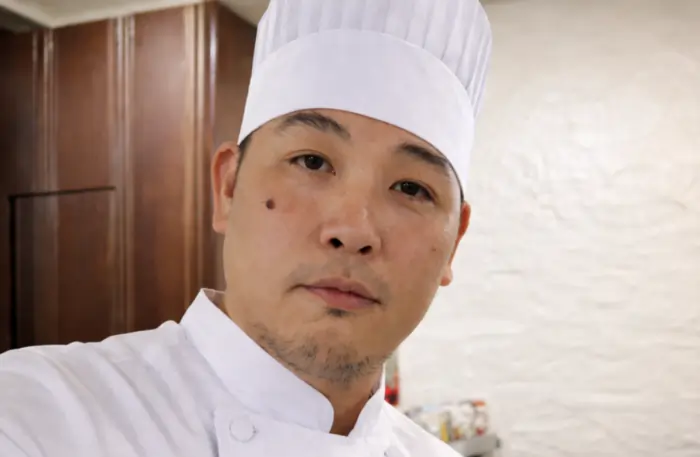
Chef Juan Gadi brings the heart of Filipino hospitality to Ubud, Bali. As an Executive Chef and consultant, he specializes in creating intimate, curated dining experiences that tell a story through every dish. Whether leading the kitchen at Kilig Filipino Warung or hosting a private villa dinner, Chef Juan’s approach is defined by warmth, modern technique, and a commitment to culinary excellence.