Guide to Choosing Filipino Dishes Based on Your Taste Key Takeaways
In this article, Chef Juan Gadi—who brings the heart of Filipino hospitality to Bali—shares a personalized Guide to Choosing Filipino Dishes Based on Your Taste .
- A well-rounded Guide to Choosing Filipino Dishes Based on Your Taste opens up the archipelago’s regional specialties and local ingredients .
- Learn how family-style dining and Filipino hospitality turn every meal into a celebration of Filipino flavors .
- Use seven expert tips to confidently explore traditional Filipino food that matches your personal flavor profile.

Tip 1: A Guide to Choosing Filipino Dishes Based on Your Taste for Savory Lovers
My first memory of Filipino cuisine is the smell of adobo simmering in my grandmother’s kitchen. That perfect balance of vinegar, soy sauce, garlic, and bay leaves still defines comfort food for me. If you’re drawn to rich, deep savory meals, you’ll find a home in Filipino dishes that rely on slow braising and bold seasonings.
Start with adobo—the unofficial national dish. Whether it’s chicken or pork, each household has a version: some add coconut milk for creaminess, others let the vinegar shine. At my warung in Ubud, I often serve adobo with garlic rice to travelers who want an instant hug on a plate. For a different kind of savory punch, try crispy lechon (roasted pig) with its crackling skin, or sizzling sisig—chopped pig’s face and ears seasoned with calamansi and chili, a true Filipino specialty. These traditional Filipino food choices are perfect for anyone who loves hearty, meaty flavors.
Savory doesn’t mean heavy: pancit (stir-fried noodles) and lumpia (crispy spring rolls) are light yet satisfying staples. When visitors tell me they enjoy umami-rich food, I always recommend a family-style dining spread that includes adobo, lumpia, and perhaps a bowl of garlic rice. It’s the essence of Filipino food culture.
Tip 2: For Sour and Tangy Cravings – Embrace Sinigang and Kinilaw
If your taste buds light up at the tang of tamarind or the zing of fresh calamansi, then sour soups are your entry point to Philippine cuisine. Sinigang, a sour tamarind-based broth loaded with meat and vegetables, is the dish I prepare for friends who’ve never tasted Filipino food. The sourness wakes up the palate instantly and pairs beautifully with a patis (fish sauce) and calamansi dipping sauce.
While sinigang is comfort in a bowl, kinilaw delivers a punch of acid and freshness. Often likened to ceviche, kinilaw uses raw fish “cooked” in vinegar or calamansi juice, mixed with ginger, onions, and chili. I love preparing kinilaw with sustainably caught tuna during private villa dinners—it’s a vivid example of how local ingredients like coconut vinegar or tuba (coconut sap) define the Filipino gastronomy experience. If you love tart, bright notes, both sinigang and kinilaw are must-try regional specialties.
Don’t overlook the role of vinegar in everyday Filipino cooking; it appears in sawsawan (dipping sauces) alongside bagoong and crushed chili, adding tang to family-style dining tables. This is the true taste of Philippine cuisine.
Tip 3: Creamy Coconut Indulgence – Discover Kare-Kare and Laing
For those who crave luscious, creamy textures, the Filipino food guide points straight to dishes enriched with coconut milk. Kare-kare, a peanut-based oxtail stew, is the king of creamy savory meals. Thickened with ground toasted rice and peanuts, this dish is traditionally paired with bagoong (salted shrimp paste)—the salty-sharp contrast makes every bite incredible. Whenever I host a food travel Philippines group in Bali, kare-kare is the dish that sparks the most conversation.
Another creamy treasure is laing, a Bicolano specialty made from dried taro leaves slow-cooked in coconut milk with chilies. It’s a spicy dish that also satisfies the desire for silky richness. The coconut milk transforms humble leaves into an unforgettable regional specialty. If you’re a fan of Thai or Indian curries, you’ll love the coconut-forward soul of Filipino dishes like these. Both kare-kare and laing show how local ingredients like coconut milk reflect the Filipino culinary heritage of an archipelagic nation.
Tip 4: Sweet Tooth Satisfaction – Dive into Halo-Halo and Kakanin
Travelers with a passion for sweets often ask me, “What’s the most iconic sweet dessert?” My answer never changes: halo-halo. This colorful shaved ice dessert is a tropical fruits explosion—sweetened beans, jellies, leche flan, ube ice cream, and more. It’s a metaphor for the diversity of Filipino flavors themselves. I love guiding first-time visitors through their first halo-halo experience, pointing out each layer as they mix it with a long spoon.
Beyond halo-halo, kakanin (rice-based sweets) offer a glimpse into Filipino food culture. Sticky rice treats like bibingka, puto, and sapin-sapin are subtly sweet, often topped with cheese or salted egg. These Filipino specialties are perfect for a light dessert or afternoon merienda. Pair them with fresh tropical fruits like mango or pineapple, and you have a balanced sweet dessert spread that honors traditional Filipino food without overwhelming sugar. As the chef notes, “Understanding kakanin is essential in any Guide to Choosing Filipino Dishes Based on Your Taste for those with a sweet tooth.” For a related guide, see 7 Filipino Dishes That Match Bali’s Tropical Vibes.
Tip 5: For Spice Seekers – Fire Up with Bicol Express and Sisig
Filipino cuisine isn’t known for extreme heat, but spicy dishes definitely exist—and they’re beloved in certain regional specialties. If you’re someone who routinely adds extra chili, start with Bicol Express. This spicy dish from the Bicol region combines pork, coconut milk, and an abundance of siling labuyo (bird’s eye chili). At my Ubud kitchen, a traveler once challenged me to make the spiciest version possible; the result was fiery yet creamy—a true taste of Filipino gastronomy with a kick.
Then there’s sisig, which can be dialed up with chopped chilies and calamansi on a sizzling cast-iron plate. The heat marries perfectly with the smokiness and porky richness. Both spicy dishes showcase how local ingredients like bird’s eye chilies and vinegar create layered heat rather than one-note fire. When travelers ask how to find heat on a Filipino food guide, I point them to these regional specialties and remind them that a dab of bagoong with chili can turn any savory meal spicy.
Tip 6: Smoky and Grilled Perfection – Lechon, Grilled Seafood, and More
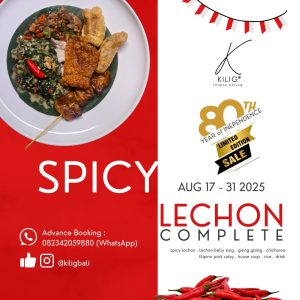
If you dream of char-grilled aromas and smoky flavors, Filipino dishes have much to offer. The undisputed star is lechon—whole roasted pig with crisp, golden skin that crackles with every bite. Cebu’s version, seasoned only with salt and a medley of herbs, is a masterclass in smoke and minimalism. I often recreate that Cebu-style lechon during intimate backyard feasts in Bali, pairing it with a spiced vinegar dip. It’s Filipino dining at its most primal and celebratory.
Beyond pork, grilled seafood is a coastal treasure. Inihaw na bangus (grilled milkfish), stuffed with tomatoes and onions, and sinugba (grilled catch) from the Visayas region are simple Filipino specialties that let fresh local ingredients speak through smoke. Whenever I cook for seafood lovers at Kilig Filipino Warung, I serve a platter of grilled seafood with calamansi butter and a side of garlic rice. It’s a reminder that Filipino food travel is incomplete without sitting by the water, savoring the day’s catch off a charcoal grill. This is the essence of authentic Filipino cuisine for those who chase bold, smoky flavors.
Tip 7: Your Personal Guide to Choosing Filipino Dishes Based on Your Taste – The Adventurous Twist
True Filipino food culture rewards the curious. For the brave, dishes like balut (fertilized duck egg) or dinuguan (pork blood stew) offer a deeper connection to heritage. But even less extreme choices, like laing with bagoong or a kinilaw made with coconut vinegar, push your palate just enough. I always encourage first-time diners to order one familiar Filipino dish and one wildcard; together they form a balanced Filipino meal that honors local ingredients and regional specialties.
Embrace family-style dining—the hallmark of Filipino hospitality. When you sit elbow-to-elbow sharing a spread of adobo, sinigang, lumpia, pancit, and halo-halo, you’re not just eating; you’re participating in a story. Chef Juan Gadi’s personal Guide to Choosing Filipino Dishes Based on Your Taste is built on the belief that every bite should tell the story of a warm kitchen, a generous hand, and the incredible diversity of the Philippines. So, the next time you see a menu of Filipino dishes, ask yourself: sweet, sour, smoky, or creamy? Your perfect Filipino meal guide is waiting.
Useful Resources
Deepen your appreciation of Philippine cuisine with these trusted references:
- The Philippines’ Official Tourism Food Guide – official travel resource featuring regional specialties and culinary travel tips.
- TasteAtlas: Filipino Dishes – curated encyclopedia of Filipino dishes with ingredient breakdowns and flavor profiles.
Frequently Asked Questions About Guide to Choosing Filipino Dishes Based on Your Taste
How do I choose Filipino dishes based on my taste preferences?
Start by identifying whether you crave savory meals, sour soups, sweet desserts, spicy dishes, or creamy coconut flavors. Then use this Guide to Choosing Filipino Dishes Based on Your Taste to match those preferences with iconic Filipino dishes like adobo for savory, sinigang for sour, or halo-halo for sweet. At restaurants, don’t hesitate to ask for local recommendations—Filipino hospitality ensures you’ll get a warm, personalized suggestion. For a related guide, see A Guide to Choosing Filipino Dishes Based on Your Taste Preferences.
Which Filipino dishes are best for people who enjoy savory flavors?
Adobo, sisig, and lechon top the list. These savory meals rely on soy sauce, vinegar, and slow cooking to build deep umami. Pancit and lumpia are lighter but equally savory options. For an extra layer, pair them with garlic rice and a dipping sauce of calamansi and bagoong.
What Filipino foods are ideal for those who like sour flavors?
Sinigang (sour tamarind soup) and kinilaw (vinegar- or calamansi-cured seafood) are the classics. Sour soups also come in guava or green mango versions. Many dishes feature vinegar-based sawsawan (dipping sauces) that add tang to any meal.
Which Filipino dishes suit a sweet tooth?
Halo-halo and kakanin like bibingka, puto, and sapin-sapin are the ultimate sweet desserts. Leche flan and ube halaya also delight. Fresh tropical fruits like mango, pineapple, and langka (jackfruit) provide natural sweetness and are often added to desserts.
What are the spiciest Filipino dishes ?
Bicol Express—pork cooked in coconut milk with siling labuyo—is a signature spicy dish. Sisig can be made fiery, and many regional specialties like laing incorporate chili. A side of bagoong with crushed chilies lets you add heat to any savory meal.
Which Filipino dishes are creamy and coconut-based?
Kare-kare (peanut stew) and laing (taro leaves in coconut milk) are the standouts. Ginataan dishes—meat or vegetables simmered in coconut milk—are widespread. These Filipino specialties showcase how coconut milk creates velvety richness.
What are the best traditional Filipino meals for first-time visitors?
Start with a family-style dining spread including adobo, sinigang, lumpia, and pancit. Add a side of garlic rice and a sweet dessert like halo-halo. This combination offers a balanced introduction to traditional Filipino food without overwhelming the palate.
How can travelers explore regional Filipino cuisine based on their favorite flavors?
Focus on regional specialties: for coconut and spice, head to Bicol (try Bicol Express, laing); for smoky grilled dishes, the Visayas offers Cebu lechon and fresh grilled seafood; for sour broths, the Tagalog region’s sinigang is classic. A food travel Philippines itinerary tailored to flavor preferences makes the journey unforgettable.
What Filipino desserts are best for people with a sweet tooth?
Halo-halo tops the list, followed by kakanin like bibingka and puto. Leche flan, ube ice cream, and turon (caramelized banana spring rolls) are also beloved. Many sweet desserts incorporate tropical fruits and coconut, making them uniquely Filipino.
Which seafood and meat dishes offer the most authentic Filipino experience?
Kinilaw and grilled seafood capture coastal authenticity, while lechon, adobo, and sisig are meat classics. Pair any of these with a side of pancit or garlic rice for a true Filipino dining experience that reflects the country’s Filipino culinary heritage.
How do local ingredients influence the taste of Filipino cuisine?
Coconut milk adds creaminess; calamansi and various vinegar varieties provide sourness; bagoong brings umami; bird’s eye chili delivers heat. Local ingredients like tamarind, taro, and tropical fruits define the Filipino flavors and make every regional specialty distinct.
What combinations of dishes create a balanced Filipino meal?
A balanced Filipino meal guide includes a protein (adobo or lechon), a soup or stew (sinigang or kare-kare), a noodle or vegetable dish (pancit or laing), rice, and a sweet dessert. Add a dipping sauce like calamansi-soy or bagoong with chili to tie family-style dining together.
How can first-time diners confidently choose Filipino dishes that match their personal taste?
Use this Guide to Choosing Filipino Dishes Based on Your Taste as a starting point. Ask the server to describe the dish’s main flavors—savory meals, sour soups, spicy dishes, or sweet desserts—and request a sampler plate. Filipino hospitality encourages sharing, so order a few regional specialties to discover your favorites.
What role does vinegar play in Filipino cooking?
Vinegar is a cornerstone, used for marinating (adobo), curing (kinilaw), and dipping sauces. Cane vinegar, coconut vinegar, and palm vinegar each bring distinct acidity that enhances savory meals and grilled seafood. It’s essential to Filipino food culture.
Are there vegetarian-friendly Filipino dishes that still capture the essence of the cuisine?
Yes, laing (taro leaves in coconut milk), pinakbet (mixed vegetables), and eggplant omelet (tortang talong) are flavorful Filipino dishes. Add bagoong (use vegetarian versions) and calamansi for depth. Many kakanin and sweet desserts are naturally plant-based.
What tropical fruits complement a Filipino meal?
Mangoes, pineapples, papaya, and langka (jackfruit) are common tropical fruits served fresh or used in sweet desserts. Calamondin (calamansi) is a citrus staple for juices and sauces. Including these on a Filipino meal guide adds brightness and natural sweetness.
How does family-style dining work in the Philippines?
Family-style dining means all dishes are placed in the center of the table and shared among everyone. Rice is served individually, but proteins, soups, and vegetables are communal. This practice is at the heart of Filipino hospitality and makes it easy to sample a variety of Filipino flavors in one sitting.
Can I request mild versions of spicy Filipino dishes ?
Absolutely. Filipino cooking is highly adaptable. Dishes like Bicol Express or sisig can be prepared with less chili. Simply ask for “hindi maanghang” (not spicy) and most kitchens will accommodate, while still delivering authentic Filipino cuisine flavors.
Where can I find authentic Filipino food outside the Philippines?
Look for Filipino restaurants in cities with large Filipino communities. In Southeast Asia, Chef Juan Gadi’s Kilig Filipino Warung in Ubud, Bali, offers an intimate Filipino dining experience. Filipino communities abroad often host pop-ups and fiestas that serve traditional Filipino food.
How can I explore Filipino gastronomy without traveling to the Philippines?
Attend Filipino cooking classes, join online Filipino food blog communities, or order a Filipino food box with pre-made sauces for adobo or sinigang. Pair this Guide to Choosing Filipino Dishes Based on Your Taste with virtual food travel Philippines experiences to bring Filipino flavors into your kitchen.
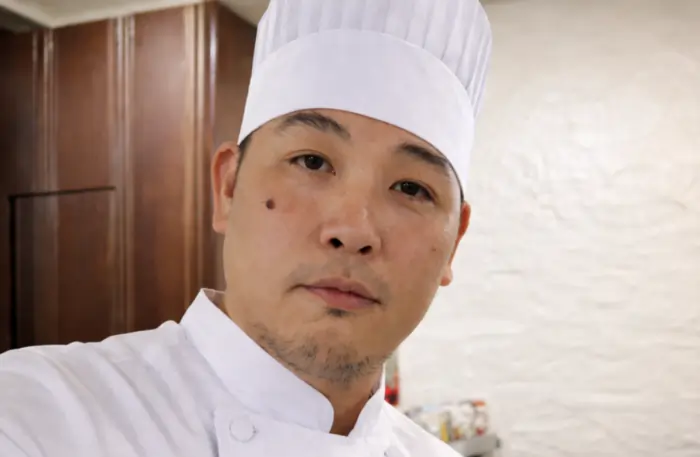
Chef Juan Gadi brings the heart of Filipino hospitality to Ubud, Bali. As an Executive Chef and consultant, he specializes in creating intimate, curated dining experiences that tell a story through every dish. Whether leading the kitchen at Kilig Filipino Warung or hosting a private villa dinner, Chef Juan’s approach is defined by warmth, modern technique, and a commitment to culinary excellence.