
Balis Morning Markets Shape Local Food Culture Key Takeaways
Bali’s morning markets are the heartbeat of the island’s food culture, where farmers, cooks, and families gather each dawn to trade fresh produce, spices, and handmade goods.
- Bali’s morning markets shape local food culture by creating a direct pipeline from farm to table, ensuring freshness and seasonality that restaurants and home kitchens depend on daily.
- Visiting these markets reveals the island’s deep culinary heritage, with tropical fruits, fresh vegetables, and Balinese spices that are rarely found in supermarkets.
- These markets sustain local farmers, preserve family recipes, and invite travelers to participate in food travel experiences like market tours , cooking classes, and cultural immersion.
What Are Bali’s Morning Markets and Why Do They Matter?
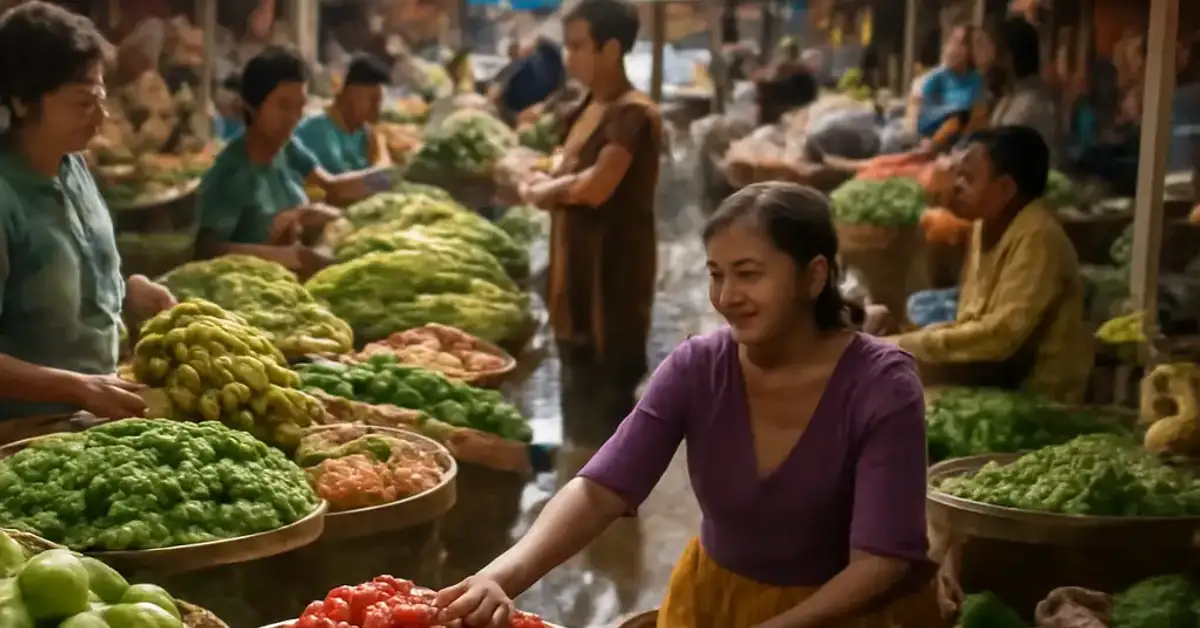
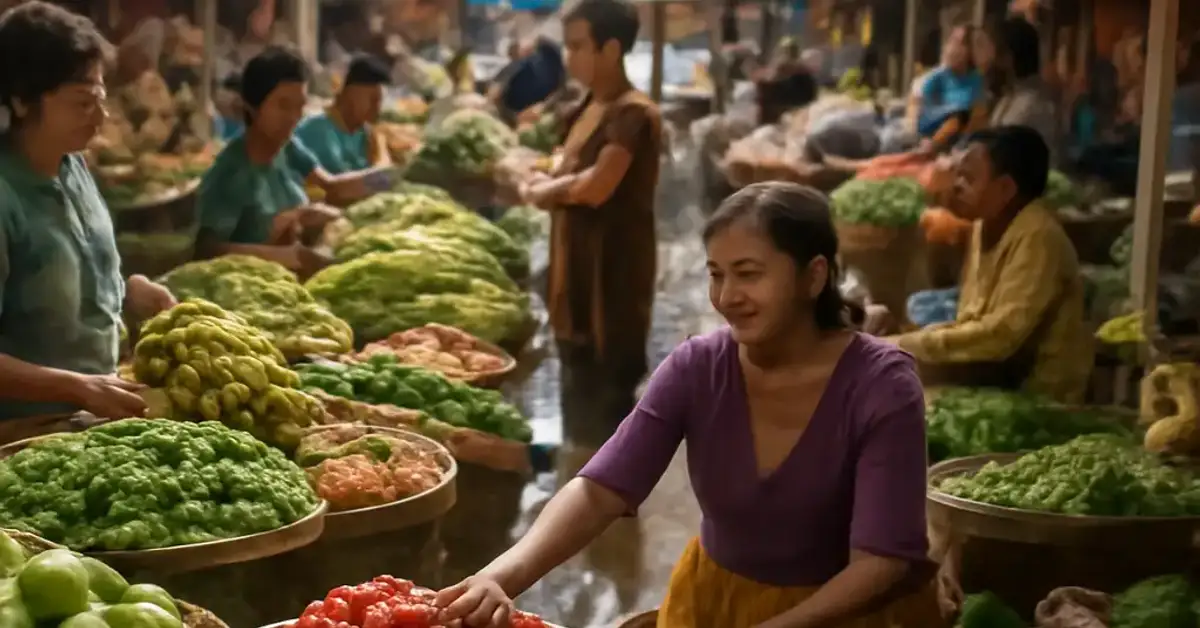
Step into any Bali morning market before sunrise, and you’ll feel the pulse of daily life on this island. Traditional markets are not just places to buy food—they are living museums of Bali food culture. Here, local vendors arrange pyramids of tropical fruits, piles of fresh vegetables, and bundles of fragrant Balinese spices. Everything is seasonal, local, and unapologetically authentic. For a related guide, see 10 Food Markets in Bali Every Traveler Should Experience.
For Chef Juan Gadi, who brings the warmth of Filipino hospitality to his kitchen in Ubud, these markets are the first stop every morning. “When I’m sourcing for a private villa dinner or our warung’s daily specials, I don’t call a distributor. I go to the market at 6 a.m. and see what the farmers carried in that night,” he explains. That connection to the source is what makes Bali’s morning markets shape local food culture in ways that chain supermarkets never could.
Balinese markets operate on a rhythm that predates modern commerce. Women arrive before dawn, balancing baskets on their heads. Men unload crates of fish still wet from the sea. The air fills with the earthy scent of fresh turmeric and lemongrass. This is authentic Bali—raw, unpolished, and deeply rooted in community. For a related guide, see The Ingredients Behind Authentic Filipino Dining Experiences in Bali.
How Do Bali’s Morning Markets Shape Local Food Culture?
The influence of Bali morning markets on Balinese cuisine cannot be overstated. Every dish served in local warungs, luxury resorts, or family homes begins its life in these stalls. The markets determine what is eaten, when, and how it is prepared.
From Market to Kitchen: The Daily Ritual
Morning shopping is a ritual for Balinese families and chefs alike. At markets like Ubud Market and Gianyar Market, the selection of fresh local ingredients dictates that day’s menu. If the local farmers brought in an abundance of jackfruit, you can expect jackfruit curry to appear across town. If the catch of fresh seafood is small, cooks adapt. This fluid system ensures that Balinese cuisine stays tied to the earth and the sea, not to a supplier’s inventory spreadsheet.
“A morning market teaches you to cook with humility,” Chef Juan says. “You don’t demand ingredients. You listen to what the market offers, and then you create. That’s how family recipes survive—by working with what’s real.”
Preserving Culinary Heritage Through Community
Culinary heritage in Bali is not locked in cookbooks—it lives in the hands of local vendors who pass down knowledge of traditional desserts, local snacks, and spice blends. Grandmothers sell their handmade products like palm sugar cakes or crispy tempeh crackers, using formulas that haven’t changed in generations. The market becomes a classroom where cultural immersion happens naturally.
What Foods Can Travelers Find in Traditional Balinese Markets?
Wandering through a traditional market is a feast for all senses. Here is a glimpse of what awaits you:
| Category | Examples | Role in Balinese Cuisine |
|---|---|---|
| Tropical fruits | Mangosteen, snake fruit, dragon fruit, passion fruit | Eaten fresh, juiced, or used in salads and desserts |
| Fresh vegetables | Water spinach, long beans, young jackfruit, papaya leaves | Stir-fried, boiled, or made into lawar |
| Balinese spices | Turmeric, galangal, kencur, candlenut, bird’s eye chili | Base for bumbu (spice paste) in nearly every dish |
| Fresh seafood | Tuna, mahi-mahi, squid, prawns, reef fish | Grilled with sambal, wrapped in banana leaf, or fried |
| Local snacks | Pisang goreng, klepon, bubur injin, dadar gulung | Street food favorites, sweet or savory |
| Indonesian street food | Sate lilit, nasi campur, bubur ayam | Quick meals that showcase local flavor |
Beyond the food itself, authentic flavors come from the authentic ingredients you find only at these markets. “You cannot replicate the taste of a Balinese lawar if you use supermarket lime leaves,” Chef Juan notes. “The market gives you the real thing—the small, wild limes that taste like nothing else.”
Why Are Morning Markets Important to Local Communities?
Community markets are the economic and social backbone of Balinese villages. They provide a direct livelihood for thousands of local farmers, fisherfolk, and artisans. Unlike large grocery chains, where profit flows out of the region, these markets keep money circulating within the community tourism ecosystem.
Additionally, markets function as gathering spaces. Neighbors catch up over coffee, children learn to haggle, and village life plays out in full view. For visitors, observing this dynamic offers a cultural experience that no temple tour can match. It’s where you see the real rhythm of Bali—not the tourist brochure version.
Which Bali Markets Are Best for Authentic Food Experiences?
Not all markets are equal. Some cater heavily to tourists with souvenir stalls, while others remain true to their market culture. Here are the markets that deliver the most authentic flavors and genuine encounters:
Ubud Market (Pasar Ubud)
While the upper levels have become a tourist bazaar, the ground floor before 9 a.m. is a real working market. Look for local vendors selling Balinese spices in bulk, morning-made local snacks, and fresh produce. It’s ideal for food photography because of the dramatic light streaming through canvas stalls.
Gianyar Market (Pasar Gianyar)
Arguably the best market for culinary tourism, Gianyar retains its traditional soul. It operates around the clock, but the morning shift (5 a.m. to 8 a.m.) is when local farmers bring their best. The butcher section here is legendary—pork, chicken, and beef prepared with Balinese precision.
Badung Market (Pasar Badung) in Denpasar
This multi-story market is the largest on the island. The ground floor is a riot of colors with tropical fruits and vegetables. Upper floors offer handmade products, textiles, and ceremonial items. It’s a deep dive into Indonesian cuisine and Balinese traditions.
Sukawati Market
Famous for art and crafts, but its morning food section is excellent for local snacks like traditional desserts and Indonesian street food. Artists and dancers buy their offerings here, so you see a different cross-section of Balinese society.
How Do Local Chefs and Restaurants Source Ingredients from Morning Markets?
Most warungs and many high-end restaurants in Bali rely on morning shopping at these markets. A chef will arrive between 5 and 6 a.m., greet the local vendors by name, and inspect the day’s produce. Relationships matter. A vendor might set aside the best bunch of water spinach or the freshest tuna for a trusted buyer.
For Chef Juan Gadi, this relationship extends to his private dining clients. “When I host a villa dinner, I want guests to know exactly where their meal came from. I sometimes bring them to the market with me. That experience—touching the fruit, smelling the spices, hearing the vendors laugh—changes how they taste the food.” Market tours and cooking classes have become integral to food travel in Bali, giving visitors a participatory role in local food culture.
What Cultural Traditions Can Visitors Observe at Bali’s Markets?
Markets are not only about commerce; they are stages for Balinese traditions. You’ll see women weaving palm leaf offerings (canang sari) between selling produce. A priest might stop by to bless a new stall. Traditional desserts are often prepared with ingredients used in temple ceremonies, like black rice pudding (bubur injin) made from heirloom grains.
Cultural immersion happens organically here. Watch how a transaction unfolds—the polite banter, the subtle negotiation, the shared smile. This is authentic Bali, not a staged performance. Food photography is welcomed, but always ask first. A simple gesture of respect opens doors to stories you won’t find in any guidebook.
When Is the Best Time to Visit Bali’s Morning Markets?
The magic happens early. The best time is between 5:30 a.m. and 8:00 a.m. During those hours, local farmers are still unpacking, the produce is at its freshest, and the crowds are thin. By 9 a.m., many stalls close, and the energy shifts toward tourist-centric goods.
For destination dining inspiration, arriving early lets you see the full spectrum of fresh local ingredients before they are picked over. Chef Juan advises: “Go at dawn. Don’t rush. Buy a coffee from a street cart, find a spot, and just watch. You’ll learn more about Bali in one hour at the market than in a week of temple hopping.”
How Can Travelers Respectfully Explore Local Food Markets?
Local food culture thrives on respect. To explore authentic Bali ethically, follow these guidelines:
- Dress modestly. Markets are community spaces, not theme parks. Cover shoulders and knees.
- Ask before photographing vendors or their goods. A smile and nod go a long way.
- Buy something. Even a small bag of local snacks supports the vendor’s livelihood.
- Bargain gently. Haggling is part of market culture, but keep it light. The difference of a few thousand rupiah matters more to them than to you.
- Use reusable bags. Sustainable tourism starts with small actions. Most markets still use plastic—help reduce waste.
Visiting a market this way transforms a simple errand into a cultural experience that culinary tourism advocates dream of.
Why Are Bali’s Traditional Markets an Essential Part of the Island’s Culinary Heritage and Travel Experience?
Bali’s morning markets shape local food culture not only by supplying ingredients but by sustaining Balinese cuisine as a living tradition. Without these markets, the chain from farm to table would break. Family recipes would lose their context. Authentic flavors would be replaced by standardized approximations.
For travelers, these markets offer something no restaurant can: the chance to taste fresh local ingredients in their purest form, to meet the people who grow and gather them, and to understand how Balinese traditions weave through everyday life. Whether you are a food traveler seeking market tours, a digital nomad capturing food photography, or a cultural experience seeker hungry for depth, these markets deliver an unforgettable encounter with the real Bali.
As Chef Juan Gadi puts it: “The market is Bali’s soul. You can taste it in every bite—if you show up early enough to catch it.”
Useful Resources
For further reading on Bali’s morning markets and Balinese cuisine, explore the following resources:
- Indonesia Travel: Bali Official Tourism Site – Comprehensive guides on local markets, cultural attractions, and culinary hotspots across the island.
- Bali Foods – A deep resource on traditional Balinese recipes, ingredient profiles, and cooking techniques that originate from market shopping.
Frequently Asked Questions About Balis Morning Markets Shape Local Food Culture
What are Bali’s morning markets?
Bali’s morning markets are traditional open-air markets that operate from around 5 a.m. to 9 a.m., where local farmers, fisherfolk, and artisans sell fresh produce, spices, seafood, and handmade goods directly to the community.
How do Bali’s morning markets shape local food culture ?
They determine what ingredients are available each day, which directly influences menus in homes and restaurants. This farm-to-market-to-kitchen cycle keeps Balinese cuisine seasonal, local, and deeply connected to tradition.
What foods can travelers find in traditional Balinese markets ?
Travelers can find tropical fruits like mangosteen and snake fruit, fresh vegetables, Balinese spices, fresh seafood, local snacks such as pisang goreng, and traditional desserts like black rice pudding.
Why are morning markets important to local communities?
They provide a direct livelihood for farmers and artisans, keep money within the local economy, and serve as social hubs where community ties strengthen.
Which Bali markets are best for authentic food experiences?
Ubud Market (early morning ground floor), Gianyar Market, Badung Market in Denpasar, and Sukawati Market are top choices for genuine food encounters and local culture.
How do local chefs and restaurants source ingredients from morning markets?
Chefs visit between 5 and 6 a.m., build relationships with specific vendors, and select the day’s freshest produce and proteins based on what arrived overnight.
What cultural traditions can visitors observe at Bali’s markets?
Visitors can see women making canang sari offerings, priests blessing stalls, and vendors preparing traditional desserts using heirloom ingredients tied to temple ceremonies.
When is the best time to visit Bali’s morning markets?
The best time is between 5:30 a.m. and 8:00 a.m., when produce is freshest, vendors are most active, and the authentic market experience is at its peak.
How can travelers respectfully explore local food markets?
Dress modestly, ask before taking photos, buy something to support vendors, bargain gently, and carry reusable bags to reduce plastic waste.
Why are Bali’s traditional markets an essential part of the island’s culinary heritage and travel experience?
They preserve the direct link between land and table, sustain family recipes, and offer travelers an unfiltered, participatory glimpse into the real Bali beyond tourist attractions.
Can I join a market tour in Bali?
Yes, many local guides and cooking schools offer market tours that include ingredient selection, vendor interactions, and a follow-up cooking class using your purchases.
Are Bali’s morning markets safe for tourists?
Yes, they are generally very safe. However, it is wise to secure your belongings, watch your step on uneven floors, and follow the respectful guidelines mentioned above.
What should I bring to a Balinese morning market?
Bring a reusable bag, small bills in Indonesian rupiah, a refillable water bottle, a camera with permission, and an open mind ready for sensory immersion.
Do vendors in Bali’s markets accept credit cards?
Most small vendors only accept cash. Larger stalls in markets like Badung may accept digital wallets, but it is best to carry cash for the authentic experience.
How do I get to Gianyar Market from Ubud?
Gianyar Market is about 20 minutes east of Ubud by car or scooter. You can hire a private driver, take a ride-hailing app, or join a guided market tour that includes transport.
What is the difference between Ubud Market and Gianyar Market for food shopping?
Ubud Market’s ground floor is excellent for produce and spices early morning, but the upper floors are tourist-oriented. Gianyar Market remains primarily a local food market with less tourist influence.
Can I take cooking classes near the markets?
Yes, many cooking schools in Ubud, Gianyar, and Denpasar start with a market visit to source ingredients before teaching you to prepare classic Balinese dishes.
Are there vegetarian options at these markets?
Absolutely. The produce sections are dominated by tropical fruits, vegetables, tofu, tempeh, and spices. Many local snacks are plant-based, making it easy for vegetarians and vegans to enjoy.
What is the most iconic ingredient to buy at a Bali morning market?
Balinese spice paste base (bumbu genep) is the most iconic. It is a blend of turmeric, galangal, garlic, shallots, candlenut, and chilies—the foundation of most Balinese dishes.
Do I need to speak Bahasa Indonesia to shop at these markets?
No, many vendors understand basic English for transactions. Learning a few words like “selamat pagi” (good morning) and “terima kasih” (thank you) will be warmly appreciated.
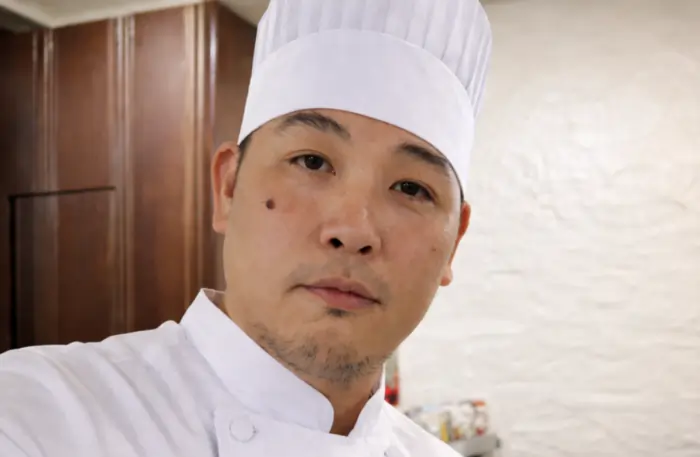
Chef Juan Gadi brings the heart of Filipino hospitality to Ubud, Bali. As an Executive Chef and consultant, he specializes in creating intimate, curated dining experiences that tell a story through every dish. Whether leading the kitchen at Kilig Filipino Warung or hosting a private villa dinner, Chef Juan’s approach is defined by warmth, modern technique, and a commitment to culinary excellence.