

Why Food Lovers Should Explore Bali Before Sunrise Key Takeaways
Exploring Bali before sunrise unlocks a side of the island most tourists never see—a world where the air smells of clove cigarettes and fresh pandan, and where the island’s culinary soul awakens in the soft dawn light.
- Why food lovers should explore Bali before sunrise to experience authentic flavors, connect with local vendors, and enjoy ingredients at their peak freshness.
- The best Bali food experiences happen before 7 a.m., including market tours, cooking classes, and sunrise seafood grills.
- Early mornings provide a calm, uncrowded window to immerse yourself in Balinese cuisine , local customs, and culinary tourism that supports community tourism .

What Makes Bali Before Sunrise a Must for Food Lovers
Most travelers know Bali for its surf breaks, terraced rice paddies, and sunset temples. But ask any local chef—including myself—and they will tell you that the real magic happens before the sun crests the volcanoes. The island stirs to life not with a roar but with the quiet clatter of baskets being loaded onto bicycles, the soft murmur of local vendors arranging pyramids of tropical fruits, and the first crack of a mortar grinding fresh spices for the day’s sambal. For a related guide, see 10 Food Markets in Bali Every Traveler Should Experience.
Why food lovers should explore Bali before sunrise is a question with many delicious answers. The early morning is when the island’s food system is most alive and most honest. The markets are not yet crowded with tourists; the produce still glistens with dew; and the street food stalls serve handmade snacks that are cooked in small batches, often from recipes passed down for generations.
For those seeking authentic dining and travel inspiration, the pre-dawn hours offer an unfiltered view of Balinese daily life. It is a time when local farmers bring their harvest directly to the market, when traditional breakfast dishes like bubur injin (black rice pudding) and nasi campur are prepared with care, and when the island’s culinary heritage is on full display. For a related guide, see Why Every Bali Journey Should Include a Local Market Visit.
The Allure of Bali Morning Markets: Where Culture Meets Cuisine
There is no better place to understand the heart of Balinese cuisine than the morning markets. These sprawling, colorful bazaars are the lifeblood of the local food system. They are where local vendors gather not only to sell goods but to exchange news, share jokes, and maintain the social fabric of their communities.
What You Will Find at a Typical Morning Market
Walking through a market like Pasar Badung in Denpasar or the smaller Pasar Ubud before dawn is a sensory overload in the best possible way. Stalls overflow with fresh ingredients: tropical fruits like mangosteen, snake fruit, and dragon fruit; piles of chili, turmeric, and lemongrass; baskets of live crabs and fresh-caught fish still smelling of the sea. The air is thick with the aroma of Balinese coffee, frying shallots, and the sweet, floral scent of frangipani offerings placed at nearly every stall.
Market culture in Bali is deeply intertwined with the island’s Hindu traditions. Before any vendor starts trading, they perform a simple offering—a small woven basket of rice, flowers, and incense—to ask for blessings. It is a beautiful reminder that food here is never just fuel; it is a sacred part of daily life.
Why Local Chefs Shop Before Sunrise
I often ask my chef colleagues why they brave the early hours to shop. The answer is always the same: quality and connection. Local chefs know that the best produce arrives between 4:30 and 6:00 a.m. By 7:00, the prime cuts of fish, the ripest mangoes, and the most fragrant herbs are already gone. Shopping early also allows chefs to build relationships with local farmers and vendors, ensuring they get the first pick of the day’s harvest. For any serious cook, this is non-negotiable.
Traditional Balinese Breakfast: A Culinary Journey in Itself
One of the greatest pleasures of exploring Bali before sunrise is sitting down to a traditional Balinese breakfast. Unlike the Western-style eggs-and-toast affair, a Balinese breakfast is a vibrant tapestry of flavors, textures, and rituals.
Key Dishes to Try
Start with bubur injin, a black rice pudding cooked with coconut milk and palm sugar, often topped with fresh banana and a drizzle of coconut cream. It is warm, comforting, and subtly sweet—perfect for the cool morning air. Another staple is nasi campur, a mixed rice dish served with small portions of vegetables, meat or tofu, sambal, and crackers. Each family has its own recipe, making every plate a unique expression of Indonesian cuisine.
For a savory kick, seek out bubur ayam, a chicken congee topped with crispy fried shallots, soy sauce, and chili. Or grab a pisang goreng (fried banana) from a street food stall, still hot and crispy from the oil. Pair it with a cup of robust Balinese coffee, often served with the grounds still settling at the bottom of the glass—a ritual that demands patience and respect.
The Role of Early Morning Rituals
In Balinese culture, the morning is considered a sacred time. Many families begin their day with a trip to the market to gather fresh ingredients for the day’s meals and offerings. These early morning rituals are a form of meditation, a way to ground oneself before the heat and bustle of the day. Participating in this rhythm, even as a visitor, offers a deeper connection to the island’s local food culture.
Bali Street Food Before Sunrise: Hidden Gems and Local Favorites
While the markets are the heart of the food system, the street food stalls that spring up in the early hours are its arteries. These humble carts and makeshift kitchens serve some of the most memorable meals you will ever have.
Where to Find the Best Early Morning Stalls
In Ubud, head to the road near the Ubud Market around 5:00 a.m., where a cluster of street food stalls serves bakso (meatball soup), mie ayam (chicken noodles), and sate lilit (minced seafood satay wrapped around lemongrass). In Seminyak, the small warungs along Jalan Kayu Aya serve early breakfast plates that rival any high-end restaurant. The key is to look for stalls with a queue of local workers—they know the best spots.
These hidden food gems rarely have English menus or flashy signs. They are run by local vendors who have been cooking the same recipes for decades. Eating there is not just a meal; it is an invitation into someone’s home and history.
Food Photography Opportunities
For content creators and travelers who love food photography, the early morning light is a gift. The golden hour casts a soft, warm glow on the steam rising from a pot of soto ayam or the glistening skin of a freshly fried ayam betutu. Markets and street stalls offer endless compositions—the wrinkled hands of a vendor wrapping a banana leaf parcel, the vibrant colors of chili and turmeric, the geometry of stacked fruit crates. This is sunrise photography at its most delicious.
Sustainable Tourism and Community Connections
Exploring Bali before sunrise is also an act of sustainable tourism. By supporting morning markets and small vendors, you are putting money directly into the hands of local farmers and artisans, rather than large-scale tourist operations. It is a form of community tourism that respects the island’s cultural immersion and helps preserve its culinary heritage.
When you buy a bunch of basil from a farmer at a market, or enjoy a plate of nasi jinggo from a street cart, you are participating in an economy that has sustained Balinese families for centuries. You also learn to appreciate the effort behind every dish—the early morning harvest, the careful preparation, the pride in authentic flavors.
A Chef’s Perspective: Why Early Mornings Matter for Culinary Tourism
As an Executive Chef and consultant in Ubud, I have guided many visiting food lovers through the early morning food scene. I always start at a market, usually Pasar Ubud or Pasar Gianyar, before heading to a local warung for a proper breakfast. The transformation in visitors is palpable. They arrive groggy and skeptical; they leave energized, carrying bags of fresh spices, a new recipe for sambal, and a deeper understanding of Balinese culture.
Culinary tourism is at its best when it moves beyond the plate. It is about the stories—the vendor who lost his father and took over the stall at age 14, the grandmother who wakes at 3:00 a.m. to grate coconut for her lawar. These are the experiences that turn a vacation into a journey.
Why food lovers should explore Bali before sunrise is ultimately a question of depth. The island offers its secrets most willingly in the quiet hours. For those willing to rise early, the rewards are unforgettable: the taste of a banana still warm from the tree, the scent of coffee roasted that morning, the smile of a vendor who just shared her family’s recipe. That is the Bali I love, and it is waiting for you.
Useful Resources
To plan your early morning food adventures in Bali, check out these trusted resources:
- Bali Golden Tour — Morning Market Tours: Guided tours to Bali’s best morning markets with local food experts.
- Bali Food Safety Guide — Street Food Tips: Practical advice on eating street food safely while enjoying authentic flavors.
Frequently Asked Questions About Why Food Lovers Should Explore Bali Before Sunrise
Why should food lovers explore Bali before sunrise ?
Exploring Bali before sunrise offers food lovers access to the freshest ingredients, authentic street food, and a chance to witness local food culture without crowds. Markets are at their peak, and traditional breakfast dishes are prepared with care, making it the best time for culinary discovery.
What makes Bali’s early mornings special for food enthusiasts?
The combination of cool temperatures, minimal tourist presence, and the daily rhythm of local life creates an intimate atmosphere. Vendors are more relaxed and willing to share stories, and produce is at its absolute freshest, often still warm from the sun or just caught from the sea.
What traditional Balinese breakfast dishes can travelers discover?
Travelers can discover bubur injin (black rice pudding), nasi campur (mixed rice with sides), bubur ayam (chicken congee), pisang goreng (fried bananas), and luwak coffee. These dishes highlight local ingredients and culinary heritage.
Where are the best morning food markets in Bali?
Pasar Badung in Denpasar, Pasar Ubud, Pasar Gianyar, and Pasar Sukawati are among the best. Each offers a unique selection of fresh ingredients, tropical fruits, and prepared foods, with vendors starting as early as 4:00 a.m.
Why do local chefs shop before sunrise?
Local chefs shop before sunrise to get the best quality produce, seafood, and spices before they are picked over. They also build relationships with local farmers and vendors, ensuring consistent supply and access to rare ingredients.
How do morning markets reflect Balinese culture and daily life?
Morning markets are social hubs where families buy ingredients for daily meals and temple offerings. Market culture showcases the importance of community, tradition, and the sacred role of food in Balinese Hinduism.
What food experiences are only available in the early morning?
Early morning exclusive experiences include watching fishermen return with their catch, eating freshly made handmade snacks like jaja (rice cakes), and attending traditional ceremonies at markets. Some street food stalls only operate until 8:00 a.m.
When is the best time to visit Bali’s morning markets?
The best time is between 5:00 a.m. and 7:00 a.m., when markets are most active but before the heat sets in. Arriving by 5:00 a.m. ensures you see the full range of activities, from farmers unloading their trucks to vendors setting up their stalls.
How can travelers enjoy authentic food experiences while respecting local customs?
Travelers should dress modestly, ask permission before taking photos, learn a few basic phrases in Bahasa Indonesia, and always accept food offerings with both hands. Supporting sustainable tourism by buying directly from vendors also shows respect.
Why is exploring Bali before sunrise one of the best ways to experience the island’s culinary heritage?
Because it connects travelers to the authentic rhythms of Balinese life, from the harvest to the cooking fire. The early morning reveals the island’s culinary heritage in its most honest and unfiltered form, offering cultural immersion that daytime tourism cannot match.
What should I bring to a morning market in Bali?
Bring a reusable bag for purchases, small denominations of Indonesian rupiah for easy transactions, a hat and sunscreen, comfortable walking shoes, and a camera for food photography. A scarf or light jacket is useful for the cool early morning air.
Are there any safety tips for eating street food early in the morning?
Choose stalls that are busy with locals, watch that food is cooked fresh in front of you, and avoid raw or unpeeled items unless you are accustomed to local bacteria. Bottled water is widely available, and hot tea or coffee is generally safe.
How can I identify the most authentic breakfast warungs?
Look for warungs with a limited menu—often just one or two dishes—and a mix of local customers. A simple appearance and a visible cooking station are often signs of quality. The best authentic flavors come from places that do not cater to tourists.
What types of tropical fruits are available at Bali’s morning markets?
Expect to find mangosteen, rambutan, snake fruit (salak), dragon fruit, jackfruit, mangoes, bananas, papayas, and the spiky durian. Many are at their peak during the early morning hours, offering sweetness and aroma unmatched by afternoon fruit.
Can I join a cooking class that starts before sunrise?
Yes, many cooking classes in Ubud and Seminyak offer market tours that begin at 6:00 a.m., followed by a hands-on cooking session. These classes teach you to make traditional dishes using ingredients you select yourself from morning markets.
How does early morning exploration support local communities?
Your purchases go directly to local farmers, fishers, and artisans, strengthening the local economy. By choosing community tourism experiences, you help preserve traditional food practices and culinary heritage for future generations.
What makes Balinese coffee unique and worth trying at dawn?
Balinese coffee is often grown in volcanic soil and processed traditionally. Drinking it at dawn, as local farmers do, is a ritual that connects you to the land. The robust flavor pairs beautifully with handmade snacks like sticky rice cakes.
How can I incorporate early morning food experiences into my travel itinerary?
Plan to wake up at 5:00 a.m. for a market visit, followed by breakfast at a local warung. Use the rest of the morning for exploring temples or rice terraces before the heat peaks. A sample travel itinerary might include Pasar Ubud, a cooking class, and a visit to Tegallalang Rice Terrace.
What are some hidden food gems near popular tourist areas?
In Ubud, Warung Sari Bumbu serves an exceptional nasi campur before 7:00 a.m. In Seminyak, look for the small cart on Jalan Kunti that sells dadar gulung (green pancakes). In Sanur, the beachside stalls offer fresh grilled fish and Balinese coffee as the sun rises.
How do I respect the religious significance of food offerings in the morning?
Never step on or kick offerings left on the ground. Observe quietly if you witness a blessing ceremony, and ask before touching any offerings. Showing reverence for these early morning rituals deepens your cultural immersion and earns respect from locals.
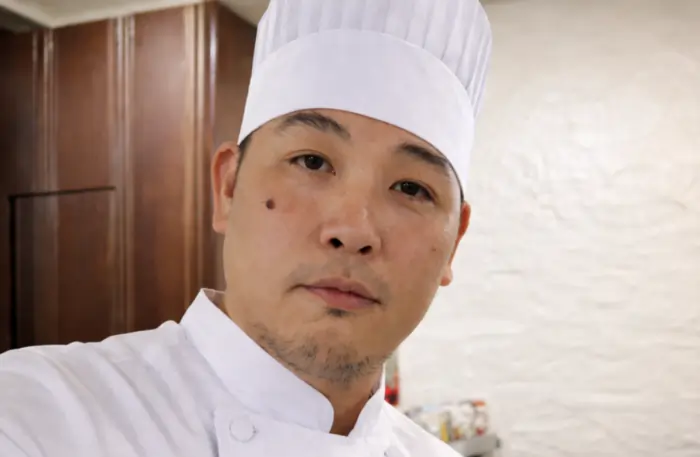
Chef Juan Gadi brings the heart of Filipino hospitality to Ubud, Bali. As an Executive Chef and consultant, he specializes in creating intimate, curated dining experiences that tell a story through every dish. Whether leading the kitchen at Kilig Filipino Warung or hosting a private villa dinner, Chef Juan’s approach is defined by warmth, modern technique, and a commitment to culinary excellence.