

Hidden Culinary Streets Worth Walking in Ubud Key Takeaways
Ubud’s culinary soul hides not on the main drags but in narrow lanes where the scent of lemongrass, sizzling satay, and fresh coffee drifts from family-run warungs.
- Hidden culinary streets worth walking in Ubud include Jalan Goutama and Jalan Dewisita , lined with traditional warungs and family-owned restaurants serving Balinese classics.
- Travelers can enjoy authentic dining experiences like nasi campur, babi guling, and lawar — all crafted by local chefs using heirloom recipes.
- Walking these streets supports sustainable tourism and cultural immersion , offering a genuine taste of Bali beyond the tourist hotspots.
What Makes Ubud’s Hidden Culinary Streets a Must-Walk for Food Travelers
When I first moved to Ubud as an Executive Chef, I quickly learned that the island’s most unforgettable meals don’t happen at fancy resorts. They happen down unpaved alleys where a grandmother stirs a pot of lawar, or at a wooden bench under a banyan tree where a third-generation warung owner serves babi guling with a side of laughter. The hidden culinary streets worth walking in Ubud are exactly that: intimate, authentic, and deeply rooted in Balinese cuisine. For culinary tourists and food travel enthusiasts, these streets are a living classroom of Indonesian cuisine and culinary heritage. For a related guide, see Why Food Lovers Should Explore Bali Before Sunrise.
Unlike the busy main roads, these hidden alleys offer a slower pace — a chance to taste handmade dishes, talk to local chefs, and photograph food photography-worthy plates. Whether you are a solo traveler, digital nomad, or part of a travel group, wandering these lanes is the ultimate cultural food experience.
Jalan Goutama: The Heart of Ubud’s Food Walk
Of all the hidden culinary streets worth walking in Ubud, Jalan Goutama is my first recommendation. This narrow lane runs parallel to Jalan Hanoman but feels like a different world. Here, the crowds thin, and you find family-owned restaurants where recipes have been passed down for generations.
Must-Try Stops on Jalan Goutama
Start early — around 7 a.m. — when the morning mist lifts and local cafes begin roasting coffee. I often grab a cup of Bali Kintamani at Goutama Coffee Shop, a tiny spot with three tables and a welcoming smile. Then walk a few steps to Warung Goutama, a traditional warung known for its nasi campur with Balinese specialties like jackfruit curry and sambal matah. The authentic flavors here are pure cultural immersion.
What dishes should visitors try while exploring Ubud on foot? On Jalan Goutama, don’t miss the lawar — a spiced vegetable and mince salad — and the bebek betutu (slow-cooked duck wrapped in banana leaf). Both are textbook local food Ubud.
Jalan Dewisita: A Lane of Village Dining and Warung Traditions
Another of the best hidden culinary streets worth walking in Ubud is Jalan Dewisita. Running west of the main market, this street feels like village dining woven into urban life. It is quieter, greener, and packed with local eateries that prioritize local ingredients and handmade dishes.
Why Jalan Dewisita Attracts Food Lovers
Which streets are known for family-owned restaurants and traditional warungs? Jalan Dewisita is a prime answer. Here, Warung Dewisita serves a daily-changing menu of Balinese cuisine — sayur urap, grilled fish with sambal, and tempeh crisp. The owner, a local chef named Ibu Wayan, still cooks using her grandmother’s stone mortar. For destinations dining that feels like a home visit, this is it.
I recommend coming between 11 a.m. and 1 p.m. when the steam rises from the clay pots and the aromas draw you in. When is the best time to explore Ubud’s culinary streets? Late morning to early afternoon offers the freshest dishes and the liveliest food markets energy.
Ubud Market‘s Hidden Alleys: Where Street Food and Artisan Bakeries Meet
Most visitors know the main Ubud Market for souvenirs, but few realize that behind its facade lies a maze of hidden alleys with some of the most exciting Ubud street food. These narrow passages are where artisan bakeries sit next to sate stands, and tropical desserts are made fresh daily.
What to Eat in the Market Alleys
Walk through the side arch near the soccer field and you will find a row of traditional warungs selling bubur injin (black rice pudding with coconut milk) and pisang goreng (fried banana with honey). Across the path, a tiny café bakes cassava cake with pandan — a tropical dessert I still dream about. For food photography lovers, the colorful piles of spices and fried goods create stunning shots.
Where can travelers find authentic local food in Ubud? The market alleys are a goldmine for authentic dining — no English menus, just point and smile.
Beyond the Streets: Farm-to-Table and Coffee Shops in Ubud’s Culinary Scene
The hidden culinary streets worth walking in Ubud also lead to farm-to-table restaurants and coffee shops that emphasize local ingredients and sustainable tourism. I’ve worked alongside several local chefs who source daily from the surrounding rice terraces and organic farms.
Two Farm-to-Table Gems Walking Distance from the Center
Pondok Makan Farm (off Jalan Raya Ubud) offers a tasting menu that changes with the harvest. Think steamed greens with kelor leaves, grilled river fish, and a sambal made from wild chilies. Another spot, Warung Alam (in the alley behind the yoga barn), serves a set menu of Balinese specialties — all handmade dishes — on banana leaves. For culinary tourism that supports local farmers, these are unmissable.
How can travelers discover authentic Balinese dining beyond tourist hotspots? Simply walk these farm-to-table lanes, look for blackboards with daily specials, and ask the chef what is fresh that morning.
How to Plan Your Walking Tour of Ubud’s Hidden Culinary Streets
A walking tour of the hidden culinary streets worth walking in Ubud is easy to design. I suggest grouping them into a loop that takes three to four hours, with plenty of stops for photos and snacks. Below is a suggested travel itinerary based on my own walks.
| Stop | Street / Area | Best For | Recommended Time |
|---|---|---|---|
| Breakfast: Bubur injin | Ubud Market alleys | Sweet tropical desserts | 7:30 – 8:30 a.m. |
| Coffee stop | Jalan Goutama | Local coffee shops | 9:00 a.m. |
| Lunch: Nasi campur | Jalan Goutama (Warung Goutama) | Traditional warungs | 11:30 a.m. |
| Afternoon snack | Jalan Dewisita | Village dining | 1:30 p.m. |
| Farm-to-table dinner | Off Jalan Raya Ubud (Pondok Makan Farm) | Farm-to-table restaurants | 6:00 p.m. |
This route covers the key hidden culinary streets worth walking in Ubud while ensuring you taste a broad spectrum of Balinese cuisine and Indonesian cuisine. Are Ubud’s hidden food streets suitable for first-time visitors? Absolutely — they are safe, walkable, and most warungs are welcoming to travelers. For a related guide, see 7 Cultural Experiences That Make Ubud Worth Visiting.
Why These Streets Matter for Local Businesses and Cultural Immersion
As a chef who has made Ubud a second home, I see these streets as the backbone of authentic Bali. Every traditional warung, family-owned restaurant, and local café you support helps preserve culinary heritage and provides income for local chefs and food markets. How can visitors support local businesses while enjoying Ubud’s food scene? Eat locally, ask about ingredients, leave a generous tip, and share your food photography posts with the business tagged.
Why are Ubud’s hidden culinary streets considered one of Bali’s best food experiences for travelers seeking authentic local culture? Because they are the opposite of the tourist bubble. They offer cultural food experiences that connect you to Balinese cuisine at its source — the local ingredients, handmade dishes, and smiles of family-owned restaurants. For destination dining that leaves a lasting impression, these lanes are the true hidden gems Ubud.
Useful Resources
To plan your own culinary walk, check out these trusted sources:
- Lonely Planet’s Ubud Travel Guide – Comprehensive tips on neighborhoods and local dining.
- Eat Drink Bali – Ubud Food Guide – Curated list of warungs and restaurants by local writers.
Frequently Asked Questions About Hidden Culinary Streets Worth Walking in Ubud
What are the best hidden culinary streets in Ubud?
The top streets are Jalan Goutama and Jalan Dewisita, along with the alleys behind Ubud Market. These are the hidden culinary streets worth walking in Ubud for authentic food.
Where can travelers find authentic local food in Ubud?
Head to traditional warungs on Jalan Goutama and Jalan Dewisita, and explore the market alleys for Ubud street food and Balinese cuisine.
Which streets are known for family-owned restaurants and traditional warungs ?
Jalan Goutama and Jalan Dewisita are famous for family-owned restaurants and traditional warungs serving Balinese specialties and Indonesian cuisine.
What dishes should visitors try while exploring Ubud on foot?
Must-eats include nasi campur, lawar, babi guling, bebek betutu, sate lilit, and bubur injin — all handmade dishes using local ingredients.
Are Ubud’s hidden food streets suitable for first-time visitors?
Yes. The hidden culinary streets worth walking in Ubud are safe, walkable, and welcoming to first-time visitors and solo travelers.
What makes Jalan Goutama and Jalan Dewisita popular among food lovers?
Their concentration of traditional warungs, family-owned restaurants, and authentic flavors make them top destinations for culinary tourism.
How can travelers discover authentic Balinese dining beyond tourist hotspots?
Walk the hidden alleys behind Ubud Market and the farm-to-table lanes off Jalan Raya Ubud, where local chefs cook with local ingredients.
When is the best time to explore Ubud’s culinary streets?
Late morning to early afternoon (11 a.m.–2 p.m.) offers the freshest dishes and the most active food markets and local eateries.
How can visitors support local businesses while enjoying Ubud’s food scene?
Dine at family-owned restaurants, buy directly from food markets, leave tips, and share food photography with the business tagged.
Why are Ubud’s hidden culinary streets considered one of Bali’s best food experiences?
They offer cultural immersion through Balinese cuisine, handmade dishes, and connections with local chefs — perfect for authentic dining.
Can I find vegan options on these culinary streets?
Yes. Many traditional warungs serve dishes like sayur urap, tempeh, jackfruit curry, and vegetable lawar that are naturally vegan.
Do I need a guide to walk these streets?
No. The hidden culinary streets worth walking in Ubud are easy to navigate on foot. A simple map or travel itinerary is enough.
What is a typical budget for a food walk in Ubud?
A meal at a traditional warung costs between 30,000 and 70,000 IDR (about $2–$5 USD). A full walking tour with snacks and drinks is roughly 150,000–250,000 IDR.
Are there dessert options for foodies in Ubud’s hidden streets?
Absolutely. Look for tropical desserts like bubur injin, pisang goreng, and kolak, especially in the market alleys and artisan bakeries.
Can I take professional food photos at warungs?
Most family-owned restaurants welcome food photography. Always ask with a smile — it is a great way to support local eateries.
What drinks pair best with Balinese street food?
Fresh young coconut water, iced lemongrass tea, or a glass of Bali Kintamani coffee complement the spicy Balinese cuisine perfectly.
Are the culinary streets open on Sundays?
Yes. Most traditional warungs and local cafes are open from morning until evening, though some close for afternoon prayers.
What should I wear when exploring Ubud’s food alleys?
Light, breathable clothing and comfortable walking shoes. A scarf is useful if you visit village dining areas near temples.
How spicy is traditional Balinese food?
Many Balinese specialties use sambal and chilies, but you can always ask for less spicy versions. Warung owners are happy to adjust.
Can children enjoy the food on these streets?
Yes. Family-owned restaurants offer mild dishes like fried rice, noodles, and grilled chicken that kids love.
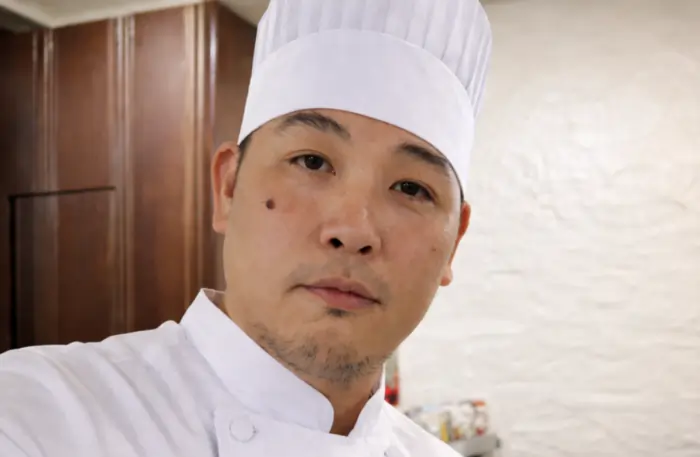
Chef Juan Gadi brings the heart of Filipino hospitality to Ubud, Bali. As an Executive Chef and consultant, he specializes in creating intimate, curated dining experiences that tell a story through every dish. Whether leading the kitchen at Kilig Filipino Warung or hosting a private villa dinner, Chef Juan’s approach is defined by warmth, modern technique, and a commitment to culinary excellence.