

Local Farmers Influence Bali’s Restaurant Scene Key Takeaways
Local farmers influence Bali’s restaurant scene by supplying the freshest tropical produce, spices, and seafood that define authentic Balinese flavors.
- Local Farmers Influence Bali’s Restaurant Scene through direct partnerships that ensure peak-season ingredients reach your plate within hours of harvest.
- Chefs across the island prioritize seasonal ingredients from nearby organic farms and village producers, making menus more vibrant and authentic.
- Supporting this network strengthens Bali’s economy, protects its iconic rice terraces , and lets travelers taste the true soul of the island.

What Role Do Local Farmers Play in Bali’s Restaurant Scene?
Picture this: you are seated at a wooden table in Ubud, the evening air carrying the scent of frangipani and grilled local seafood. The dish before you is a Balinese cuisine masterpiece—a delicate lawar made with jackfruit, fresh grated coconut, and a whisper of Balinese spices. Every bite connects you to a farmer who woke before dawn to harvest those ingredients. This is the essence of how local farmers influence Bali’s restaurant scene.
Bali’s farmers are not just suppliers; they are the keepers of cultural traditions and traditional farming techniques passed down through generations. They work the rice terraces in the island’s lush highlands, cultivate organic farms on volcanic slopes, and bring tropical fruits and fresh vegetables to bustling local markets. Without them, the Bali restaurant scene would lose its soul. Restaurants would rely on imported ingredients that lack the vibrancy of locally grown produce. The authentic flavors that draw culinary tourism to the island would fade. For a related guide, see The Ingredients Behind Authentic Filipino Dining Experiences in Bali.
As Chef Juan Gadi often says, “A dish tells a story, and in Bali, that story begins in the soil.” Whether it is the fiery kick of a bird’s eye chili or the sweetness of a sun-ripened mango, the farmer’s hand is present in every plate served at the island’s best farm-to-table restaurants.
How Do Bali Restaurants Source Fresh Local Ingredients?
The journey from farm to fork in Bali is refreshingly short. Most chefs build direct relationships with village farmers and family-owned farms, bypassing long food supply chain systems. This is not a marketing gimmick; it is a practical necessity for creating exceptional food.
Morning Market Runs and Direct Farm Visits
Before the sun climbs over the volcanoes, chefs and their sous chefs head to traditional local markets like Ubud Market or Badung Market in Denpasar. There, they handpick local produce from farmers who have been selling at the same stalls for decades. This ritual ensures that what goes into the kitchen is at its peak of flavor. Many chefs also visit organic farms in村庄 like Sibetan or Munduk to inspect crops, plan seasonal menus, and negotiate prices directly.
Chef Partnerships That Go Beyond Transactions
The most successful restaurants treat their farmer relationships as genuine chef partnerships. They work with growers to experiment with heirloom varieties of Balinese spices and fresh vegetables. For example, a chef might ask a farmer in the Bedugul highlands to grow a specific type of tomato known for its sweetness, guaranteeing a purchase before the seeds even go into the ground. This kind of collaboration ensures that the farm-to-table Bali movement is built on trust and shared creativity.
Why Is Farm-to-Table Dining Growing in Bali?
The rise of farm-to-table Bali is not just a trend; it is a response to a deeper hunger among travelers for authenticity. When you travel, you want to taste something real. You want to know where your food came from and who grew it. This desire drives the growth of sustainable dining across the island.
Sustainable tourism has become a priority for many visitors, and what they eat is the most direct way they can participate. By choosing restaurants that source local ingredients, travelers reduce the carbon footprint of their meals and support the local economy. Furthermore, the Bali food culture is deeply rooted in ceremonies and offerings. When a restaurant uses ingredients grown on the island—like the tropical fruits used in offerings or the rice grown in rice terraces—it honors those cultural traditions. For a related guide, see Why Bali Remains a Favorite Destination for Food Lovers.
For food travel enthusiasts, eating farm-to-table is the ultimate way to understand a destination. It transforms a meal from a simple act of nourishment into a journey through the landscape, the seasons, and the lives of the people who shape the land.
What Crops and Ingredients Are Commonly Supplied by Balinese Farmers?
Bali’s volcanic soil and tropical climate produce an astonishing variety of ingredients. The local farmers influence Bali’s restaurant scene most profoundly through the bounty they provide. Here is what you will typically find on a farm-to-table menu in Bali:
| Ingredient Category | Examples | Key Growing Regions |
|---|---|---|
| Tropical Fruits | Mangosteen, snake fruit (salak), dragon fruit, jackfruit, passion fruit | Sibetan, Karangasem, Buleleng |
| Fresh Vegetables | Water spinach (kangkung), long beans, bitter gourd, chayote, cassava leaves | Bedugul, Kintamani, Tabanan |
| Balinese Spices | Turmeric, galangal, ginger, lemongrass, kaffir lime leaves, candlenut | All regions, especially highland farms |
| Local Seafood | Skipjack tuna, mackerel, red snapper, squid, shrimp | Jimbaran, Kusamba, Amed |
| Rice and Grains | Black rice, red rice, aromatic white rice | Tabanan, Gianyar, Bangli |
These ingredients are the building blocks of authentic Balinese food. The seasonal ingredients dictate what appears on menus, encouraging chefs to be creative and flexible rather than static and predictable.
How Do Local Farmers Influence the Flavor and Authenticity of Balinese Cuisine?
The taste of a dish in Bali is directly tied to the health of the soil and the skill of the farmer. Balinese farming methods, many of which are forms of regenerative agriculture, produce ingredients with a depth of flavor that mass-produced imports cannot match.
Consider the humble tomato. A tomato grown in the volcanic soil of Kintamani, ripened slowly under the tropical sun, will explode with sweetness and acidity. A mass-farmed tomato shipped from overseas will be pale by comparison. The same is true for Balinese spices. Fresh turmeric and galangal, dug from the earth just hours before they are pounded into a paste, have a pungent, floral quality that dried or imported versions lack. This is the crucial way that local farmers influence Bali’s restaurant scene—they provide the raw materials for authentic flavors that cannot be replicated anywhere else.
Furthermore, farmers preserve traditional farming knowledge that is essential to the cuisine. They know the precise time to harvest a particular variety of banana for its leaves, or how to dry coconut in a way that retains its fragrance for sambal. This generational wisdom is the backbone of Indonesian cuisine as it is expressed in Bali.
Which Restaurants Prioritize Locally Sourced Produce?
While the list of farm-to-table restaurants is growing, a few stand out for their deep commitment to local ingredients. These are the places where you can truly experience the connection between farmer and plate.
Locavore (in Ubud) is legendary for its dedication to zero-waste and local sourcing. They work with multiple organic farms and even forage for wild ingredients. Moksa in Ubud operates its own permaculture garden, ensuring that every leaf and root on the plate is grown with sustainable farming principles. Kilig Filipino Warung, under the guidance of Chef Juan Gadi, practices the same philosophy, sourcing the best local seafood and vegetables from Balinese markets and farms to create a modern Filipino dining experience that respects the land.
These restaurants are the vanguard of destination dining in Bali. They prove that ethical sourcing and exceptional taste go hand in hand. For travelers looking for authentic dining, these are the addresses to save.
How Does Supporting Local Farmers Benefit Bali’s Economy and Sustainability?
Every meal you eat at a restaurant that sources from Balinese farmers is a direct investment in the island’s future. The economics are simple: money spent on local produce stays in the community. It pays for a child’s education, repairs a roof, or buys seeds for the next planting season. This is the foundation of community tourism that benefits everyone, not just large hotel corporations.
Moreover, this support encourages sustainable farming practices. When farmers have a reliable income from restaurant partnerships, they are less likely to sell their land to developers for resorts or villas. They continue to tend the rice terraces that are the iconic landscapes of Bali. This is a crucial form of sustainable tourism that preserves the environment and the culture simultaneously. The food sustainability achieved through these relationships ensures that future generations can enjoy the same bounty.
What Can Travelers Learn from Bali’s Farm-to-Table Food Culture?
For the food traveler, Bali offers a masterclass in how food connects people to place. The lesson is simple: eat seasonally, eat locally, and ask questions. When you sit down at a restaurant and the waiter tells you that the pumpkin in your soup was harvested yesterday from a farm in the highlands, you are not just eating a meal; you are participating in a story.
Travelers can also learn about agricultural tourism by visiting farms themselves. Many organic farms in Bali offer tours and cooking classes. You can walk through a rice terraces, pick your own fresh vegetables, and learn how to make a traditional bumbu (spice paste). This experience transforms the way you see food. It builds respect for the labor and love that goes into every dish.
How Can Visitors Experience Authentic Meals Made with Seasonal Local Ingredients?
Experiencing authentic Balinese food does not require a reservation at a fine-dining establishment (though that helps). Some of the most memorable meals come from the simplest sources. Here is how to eat like a local and support farmers:
- Visit a local market in the morning. Go to the Gianyar Night Market or Ubud Market early. Even if you do not buy ingredients, you will see the incredible variety of tropical fruits and local produce.
- Eat at a warung that serves home-cooked meals. Look for warungs where the grandmother is in the kitchen cooking with seasonal ingredients.
- Book a farm-to-table experience. Many restaurants offer lunch or dinner in the middle of a farm or rice terraces. This is destination dining at its most authentic.
- Ask the chef. When you eat at a restaurant, ask where the ingredients come from. Good chefs will be delighted to tell you the story of their local producers.
By doing these things, you directly support the Bali local farmers who are the unsung heroes of the Bali restaurant scene.
Why Are Partnerships Between Farmers and Restaurants Important for the Future of Bali’s Culinary Tourism?
The future of culinary tourism in Bali depends on the strength of the bond between the soil and the plate. As the island attracts more visitors, the pressure to import cheap ingredients will increase. If that happens, the authentic dining that makes Bali special will disappear. The taste will become generic. The story will be lost.
Chef partnerships that are based on mutual respect and fair pricing are the antidote to this. They create a food supply chain that is resilient, ethical, and delicious. They encourage young people to see Balinese farming as a viable and respected career. They preserve the culinary heritage of the island for future generations. As Chef Juan Gadi knows, a great meal is a circle of care—from the farmer who grows the seed to the chef who plates the dish to the traveler who savors it. When that circle holds, everyone benefits.
Useful Resources
To dive deeper into the world of Bali agriculture and farm-to-table experiences, explore these credible resources:
- Lonely Planet: Top Farm-to-Table Restaurants in Bali – A travel guide roundup of the best places to eat locally sourced meals on the island.
- Indonesia Travel: Authentic Culinary Experiences in Bali – The official tourism site offers insights into food tours, market visits, and cooking classes that highlight local ingredients.
Frequently Asked Questions About Local Farmers Influence Bali s Restaurant Scene
What role do local farmers play in Bali’s restaurant scene?
Local farmers are the primary source of fresh, seasonal ingredients for most restaurants in Bali. They supply everything from tropical fruits and fresh vegetables to spices and seafood, which form the foundation of authentic Balinese cuisine. Their traditional farming methods and close relationships with chefs ensure that dishes are vibrant and genuinely local.
How do Bali restaurants source fresh local ingredients ?
Many Bali restaurants source ingredients by visiting local markets at dawn, building direct partnerships with family-owned farms, or growing their own produce in on-site gardens. Chefs often travel to villages like Sibetan or Bedugul to handpick produce and collaborate with farmers on seasonal menus.
Why is farm-to-table dining growing in Bali?
Farm-to-table dining is growing in Bali because travelers increasingly seek authentic, sustainable experiences. They want to know where their food comes from, and they value dishes that support local economies and reduce environmental impact. This trend aligns perfectly with Bali’s rich agricultural heritage.
What crops and ingredients are commonly supplied by Balinese farmers?
Balinese farmers supply a wide array of ingredients including tropical fruits like mangosteen and snake fruit, fresh vegetables such as water spinach and long beans, essential Balinese spices like turmeric and galangal, local seafood, and various rice varieties. These ingredients are the backbone of the island’s cuisine.
How do local farmers influence the flavor and authenticity of Balinese cuisine ?
Local farmers influence flavor by using regenerative agriculture and traditional farming techniques that yield ingredients with superior taste. Spices and vegetables grown in Bali’s volcanic soil are more aromatic and flavorful than imported alternatives, making dishes like lawar and sambal taste genuinely authentic.
Which restaurants prioritize locally sourced produce?
Notable restaurants include Locavore and Moksa in Ubud, which are famous for their zero-waste and local sourcing policies. Kilig Filipino Warung also sources local seafood and vegetables directly from Balinese markets, showcasing the best local ingredients in a modern context.
How does supporting local farmers benefit Bali’s economy and sustainability?
Supporting local farmers keeps money within the community, funds education and infrastructure, and encourages farmers to maintain their land rather than selling to developers. This strengthens sustainable tourism and preserves Bali’s iconic rice terraces and farming landscapes.
What can travelers learn from Bali’s farm-to-table food culture?
Travelers learn the importance of eating seasonally and locally. They gain an appreciation for the hard work behind every meal, discover how food connects culture and environment, and understand how their dining choices can support community tourism and environmental conservation.
How can visitors experience authentic meals made with seasonal local ingredients ?
Visitors can visit morning markets, eat at family-run warungs, book farm-to-table dining experiences in the middle of rice terraces, and ask chefs about the origins of their ingredients. Cooking classes on organic farms also provide hands-on exposure to local produce.
Why are partnerships between farmers and restaurants important for the future of Bali’s culinary tourism ?
These partnerships ensure a resilient food supply chain that prioritizes quality and sustainability over cheap imports. They help preserve culinary heritage, make farming an attractive career for younger generations, and keep Bali’s dining scene unique and authentic for global food travelers.
What is agricultural tourism in Bali?
Agricultural tourism in Bali involves visiting working farms, rice terraces, and organic gardens. Tourists can participate in planting, harvesting, and cooking classes. It is a way to connect with the land and the farmers who sustain Bali’s food culture.
Are there organic farms in Bali that accept visitors?
Yes, many organic farms in Bali welcome visitors. Examples include the Big Tree Farms in Tabanan and the Bali Buda organic farm near Ubud. They offer tours, workshops, and farm-to-table meals that highlight the benefits of sustainable farming.
What are Balinese spices used in local cooking?
Key Balinese spices include turmeric, galangal, ginger, kencur (lesser galangal), candlenut, lemongrass, and kaffir lime leaves. These spices are ground into pastes called bumbu that form the base of most Balinese dishes, providing complex, aromatic flavors.
How do traditional farming methods benefit the environment?
Traditional farming methods in Bali, such as the Subak irrigation system, promote biodiversity, soil health, and water conservation. These practices are forms of regenerative agriculture that restore ecosystems rather than depleting them, ensuring long-term food sustainability.
What is the Subak system?
Subak is a traditional Balinese cooperative irrigation system that manages water distribution for rice terraces. It is a UNESCO-recognized cultural landscape that reflects the deep spiritual and ecological connection between Balinese farmers and the land.
Can I take a cooking class in Bali using local ingredients ?
Absolutely. Many cooking schools in Ubud, Seminyak, and Canggu offer classes that start with a market tour to buy fresh produce and spices. You then learn to prepare classic Balinese dishes, gaining insight into how local farmers influence every recipe.
How do restaurants handle seasonal changes in ingredient availability?
Skilled chefs adapt their menus to reflect seasonal ingredients. They develop flexible menus that change week to week or month to month based on what local farmers harvest. This ensures the food is always fresh, flavorful, and aligned with sustainable dining principles.
What are the best local markets to visit in Bali for fresh produce?
The best local markets include Ubud Market in the morning, Gianyar Night Market, Badung Market in Denpasar, and the Sukawati Art Market. These spots are filled with farmers selling fresh vegetables, fruits, spices, and seafood directly to the public.
How does farm-to-table help preserve Balinese food culture?
Farm-to-table practices preserve Balinese food culture by keeping heirloom ingredients and traditional recipes alive. When chefs use local produce, they support the continuation of age-old farming techniques and ensure that authentic flavors are passed down to future generations.
Is farm-to-table dining more expensive in Bali?
Farm-to-table dining can be slightly more expensive than standard mass-market meals because it reflects the true cost of ethical, high-quality ingredients. However, the value is higher—you pay for superior taste, environmental benefits, and direct support to the local economy.
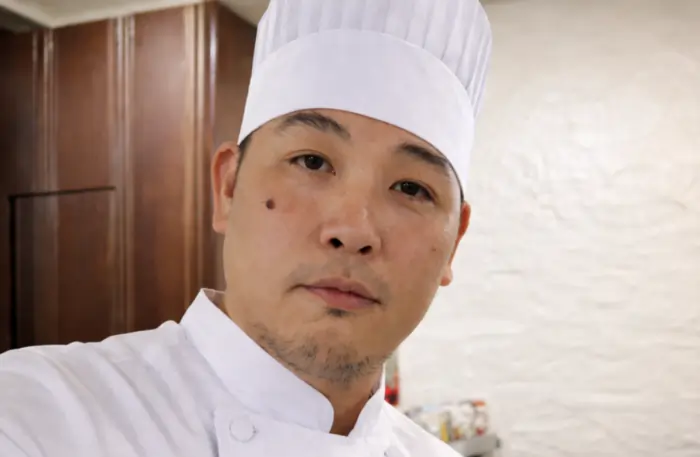
Chef Juan Gadi brings the heart of Filipino hospitality to Ubud, Bali. As an Executive Chef and consultant, he specializes in creating intimate, curated dining experiences that tell a story through every dish. Whether leading the kitchen at Kilig Filipino Warung or hosting a private villa dinner, Chef Juan’s approach is defined by warmth, modern technique, and a commitment to culinary excellence.