
Moments That Make Dining More Than Just a Meal Key Takeaways
Travelers who seek meaningful dining quickly discover that food is the surest path into a destination’s soul.
- Moments That Make Dining More Than Just a Meal center on connection — with locals, traditions, and the land itself.
- Bali’s authentic dining experiences — from communal dining in family compounds to sunset seafood feasts — offer deep cultural immersion .
- Prioritizing food travel that includes cooking classes , food tours , and local market visits enriches any Bali itinerary with travel memories that last a lifetime.

What Makes Dining More Than Just a Meal?
At its core, meaningful dining transcends the act of eating. It is the moment when a dish tells a story, when the hands that prepared it share a laugh with you, and when the flavors on your plate connect you to a place you may never call home. For the food traveler, every plate becomes a passport stamp. For the cultural traveler, each bite is a conversation with centuries of tradition. In Bali, that shift from feeding to connecting happens almost effortlessly — if you know where to look.
These moments that make dining more than just a meal are not reserved for the world’s most acclaimed restaurants. In fact, the most unforgettable often happen in the humblest settings: a plastic stool by a roadside warung, a bamboo table set under a thatched roof at the edge of a rice field, or a sandy patch of beach where fishermen grill the morning’s catch. They happen when we slow down, put away the phone, and let ourselves be fully present.
1. The Welcoming Aroma of a Family-Owned Warung
You step off Ubud’s main road and into a narrow lane. A few minutes later, the scent of sizzling shallots, turmeric, and lemongrass guides you to a small, open-front kitchen. A grandmother sits cross-legged on a woven mat, shredding coconut by hand. She looks up, smiles, and gestures for you to sit. This is the heartbeat of authentic dining in Bali: the family-owned restaurants and local warungs that serve traditional Balinese dishes made from recipes passed down through generations.
In these spaces, you are not a customer — you are a guest. The friendly locals treat your presence as an honor, not a transaction. The menu may be unwritten, but the food speaks a universal language. A plate of nasi campur — steamed rice surrounded by small mounds of spiced vegetables, shredded chicken, egg, and sambal matah — becomes a geography lesson. Each flavor reveals a local custom: the use of base genap (the complete spice paste that underpins Balinese cooking), the reverence for fresh ingredients from nearby local markets, and the philosophy of Tri Hita Karana, the Balinese concept of harmony between people, nature, and the divine.
How do shared meals create lasting travel memories? They do so precisely because of this hospitality. The act of breaking a lawar (a spiced minced meat and vegetable dish) together with a family that invites you into their home creates a bond that no luxury restaurant can replicate. These are not just meals; they are welcome mats into a culture.
2. A Morning at a Local Market: Where Food Travel Begins
Before you taste Bali, you must see Bali’s markets. Travel memories are forged in the early morning chaos of a local market like Pasar Badung in Denpasar or Ubud Market before the tourists arrive. The air is thick with competing smells — clove cigarettes, ripe durian, fried bananas, and incense. Stalls overflow with dragon fruit, snakefruit, long beans, and leaves you cannot name.
Here, food travel becomes an active, sensory exploration. A vendor hands you a slice of jackfruit, expecting nothing in return. Another woman, stacking pyramids of bright red chili, shows you how to pick the freshest turmeric root. These small acts of local hospitality are the building blocks of immersive experiences. You leave with not just a bag of ingredients but with stories — and often a handwritten recipe for a family’s sambal.
Joining a guided food tour that includes a market walk is one of the smartest investments a traveler can make. A knowledgeable guide translates the chaos, explains the spiritual significance of certain offerings seen among the vegetables, and introduces you to vendors who have sold there for decades. This is culinary tourism at its most respectful and rewarding.
3. Farm-to-Table Dining in the Rice Fields of Ubud
Bali’s farm-to-table dining movement is not a trend; it is a return to a way of eating that has existed for centuries. In villages like Mas, Nyuh Kuning, and along the Campuhan Ridge, restaurants and cooking classes source ingredients from gardens you can see from your table. You might pick a lemongrass stalk moments before it enters your broth, or watch a farmer harvest purple sweet potatoes from the very soil beneath the dining platform.
This kind of destination dining deepens your understanding of village cuisine. The ingredients are not flown in; they grow in the same volcanic soil that has nourished Balinese families for generations. The preparation methods — steaming in banana leaves, roasting over coconut husks, grinding spices with a mortar and pestle — are unchanged. When you eat a meal prepared this way, you taste the landscape itself. These are meals that nourish not just the body but the spirit, making them true pillars of travel wellness.
Why are authentic dining experiences more meaningful than luxury restaurants? Because authentic flavors come from a context — the field, the farmer, the recipe’s lineage — while luxury often focuses on presentation and exclusivity. Both have their place, but for the traveler seeking cultural immersion, the farm-to-table warung wins every time.
4. The Magic of a Shared Meal with Locals
Perhaps the most powerful of all the moments that make dining more than just a meal is the invitation to join a communal dining experience. In many Balinese villages, shared meals are a sacred act. During temple festivals, weddings, or even a casual family gathering, food is laid out on woven mats, and everyone sits together — men, women, children, and any foreign guest who happens to be nearby.
These experiences are rarely found on a menu. They are discovered through cultural immersion: staying in a homestay, participating in a village ceremony, or simply letting your curiosity lead you. The food might be simple — rice, a mild curry, some fried tempeh, and sambal — but the act of eating together, using your right hand, laughing without a shared language, is profound. It is shared experiences like these that answer the question: how can food help travelers build deeper connections with people and places? By reminding us that eating is the original human connector.
5. Sunset Dinners on Jimbaran Bay
The sun drops low over the Indian Ocean, turning the sky into a watercolor of orange and violet. Your toes push into warm sand. A long table draped in a white cloth holds a feast of grilled prawns, squid, clams, and whole snapper, all dressed with a simple squeeze of lime and house-made sambal. Sunset dinners on Jimbaran Bay are among the most celebrated Bali dining experiences, and for good reason.
Yet these sunset dinners are more than a postcard moment. The seafood dining tradition here is rooted in the daily rhythms of local fishing communities. The boats go out before dawn; the catch comes straight to the grill. The destination dining here is also a form of sustainable tourism, as many restaurants now work with local fishermen’s cooperatives to ensure fair pricing and seasonal harvesting.
For couples, these evenings are pure romance. For families, they become a shared memory of messy fingers and laughter in the salt air. In every case, they embody the travel inspiration that keeps people coming back to Bali, year after year.
6. Learning the Art of Balinese Cooking
If you really want to take a piece of Bali home with you, let it be the ability to cook its food. Cooking classes have become a rite of passage for the culinary enthusiast visiting the island. More than just learning a recipe, a good class is a cultural dining immersion that begins with a visit to a local market, continues with a tour of a family garden, and culminates in hours of chopping, grinding, and tasting alongside a Balinese ibu (mother).
You learn why the spice paste must be ground in a specific order — turmeric first, then ginger, then lesser galangal. You discover that the palm sugar used in sate lilit (minced seafood satay) is made from the sap of a particular type of coconut tree. And when you sit down to eat the meal you helped create, surrounded by your classmates (often a mix of solo travelers, couples, and families), you feel a sense of accomplishment that no souvenir can match.
Are food tours and cooking classes worth adding to a Bali itinerary? Absolutely. They are the single most effective way to shift from tourist to participant, from observer to creator. They are culinary adventures that deepen your appreciation for Southeast Asian cuisine and give you skills to recreate those memorable meals at home.
7. Discovering Hidden Food Gems in Off-the-Beaten-Path Villages
Bali’s hidden food gems are not on Google Maps. They are not on Instagram. They are the unmarked local warungs serving soto babat (tripe soup) in the highlands of Kintamani, the roadside grilled corn vendor near the Gitgit Waterfall, or the one-dish operation in a village near Sideman where a grandmother makes only jaja laklak (green rice flour pancakes with grated coconut) each morning until the batter runs out.
Discovering these places requires intention. It means renting a scooter and getting lost. It means asking a shopkeeper, “Where do you eat?” It means being open to authentic travel that does not have a hashtag. For backpackers and cultural travelers, these detours become the most treasured travel storytelling material. They are proof that the best food experiences are often the ones you stumble upon, not the ones you book.
What role do local traditions play in memorable meals? They provide the foundation. A meal eaten in a village that practices ancient cultural traditions — whether a ceremony, a harvest ritual, or a simple offering of rice before cooking — is never just fuel. It is a participation in something sacred and ongoing.
8. The Quiet Revelation of a Solo Meal
Not every moment that makes dining more than just a meal involves a crowd. For the solo traveler, some of the most profound moments come from eating alone — or rather, from being alone with the food. At a counter overlooking a banana grove, with a steaming bowl of bakso (meatball soup) in front of you, there is time to reflect.
This is where meaningful dining meets travel wellness. Without distraction, you taste more, you notice the layers — the crunch of fresh bean sprouts, the warmth of broth, the perfect chew of handmade noodles. You find yourself thinking about the farmer who grew the vegetables, the cook who ladled the broth, and the long thread of culinary heritage that brought this bowl to your hands. It is in these quiet moments that the question why do simple meals often become the most unforgettable travel moments? answers itself: because simplicity leaves room for connection.
What types of dining experiences should every Bali visitor try? Balance is key. A sunset dinner for the spectacle, a village communal dining for the connection, a cooking class for the skills, a food tour for the context, and at least one solo meal at a counter in a local warung for the soul. Each adds a different dimension to your destination experiences, together creating a rich tapestry of memorable vacations.
How to Build Your Own Meaningful Dining Journey in Bali
To make the most of your food travel, consider this simple framework: vary your settings, respect the culture, and always say yes to an invitation. Stay in a homestay where your host cooks. Book at least one food tour in the first two days to get oriented. Dedicate one day to exploring local markets and one afternoon to a cooking class. Eat at least three meals in local warungs that do not have English menus. And every evening, ask yourself, “What did I taste today that I have never tasted before?”
This is immersive experiences in practice. It is cultural immersion through the palate. And it is how dining stops being a meal and becomes a part of who you are.
Useful Resources
For deeper insight into Bali’s food culture and sustainable tourism practices, explore the following resources:
- ASEAN Sustainable Tourism Criteria — A framework that helps travelers understand how to support responsible tourism in Southeast Asia, including community-based culinary initiatives.
- Food and Bali — A dedicated guide to Balinese cuisine, cooking classes, and local food tours written by long-term expat residents.
Frequently Asked Questions About Moments That Make Dining More Than Just a Meal
What makes dining more than just a meal?
Dining becomes more than just a meal when it involves connection — to the cook, the culture, the ingredients, and the place. In Bali, this happens naturally in local warungs, communal dining settings, and farm-to-table dining experiences where the story behind the food is as important as the flavor.
How do shared meals create lasting travel memories ?
Shared meals create lasting travel memories because they involve interaction, emotion, and often a sense of belonging. Eating with friendly locals or fellow travelers at a family table turns a meal into a social event that strengthens your connection to a destination. For a related guide, see Why Destination Dining Is Becoming a Luxury Travel Trend.
Why are authentic dining experiences more meaningful than luxury restaurants?
Authentic dining offers context and story — the family recipe, the local ingredient, the cultural traditions behind the dish. Luxury restaurants may offer perfection, but authentic flavors and genuine local hospitality create emotional resonance that lasts long after the meal.
How does Balinese hospitality enhance the dining experience?
Balinese hospitality is rooted in the philosophy of Tri Hita Karana, which emphasizes harmony among people, nature, and the divine. This means guests are treated with genuine warmth and respect, and meals are served with an intention to nourish not just the body but also the spirit.
What role do local traditions play in memorable meals ?
Local traditions give meals structure and meaning. In Bali, offerings of rice and spices precede cooking, meals are often eaten together on the floor from shared plates, and recipes are passed down through generations. These rituals elevate eating into a cultural immersion experience.
Are food tours and cooking classes worth adding to a Bali itinerary?
Yes. Food tours and cooking classes are among the best investments for food travel. They provide context, teach practical skills, introduce you to hidden food gems, and create culinary adventures that deepen your understanding of Southeast Asian cuisine. For a related guide, see 12 Food Adventures That Go Beyond Restaurant Dining.
How can travelers connect with local culture through food?
Travelers can connect by eating at family-owned restaurants, visiting local markets, taking cooking classes, joining communal dining events, and staying in homestays where meals are shared. Each of these activities puts you in direct contact with local customs and the people who practice them.
What types of dining experiences should every Bali visitor try?
Every visitor should try a sunset dinner on the beach, a meal at a local warung off the tourist trail, a cooking class, a morning at a local market, and a communal dining experience in a family home or village. Each offers a different aspect of Bali dining experiences.
Why do simple meals often become the most unforgettable travel moments?
Simple meals leave room for connection — to the environment, the cook, and your own thoughts. Without complicated presentation or noise, the quality of the ingredients and the warmth of the setting shine, creating travel memories that feel deeply personal.
How can food help travelers build deeper connections with people and places?
Food is a universal language that breaks down barriers. Sharing a meal with friendly locals, cooking together, or even just eating street food side by side creates common ground. These shared experiences foster understanding and make destination experiences richer.
What is a warung in Bali?
A local warung is a small, often family-run eatery that serves traditional Balinese dishes at affordable prices. These are the backbone of authentic dining on the island and are known for their welcoming atmosphere and home-style cooking.
What are traditional Balinese dishes I should try?
Must-try traditional Balinese dishes include nasi campur, babi guling (suckling pig), bebek betutu (slow-roasted duck), sate lilit, and lawar. Each dish reflects the island’s spice-rich culinary heritage and use of fresh local ingredients.
Are there vegetarian or vegan options in Bali?
Yes, Bali is a haven for plant-based eaters. Many local warungs offer vegetarian versions of gado-gado, tempeh dishes, and urap. Ubud, in particular, has a thriving farm-to-table dining scene with many entirely vegan restaurants.
How do I find hidden food gems in Bali?
Ask locals. Rent a scooter and explore small villages. Look for local warungs with no English signs. Join a food tour led by a guide who knows cultural traditions. These strategies reveal hidden food gems that guidebooks often miss.
Is Balinese food very spicy?
Balinese food can be spicy, but the heat is layered with complex flavors. Authentic flavors are built from fresh chilies, but many dishes can be prepared mild upon request. The iconic sambal matah is spicy yet bright with shallot and lemongrass.
What is the best time of day for food tourism in Bali?
Morning is best for local markets and cooking classes. Late afternoon to sunset is ideal for sunset dinners. Evening is great for trying street food and seafood dining. Each time of day offers unique food experiences.
Can I find halal food in Bali?
Yes, especially in areas with large Muslim populations like Denpasar and parts of Canggu. Many local warungs and family-owned restaurants serve halal-certified options. It’s always a good idea to ask or look for halal signs.
How do I eat sustainably as a food traveler in Bali?
Choose farm-to-table dining, avoid single-use plastics, eat at local warungs instead of chain restaurants, and support sustainable tourism operators. Honoring local customs and buying directly from local markets also reduces your footprint.
What should I expect at a Balinese communal meal?
Expect to sit on the floor on woven mats, eat with your right hand, and share multiple small dishes. The atmosphere is warm and festive, and you will likely be offered more food than you can eat. This is cultural dining at its most authentic.
How do Balinese cooking classes work?
Most cooking classes begin with a trip to a local market, followed by a garden tour and hands-on preparation of several dishes. You then eat the meal you cooked. Classes typically last 3–5 hours and are perfect for culinary adventures and travel storytelling.
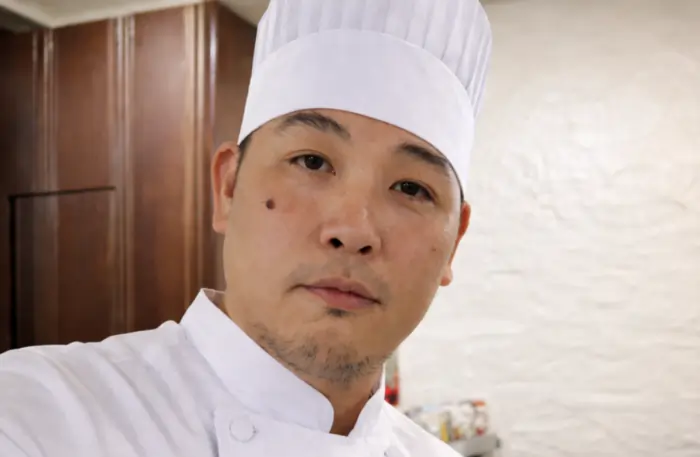
Chef Juan Gadi brings the heart of Filipino hospitality to Ubud, Bali. As an Executive Chef and consultant, he specializes in creating intimate, curated dining experiences that tell a story through every dish. Whether leading the kitchen at Kilig Filipino Warung or hosting a private villa dinner, Chef Juan’s approach is defined by warmth, modern technique, and a commitment to culinary excellence.