
Ways Food Brings People Closer Across Cultures Key Takeaways
Every culture on earth gathers around a table — whether that table is a woven mat on a rice-terrace edge, a bustling street-stall counter, or a linen-covered fine-dining setup.
- Shared meals act as a bridge for authentic connection, helping travelers and locals find common ground beyond words.
- Participating in cooking classes, visiting local markets, and dining at family-owned restaurants deepens cultural immersion and mutual respect.
- Food traditions — from family recipes to street food rituals — preserve cultural identity and invite visitors to become part of something bigger than tourism.

What Makes Food a Universal Language for Connection
Every culture on earth gathers around a table — whether that table is a woven mat on a rice-terrace edge, a bustling street-stall counter, or a linen-covered fine-dining setup. The act of eating together triggers a primal sense of safety and belonging. When you share a meal, you are saying, “I trust you enough to eat what you eat.” That trust is the foundation of all meaningful relationships.
In Bali, this principle is visible every day. Locals invite visitors to sit on low bamboo benches in local warungs, handing over a spoon without hesitation. The food itself becomes the conversation starter. You might not speak Indonesian, but your smile while tasting a spoonful of traditional Balinese dishes like lawar or bebek betutu says more than any phrase book could. The question of how does food bring people closer across cultures finds its answer in these small, everyday exchanges. For a related guide, see 10 Feel Good Food Moments Every Bali Traveler Should Experience.
For the food traveler, cultural food experiences offer a shortcut to genuine human interaction. Instead of observing a culture from behind a camera lens, you participate. You learn the names of spices, the history of a dish, and the pride a cook feels when you ask for seconds. That is the power of culinary tourism done right.
12 Practical Ways Food Brings People Closer Across Cultures
Below are twelve proven approaches that turn eating into an act of connection. Each method is illustrated with real examples from Bali, where Balinese hospitality meets global cuisine in the warmest possible way.
1. Join a Communal Dining Table at a Local Warung
Nothing breaks down social walls faster than communal dining. In Bali, local warungs serve heaping plates of nasi campur — mixed rice with a rainbow of side dishes — at long shared tables. You sit elbow-to-elbow with farmers, artists, and fellow travelers. A nod, a glance at someone’s plate, and suddenly you are comparing flavors.
This practice naturally answers the question of what makes communal dining meaningful. It reminds us that eating is not a private transaction but a collective experience. When you share a table, you share space, time, and attention. That is the heart of community dining.
2. Take a Hands-On Cooking Class in a Village Kitchen
Cooking classes offer more than a recipe — they offer context. In Ubud, a Balinese grandmother might welcome you into her home compound. Together you pound spices in a mortar, shred coconut by hand, and wrap banana-leaf parcels for lawar. You learn why turmeric is sacred, why offerings include food, and why her grandmother’s family recipes are never written down.
This answers the question of how do cooking classes and food tours encourage cultural exchange. They turn a tourist into a temporary family member. You leave with curry powder on your shirt and a friend on WhatsApp.
3. Explore Local Markets at Dawn
Local markets are the heartbeat of village cuisine. In Bali, the Pasar Ubud and Pasar Badung markets explode with color, scent, and sound. Vendors slice dragon fruit, pile high turmeric roots, and argue gently over the price of vanilla pods. Walking through these aisles, you learn what people actually eat — not what a hotel buffet offers.
The deeper lesson here relates to what role do local markets play in experiencing authentic culture. Markets are not staged. They are real economic and social hubs. When you buy a handful of snake fruit and eat it while walking, you are not just a spectator — you are part of the daily rhythm.
4. Eat Street Food Alongside Locals
Street food is the most democratic dining experience on earth. In Bali, satay sticks sizzle over charcoal on almost every corner. A small plastic stool, a paper plate, and a chili sauce bottle — that is all you need to connect. The vendor remembers your face after one visit. The second time, they already know your order.
Street food naturally answers how can travelers respectfully connect with local communities through food. You show respect by eating what is offered, paying the local price, and saying “thank you” in the local language. That simple exchange is more powerful than a thousand posed photographs.
5. Dine at Family-Owned Restaurants Passed Down Through Generations
Family-owned restaurants preserve culinary heritage in a way that chains never can. In the quiet streets of Sanur, a three-generation family might run a small warung serving the same traditional Balinese dishes their great-grandmother cooked. The recipes are not on a computer — they are in muscle memory.
This answers the question of why are family recipes important to cultural identity. They carry history, migration, survival, and celebration. When you eat a dish that has been perfected over decades, you taste time itself.
6. Participate in a Temple Offering Ceremony Feast
Food in Bali is deeply spiritual. During temple ceremonies (odalan), villagers prepare massive quantities of rice cakes, roasted pig, and fruit towers. Visitors are often invited to eat after the gods have been offered. This is not a performance — it is sincere Balinese hospitality.
Sharing in a ceremony meal answers the question of why do shared meals create stronger human connections. Because the food has been blessed. Because you are eating what is sacred to the community. Because the act of receiving transforms you from outsider to guest of honor.
7. Visit a Farm-to-Table Initiative in the Rice Terraces
Farm-to-table dining is not a trend in Bali — it is a revival of tradition. In Jatiluwih or Sidemen, local farmers open their fields to travelers for lunch. You walk between paddies, watch ducks patrol the irrigation channels, and then eat vegetables picked an hour ago. The connection between soil and plate becomes visceral.
This experience directly illustrates how local cuisine can improve cultural understanding while traveling. When you see how hard it is to plant rice in flooded terraces, you stop wasting food. You understand why rice is sacred. You feel gratitude for every grain.
8. Go on a Small-Group Food Tour Led by a Local
Food tours led by a local guide are not about eating twelve dishes in three hours — they are about context. A good guide introduces you to the sesame-oil lady who has been frying tofu since 1984. He tells you why a particular sambal is called “deadly” and how it survived colonial suppression.
These tours naturally answer how does food bring people closer across cultures by layering narrative over flavor. You remember the story, not just the taste. That story becomes part of your own travel storytelling.
9. Learn the Art of Batur (Balinese Mixed Rice) with a Local Family
Nothing compares to being invited into a Balinese home for lunch. A family might spread banana leaves on the floor, pile rice in the center, and surround it with jackfruit curry, lawar, satay, and sambal. Everyone eats with their right hand, mixing flavors to form perfect bites.
This kind of shared experiences answers the question of how can trying local cuisine create lasting friendships and unforgettable travel memories. Because the meal is not transactional. It is a gift. You laugh, you fumble with your fingers, someone teaches you the correct scooping motion — and by dessert, you are family.
10. Visit a Coffee Plantation and Learn Traditional Brewing Methods
Bali’s highlands produce exceptional arabica — and the coffee culture here is intimate. At a plantation in Kintamani, a farmer shows you how to roast beans over an open fire and grind them with a mortar. You sit on a hillside, cup in hand, watching the volcano across the valley. The conversation drifts from beans to life philosophy.
This form of food travel shows that food and culture are inseparable. The drink is a delivery mechanism for connection. You leave with a bag of beans and a new perspective on what hospitality means.
11. Join a Beachside Seafood Barbecue with Local Fishermen
On the southern beaches of Bali — Jimbaran Bay — local fishermen grill the morning’s catch right on the sand. Travelers sit at low tables, feet in the sand, choosing fish directly from the ice chest. The fishermen tell you how they caught the red snapper, which reef it came from, and how their grandfather taught them the net technique.
This form of authentic dining answers the question of what makes communal dining meaningful. The setting is raw. No air conditioning. No menu. Just fresh fish, fire, and the sound of waves. Those evenings become core travel memories.
12. Document Your Food Journey Through Travel Storytelling
Finally, the best ways food brings people closer across cultures include how you share those experiences. Write about the grandmother who taught you to make lawar. Photograph the hands that wrapped your satay. Record the sounds of a market at dawn. When you share travel storytelling with honesty and respect, you invite others to see the world through a different lens.
This practice aligns with sustainable tourism and cultural appreciation. It moves travel from a checklist to a dialogue. Your story might inspire someone else to try hidden food gems, to sit at a communal table, or to say yes to a stranger’s invitation to dinner. That is how food connects us — one meal, one story, one friendship at a time.
Why Bali Is the Perfect Lens for Understanding Food and Culture
Bali is a microcosm of everything good about culinary tourism. It offers Southeast Asian cuisine at its most vibrant, local customs that treat food as sacred, and friendly locals who genuinely want you to feel at home. The island’s destination dining scene ranges from hidden food gems in back alleys to open-air kitchens in the rice fields.
More importantly, Bali demonstrates that food connections do not require luxury. Some of the most transformative cultural food experiences happen on a plastic stool for two dollars. The price does not determine the depth of connection — the openness of the people does. For first-time visitors to Bali, solo travelers, couples, or digital nomads, the island offers countless entry points into meaningful travel through its local cuisine.
How to Approach Food Travel with Respect and Curiosity
Before you board a plane to anywhere — especially Bali — adopt a few mindset shifts. First, cultural appreciation means eating what is offered without complaint. Second, authentic hospitality is a two-way street: when a local shares their food, share your gratitude. Third, prioritize sustainable tourism by choosing family-owned restaurants and local warungs over international chains. These small choices preserve culinary heritage and keep money in the community.
When you travel with an open palate and an open heart, the ways food brings people closer across cultures become effortless. You stop being a tourist and start being a guest.
Useful Resources
Explore more about the intersection of food, travel, and culture with these carefully selected resources:
- World Food Travel Association — Cultural Food Experiences — A global authority on culinary tourism offering research, guides, and best practices for food travelers and industry professionals.
- Bali Golden Tour — Balinese Cooking Class Experiences — A practical guide to authentic cooking classes in Bali, with insights into local ingredients, family-run settings, and cultural protocols.
Frequently Asked Questions About Ways Food Brings People Closer Across Cultures
How does food bring people closer across cultures?
Food acts as a universal language that bypasses verbal barriers. Sharing a meal creates a space of trust, generosity, and mutual curiosity. When you eat what locals eat, you show respect for their traditions, which naturally opens the door to deeper conversation and friendship. In Bali, this happens daily as travelers sit at communal dining tables in local warungs and bond over traditional Balinese dishes.
Why do shared meals create stronger human connections?
Eating together triggers oxytocin — the bonding hormone — and reduces social anxiety. Historically, sharing food was an act of survival cooperation. Today, it signals trust and equality. When you break bread (or rice) with someone, you are silently agreeing to be vulnerable together. That vulnerability is the foundation of strong emotional bonds, which is why community dining is so powerful in destinations like Bali.
How can local cuisine improve cultural understanding while traveling?
Local cuisine is a direct expression of geography, history, religion, and climate. Tasting a dish teaches you what grows in the region, what festivals are celebrated, and what spices arrived via ancient trade routes. For example, eating village cuisine in Bali reveals the importance of coconut, rice, and turmeric in daily and spiritual life. Understanding food deepens your appreciation for the entire culture.
What makes communal dining meaningful?
Communal dining removes social hierarchies and creates an equal playing field. When everyone eats from shared platters with their hands, conversation flows freely. In Bali, communal dining at temple feasts or local warungs turns strangers into temporary family. It reminds us that food is not just fuel — it is a celebration of togetherness.
How do cooking classes and food tours encourage cultural exchange ?
Cooking classes and food tours provide structured opportunities for interaction. You ask questions, you laugh over mistakes, and you learn the story behind each ingredient. In a Balinese cooking class, you might chop vegetables alongside a grandmother who shares why certain foods are used in offerings. That exchange is genuine cultural dialogue, not just observation.
Why are family recipes important to cultural identity?
Family recipes are living history — they encode migration, adaptation, celebration, and survival. They are passed down by teaching, not writing, which makes them intimate. In Bali, family recipes for traditional Balinese dishes like lawar and sate lilit are guarded secrets. Eating them connects you to generations of cooks who perfected the balance of spices and textures.
How can travelers respectfully connect with local communities through food?
Respect starts with curiosity and humility. Accept food when offered, eat with your right hand if that is the custom, and never complain about spice levels in front of the cook. Learn a few local food words — “enak” (delicious) in Indonesian goes a long way. Support family-owned restaurants and local markets rather than resort buffets. This approach builds genuine food connections.
What role do local markets play in experiencing authentic culture?
Local markets are unfiltered windows into daily life. They show you what people actually buy, eat, and value. In Bali’s morning markets, you will see farmers selling produce, women weaving palm-leaf offerings, and children snacking on fried bananas. Visiting these markets with an open mind offers one of the richest cultural food experiences available to any traveler.
Why do food traditions help people overcome language barriers?
Food traditions rely on sensory communication — taste, smell, touch, and sight — which transcend vocabulary. You do not need to speak Balinese to understand that a dish is spicy or sweet. Nodding, smiling, and pointing at ingredients creates conversation without words. In local warungs across Bali, travelers and locals communicate perfectly through shared meals alone. For a related guide, see How Shared Meals Create the Most Meaningful Travel Memories.
How can trying local cuisine create lasting friendships and unforgettable travel memories ?
When you try local cuisine, you place yourself in a vulnerable, open position. That vulnerability invites warmth from others. A shared laugh over a too-spicy curry, a recommendation from a stranger that becomes your favorite meal — these moments become travel memories that last decades. In Bali, many travelers leave with WhatsApp numbers of cooks and market vendors they now call friends.
What are the best Bali food experiences for first-time visitors?
Start with a morning visit to Pasar Ubud, followed by a cooking class in a village home. Eat babi guling (suckling pig) at Ibu Oka in Ubud, and try bebek betutu (slow-cooked duck) in Seminyak. End your trip with a seafood barbecue on Jimbaran Bay. These Bali food experiences cover street food, village cuisine, and authentic dining in one trip.
Is street food safe to eat in Bali?
Yes, with basic precautions. Choose stalls that are busy with locals — high turnover means fresh ingredients. Watch the vendor cook your food in front of you. Avoid raw vegetables washed in tap water, and drink only bottled or boiled water. Eating street food is one of the most rewarding cultural food experiences when you choose wisely.
How can solo travelers benefit from food travel in Bali?
Food travel is naturally social for solo travelers. Shared tables at local warungs invite conversation. Cooking classes put you in a small group with a common goal. Food tours introduce you to guides and fellow foodies. Solo travelers often find that eating together is the fastest way to make temporary travel friends — and sometimes lifelong ones.
What is the role of food in Balinese Hindu culture?
Food in Balinese Hinduism is a conduit between the human and divine worlds. Offerings (canang) include rice, fruit, and flowers placed daily at temples, homes, and businesses. Certain dishes like lawar and babi guling are prepared exclusively for ceremonies. Understanding these food traditions deepens your appreciation of Balinese hospitality and the island’s spiritual rhythm.
Are there vegetarian or vegan options in Balinese cuisine?
Yes. While meat features in ceremonial dishes, daily Balinese cuisine includes plenty of plant-based options. Sayur urap (spiced shredded vegetables), tempeh satay, tofu curry, and jackfruit rendang are common. Many local warungs in Ubud and Canggu offer vegetarian versions of traditional dishes. Farm-to-table dining initiatives also emphasize fresh vegetables and rice.
How can I find hidden food gems in Bali?
Ask locals — your driver, homestay host, or a market vendor. Walk away from the main tourist streets and follow the smell of grilled satay. Use Google Maps to read recent reviews from locals, not just tourists. Apps like Grab and Gojek also list small family-owned restaurants that do not appear in guidebooks. Discovering hidden food gems is part of the joy of culinary tourism.
What is a typical Balinese daily meal structure?
Breakfast might be bubur (rice porridge) or banana pancakes. Lunch and dinner center on rice (nasi) accompanied by several small dishes — lawar, sate lilit, stir-fried vegetables, sambal, and peanuts. Meals are often eaten from a banana leaf or plate, with the right hand. This daily rhythm is the backbone of food traditions in Bali and an essential part of meaningful travel.
How can I support sustainable tourism through food in Bali?
Choose farm-to-table dining restaurants that source locally. Avoid buffets that import frozen ingredients. Pay fair prices without aggressive bargaining at local markets. Support cooking schools that employ village women and use organic gardens. These choices align culinary tourism with sustainable tourism, ensuring that your food connections benefit the community.
Can food travel truly change how I see the world?
Absolutely. When you eat with intention — learning names, ingredients, and stories — you stop seeing other cultures as exotic or foreign. You recognize shared humanity. The ways food brings people closer across cultures are not theoretical; they are practical, daily acts of courage and curiosity. One meal can shift your entire perspective on what it means to belong to the world.
What should I pack to make the most of food travel in Bali?
Bring a reusable water bottle with a filter, a small hand sanitizer, comfortable sandals for walking markets, and a light scarf or sarong for temple visits where food ceremonies take place. Carry an appetite for adventure — and leave your picky eating habits at home. That is the ultimate tool for cultural appreciation through local cuisine.
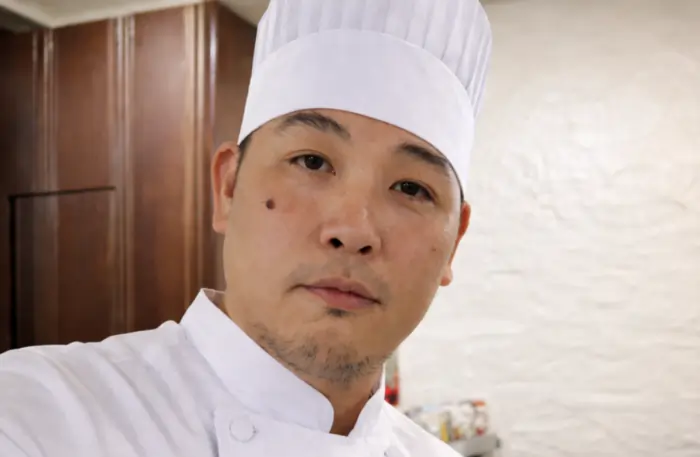
Chef Juan Gadi brings the heart of Filipino hospitality to Ubud, Bali. As an Executive Chef and consultant, he specializes in creating intimate, curated dining experiences that tell a story through every dish. Whether leading the kitchen at Kilig Filipino Warung or hosting a private villa dinner, Chef Juan’s approach is defined by warmth, modern technique, and a commitment to culinary excellence.