Ways Filipino Hospitality Creates Meaningful Connections Key Takeaways
Filipino hospitality is more than a service standard — it is a deeply rooted cultural philosophy that transforms ordinary travel into unforgettable human connection.
- Ways Filipino Hospitality Creates Meaningful Connections start with a genuine warm welcome that makes visitors feel instantly at ease.
- Shared meals, community spirit , and family-style dining build trust and friendship across cultures.
- Hospitality professionals can apply these principles to deliver authentic hospitality that stands out in global tourism.
What Makes Filipino Hospitality So Unique
When you ask what is Filipino hospitality, the answer goes far beyond a smile at check-in. It is a cultural code shaped by centuries of communal living, respect for elders, and a belief that every guest carries a blessing. Filipino culture treats the visitor as an extension of the family — a principle that defines Philippine hospitality in every setting, from a luxury resort in Palawan to a local eatery in the provinces. Chef Juan Gadi, who brings this ethos to Ubud, Bali, explains, “In the Philippines, you don’t just serve food. You serve your story, your heritage, and your heart.” For a related guide, see 12 Ways Food Brings People Closer Across Cultures.
This article explores 11 concrete ways this philosophy creates meaningful connections for travelers, food lovers, and hospitality professionals alike.
1. A Warm Welcome That Sets the Tone
The first point of contact in any Filipino hospitality experience is the warm welcome. Whether you step into a beachfront resort or a family-run homestay in Banaue, the greeting is sincere and unhurried. Visitors often remark that the smile they receive feels personal, not rehearsed. This genuine kindness immediately lowers barriers and opens the door for meaningful interactions.
Why is Filipino hospitality known around the world? Because that first smile is backed by action. Hosts offer water, ask about your journey, and share local tips before you even ask. For hospitality professionals, training staff to slow down and connect personally during check-in can replicate this effect anywhere.
2. Bayanihan — The Spirit of Community in Action
Perhaps the most powerful cultural force behind ways Filipino hospitality creates meaningful connections is bayanihan, the ancient tradition of communal unity and mutual help. Historically, bayanihan referred to neighbors physically lifting a whole bamboo house and carrying it to a new location. Today, it means that when a traveler needs assistance — a ride to the next town, a recommendation for a safe trail, or help with a flat tire — locals drop what they are doing to help.
This community spirit creates tourism experiences that feel less like transactions and more like friendships. Travelers who experience bayanihan often become storytellers themselves, sharing the anecdote with friends and inspiring more visits. Community tourism projects in places like Sagada and Palawan thrive on this value, inviting visitors to participate in local life rather than just observe.
3. Family-Style Dining and Shared Meals
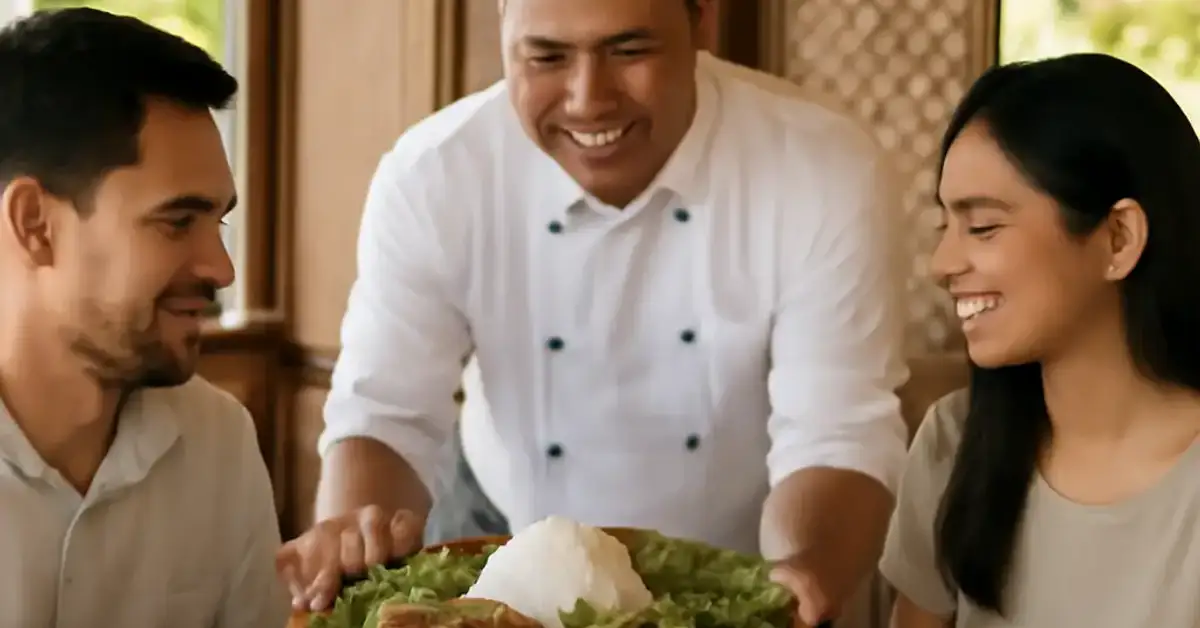
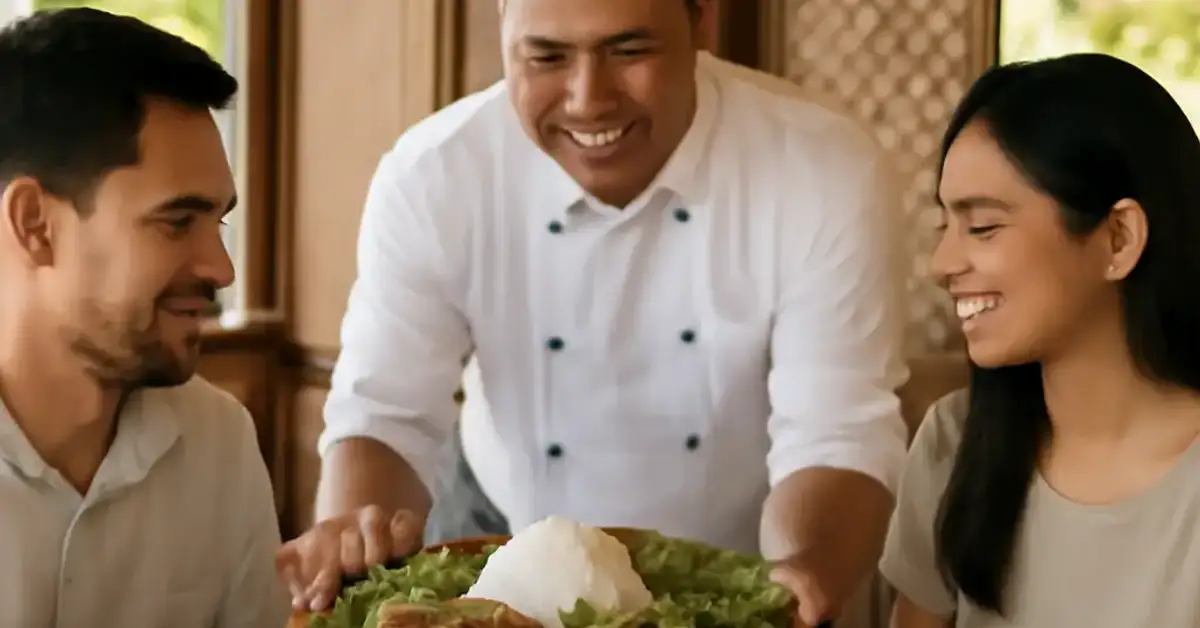
No discussion of Filipino hospitality is complete without the table. Family-style dining is the norm in the Philippines: dishes are placed in the center of the table, and everyone shares. This practice breaks down formality and encourages conversation. When Chef Juan Gadi hosts a private villa dinner in Bali, he deliberately serves home-cooked meals in a communal style, inviting guests to scoop from the same platter.
How does this strengthen relationships? Research in cultural psychology confirms that shared eating releases oxytocin and builds trust. For travelers, a meal of adobo, sinigang, and lechon served family-style transforms a dinner into a celebration. Authentic dining experiences like these are why visitors remember the warmth and kindness of Filipino hosts long after they return home. For a related guide, see 8 Moments That Make Dining More Than Just a Meal.
4. Filipino Cuisine as a Bridge Between Cultures
Filipino cuisine is a delicious gateway to understanding the country’s soul. Dishes reflect centuries of trade, colonization, and regional resourcefulness. By sharing food travel experiences — from tasting local markets in Iloilo to joining food tours in Pampanga — visitors gain insight into history and values. Destination dining at a local eatery often comes with a story: the vendor’s grandmother’s recipe, the secret ingredient from the backyard garden.
Chef Juan’s approach at Kilig Filipino Warung exemplifies this: each dish comes with a narrative. “When people taste my kare-kare, they taste my mother’s patience,” he says. Cultural immersion through food is one of the most effective ways to build meaningful connections because it engages all the senses and stirs emotion.
5. Traditional Celebrations That Welcome Outsiders
Filipinos love an excuse to gather, and traditional celebrations like fiestas, town festivals, and barrio fiestas are open events. Visitors are not just tolerated—they are actively invited to join the dance, taste the lechon, and raise a glass. This welcoming culture is a hallmark of Philippine hospitality.
During festivals such as the Ati-Atihan in Kalibo or the Pahiyas in Lucban, travelers become temporary locals. They share in the joy, the food, and the gratitude. These memorable vacations create deep emotional ties to the destination, which is why many visitors return year after year. For tourism businesses, organizing a small cultural night with local music and dance can replicate this inclusive feeling.
6. Local Recommendations from Friendly Locals
A hotel or restaurant can provide a map, but nothing beats a tip from a friendly local. Local recommendations — the best local markets, the hidden waterfall, the quiet beach, the street vendor with the perfect bibingka — are acts of genuine kindness that elevate a trip from good to magical.
How does Filipino hospitality create meaningful connections through recommendations? Because the guide shares not just a location but a piece of their personal world. When a tricycle driver in Coron tells you exactly where to watch the sunset away from crowds, they are giving you a secret they love. That personalized service builds trust and gratitude, making travelers feel seen and cared for.
7. Home-Cooked Meals and the Art of Invitation
Being invited into a Filipino home for a home-cooked meal is the ultimate expression of trust and warmth. Unlike commercial dining, a home invitation signals that the host values you as a friend. The kitchen becomes a stage for cultural exchange: you learn how to wrap a lumpia, why the vinegar is aged, and which herb is good for digestion.
For travelers seeking cultural immersion, home dining programs like “Dine with a Local” initiatives in Manila and Cebu offer structured yet intimate access. Chef Juan often recreates this intimacy in his private dinners in Bali, where the menu is tailored to guests’ stories. Sustainable tourism advocates encourage this model because it directly benefits families and preserves culinary heritage.
8. Personalized Service Rooted in Respect
The phrase “The customer is king” takes on a distinctly Filipino flavor. Personalized service in the Philippines is not scripted; it is intuitive. Staff notice when a guest looks tired and offer water. They remember a birthday, a favorite drink, or a dietary restriction. This customer experience standard is driven by the cultural value of pakikisama (getting along harmoniously) and hiya (a sense of propriety that avoids causing inconvenience).
Hospitality training programs across the Philippines teach these soft skills alongside technical ones, but the best practitioners learn them at home. For international hotel managers and restaurant owners, encouraging staff to observe and anticipate needs creates the same effect. When guests say “service above and beyond,” they are describing ways Filipino hospitality creates meaningful connections through attention and respect.
9. Travel Storytelling That Echoes Across Continents
A great experience is only as powerful as the story it generates. Travel storytelling is a natural outcome of meaningful interactions in the Philippines. Visitors do not just post photos; they tell stories about the family who fed them, the fisherman who taught them to cast a net, the grandmother who sang a folk song. These narratives become travel inspiration for friends, family, and social media audiences.
Filipino warmth makes for compelling content. A video of a street vendor laughing and insisting you try another bite goes viral because it feels real. For travel bloggers, food bloggers, and digital nomads, the Philippines offers endless material. Encouraging guests to share their stories via guest satisfaction surveys or social media tags amplifies the word-of-mouth effect that drives tourism Philippines growth.
10. Cultural Traditions That Educate and Inspire
Cultural traditions — from weaving and pottery to healing rituals and harvest dances — are not performed solely for tourists. They are living practices that visitors are invited to witness and sometimes join. Cultural tourism in the Philippines respects the community’s rhythm: you attend a ritual because you are a guest, not because you paid a ticket. This approach fosters authentic hospitality and mutual respect.
For example, in the Cordillera region, travelers learn the value of dawdaw (reciprocal labor) while helping plant rice. In Mindanao, tausug weavers share the symbolism behind patterns. These meaningful connections transform a vacation into an education. For hospitality professionals, partnering with indigenous communities to offer respectful, guided experiences adds depth to itineraries and supports sustainable tourism.
11. Hospitality Excellence Through Visitor Experience Focus
The final way Filipino hospitality creates meaningful connections is through a relentless focus on the visitor experience. From the airport to the island transfer, every touchpoint is designed to reassure and delight. This hospitality excellence is why the Philippines consistently ranks high in traveler warmth surveys. It also explains why first-time visitors often become repeat guests and vocal advocates.
Chef Juan Gadi’s work in Bali mirrors this principle. Whether he is consulting for a resort or hosting an intimate dinner, the goal is the same: leave the guest feeling genuinely cared for. “Excellence is not about perfection,” he says. “It is about presence. When you are present with a guest, you honor them.” This mindset is the heart of Philippine hospitality and a lesson that can elevate any tourism business.
How Tourism Businesses Can Deliver Authentic Filipino Hospitality
For hotel managers, restaurant owners, and tourism operators wondering how can tourism businesses deliver authentic Filipino hospitality, the answer lies in values, not procedures. Invest in hospitality training that emphasizes empathy and listening. Create spaces where staff can be themselves rather than read scripts. Partner with local communities to offer local recommendations and home-cooked meals that let guests taste the culture.
Chef Juan advises, “Do not manufacture warmth. Hire people who naturally care, and then give them the freedom to care openly.” By embedding bayanihan and family-style dining into the customer journey, businesses can create memorable vacations and earn guest satisfaction scores that keep rankings high and reviews glowing.
For travelers wondering how can travelers respectfully connect with local communities in the Philippines, the key is humility. Learn a few words of Tagalog or Bisaya, ask before taking photos, participate in food tours and local markets with curiosity, and accept invitations to share meals. Respectful connection is a two-way street that enriches both the visitor and the host.
Useful Resources
To deepen your understanding of Filipino hospitality and its role in global tourism, visit the official Philippine Department of Tourism website for itineraries, cultural notes, and community-based tourism initiatives that welcome international visitors.
For a scholarly perspective on how cultural traditions shape service excellence, the International Journal of Hospitality Management publishes peer-reviewed studies on hospitality approaches across cultures, including the Filipino model of care.
Conclusion: The Lasting Power of Filipino Hospitality
The 11 ways Filipino hospitality creates meaningful connections are not just tips for a better trip — they are a blueprint for how tourism can be more human. From the warm welcome to bayanihan, from family-style dining to travel storytelling, each practice invites travelers into a relationship rather than a service contract.
As Chef Juan Gadi demonstrates in his work, the core of Philippine hospitality is presence. When we show up for each other with genuine care, we build bridges that last. Whether you are a traveler planning your first visit to the archipelago or a hospitality professional looking to deepen guest loyalty, let the Filipino warmth guide your way. The connections you create will be the stories you carry forever.
Frequently Asked Questions About Ways Filipino Hospitality Creates Meaningful Connections
What is Filipino hospitality ?
Filipino hospitality is a cultural approach to welcoming guests that emphasizes warmth, generosity, and treating visitors as family. It includes practices like offering food, sharing personal stories, and going out of one’s way to ensure comfort.
Why is Filipino hospitality known around the world?
Filipino hospitality is known globally because it combines genuine kindness with proactive service. International travelers consistently rank Filipinos among the friendliest people, and the hospitality industry in the Philippines sets high standards for warm, personalized care.
How does Filipino hospitality create meaningful connections with travelers?
It creates connections through shared meals, community assistance, personal recommendations, and invitations into private homes. These interactions go beyond transactions and build emotional bonds that turn visitors into repeat guests and advocates.
What cultural values shape the Filipino approach to welcoming guests?
Values such as bayanihan (communal unity), pakikisama (harmonious relationships), hiya (consideration for others), and utang na loob (reciprocal gratitude) shape how Filipinos welcome and care for guests.
How do food and shared meals strengthen relationships in the Philippines?
Sharing food family-style encourages conversation, trust, and equality. It is a ritual that symbolizes generosity and acceptance, making visitors feel like part of the circle.
Why do visitors remember the warmth and kindness of Filipino hosts?
Because the warmth is genuine and often surprising. Hosts anticipate needs, share personal stories, and offer help without expecting anything in return, leaving a lasting emotional imprint.
How can tourism businesses deliver authentic Filipino hospitality ?
By training staff in empathy, encouraging local community partnerships, offering home-cooked meals and food tours, and allowing employees to express natural care rather than following rigid scripts.
What role does bayanihan play in guest experiences?
Bayanihan ensures that help is always available. Whether a traveler needs directions, transportation, or emergency assistance, the community rallies, making guests feel safe and supported.
How can travelers respectfully connect with local communities in the Philippines?
Learn basic local phrases, ask permission before taking photos, participate in local markets with respect, accept food and invitations graciously, and be open to learning about customs without judgment.
Why does genuine hospitality encourage visitors to return and recommend the country to others?
Genuine hospitality creates emotional loyalty. Visitors who feel sincerely welcomed are more likely to revisit and share their stories, generating powerful word-of-mouth marketing that no advertising can match.
What is the best way to experience Filipino hospitality as a solo traveler?
Solo travelers can join food tours, stay in family-run homestays, dine at local eateries, and participate in community events. These settings encourage interaction and make solo journeys feel less lonely.
Is Filipino hospitality only for tourists in the Philippines?
No. Filipino hospitality travels with the diaspora. Overseas Filipino workers (OFWs) and Filipino restaurants abroad often replicate the same warmth, creating meaningful connections in places like Bali, Dubai, and Los Angeles.
How can I bring the spirit of Filipino hospitality into my own business?
Focus on personalized service, train staff to listen actively, offer family-style dining options, and create opportunities for cultural storytelling. Even small gestures like remembering a guest’s name or preference matter greatly.
What are the most important traits of a Filipino hospitality professional?
Empathy, patience, attentiveness, resourcefulness, and a genuine desire to serve. These traits are often nurtured by family upbringing and reinforced through hospitality training.
Does Filipino hospitality apply to digital nomads and long-term travelers?
Absolutely. Long-term visitors often develop deep bonds with local hosts who treat them as extended family. Co-living spaces and community cafes in Siargao, Cebu, and BGC are known for their inclusive welcoming culture.
How does Filipino hospitality compare to hospitality in other Southeast Asian countries?
While many Southeast Asian countries are known for warmth, Filipino hospitality is distinguished by its informality and generosity. Guests are often invited into private homes, and the care feels familial rather than professional.
What role do local markets play in cultural exchange ?
Local markets are living museums of culture. Visitors can taste regional specialties, learn about ingredients, and interact with vendors who are happy to explain cooking methods and traditions.
How can I find authentic Filipino dining experiences outside the Philippines?
Look for restaurants owned and run by Filipino families, especially those that serve home-cooked meals and host community dinners. Chef Juan Gadi’s Kilig Filipino Warung in Bali is an example of destination dining with heart.
What are the biggest mistakes travelers make when experiencing Filipino hospitality ?
Refusing food or gifts can be seen as a rejection of friendship. Also, being overly transactional or dismissive of local customs can create distance. Approach every interaction with openness and gratitude.
Why does Chef Juan Gadi highlight Filipino hospitality in his work in Bali?
Chef Juan believes that true hospitality transcends geography. By bringing Filipino traditions and warmth to his kitchen in Ubud, he shows international guests that meaningful connections can be created anywhere with the right heart.
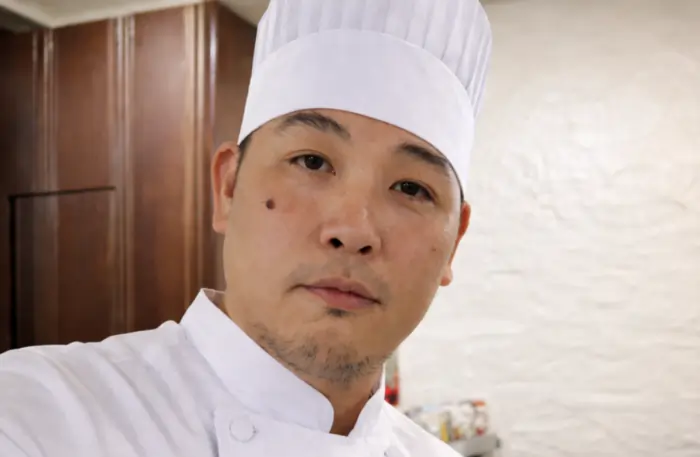
Chef Juan Gadi brings the heart of Filipino hospitality to Ubud, Bali. As an Executive Chef and consultant, he specializes in creating intimate, curated dining experiences that tell a story through every dish. Whether leading the kitchen at Kilig Filipino Warung or hosting a private villa dinner, Chef Juan’s approach is defined by warmth, modern technique, and a commitment to culinary excellence.