

Emotional Reasons Travelers Return to Their Favorite Restaurants Key Takeaways
Travelers don’t just return to restaurants for the food—they return for the feelings those meals evoke.
- Authentic hospitality and friendly staff create a sense of belonging that transcends the plate.
- Memorable meals tied to travel memories become anchors for future trips and travel storytelling .
- Guest loyalty is built through personalized service and meaningful dining experiences that honor local customs .

Why Emotional Reasons Travelers Return to Their Favorite Restaurants Matters More Than Ever
As an Executive Chef in Ubud, Bali, I’ve seen firsthand how a meal can become a cherished travel memory. My name is Chef Juan Gadi, and I bring the heart of Filipino hospitality to every dish I serve. Whether I’m leading the kitchen at a family-owned restaurant or hosting a private villa dinner, I’ve learned that emotional dining is what separates a forgettable meal from an unforgettable one. Food travel is about more than sustenance—it’s about connection. In this article, I’ll share nine emotional reasons why travelers return to their favorite restaurants, drawing from my own experiences in Bali’s vibrant food culture. For a related guide, see 8 Moments That Make Dining More Than Just a Meal.
1. The Warmth of Authentic Hospitality
When travelers step into a Bali restaurant, they’re not just looking for food—they’re seeking authentic hospitality. I’ve seen it happen dozens of times at local warungs in Ubud. A guest walks in tired from a day of exploring, and the friendly staff greets them like an old friend. That feeling of being welcomed is the first emotional reason travelers return.
Balinese hospitality is legendary. It’s not a script; it’s a genuine warmth that comes from generations of cultural traditions. When I cook at Kilig Filipino Warung, I make sure every guest feels seen. A simple “How was your day?” over a plate of traditional Balinese dishes can turn a stranger into a regular. Guest satisfaction starts with the heart, not the menu.
This emotional connection is why repeat visitors often come back to the same local restaurants year after year. They aren’t just returning for the food—they’re returning for the feeling of home.
2. Travel Memories Served on a Plate
I’ll never forget the first time I ate at a family-owned restaurant in the rice terraces of Tegallalang. The owner, a grandmother, served me her family’s recipe for lawar. That meal became a travel memory I still revisit. Emotional dining imprints itself on our minds because it’s tied to a moment, a place, and a person.
Travelers often return to restaurants that sparked a travel inspiration—the first taste of local cuisine after a long flight, a sunset dining experience with new friends, or a cooking class where they learned to make authentic flavors. These memorable meals become part of their personal travel storytelling. When they come back to Bali, they want to relive that feeling.
I’ve had guests tell me they booked their entire trip around returning to our warung. That’s the power of a meal that becomes a destination experience.
3. The Magic of Personalized Service
In an era of chain restaurants and QR code menus, personalized service stands out. At our restaurant, I remember guests’ names, their dietary preferences, and even the stories they shared. When a couple returned after two years and I recalled their favorite dish—a spicy sinigang—they were amazed. That personal touch is a huge emotional reason travelers return to their favorite restaurants.
It’s not just about remembering orders. It’s about anticipating needs. A friendly staff member who notices a solo traveler looks lonely and strikes up a conversation. A chef who adjusts a dish to bring back a memory from the guest’s childhood trip to the Philippines. These meaningful interactions build customer loyalty that no discount or loyalty card can match.
4. Local Cuisine as a Gateway to Cultural Immersion
When travelers eat at places like our Kilig Filipino Warung, they aren’t just having dinner—they’re experiencing a culture. Local cuisine is one of the most direct ways to connect with a destination. Through traditional Balinese dishes and authentic flavors, guests get a taste of cultural traditions that have been passed down for generations.
I often guide guests to the nearby local markets to source ingredients for our food tours and cooking classes. We talk about the spices, the history, and the rituals behind each dish. This cultural immersion turns a meal into an education. Travelers don’t just eat; they understand. And when they understand, they feel a deeper connection to the destination.
That’s why food travel is booming. People want authentic dining that respects culinary heritage. Coming back to that restaurant feels like coming back to a culture they’ve come to love.
5. Shared Meals Create Lasting Bonds
Some of the most memorable meals of my life happened around a communal table. Whether it’s a family-style dinner at a local warung or a community dining event at a temple, shared meals break down barriers. Travelers often return to restaurants where they made new friends or deepened bonds with family.
I’ve hosted dinners where strangers became travel buddies over a bowl of laksa. Couples celebrating anniversaries. Solo travelers who found a temporary family. These destination dining experiences create memorable vacations. The restaurant becomes the backdrop for a travel inspiration story they’ll tell for years.
6. Authentic Flavors That Can’t Be Replicated
In a world of globalized cuisine, authentic flavors are a treasure. Travelers return to their favorite restaurants because they know they won’t find that exact taste anywhere else. The rendang at a hidden food gem in Ubud. The grilled fish at a sunset dining spot in Jimbaran. These flavors are tied to the place, the ingredients, and the hands that prepared them.
At Kilig Filipino Warung, I use techniques and recipes that reflect my Filipino heritage, adapted with local Balinese ingredients. This fusion creates authentic dining that feels both familiar and new. Guests tell me they can’t replicate the experience at home, so they come back to Bali just for that meal. Culinary tourism at its finest.
7. Welcoming Atmosphere That Feels Like Home
I’ve been to countless Bali restaurants, but the ones I return to have a welcoming atmosphere. It’s not about the decor or the price tag—it’s about feeling safe, comfortable, and valued. Friendly staff who smile, a relaxed pace, and a genuine sense of care make all the difference.
When travelers find a local restaurant that feels like an extension of their own home, they become repeat visitors. They bring friends. They post about it on social media. They become ambassadors for the restaurant. This guest loyalty is built on an emotional dining foundation.
8. The Travel Inspiration That Comes from Meaningful Dining
Meaningful dining is about more than filling a stomach. It’s about connecting to the food culture of a place. When travelers sit down at a family-owned restaurant and hear the story behind the recipe, they aren’t just customers—they’re participants in a tradition.
I’ve seen guests cry when I told them about my grandmother’s adobo recipe. They felt the love and history in the dish. Travel storytelling often starts with a meal. These restaurant experiences inspire people to explore local customs, visit local markets, and take cooking classes. They return because they want to reconnect with that inspiration.
9. Authentic Hospitality Creates Guest Loyalty
At the end of the day, guest loyalty is built on trust and care. Travelers return to restaurants where they felt like more than a walking wallet. Authentic hospitality—the kind that comes from the heart—creates emotional bonds that last beyond the meal.
I always tell my team: “Treat every guest as if they’re coming to your home for the first time.” That means listening, anticipating, and genuinely caring. When you do that, guests don’t just come back—they bring their families, their friends, and their stories. That’s the ultimate reward of emotional dining.
What Makes Travelers Return to Their Favorite Restaurants?
Every traveler is different, but the core desire is the same: to feel connected. Whether it’s through personalized service, shared meals, or local cuisine, the emotional reasons travelers return to their favorite restaurants are universal. They want to relive a memorable meal, reconnect with friendly staff, and feel the warmth of Balinese hospitality all over again. For a related guide, see 10 Reasons Travelers Love Intimate Dining Experiences.
Why Do Emotional Connections Influence Dining Choices While Traveling?
Emotions are the compass for our choices. When we feel happy, understood, and welcomed, we associate those feelings with the place where they happened. Emotional dining influences dining choices because it touches something deeper than taste buds—it touches the heart. That’s why a simple local warung can outshine a five-star hotel restaurant.
How Does Authentic Hospitality Create Loyal Guests?
Authentic hospitality is not a checklist; it’s a mindset. When friendly staff genuinely care about guests, that sincerity is felt. It creates trust, and trust leads to loyalty. Guests return to restaurants that made them feel seen and valued, not just fed.
What Role Do Memorable Meals Play in Travel Experiences?
Memorable meals are often the highlight of a trip. They become part of the narrative travelers tell about their journey. Whether it’s a romantic sunset dining experience or a cooking class with a local chef, these meals anchor the travel memories that last a lifetime.
Why Do Family-Owned Restaurants Often Leave Stronger Impressions?
Family-owned restaurants tend to serve with passion and pride. There’s no corporate script—just real people sharing their culinary heritage. The personal stories behind each dish and the welcoming atmosphere create deeper emotional connections than chain restaurants can offer.
How Do Personalized Service and Friendly Staff Encourage Repeat Visits?
Being remembered is powerful. Personalized service—like recalling a guest’s favorite spice level or asking about their family—makes travelers feel important. Friendly staff who engage genuinely turn a meal into a relationship, and relationships bring people back.
How Can Local Cuisine Deepen Emotional Connections with a Destination?
Local cuisine is the most direct path to a culture’s soul. Through traditional Balinese dishes and authentic flavors, travelers taste history and tradition. This cultural immersion strengthens their bond to the destination and makes them want to return.
What Dining Experiences Create Lasting Travel Memories?
The most memorable meals are those that involve storytelling, connection, and discovery. A food tour through local markets, a shared meal with new friends, or a private dinner where the chef explains each dish. These destination experiences stay with travelers long after the trip ends.
Why Do Travelers Recommend Restaurants They Feel Emotionally Connected To?
Word of mouth is the oldest marketing tool, and it still works because it’s emotional. When travelers feel a genuine connection to a restaurant, they want others to experience that feeling too. Recommending a hidden food gem becomes a way of sharing a piece of their travel storytelling.
How Can Hospitality Businesses Create Experiences That Inspire Guests to Return Again and Again?
Focus on the human element. Hire friendly staff who genuinely care. Offer personalized service. Celebrate local cuisine and cultural traditions. Create moments of meaningful dining that go beyond the plate. When you touch the heart, guests will come back—and they’ll bring their friends.
Useful Resources
- Bali Tourism Board: Culinary Heritage and Local Warungs – Official guide to traditional Balinese food culture and local dining experiences.
- Food and Wine: Best Restaurants in Bali for Authentic Dining – Curated list of top local restaurants that showcase authentic hospitality.
Frequently Asked Questions About Emotional Reasons Travelers Return to Their Favorite Restaurants
What makes travelers return to their favorite restaurants ?
Travelers return because of emotional connections—warm hospitality, personalized service, and memorable meals that become part of their travel stories. They want to relive the feelings associated with the experience.
Why do emotional connections influence dining choices while traveling?
Emotions guide our decisions. When a restaurant makes a traveler feel happy, welcomed, and understood, that emotional bond influences future choices. People seek out experiences that replicate positive feelings.
How does authentic hospitality create loyal guests?
Authentic hospitality builds trust. Guests feel valued and respected, which fosters loyalty. They return to restaurants where the staff genuinely cares about their well-being, not just their order.
What role do memorable meals play in travel experiences?
Memorable meals anchor travel experiences. They become highlights of the trip, often shared through stories and photos. These meals create lasting impressions that travelers want to revisit.
Why do family-owned restaurants often leave stronger impressions?
Family-owned restaurants serve with passion and heritage. There’s no corporate distance—just real people sharing their culinary traditions. This personal touch creates deeper emotional connections.
How do personalized service and friendly staff encourage repeat visits?
Personalized service makes guests feel important and remembered. Friendly staff who engage genuinely create relationships that make travelers want to come back and reconnect.
How can local cuisine deepen emotional connections with a destination?
Local cuisine is a direct way to experience a culture. By tasting traditional dishes and learning about their origins, travelers develop a deeper appreciation for the destination, making it more meaningful.
What dining experiences create lasting travel memories ?
Dining experiences that involve storytelling, community, and discovery—like food tours, cooking classes, and shared meals with locals—create memories that stay with travelers for years.
Why do travelers recommend restaurants they feel emotionally connected to?
Travelers share restaurants they love because they want others to experience the same joy and connection. Recommending a place becomes a way of sharing their travel stories.
How can hospitality businesses create experiences that inspire guests to return?
Focus on genuine care: hire friendly staff, offer personalized service, celebrate local culture, and create moments of meaningful interaction. When guests feel valued, they will return and spread the word.
What is emotional dining ?
Emotional dining is the practice of creating a meal experience that engages the guest’s emotions, not just their taste. It’s about hospitality, storytelling, and connection.
How do I find authentic local restaurants while traveling?
Ask locals for recommendations, visit local markets, look for family-owned eateries, and use food tour guides. Authentic restaurants often have welcoming atmospheres and personal stories behind their dishes.
What are the best Bali restaurants for emotional dining ?
Hidden food gems like local warungs, family-owned restaurants in Ubud, and sunset dining spots near the coast offer emotional dining. Look for places where the staff greets you like family.
How can I turn a meal into a travel memory?
Choose restaurants that offer stories with their food—such as cooking classes or chef-led dinners. Engage with the staff, try local dishes, and share the meal with others to make it memorable.
What is Balinese hospitality ?
Balinese hospitality is a warm, genuine approach to serving guests that stems from the local culture. It emphasizes respect, warmth, and a sense of community.
How do I become a loyal guest at a foreign restaurant?
Show appreciation, engage with staff, and share your positive experiences. Often, returning guests are remembered, and the staff will go out of their way to make future visits special.
What are traditional Balinese dishes I should try?
Try dishes like babi guling (suckling pig), lawar (spiced salad), sate lilit (minced seafood satay), and nasi campur (mixed rice). These are staples of local cuisine.
Can solo travelers benefit from emotional dining ?
Absolutely. Solo travelers often seek connection, and emotional dining provides a sense of belonging. Friendly staff and shared tables can turn a meal into a social experience.
How important are cooking classes for emotional connections?
Cooking classes are incredibly effective. They allow travelers to learn local customs, taste authentic flavors, and bond with instructors, creating memories that last long after the trip.
What makes a restaurant a hidden food gem?
A hidden food gem is typically a small, family-owned spot that offers exceptional local cuisine and authentic hospitality without heavy marketing. Discover them through local recommendations.
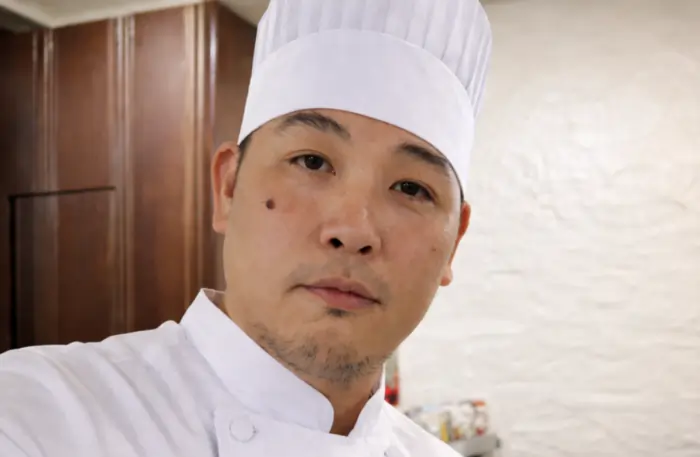
Chef Juan Gadi brings the heart of Filipino hospitality to Ubud, Bali. As an Executive Chef and consultant, he specializes in creating intimate, curated dining experiences that tell a story through every dish. Whether leading the kitchen at Kilig Filipino Warung or hosting a private villa dinner, Chef Juan’s approach is defined by warmth, modern technique, and a commitment to culinary excellence.