Filipino Food Traditions That Suit Bali Escapes Key Takeaways
After years of cooking across Asia, I have found that the soul of Filipino cuisine—rooted in Filipino food traditions like communal feasts, tropical ingredients, and heartfelt hospitality—fits Bali’s island rhythm like a coconut shell fits its water.
- Filipino food traditions that suit Bali escapes revolve around sharing, tropical freshness, and warmth.
- Expect highlights like Filipino communal dining , Filipino hospitality traditions , and Filipino tropical food experiences .
- These practices blend seamlessly with Bali’s culture of togetherness and natural beauty.
What Makes Filipino Food Traditions Ideal for Bali Escapes
As an Executive Chef here in Ubud, I have watched travelers fall in love with Bali’s lush rice terraces and spiritual mornings, then search for a meal that feels like home—or an adventure. That is where Filipino food traditions shine. Our cuisine is built for tropical living: light yet satisfying, communal yet personal. The shared values of salu-salo (gathering) and malasakit (care for others) match Bali’s own Filipino dining culture of warmth and mindfulness. When I host a private dinner at Kilig Filipino Warung or a villa in Seminyak, guests often remark how natural it feels to eat with their hands, pass dishes around, and linger over conversation. That is no accident—it is the pulse of Filipino meals in Bali. For a related guide, see 12 Comfort Foods That Reflect Filipino Hospitality Well.
How Tropical Ingredients Unite Both Cuisines
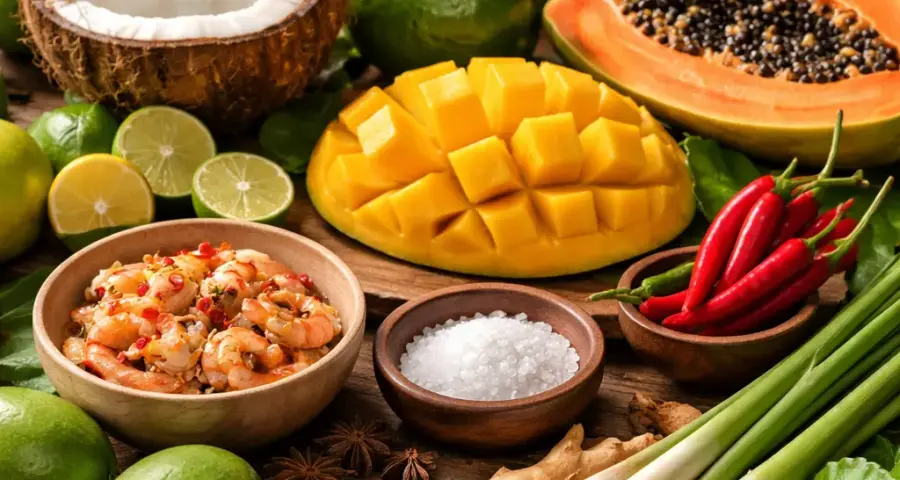
Both Filipino and Balinese cooking celebrate coconut, lemongrass, ginger, and fresh seafood. Filipino tropical food experiences like sinigang (sour soup) or kinilaw (ceviche) thrive in Bali’s markets, where you find the same bright produce. I often swap local catch for traditional bangus, creating a dish that feels authentically Filipino yet utterly Balinese. This fusion is why Filipino hospitality traditions resonate so deeply here: we share not just food, but a love for the land and sea. For a related guide, see 10 Pinoy Customs Reflected in Every Single Famous Dish.
1. Boodle Fight: The Ultimate Communal Feast
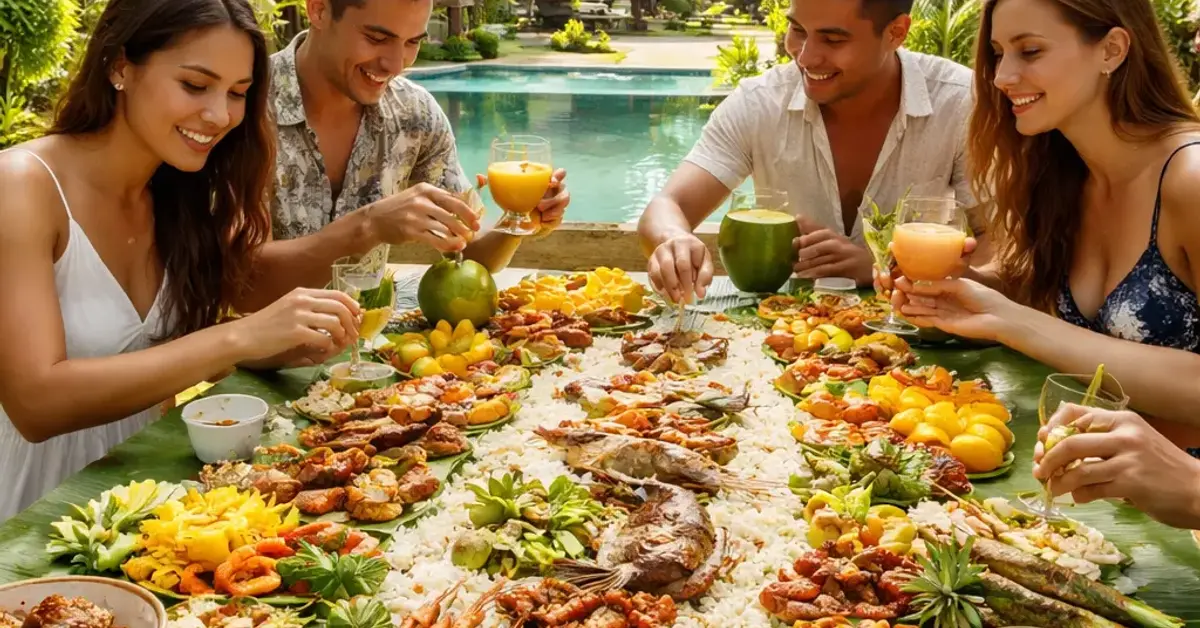
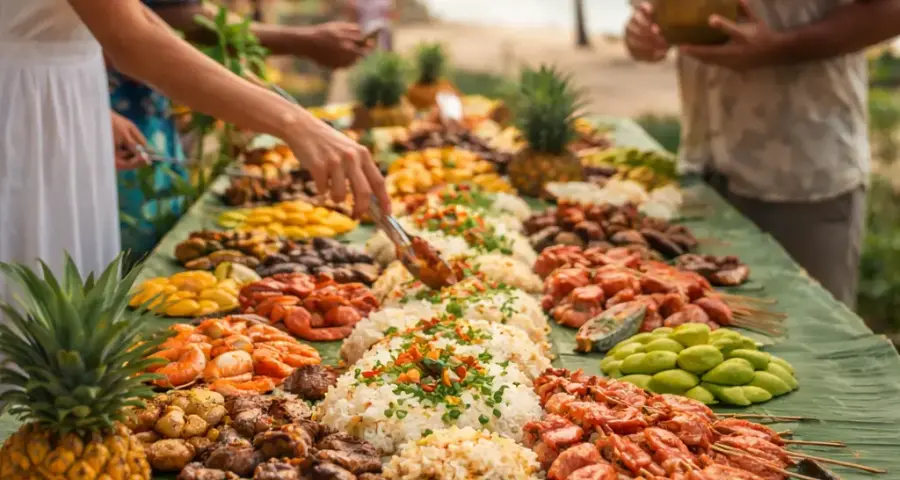
Picture a long table covered in banana leaves, piled high with rice, grilled pork, fried fish, fresh mango, and crispy spring rolls. Everyone eats with their hands, no plates, no forks—just pure, joyful sharing. This is the boodle fight, a military-inspired tradition that has become the heart of Filipino communal dining. In Bali, I have seen this tradition light up beachside dinners in Canggu and villa parties in Umalas. It breaks down barriers faster than any cocktail.
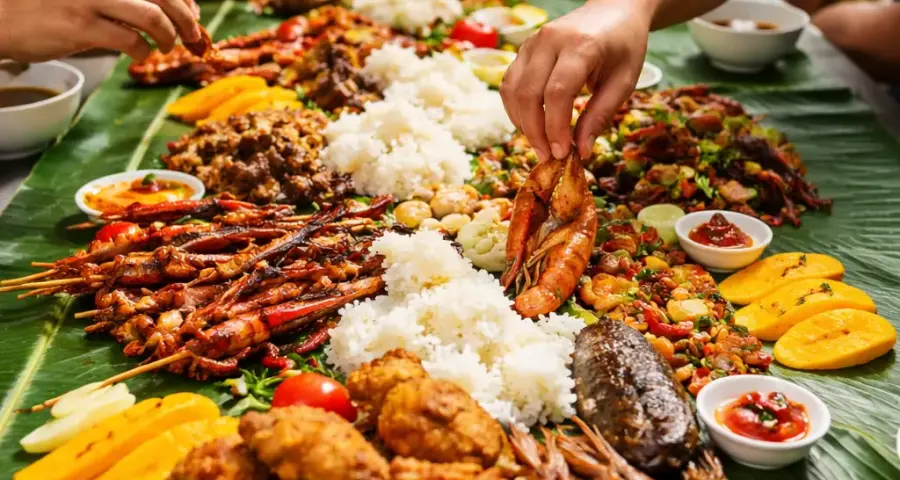
Why do tourists enjoy Filipino communal dining in Bali? Because it turns strangers into friends. The act of eating from the same spread fosters laughter and conversation. Guests forget their phones and focus on the moment. I always include a boodle fight in my curated experiences—it is the fastest way to create Filipino family meals energy, even among travelers who just met.
Making It Work in Bali
Set up a banana-leaf table by the pool or on the sand. Use local ingredients like snapper or prawns. The mess is part of the magic. This is Filipino island dining culture at its finest—casual, generous, and unforgettable.
2. Kamayan: Eating with Your Hands
Kamayan means “by hand” in Tagalog, and it is more than a technique—it is a philosophy. Touching your food connects you to its essence. In Bali, where so much is about mindfulness and presence, Filipino cultural dining customs like kamayan feel perfectly aligned. I often guide guests through a kamayan meal, explaining that the right hand is used for eating, and the thumb and fingers work together to form rice into a bite-sized ball.
What Filipino food traditions fit Bali escapes perfectly? Kamayan tops the list. It slows you down. You savor each mouthful. In a world of rushed meals, this tradition invites you to be present—exactly what a Bali escape should offer.
Practical Tips for Kamayan in Bali
Serve grilled meats, fresh vegetables, and a dipping sauce like sawsawan (vinegar with chili and garlic). Use banana leaves as plates. Encourage guests to try it—they will leave with a story, not just a full belly. This is Filipino social dining habits in action.
3. Salu-Salo: The Spirit of Gathering
Salu-salo translates to “togetherness,” and it defines every Filipino celebration. Whether it is a birthday, a fiesta, or a simple Sunday lunch, the table is always full, and no one eats alone. This Filipino hospitality traditions mindset fits Bali’s resort culture beautifully. Resorts here often emphasize community spaces—open-air restaurants, shared pools, common lounges—where salu-salo can thrive.
How does Filipino hospitality complement Bali resorts? By bringing a personal touch. I have worked with villa staff to host salu-salo dinners where guests share dishes like kare-kare (peanut stew) or pancit (noodles). The warmth is palpable. Travelers remember not just the food, but the feeling of being welcomed like family. That is Filipino comfort foods doing their magic.
Creating a Salu-Salo Atmosphere
Use a communal table. Serve multiple dishes family-style. Play acoustic Filipino music in the background. The goal is connection, and Bali’s open-air venues provide the perfect stage for Filipino culinary experiences in Bali.
4. Halo-Halo: The Ultimate Tropical Dessert
Halo-halo means “mix-mix,” and it is a riot of textures and flavors: shaved ice, evaporated milk, sweet beans, coconut strips, leche flan, ube ice cream, and crunchy pinipig. It is the cool-down dessert you crave after a day in Bali’s sun. Filipino tropical food experiences like halo-halo are made for island life.
Which Filipino dishes are perfect for beachside gatherings? Halo-halo is a crowd favorite. Serve it in tall glasses with long spoons, and let guests customize their toppings. I have seen grown adults light up like children when they see the colorful layers. It is Filipino comfort foods at its most playful.
Bali-Friendly Halo-Halo Variations
Swap traditional ingredients for local ones: use Balinese palm sugar, young coconut, and tropical fruits like dragon fruit or papaya. The result is a dessert that honors the original while celebrating Bali’s bounty. This is Filipino travel food traditions adapting to new shores.
5. Adobo: Comfort Food That Travels
Adobo—meat braised in vinegar, soy sauce, garlic, and bay leaves—is the unofficial national dish of the Philippines. It is simple, forgiving, and deeply satisfying. For travelers in Bali, adobo offers a taste of home or a new favorite. Filipino family meals often feature adobo because it keeps well and tastes even better the next day.
Why are Filipino comfort foods popular among travelers? Because they are familiar yet exotic. Adobo’s tangy, savory profile appeals to almost everyone. I cook it for villa guests who want something hearty after a day of temple visits. It pairs beautifully with Bali’s steamed rice and a side of pickled papaya.
Adobo for Bali’s Tropical Kitchen
Use chicken or pork, or even local duck. Add a splash of coconut milk for a creamier version (adobo sa gata). Serve it with a simple salad of tomatoes and onions. This Filipino dining culture staple proves that comfort knows no borders.
6. Lechon: The Celebration Centerpiece
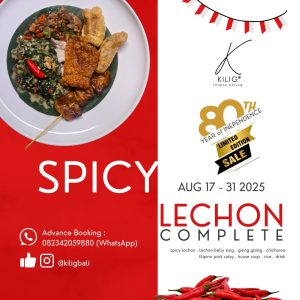
Lechon is whole roasted pig, its skin crackling and meat tender. In the Philippines, it is the star of every major festivity. In Bali, where luxury villas often have outdoor grills and private chefs, lechon becomes an unforgettable centerpiece for Filipino island dining culture. I have prepared lechon for weddings and milestone birthdays in Ubud and Seminyak, and the reaction is always the same: awe.
Which Filipino traditions make Bali escapes more enjoyable? Lechon feasts. They turn a regular dinner into an event. The process of roasting—slow, aromatic, communal—mirrors Bali’s emphasis on ritual and celebration. Guests gather around the spit, sip cocktails, and watch the magic happen.
Lechon in a Balinese Setting
Source a local pig. Marinate it with lemongrass, garlic, and peppercorns. Roast it over charcoal for hours. Serve with liver sauce and fresh herbs. This is Filipino food culture tourism at its grandest—a sensory experience that honors tradition while embracing Bali’s love for spectacle.
7. Sinigang: A Sour Soup for Tropical Days
Sinigang is a tamarind-based soup, often cooked with shrimp, pork, or fish, plus vegetables like radish, okra, and spinach. Its sourness is refreshing, almost cleansing—ideal for Bali’s humid afternoons. Filipino comfort foods like sinigang are light yet nourishing, perfect after a morning of surfing or yoga.
What Filipino culinary traditions feel relaxing in Bali? Sinigang’s broth is like a warm hug. I recommend it to guests who want something restorative. The sourness awakens the palate, while the vegetables provide crunch. It is a soup that soothes without weighing you down.
Bali-Friendly Sinigang
Use fresh tamarind or a mix of calamansi (local citrus). Add tomatoes and chili for depth. Serve it with a side of fish sauce and chili on the table. This Filipino meals in Bali option is a gateway to understanding how acidity plays a starring role in Filipino cooking.
8. Bibingka and Puto: Rice Cakes for Morning Joy
Filipino rice cakes—bibingka (baked with coconut milk and salted egg) and puto (steamed, fluffy discs)—are breakfast or merienda (snack time) staples. They are naturally gluten-free and subtly sweet, making them perfect for Bali’s health-conscious travelers. Filipino travel food traditions often include these treats sold from street stalls, but they shine in Bali’s cafés too.
Which Filipino eating habits suit island vacations? Merienda—the afternoon snack break—is a habit I fully endorse. In Bali, where days are long and sunset is sacred, a mid-afternoon bibingka with a cup of Balinese coffee is a small ritual. I pair these cakes with grated coconut and a sprinkle of sugar for a Filipino tropical food experience that feels both rustic and refined.
Making Rice Cakes in Bali
Use local rice flour and coconut cream. Bake bibingka in clay pots lined with banana leaves. Steam puto in small molds. Serve warm. These Filipino dining culture bites are versatile—they work for breakfast, brunch, or dessert.
9. Inihaw: Grilled Meats and Seafood
Inihaw means grilled, and it is a cornerstone of Filipino beach gatherings. Marinated pork skewers (inihaw na liempo), grilled squid, and whole fish are cooked over live coals. The smoke, the char, the dipping sauces—this is Filipino island dining culture in its rawest, most beautiful form.
How do Filipino food traditions create memorable Bali moments? Inihaw dinners by the beach are unforgettable. The sound of waves, the scent of grilling meat, the laughter of friends—it is a sensory symphony. I set up grilling stations at private villas, letting guests customize their marinades (soy sauce, calamansi, garlic, and brown sugar). The result is a meal that feels both personal and festive.
Inihaw for Bali’s Sunset
Time it for golden hour. Serve with garlic rice and a vinegar dipping sauce. This Filipino social dining habits tradition is all about fire, freshness, and fellowship—three things Bali does best.
Useful Resources
For deeper insight into Filipino culinary traditions and their global appeal, explore the following resources:
- Pepper.ph: Filipino Food Culture and Traditions – A comprehensive guide to the history and practice of Filipino dining customs.
- Bali.com: Filipino Cuisine in Bali – A resource for finding Filipino restaurants and pop-ups across the island.
As Chef Juan Gadi, I invite you to experience these Filipino food traditions that suit Bali escapes firsthand. Whether you book a private dinner, join a boodle fight on the beach, or simply try adobo at a local warung, you will discover that Filipino food is not just nourishment—it is an invitation to belong.
Frequently Asked Questions About Filipino Food Traditions That Suit Bali Escapes
What Filipino food traditions fit Bali escapes perfectly?
Boodle fights, kamayan (hand-eating), and salu-salo (communal feasts) fit Bali because they emphasize togetherness and slow, mindful eating, matching the island’s relaxed vibe.
Why do Filipino dining customs match Bali culture?
Both cultures value community, respect for ingredients, and celebration of nature. Filipino dining customs like sharing dishes and using banana leaves align with Bali’s communal, eco-conscious spirit.
Which Filipino meals are ideal for tropical vacations?
Light, refreshing meals like sinigang (sour soup), kinilaw (ceviche), and halo-halo (shaved ice dessert) are ideal because they cool the body and use tropical ingredients.
How do Filipino food traditions enhance Bali travel experiences?
They add a layer of cultural depth—travelers don’t just eat; they participate in rituals that foster connection, storytelling, and appreciation for local and Filipino flavors.
Why do tourists enjoy Filipino communal dining in Bali?
Tourists enjoy it because communal dining breaks down social barriers, encourages interaction, and creates a festive, family-like atmosphere that is rare in standard restaurant settings.
Which Filipino dishes are perfect for beachside gatherings?
Grilled items like inihaw na liempo (pork belly), lechon, and fresh seafood, plus halo-halo for dessert, are perfect for beachside gatherings due to their portability and crowd appeal.
How does Filipino hospitality complement Bali resorts?
Filipino hospitality is warm, anticipatory, and generous—traits that enhance resort experiences by making guests feel genuinely welcomed and cared for beyond standard service.
What Filipino culinary traditions feel relaxing in Bali?
Slow-cooked dishes like adobo and sinigang, along with the ritual of kamayan, feel relaxing because they encourage a slower pace and deeper engagement with food.
Why are Filipino comfort foods popular among travelers?
They are familiar yet distinctive—dishes like adobo and arroz caldo are hearty and soothing, offering a sense of home while introducing new flavor profiles that intrigue travelers.
Which Filipino eating habits suit island vacations?
Merienda (afternoon snack) and kamayan suit island vacations because they align with the relaxed, grazing-style eating that fits long, sunny days and flexible schedules.
How do Filipino food traditions create memorable Bali moments?
They create memorable moments through sensory richness—the crackle of lechon skin, the tang of sinigang, the shared laughter over a boodle fight—that guests recall long after their trip.
Why do travelers appreciate Filipino family style dining?
Because it fosters connection. Travelers often eat alone or in pairs, so family style dining turns a meal into a social event where they can interact with other guests or their hosts.
What Filipino food experiences match Bali’s tropical vibe?
Fresh seafood kinilaw, coconut-based desserts like bibingka, and fruit-heavy halo-halo match Bali’s tropical vibe because they celebrate local, seasonal produce and light textures.
How does Filipino culture blend with Bali dining scenes?
It blends through shared values like respect for nature, community eating, and the use of fresh, local ingredients. Many Bali chefs now incorporate Filipino techniques into their menus.
Which Filipino traditions make Bali escapes more enjoyable?
Boodle fights, lechon feasts, and kamayan make escapes more enjoyable by adding a sense of occasion and participation, turning meals into highlight activities.
Can I find Filipino food in Bali easily?
Yes, especially in areas like Ubud and Seminyak, where restaurants like Kilig Filipino Warung and pop-up events serve authentic Filipino dishes prepared with local ingredients.
What is a boodle fight and how is it served in Bali?
A boodle fight is a communal meal served on banana leaves where everyone eats with their hands. In Bali, it is often arranged for private groups on beaches or villa gardens.
Is Filipino food spicy like Thai or Indonesian food?
Generally, Filipino food is less spicy. It relies more on sourness, saltiness, and umami. However, chili is often served on the side for those who want heat.
What is the best time for a kamayan meal in Bali?
Sunset is the best time. The golden light, cooler air, and relaxed mood enhance the hand-eating experience, making it feel even more connected to nature.
How can I book a private Filipino dining experience in Bali?
Contact chefs like myself through platforms like Kilig Filipino Warung or inquire with luxury villa concierges who often partner with Filipino culinary specialists for personalized events.
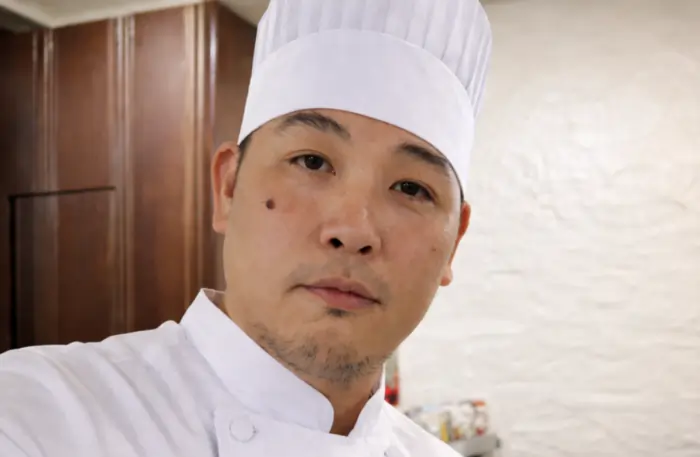
Chef Juan Gadi brings the heart of Filipino hospitality to Ubud, Bali. As an Executive Chef and consultant, he specializes in creating intimate, curated dining experiences that tell a story through every dish. Whether leading the kitchen at Kilig Filipino Warung or hosting a private villa dinner, Chef Juan’s approach is defined by warmth, modern technique, and a commitment to culinary excellence.