Filipino Food Experiences Worth Exploring Key Takeaways
Travelers seeking Filipino food experiences worth exploring around Ubud will discover a vibrant, community-driven food scene rather than a row of standalone restaurants.
- Filipino food experiences worth exploring around Ubud include pop-up dining events, private chef collaborations, and home-cooked meals hosted by the Filipino expat community.
- Iconic dishes such as Adobo, Sinigang, Pancit, Lechon, and Halo-Halo can be found at special gatherings and fusion restaurants.
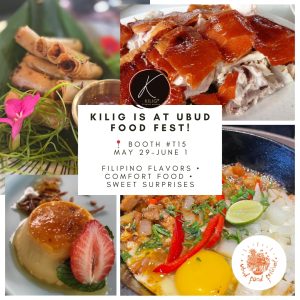
- Chef Juan Gadi’s Kilig Filipino Warung and curated villa dinners offer intimate, story-driven tastes of Philippine cuisine in the heart of Bali.
What Readers Should Know About Filipino Food Experiences Worth Exploring Around Ubud
Ubud is known globally as Bali’s cultural and wellness heart. Its rice terraces, yoga shalas, and temples draw travelers seeking peace and authenticity. Yet beneath the surface of smoothie bowls and raw vegan cafes lies a lesser-known culinary story: the quiet, flavorful presence of Filipino cuisine.
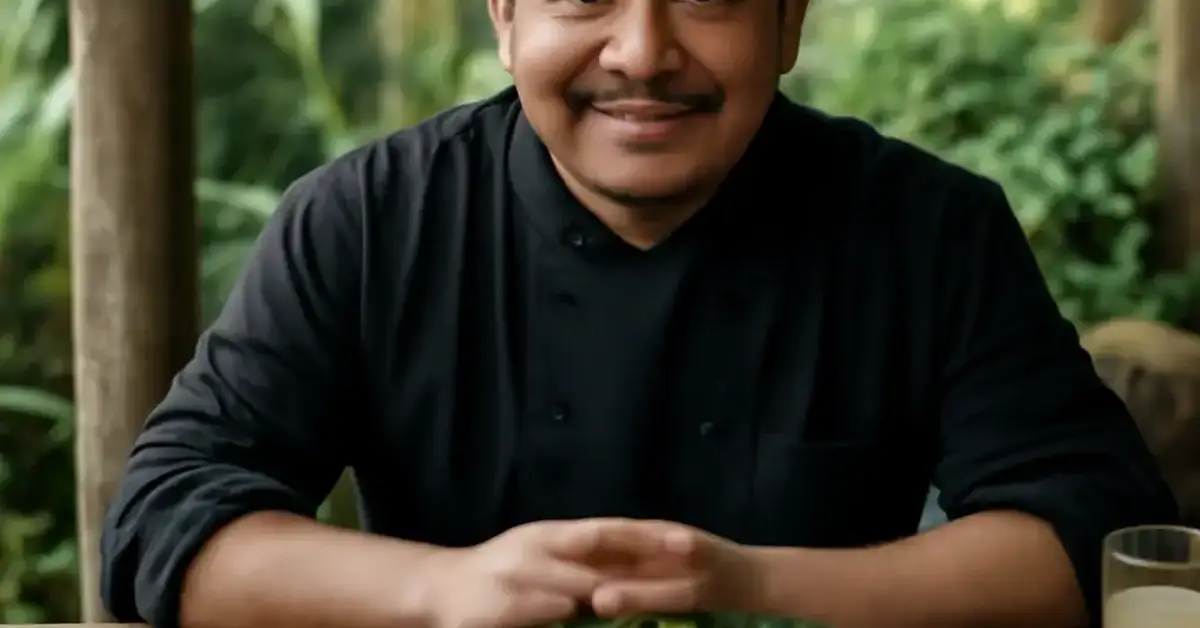
As Chef Juan Gadi, an Executive Chef who brings the warmth of Filipino hospitality to Ubud, I have witnessed how this cuisine weaves itself into the local food tapestry. Dedicated Filipino restaurants in Ubud are rare—Kilig Filipino Warung is one of the few—but the experience of discovering Filipino food here is far richer. It unfolds through expat kitchens, pop-up dinners, and fusion dishes that bridge the flavors of the Philippines with the abundant produce of Bali. For a related guide, see 9 Filipino Flavors That Blend Beautifully With Bali.
This guide explores the many ways you can encounter Filipino cuisine Bali style: as a traveler seeking comfort, a digital nomad craving familiar tastes, or a culinary explorer open to Southeast Asian fusion. We will dive into the iconic dishes, the community that keeps the traditions alive, and exactly where to look for that unforgettable plate of Adobo or sip of Halo-Halo.
Why Filipino Food Ubud Has Become a Hidden Culinary Treasure
Bali has long been a crossroads for travelers and expats from across Asia and beyond. The Filipino expat food Bali community is small but passionate. These are chefs, home cooks, and digital nomads who recreate the dishes of their homeland using local ingredients. The result is a cuisine that tastes both authentic and uniquely Balinese—pork Adobo braised with Indonesian kecap manis, Sinigang soured with local calamansi, and Pancit stir-fried with fresh Ubud vegetables. For a related guide, see Why Bali Feels Perfect for Meaningful Dining Moments.
Ubud food experiences have evolved to include these hidden gems because travelers increasingly seek meaningful cultural connections. They want to sit at a communal table, hear the story behind the dish, and taste something that cannot be found on a standard tourist menu. Filipino food, with its deep roots in family and hospitality, fits this desire perfectly.
The Rise of Filipino Pop-Up Dining in Ubud
One of the most exciting developments is the growth of Filipino pop-up dining events. These are temporary, often invitation-only gatherings held in private villas, yoga studios, or community spaces. Hosted by Filipino expats or visiting chefs, these dinners offer a full multi-course menu that highlights regional specialties from the Philippines.
Pop-ups provide an intimate setting where diners can ask questions, learn about ingredients, and experience the warmth of Filipino home cooking overseas. Chef Juan Gadi regularly hosts such events, where each dish tells a story—from the Spanish influence on Adobo to the Chinese roots of Pancit.
Where to Find Southeast Asian Fusion Food with Filipino Roots
Many Southeast Asian restaurants Ubud feature menus that naturally blend flavors from Thailand, Indonesia, Malaysia, and the Philippines. At Kilig Filipino Warung, every dish is a celebration of this fusion. But even at venues that do not label themselves as Filipino, you may find dishes like grilled pork skewers marinated in a soy-garlic mixture reminiscent of Filipino tocino, or coconut-based desserts that echo the creamy richness of Halo-Halo.
Chefs in Ubud are highly experimental. They source Bali food culture ingredients—lemongrass, turmeric, coconut, fresh seafood—and reinterpret them through Filipino techniques. This is not dilution; it is evolution. The cultural food experiences Bali offers include this very blend, where tradition meets tropical abundance.
Iconic Filipino Dishes You Can Encounter in Ubud
Whether you attend a private dinner or visit a dedicated warung, these are the dishes that define Filipino cuisine Bali experiences.
Adobo: The National Dish with a Bali Twist
Adobo is the quintessential Filipino comfort food. It is a braised dish—usually chicken or pork—simmered in vinegar, soy sauce, garlic, bay leaves, and black pepper. In Ubud, chefs often add a splash of Indonesian kecap manis for sweetness, or use free-range chicken from local farms. The result is a dish that feels both familiar and new.
Sinigang: Sour Soup for the Tropical Soul
Sinigang is a tamarind-based soup loaded with vegetables and meat (pork, shrimp, or fish). The sourness is a perfect counterpoint to Bali’s humidity. Travelers will find this dish at Filipino pop-ups or fusion restaurants that emphasize Southeast Asian fusion food. The broth cleanses the palate and warms the stomach in a way that is deeply satisfying.
Pancit: Noodles for Long Life
Pancit refers to a family of noodle dishes—Pancit Bihon (rice noodles), Pancit Canton (egg noodles), and Pancit Palabok (thick rice noodles with shrimp sauce). In Ubud, these noodles are stir-fried with local vegetables, shrimp, and chicken, often finished with a squeeze of calamansi. They represent the Chinese-Filipino heritage and are a staple at community gatherings.
Lechon: Celebratory Roasted Pig
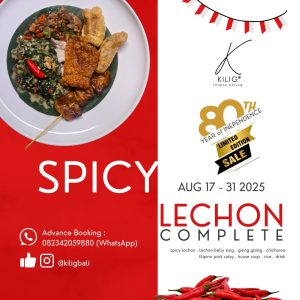
Lechon is the centerpiece of Filipino celebrations. While a whole roasted pig is rare in Ubud due to space and permits, smaller versions—Lechon Kawali (crispy fried pork belly) or Lechon Manok (roasted chicken)—are common. Served with a tangy liver sauce or spiced vinegar, these dishes bring the festive spirit of Philippine cuisine to Bali.
Halo-Halo: The Ultimate Filipino Dessert
Halo-Halo, meaning “mix-mix,” is a shaved ice dessert topped with sweetened beans, jackfruit, coconut gel, leche flan, ube (purple yam) ice cream, and evaporated milk. In Ubud, versions might include local tropical fruits like dragon fruit or mango. It is the perfect end to a meal in the heat, and a vivid example of Filipino dishes abroad adapting to local ingredients.
How the Filipino Expat Food Bali Community Preserves Tradition
The Filipino expat community in Ubud is relatively small compared to expat groups from Australia or Europe, but it is deeply connected. They gather for Sunday lunches, holiday feasts, and impromptu cooking sessions. These gatherings are not just about food—they are about recreating a sense of home.
Filipino home cooking overseas relies on key ingredients that expats bring from the Philippines or source from Asian grocery stores in Bali. Items like banana ketchup, bagoong (shrimp paste), and ube powder are treasured. Fresh produce—calamansi, chayote, and long beans—is often grown in home gardens or found at local markets.
Digital nomads and expat families often host “Kamayan” dinners, where guests eat with their hands from banana leaves. This tradition of communal dining is a powerful way to share cultural food experiences Bali visitors rarely encounter in restaurants. It is messy, joyful, and unforgettable.
The Role of Private Kitchens and Villa Dinners
Private kitchens are the backbone of Filipino pop-up dining in Ubud. Chefs like Juan Gadi transform villa terraces into intimate dining rooms. Guests might arrive to the scent of sizzling pork, with vines of jasmine overhead and the sound of frogs from the rice paddies below. These are multi-sensory experiences that go beyond eating—they are cultural immersion.
Such events typically require advance booking and are advertised through expat Facebook groups, WhatsApp circles, or word of mouth. For the traveler willing to do a little research, these dinners offer the most authentic taste of Philippine cuisine abroad.
Southeast Asian Restaurants Ubud That Feature Filipino-Inspired Dishes
While dedicated Filipino restaurants are limited, several Southeast Asian restaurants Ubud incorporate Filipino flavors into their menus. Below is a comparison table of venues where you can find Filipino-infused dishes or where the chef has Filipino roots.
| Restaurant / Venue | Filipino-Inspired Dishes | Type of Experience |
|---|---|---|
| Kilig Filipino Warung | Adobo, Pancit, Lechon Kawali, Halo-Halo | Dedicated Filipino warung with full menu and story-driven service |
| Melting Wok Warung | Nasi Goreng with Filipino-style pork | Fusion warung blending Indonesian and Filipino techniques |
| Kebun Bistro | Grilled pork with garlic-vinegar dip | International bistro with seasonal chef collaborations |
| Private Villa Dinners by Chef Juan | Multi-course Filipino tasting menu with wine pairing | Intimate, reservation-only dining experience |
| Ubud Community Kitchen | Occasional Filipino pop-ups: Sinigang, Kare-Kare | Rotating guest chef events in a shared dining space |
The Ingredients That Make Filipino Cuisine Bali Unique
Cooking Filipino food in Bali requires creativity. The Bali food culture provides an abundance of fresh produce, spices, and seafood that allow chefs to stay true to the original flavors while adapting to what is available.
Key ingredients used in Filipino dishes abroad in Ubud include:
- Coconut milk (gata) — used in Laing (taro leaves) and Ginataan (dessert soup).
- Calamansi — grown by some expats; otherwise, local kalamansi or lime substitutes.
- Banana hearts and leaves — available at Ubud Market for wrapping dishes.
- Fresh turmeric and galangal — common in both Filipino and Balinese cooking.
- Local pork — Bali is predominantly Hindu, but pork is available in non-Muslim areas; it is excellent for Lechon and Adobo.
This interplay between Philippine tradition and Balinese abundance is what makes Filipino food experiences worth exploring around Ubud so memorable. Each dish carries the soul of the Philippines, seasoned with the spirit of Bali.
Practical Tips for Finding Filipino Food Experiences in Ubud
For travelers wondering what Filipino food experiences are available in Ubud, here are practical steps to locate them:
1. Join Expat and Digital Nomad Groups
Facebook groups like “Bali Food Lovers” or “Expats in Ubud” frequently announce Filipino pop-up dining events. These are often held on weekends and require advance reservations.
2. Ask for Chef Collaborations
Many Southeast Asian restaurants Ubud are open to special requests. If you visit a restaurant that focuses on fusion cuisine, ask the chef if they can prepare a Filipino-inspired dish. Chefs love the challenge and often exceed expectations.
3. Visit Kilig Filipino Warung
This is the most reliable place for visitors who want guaranteed Filipino cuisine Bali without hunting for pop-ups. The menu changes seasonally, but classics like Adobo and Pancit are always available.
4. Book a Private Villa Dinner
For a truly unforgettable experience, schedule a private dinner with Chef Juan Gadi. These are curated events where the menu is customized to your preferences, dietary restrictions, and sense of adventure. It is the ultimate way to experience cultural food experiences Bali in a private, luxurious setting.
Useful Resources
For further reading on Filipino cuisine and where to find it in Southeast Asia, explore these trusted sources:
- The Spruce Eats – Guide to Filipino Cuisine – A comprehensive overview of Philippine cooking techniques and ingredients.
- Now Bali – Authentic Filipino Food Spots in Bali – A local guide to Filipino eateries across the island, including Ubud options.
Frequently Asked Questions About Filipino Food Experiences Worth Exploring Around Ubud
What Filipino food experiences are available in Ubud?
Travelers can enjoy pop-up dining events, private villa dinners, home-cooked meals hosted by Filipino expats, and dishes at Kilig Filipino Warung. Some Southeast Asian fusion restaurants also offer Filipino-inspired plates.
Can tourists find Filipino restaurants in Ubud?
Dedicated Filipino restaurants are limited. Kilig Filipino Warung is the primary spot. Most Filipino food experiences are organized through expat communities or private chefs.
What Filipino dishes are commonly served in Bali’s Ubud area?
Adobo, Sinigang, Pancit, Lechon Kawali, and Halo-Halo are the most frequently served dishes. These appear at pop-ups, private dinners, and fusion menus.
Why do travelers look for Filipino food while visiting Ubud?
Filipino food offers comforting, familiar flavors for Filipino travelers and a unique cultural discovery for others. Its emphasis on shared dining and bold tastes appeals to food explorers.
Are there Filipino communities or pop-up kitchens in Ubud?
Yes, a small but active Filipino expat community hosts pop-up dinners, especially on weekends and during holidays. These are advertised via social media and word of mouth.
What Southeast Asian restaurants in Ubud serve Filipino-inspired dishes?
Melting Wok Warung and Kebun Bistro have offered Filipino-inspired specials. Kilig Filipino Warung is the only venue with a fully Filipino menu, but other fusion spots occasionally feature Filipino flavors.
How authentic is Filipino cuisine in Bali?
Authenticity is high when prepared by Filipino expats using traditional recipes. Some adaptation to local ingredients occurs, but the core flavors remain true to the original dishes.
What are the best dishes to try if Filipino food is not widely available in Ubud?
Focus on Adobo (for its depth of flavor), Pancit (for noodle texture), and Halo-Halo (for a refreshing dessert). These are the easiest to find and most representative of the cuisine.
How does Filipino cuisine compare with Balinese food in Ubud?
Both cuisines use abundant coconut, lemongrass, and garlic. Filipino food tends to be sour (via vinegar or tamarind) and sweeter (via banana ketchup or sugar), while Balinese food is heavily spiced with base genep (mixed spices).
Can travelers request Filipino meals in local restaurants?
It is possible, especially at fusion restaurants or if the chef has Filipino training. Politely ask the staff; many are happy to accommodate if ingredients are available.
What comfort foods do Filipino expats cook in Ubud?
Arroz Caldo (rice porridge), Tortang Talong (eggplant omelet), and Adobo are common comfort foods. Expats also cook Sinigang and Kare-Kare for larger gatherings.
What ingredients are used in Filipino dishes found in Bali?
Common ingredients include coconut milk, calamansi (or lime), garlic, vinegar, soy sauce, fresh turmeric, pork, chicken, shrimp, and local tropical fruits like jackfruit and mango.
How do food experiences in Ubud reflect Southeast Asian fusion cuisine?
Chefs in Ubud blend techniques and ingredients from Thailand, Indonesia, and the Philippines. You might find Filipino-style pork served with sambal or Pancit noodles tossed in a Balinese spice paste.
What makes Filipino food appealing to travelers in Ubud?
Its bold flavors, warmth of hospitality, and the communal aspect of dining (like Kamayan) resonate deeply with travelers seeking authentic, shared experiences.
Where can food tourists explore Filipino flavors around Bali?
Aside from Ubud, travelers can find Filipino food in Seminyak (at restaurants like Amirez), Sanur, and through private chefs in Canggu. Pop-ups occur across the island.
Is there a permanent Filipino restaurant in Ubud besides Kilig?
Not at the moment. Kilig Filipino Warung is the only permanent standalone Filipino restaurant in Ubud. Other options are event-based or seasonal.
What Filipino drinks are available in Ubud?
Sago’t Gulaman (tapioca pearls and jelly drink), Calamansi Juice, and Buko Pandan (coconut pandan drink) are sometimes offered at pop-ups or on Kilig’s menu.
How do I book a private Filipino dining experience in Ubud?
Reach out directly to Chef Juan Gadi through his website or social media. The experience includes a personalized menu, wine pairing, and a storytelling dinner in a villa setting.
Are Filipino ingredients easy to find in Ubud markets?
Asian grocery stores in Ubud carry essential items like fish sauce, rice vinegar, and banana ketchup. Fresh calamansi and native vegetables are sometimes grown by expats or sold at dedicated stalls.
What is the best time to visit Ubud for Filipino food events?
December (Christmas season) and June (Philippine Independence Month) see the most Filipino-themed events. However, pop-ups happen year-round with enough planning.
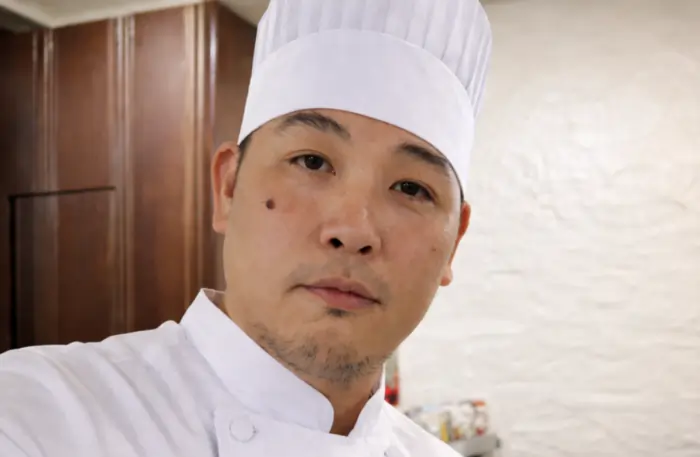
Chef Juan Gadi brings the heart of Filipino hospitality to Ubud, Bali. As an Executive Chef and consultant, he specializes in creating intimate, curated dining experiences that tell a story through every dish. Whether leading the kitchen at Kilig Filipino Warung or hosting a private villa dinner, Chef Juan’s approach is defined by warmth, modern technique, and a commitment to culinary excellence.