
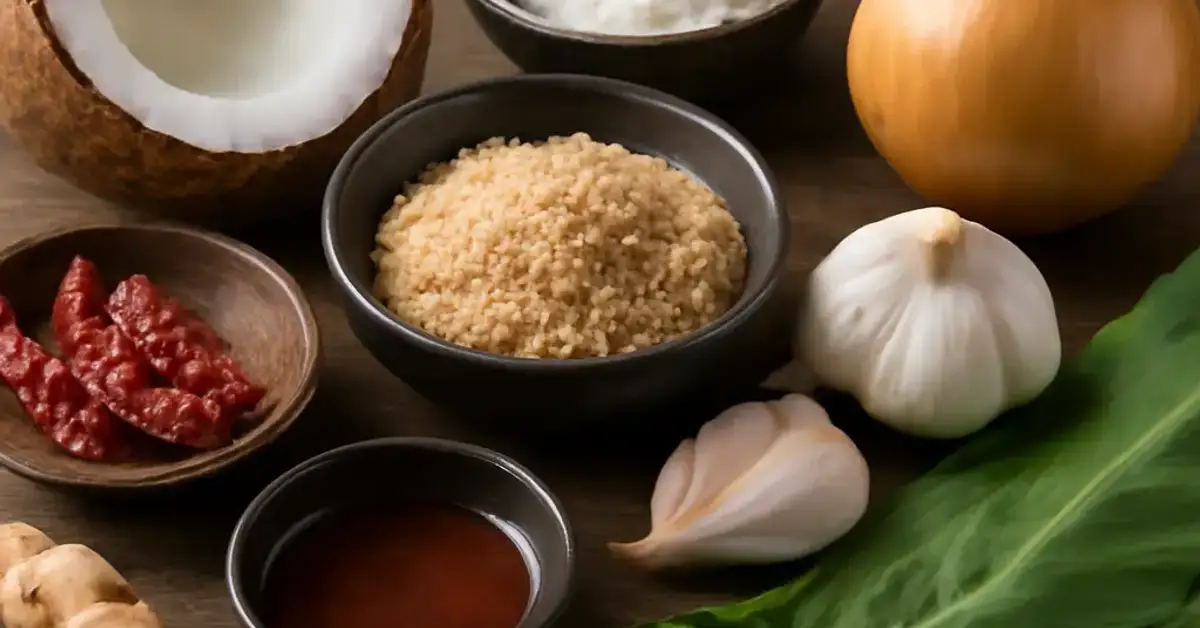
Filipino Ingredients Behind the Countrys Best Dishes Key Takeaways
The 12 Filipino Ingredients Behind the Countrys Best Dishes reveal a cuisine built on tropical abundance, indigenous wisdom, and centuries of trade.
- Understand how Filipino ingredients like calamansi, patis, and bagoong create layered sour, salty, and umami flavors unique to Filipino cuisine .
- Discover why Filipino cooking ingredients are deeply tied to regional terroir, with each island contributing distinct native ingredients Philippines .
- Learn how Filipino pantry staples such as coconut milk, cane vinegar, and soy sauce form the backbone of authentic Filipino recipes and Filipino comfort food .
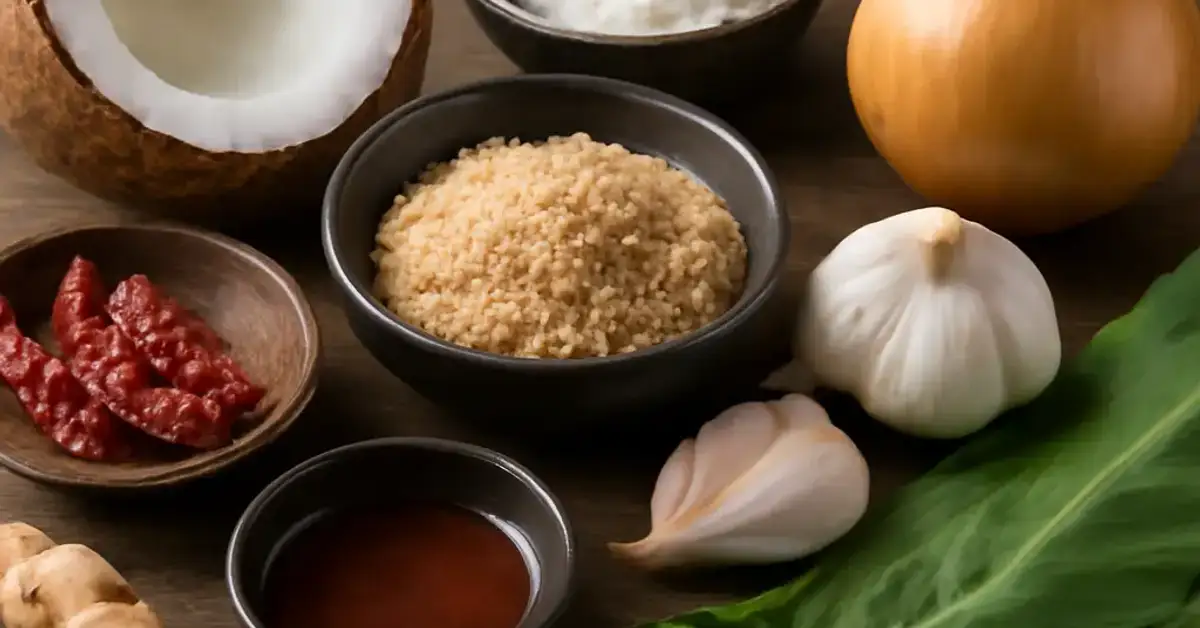
What Makes the Filipino Ingredients Behind the Countrys Best Dishes So Distinctive?
As an executive chef working in Bali, I often draw on the Filipino Ingredients Behind the Countrys Best Dishes to create meals that spark conversation. Guests ask why the stews taste so bright yet deeply savory, or how a simple grilled fish can feel so complete. The answer lies in a pantry shaped by tropical heat, volcanic soil, and a history of trade routes that brought chilies from the Americas, vinegar traditions from Southeast Asia, and cooking techniques from China and Spain. Yet at its heart, Filipino cuisine remains proudly indigenous, relying on native ingredients Philippines that have sustained communities for millennia.
What sets these ingredients apart is their ability to balance extremes: sourness that wakes up the palate, saltiness that lingers, sweetness that rounds out heat, and bitterness that adds complexity. Filipino cooking ingredients are rarely subtle—they announce themselves. This boldness is what makes traditional Filipino dishes so memorable and why chefs around the world are now exploring Philippine cuisine flavors for inspiration.
Calamansi: The Citrus Soul of Filipino Cooking
No discussion of Filipino ingredients begins without calamansi, a small, round citrus that is equal parts lime and mandarin. Its juice is the default souring agent for Filipino cooking traditions—used in dipping sauces, marinades, soups, and even desserts. Filipino spices like black pepper and chili pair beautifully with calamansi, and the fruit’s acidity cuts through rich Filipino comfort food like lechon or crispy pata.
I keep a bowl of halved calamansi in my kitchen at all times. Squeezed over sinigang or drizzled onto grilled seafood, it transforms a dish from good to unforgettable. For home cooks, bottled calamansi juice is a lifesaver, but nothing beats the fresh zest of fruits grown in the Philippine highlands.
Coconut in Filipino Food: The Universal Ingredient
Coconut in Filipino food appears in more forms than any other ingredient: gata (coconut milk), latik (coconut curds), buko (young coconut meat), and virgin coconut oil. It provides the creamy foundation for coconut based Filipino recipes like laing, ginataang manok, and kare-kare. The fruit’s versatility makes it an essential Filipino pantry staple from Luzon to Mindanao.
Regional differences shine here. In Bicol, coconut milk is used abundantly with chilies, creating a spicy-silky profile unique in regional Filipino cuisine differences. In the Visayas, coconut vinegar is preferred over cane varieties. Understanding how to emulsify coconut milk without curdling—cooking over low heat while stirring—is a skill every Filipino cooking student should master.
Vinegar: The Sour Backbone of Filipino Cuisine
Filipino vinegar dishes represent a cornerstone of the national palate. Cane vinegar (sukang iloko), coconut vinegar (sukang lubi), and palm vinegar each bring different acidity levels and fruity notes. Vinegar based Filipino cooking is not just for pickling; it’s used in adobo, sinamak (spiced vinegar), and as a dipping sauce for everything from fried fish to lumpia.
Why does Filipino cuisine rely so heavily on vinegar? The tropical climate made fermentation a natural preservation method long before refrigeration. How are coconut, vinegar, and soy used in Filipino cooking forms a classic question for new cooks. The answer: vinegar provides the sour, soy sauce adds salty umami, and coconut brings sweet richness—together they create the Filipino flavor base for countless dishes.
Soy Sauce Filipino Cooking: Salty Umami from Chinese Roots
Soy sauce Filipino cooking differs slightly from its Chinese or Japanese cousins. Filipino soy sauce (toyo) is typically lighter in color and saltier, with a thinner body. It’s the salty element in adobo, the marinade for pork barbecue, and the base for sinigang mix. Soy sauce Filipino cuisine owes much to Hokkien Chinese traders who settled in the Philippines centuries ago.
I teach my team to choose a quality local brand, as cheap soy sauces can be overly salty without complexity. Combined with Filipino vinegar dishes and garlic, it forms the essential trio that defines authentic Filipino recipes.
Patis (Fish Sauce): The Secret Depth
Patis—clear, amber fish sauce—adds an invisible layer of umami to Filipino seafood dishes and vegetable stews. Unlike Thai fish sauce, Philippine patis is less pungent and more savory, used both in cooking and as a dipping condiment mixed with calamansi and siling labuyo. It’s one of the indigenous ingredients Philippines that predates colonial contact.
In my balinese kitchen, patis is my secret weapon. A tablespoon in tinola or monggo guisado deepens flavor without announcing itself. It embodies the Filipino flavor profiles of saltiness and complexity that make traditional Filipino food so craveable.
Bagoong: Fermented Shrimp or Fish Paste
Bagoong is the boldest Filipino ingredient—a fermented paste of shrimp or fish that can be salty, funky, and intensely savory. It defines Filipino street food flavors when used as a dip for green mangoes, and it’s the soul of kare-kare’s rich sauce. Regional Filipino food boasts variations: bagoong alamang (shrimp) from the Visayas, bagoong isda (fish) from Ilocos, and even sweet-style bagoong from Pampanga. For a related guide, see 7 Best Filipino Food Through Regional Flavors: Luzon, Visayas and Mindanao.
Using bagoong requires a light hand; too much can overpower a dish. But when balanced with sourness from tamarind or vinegar, it creates the Filipino flavor base that is unmistakably Philippine.
Tamarind: The Souring Agent of Sinigang
Tamarind (sampalok) provides the signature sourness of sinigang, the country’s beloved sour soup. Filipino cooking ingredients often use tamarind in its paste, fresh pods, or powdered form. Its sweet-sour profile is also used in candies and sauces for Filipino rice dishes. Tamarind grows abundantly across the archipelago, making it one of the most accessible tropical ingredients Philippines.
Fresh tamarind requires soaking and mashing to extract the pulp, but the resulting broth is far superior to instant mixes. Along with calamansi and kamias, it shows how native ingredients shape Filipino cuisine through acidity.
Luya (Ginger): A Warming Aromatic
Filipino herbs like luya (ginger) are foundational to traditional Filipino cooking. Used in tinola, arroz caldo, and goto, ginger adds warmth and counters the fishiness of seafood. Filipino spices are fewer than in Indonesian cuisine, but ginger is indispensable. The native variety—smaller and more pungent than Thai ginger—is preferred for its intense aroma.
When making broth-based Filipino comfort food, I always crush ginger slices to release oils before adding other aromatics. It’s a small step that makes a big difference in depth.
Dahon ng Bay Leaves: The Earthy Aroma
Bay leaves (dahon ng laurel) are one of the most common Filipino herbs, added to adobo, mechado, and caldereta. While similar to Mediterranean bay, the Philippine variety is milder and slightly sweeter. Filipino pantry staples always include dried bay leaves for slow-cooked stews. The herb works through slow infusion, releasing its floral notes over time.
I instruct my cooks to remove bay leaves before serving—they are tough and can be unpleasant to bite into. Their role is to perfume, not to be eaten.
Siling Labuyo: The Original Chili
Siling labuyo, or bird’s eye chili, is one of the few truly native Filipino spices. Tiny but fiercely hot, it appears in Filipino street food ingredients as a dipping chili, in sinamak (spiced vinegar), and in Bicolano dishes. Filipino cuisine is not generally very spicy compared to Thai or Indonesian food, but in regions like Bicol, it takes center stage.
Fresh siling labuyo freezes well, so I keep a stash for quick heat adjustments. A single pod can elevate a bowl of pancit or a plate of grilled pork.
Pandesal Dough and Bread Culture
While not a traditional crop, the pandesal dough—made from flour, yeast, sugar, and salt—represents the Spanish and American influence on Filipino cuisine. Pandesal is the breakfast bread, often paired with cheese, jam, or dipped in coffee. Filipino cooking ingredients for baking may differ from savory cooking, but pandesal’s role in daily life makes it an essential Filipino comfort food component.
Modern twists include ube pandesal and cheese-filled pandesal, showing how Filipino culinary heritage adapts old forms with local flavors.
Daing: Dried Fish, The Star of Simple Meals
Daing (dried or marinated fish) is a staple Filipino ingredient for breakfast and lunch. Filipino seafood dishes often start with daing—dried, salted, and sometimes vinegar-marinated fish like tuyo, dilis, or galunggong. It’s the backbone of Filipino comfort food served with garlic rice and fried egg.
How does seafood influence Filipino cuisine becomes clear when you understand that the 7,000-island nation treats fish as the primary protein. Drying preserved the catch before refrigeration, and the tradition continues for flavor. I serve a modern daing confit in my restaurant, honoring the original while applying modern technique. The authentic Filipino cooking spirit remains: resourceful, bold, and deeply satisfying.
Frequently Asked Questions About Filipino Ingredients Behind the Countrys Best Dishes
What are the key Filipino ingredients used in traditional dishes?
Filipino ingredients central to traditional cooking include calamansi, coconut milk, vinegar (cane, coconut, palm), soy sauce, fish sauce (patis), bagoong (fermented shrimp paste), tamarind, ginger, bay leaves, siling labuyo, pandesal dough, and daing (dried fish).
Why are Filipino dishes rich in tropical ingredients ?
The Philippines’ tropical climate supports year-round growth of coconuts, citrus, chili, and root crops. Indigenous communities developed cuisines around what was locally abundant, making tropical ingredients Philippines the natural foundation of the national plate.
How do native ingredients shape Filipino cuisine ?
Native ingredients Philippines like calamansi, kamias, and coconut define the sour and creamy dimensions of Filipino cuisine. They create flavor profiles that are distinct from other Southeast Asian cuisines, emphasizing brightness and depth over heat or sweetness.
What makes Filipino food unique compared to other Asian cuisines ?
Filipino cuisine stands out for its heavy reliance on vinegar and souring agents, the pervasive use of coconut in both savory and sweet dishes, and a preference for simultaneous salty, sour, and sweet flavors in one meal. It’s less spicy than Thai or Indonesian food, but deeply savory.
How are coconut, vinegar, and soy used in Filipino cooking?
Coconut in Filipino food provides creaminess; Filipino vinegar dishes add sourness; soy sauce Filipino cooking contributes salty umami. Together they form the Filipino flavor base for adobo, kinilaw, and countless stews.
What role do spices play in Filipino dishes ?
Filipino spices like ginger, garlic, bay leaves, and siling labuyo are used more for aroma and depth than for intense heat. They support, rather than dominate, the main ingredients. Black pepper is the most common dried spice.
How do regional ingredients affect Filipino recipes ?
Regional Filipino food varies by available crops: Bicol uses heavy coconut and chili; Ilocos favors vinegar and garlic; the Visayas rely on seafood and root vegetables. These local resources create distinct regional Filipino cuisine differences. For a related guide, see Filipino Food Through Regional Flavors: 7 Essential Flavors to Explore.
What are the most common herbs in Filipino cooking ?
Filipino herbs include bay leaves, lemongrass (tanglad), scallions, and sometimes kaffir lime leaves. Mediterranean herbs are rarely used; the native palette favors aromatics over leafy greens for seasoning.
How does seafood influence Filipino cuisine ?
As an archipelago, Filipino seafood dishes are central to daily meals. Fish is the primary protein, often grilled, fried, or stewed. Daing, kinilaw (ceviche), and sinigang na isda showcase the ocean’s importance to Filipino food culture.
Why is rice central to Filipino meals ?
Rice is the foundational starch in Filipino rice dishes, accompanying every meal from breakfast to dinner. It provides neutral balance to bold savory flavors, and is also used in desserts like bibingka and puto, cementing its role in Filipino food identity. For a related guide, see How Tropical Ingredients Influence Filipino Cooking.
How do indigenous ingredients reflect Filipino culture ?
Indigenous ingredients Philippines such as root crops (ube, gabi), native citrus, and coconut reflect pre-colonial agricultural knowledge and seasonal eating practices. They embody the resourcefulness that defines Filipino culinary heritage.
What ingredients define authentic Filipino comfort food ?
Filipino comfort food relies on ingredients like garlic, onion, ginger, soy sauce, vinegar, and coconut milk. Dishes like adobo, sinigang, kare-kare, and arroz caldo use these to create hearty, emotionally satisfying meals.
How has Filipino cuisine evolved through local ingredients?
Filipino cuisine evolved by adapting foreign techniques (Spanish stewing, Chinese stir-frying) to native ingredients Philippines. New crops like tomatoes and chilies were absorbed into existing flavor systems, creating a hybrid yet distinctly Philippine cuisine flavors.
What are the essential pantry items in Filipino cooking ?
Filipino pantry staples include soy sauce, vinegar (cane and coconut), fish sauce, bagoong, calamansi, coconut milk, garlic, ginger, bay leaves, and dried fish. These items allow cooks to prepare most authentic Filipino recipes at home.
How do Filipino ingredients create bold flavors?
The combination of sour (vinegar, calamansi), salty (patis, bagoong), umami (soy sauce, bagoong), and sweet (coconut milk) creates layered, intense taste experiences. Filipino cooking ingredients are never shy; they build flavor through contrast and balance.
Is Filipino food very spicy?
Filipino cuisine is generally mild compared to Thai or Korean food. Spiciness is regional (Bicol is the exception) and comes from siling labuyo used in condiments, not as a base flavor. Filipino spices prioritize aroma over heat.
Can I substitute local ingredients for authentic Filipino recipes ?
Substitutions work in a pinch—lime for calamansi, molasses vinegar for cane vinegar—but the flavor profile shifts. For authentic Filipino recipes, sourcing Filipino pantry staples from Asian markets yields the truest results.
What is the most important cooking method in Filipino cuisine ?
Stewing (pagluluto sa sabaw) and simmering in vinegar (pagsasabao) are defining methods. These techniques developed from preservation needs and are central to Filipino cooking traditions with Filipino vinegar dishes and Filipino comfort food.
How does Filipino food compare to other Southeast Asian cuisines?
Southeast Asian cuisine comparison shows Filipino food less spicy than Thai, less herbaceous than Vietnamese, and less coconut-sweet than Indonesian. Its distinction lies in heavy vinegar use and a preference for simultaneous sour-salty-sweet balance without dominant heat.
Where can I buy authentic Filipino ingredients outside the Philippines?
Filipino cooking ingredients are available in most Asian grocery stores worldwide. Online retailers like Weee!, Amazon, and specialty Philippine food shops ship Filipino pantry essentials internationally.

Chef Juan Gadi brings the heart of Filipino hospitality to Ubud, Bali. As an Executive Chef and consultant, he specializes in creating intimate, curated dining experiences that tell a story through every dish. Whether leading the kitchen at Kilig Filipino Warung or hosting a private villa dinner, Chef Juan’s approach is defined by warmth, modern technique, and a commitment to culinary excellence.




