Role of Indigenous Ingredients in Filipino Cuisine Key Takeaways
The role of indigenous ingredients in Filipino cuisine is foundational to the nation’s culinary identity, shaping flavors, techniques, and food systems long before colonial influences arrived.
- The role of indigenous ingredients in Filipino cuisine extends beyond flavor, encompassing cultural identity, biodiversity preservation, and sustainable food practices.
- Key native ingredients such as root crops, coconut, tropical fruits, and locally sourced proteins form the backbone of traditional Filipino cooking and continue to inspire modern culinary innovation.
- Preserving indigenous food systems is crucial for maintaining Philippine culinary heritage and supporting the country’s rich agricultural biodiversity.
Understanding the Role of Indigenous Ingredients in Filipino Cuisine
The role of indigenous ingredients in Filipino cuisine is a story of adaptation, resourcefulness, and deep respect for the natural environment. As an archipelago of over 7,600 islands, the Philippines boasts one of the most biodiverse ecosystems on the planet. This natural wealth has directly shaped a cuisine that is both incredibly varied and profoundly connected to its native Filipino food system. For food historians, culinary researchers, and chefs like myself who work with these ingredients daily, understanding this connection is not just academic; it is the key to unlocking the soul of Filipino food.
When we talk about Filipino cuisine indigenous ingredients, we are referring to the plants, animals, and marine life that have been part of the archipelago’s diet for millennia, long before the arrival of Spanish colonizers in the 16th century. These ingredients—from the humble root crops Philippines like gabi and tugi to the versatile coconut in Filipino food culture—form the bedrock of traditional dishes. They are the reason why a bowl of sinigang tastes bright and sour using native tamarind or kamias, and why a plate of adobo can vary so dramatically from one province to the next.
Exploring the role of indigenous ingredients in Filipino cuisine reveals a sophisticated food system built on tropical abundance. The Philippine culinary heritage is not a monolith; it is a mosaic of regional traditions, each with its own unique set of local herbs Philippines cooking and native produce. This diversity is a direct reflection of the country’s geography and the ingenuity of its people, who learned to thrive using what the land and sea provided.
The Historical Roots: Pre-Colonial Filipino Food Systems
To fully understand the role of indigenous ingredients in Filipino cuisine, we must travel back to pre colonial Filipino cuisine. Before the galleon trade brought new crops and cooking methods, the islands had a well-established and highly sophisticated food culture. Early Austronesian settlers brought with them knowledge of rice cultivation, root crop farming, and methods of preserving food like fermentation and drying. This Filipino food culture history is a testament to a people who understood their environment intimately.
Root Crops: The Original Staples
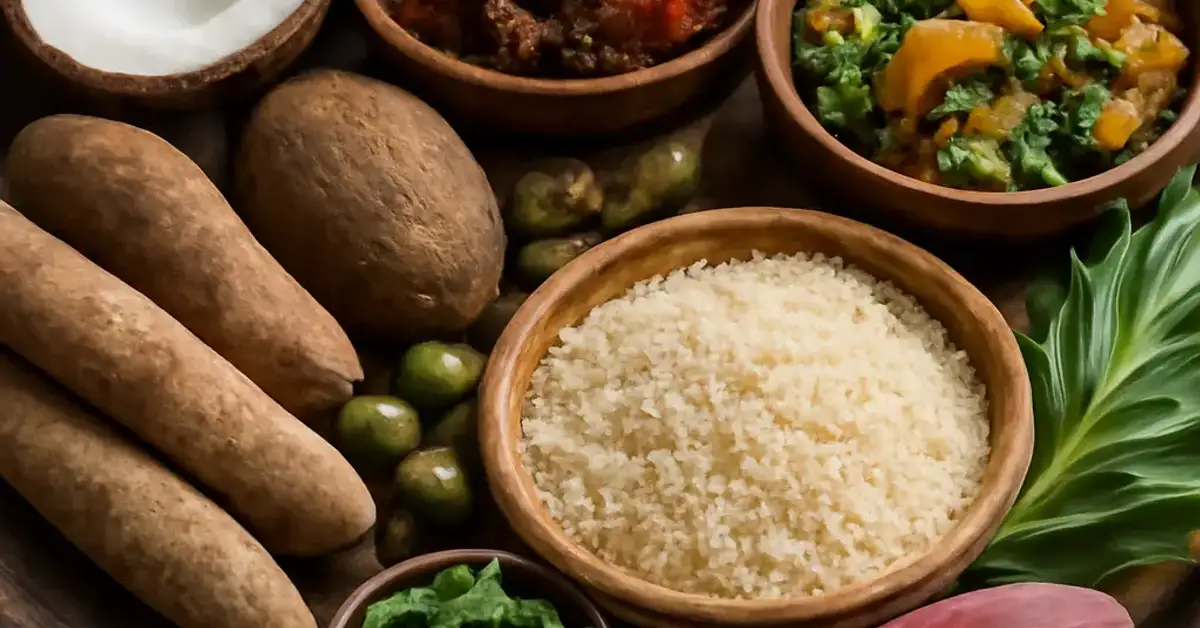
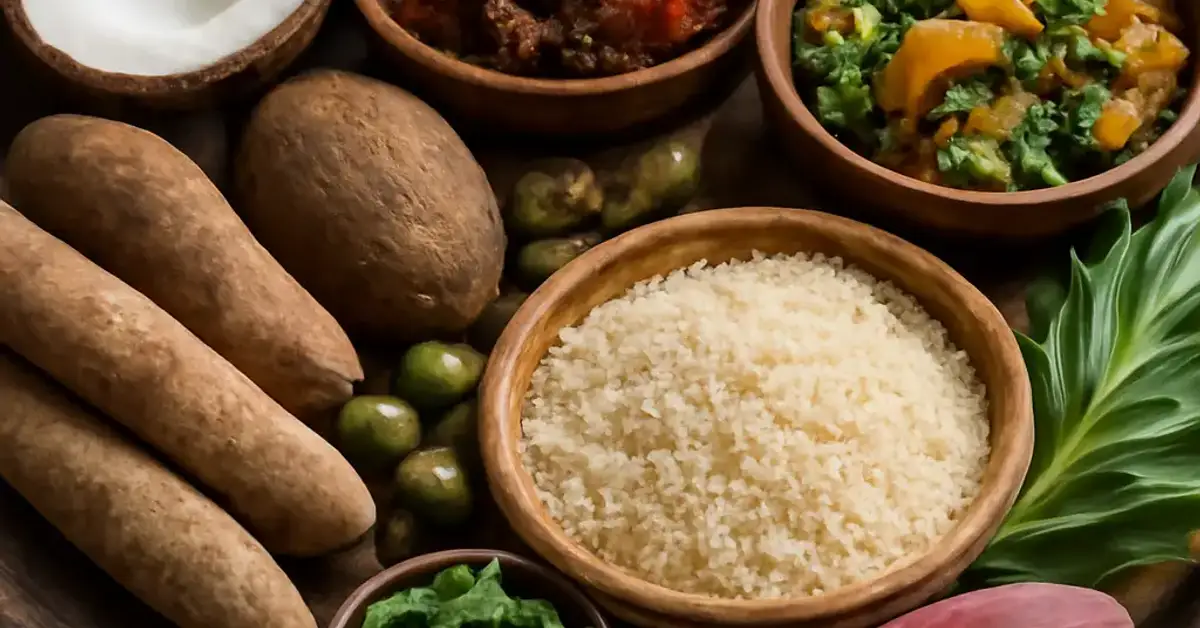
While rice is now a staple across much of the Philippines, root crops Philippines cuisine was the original foundation of the diet for many communities. Pre colonial Filipino food relied heavily on tubers like ube (purple yam), kamote (sweet potato), gabi (taro), and cassava. These hardy plants thrived in the tropical climate and required less intensive cultivation than wet rice. They were also incredibly versatile, used in everything from savory stews to sweet desserts. The indigenous food practices Philippines around these crops involved sophisticated knowledge of planting cycles, harvesting, and storage, ensuring year-round food security. For a related guide, see How Tropical Ingredients Influence Filipino Cooking.
The Ubiquitous Coconut
There is perhaps no ingredient more central to traditional Filipino cooking than the coconut. The coconut in Filipino food culture is not just an ingredient; it is a multipurpose resource that provides food, drink, oil, and building materials. Its milk, cream, and meat are used across the entire culinary spectrum. From the rich, savory gata-based curries of Bicol to the refreshing desserts of the Visayas, the coconut is a cornerstone of Filipino culinary identity. Its ability to add richness and depth to dishes without the use of dairy products is a defining characteristic of the cuisine. For a related guide, see 7 Best Filipino Food Through Regional Flavors: Luzon, Visayas and Mindanao.
Key Indigenous Ingredients That Define Filipino Cuisine
The role of indigenous ingredients in Filipino cuisine is best understood by examining the specific native ingredients Philippines that continue to be essential in kitchens today. These are not relics of the past but living components of a vibrant food culture. Filipino herbs and spices like pandan, lemongrass, and kasubha (safflower) add unique aromatics, while souring agents like calamansi, tamarind, and batuan provide the signature acidity that balances the richness of many dishes.
Native Greens and Vegetables
Beyond the well-known produce, Philippine biodiversity food includes a wealth of leafy greens and vegetables. Malunggay (moringa), kangkong (water spinach), and alugbati (Malabar spinach) are nutrient-dense powerhouses that have been used for generations. These local ingredients Philippines are often foraged or grown in home gardens, reinforcing a sustainable Filipino food system that minimizes waste and maximizes freshness. The use of bitter melon (ampalaya) and winged beans (sigarilyas) showcases a palate that appreciates a range of flavors beyond simple sweetness and saltiness.
Fermentation and Preservation
Traditional Filipino cooking is rich in fermented foods, a direct legacy of indigenous food systems Philippines that needed to preserve harvests. Bagoong (fermented fish or shrimp paste) is a fundamental condiment that adds umami depth. Patis (fish sauce) is used much like soy sauce in other Asian cuisines. These Filipino culinary traditions of fermentation not only preserved food but also unlocked new flavors and beneficial probiotics. The process itself is a keystone of Filipino recipe history.
Regional Spotlight: Diversity Through Native Ingredients
The regional Filipino cuisine diversity is a direct result of the local ingredients Philippines available in each area. Filipino regional cuisine cannot be discussed without acknowledging this geographic influence. In the mountainous Cordillera region, for example, boiled root crops and fermented vegetables are common. In the Visayas, an abundance of seafood and coconut shapes the cooking. In Mindanao, the influence of trade with nearby cultures introduced spices like turmeric and cumin, which were then adapted into traditional recipes Philippines.
The role of indigenous ingredients in Filipino cuisine becomes very clear when comparing a dish from Luzon to one from Mindanao. A simple chicken tinola from the north might use green papaya and malunggay, while a similar dish in the south might incorporate turmeric and coconut milk. This is not just variation for the sake of it; it is a reflection of each region’s tropical ingredient systems Philippines and its unique cultural food identity.
Contemporary Applications: Chef Juan’s Perspective
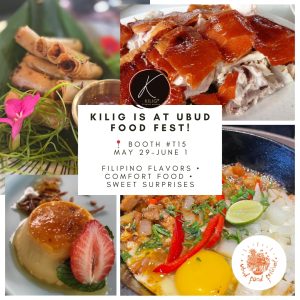
As Chef Juan Gadi, bringing the heart of Filipino hospitality to Ubud, Bali, my work is deeply rooted in this heritage. The role of indigenous ingredients in Filipino cuisine is not a history lesson for me; it is a daily practice. In my kitchens at Kilig Filipino Warung and during private villa dinners, I focus on how these heritage ingredients Philippines can be translated into modern, curated dining experiences. I use traditional fermentation techniques like making bagoong from local fish to create new sauces. I pair ube with unexpected flavors to show its versatility beyond desserts.
The Filipino culinary evolution is exciting precisely because of this grounding in indigenous knowledge. By using native ingredient preservation Philippines techniques like fermentation and pickling, I can create dishes that are both familiar and novel. The goal is always to tell a story through every dish, a story that begins with the land, the sea, and the indigenous farming Philippines communities that have stewarded these ingredients for centuries. This approach is central to my philosophy of sustainable food traditions Philippines and modern gastronomy.
Preserving Indigenous Food Traditions for the Future
The role of indigenous ingredients in Filipino cuisine is more critical now than ever. As the global food system faces challenges of sustainability and biodiversity loss, the Philippine food ecosystem offers valuable lessons. Preserving heritage ingredients Philippines is not just about nostalgia; it is about maintaining genetic diversity, supporting local farmers, and fostering food sovereignty. Filipino agricultural heritage includes a vast array of heirloom rice varieties, native livestock like the Philippine native pig, and countless varieties of fruits and vegetables that are adapted to local conditions.
Efforts to document and promote native ingredient preservation Philippines are crucial. Food anthropology Philippines studies and culinary research are helping to catalog these resources. For chefs and food lovers, the call to action is clear: seek out and celebrate Filipino ingredient heritage. By choosing local ingredients Philippines and supporting sustainable Filipino food practices, we can ensure that the flavors of our past continue to nourish future generations.
Useful Resources
For those interested in diving deeper into the role of indigenous ingredients in Filipino cuisine and the country’s culinary heritage, the following resources offer excellent insights and academic perspectives.
- National Commission for Culture and the Arts: Philippine Food, Cuisine and Culinary Heritage – An official resource that provides a comprehensive overview of the historical and cultural context of Filipino food.
- Slow Food Foundation for Biodiversity – An international organization that works to preserve traditional food systems and biodiversity, including projects in the Philippines focusing on native ingredients and sustainable agriculture.
Frequently Asked Questions About Role of Indigenous Ingredients in Filipino Cuisine
What is the role of indigenous ingredients in Filipino cuisine ?
The role of indigenous ingredients in Filipino cuisine is to form the foundational flavors, textures, and culinary techniques of the nation’s food culture. They define regional identities, ensure sustainability through local biodiversity, and connect modern cooking to a rich pre-colonial heritage.
How do native ingredients shape Filipino food identity?
Native ingredients Philippines like calamansi, coconut, and ube create a unique flavor profile that distinguishes Filipino food from other cuisines. They reflect the archipelago’s biodiversity and the resourcefulness of its people, making Filipino cultural food identity deeply tied to the land and sea.
What are examples of indigenous Filipino ingredients?
Key examples include root crops Philippines like ube and gabi, tropical fruits like atis and langka, local herbs Philippines cooking such as pandan and lemongrass, and proteins from native sources like the Philippine native pig and various reef fish. Coconut Philippines cuisine is also a prime example.
Why are local ingredients important in traditional Filipino cooking ?
Local ingredients Philippines are crucial because they are adapted to the climate, require fewer resources to grow, and are intrinsically linked to traditional recipes. They ensure authenticity, support sustainable food traditions Philippines, and preserve the unique flavors of Philippine culinary heritage.
How did indigenous food systems influence Filipino cuisine?
Indigenous food systems Philippines established the foundational techniques of the cuisine, such as fermentation (bagoong), drying, and using the coconut in all its forms. These systems were based on a deep understanding of tropical ingredient systems Philippines and seasonal cycles, shaping Filipino gastronomy history.
What herbs and plants are native to the Philippines used in cooking?
Native herbs and plants include pandan for aroma, malunggay for nutrition, lemongrass for citrus notes, kasubha for color, and kinchay (Chinese celery) for freshness. These Filipino herbs and spices are essential for achieving authentic flavors in traditional Filipino cooking.
How do indigenous ingredients differ from colonial influences in Filipino food?
Indigenous ingredients are those native to the archipelago, used in pre-colonial dishes. Colonial influences introduced ingredients like wheat, beef, and dairy from Spain, and soy sauce from China. The difference lies in Filipino cuisine evolution, where native ingredients form the base and colonial additions offer variation.
What role do root crops play in Filipino cuisine?
Root crops Philippines cuisine serves as a historical staple, especially in regions where rice was less abundant. They are used in savory dishes like ginulay, desserts like ube halaya, and as flour for baked goods. Their role is foundational to Filipino comfort food origins and food security.
How do coastal indigenous ingredients affect Filipino dishes?
Coastal indigenous ingredients like fresh fish, sea urchin, and seaweed heavily influence dishes from the Visayas and other island regions. They lead to lighter, brine-driven flavors and the use of sustainable food traditions Philippines like bagoong and kinilaw (ceviche).
Why is coconut considered an essential indigenous ingredient?
Coconut in Filipino food culture is essential because of its versatility and abundance. It provides milk, cream, oil, and meat, all of which are used across the entire spectrum of Filipino cuisine, from savory stews to sweet desserts, making it a pillar of Philippine culinary heritage.
How do Filipino communities preserve native food traditions?
Communities preserve native ingredient preservation Philippines through home gardens, communal farming, and passing down recipes orally. Food festivals, culinary schools, and organizations like Slow Food also play a role in documenting and celebrating indigenous agriculture Philippines.
What traditional cooking methods use indigenous ingredients?
Methods include boiling root crops, steaming in banana leaves (pitarpitar), roasting over open fire, and fermenting to make bagoong. These traditional cooking traditions Philippines maximize the use of native ingredients Philippines without complex equipment.
How does biodiversity influence Filipino cuisine?
Filipino food biodiversity provides a wide range of flavors, textures, and nutrients, allowing for regional specialization. The variety of tropical ingredients Philippines like bananas, root crops, and seafood leads to highly diverse regional cooking traditions Philippines.
What indigenous ingredients are still commonly used today?
Commonly used indigenous ingredients include coconut milk, calamansi, ube, kamote, pandan, lemongrass, and bagoong. These are not just historical ingredients but are central to modern Filipino cuisine indigenous ingredients in both home and professional kitchens.
How do regional cultures use native ingredients in cooking?
Regional cultures adapt local ingredients Philippines based on availability. In the Cordilleras, root crops and fermented vegetables are common. In Bicol, coconut milk and chili are prominent. In the Visayas, seafood and souring agents dominate. This creates the rich regional Filipino cuisine diversity.
What is the significance of ube in Filipino cuisine?
Ube, or purple yam, is a root crops Philippines staple valued for its vibrant color and sweet, earthy flavor. It is a key heritage ingredients Philippines used in desserts like ice cream and halaya, and represents the creativity in Filipino culinary evolution.
Are there any endangered indigenous ingredients in the Philippines?
Yes, many heritage ingredients Philippines such as heirloom rice varieties like Milagrosa and Dinorado are endangered due to industrial farming. Similarly, native livestock like the Philippine native pig and some wild herbs face threats, highlighting the need for native ingredient preservation Philippines.
How can I start using more indigenous Filipino ingredients at home?
Start by substituting key items: use calamansi instead of lemon, bagoong instead of fish sauce from other cuisines, and ube or kamote instead of potatoes. Look for local ingredients Philippines in Asian grocery stores and experiment with traditional recipes Philippines online.
What is the connection between indigenous farming and Filipino food?
Indigenous farming Philippines practices like palay (rice) terraces and swidden farming have sustained communities for centuries. These methods are designed to work with tropical ingredient systems Philippines and are central to sustainable food traditions Philippines.
How do restaurants like Kilig Filipino Warung honor indigenous ingredients?
At Kilig Filipino Warung, Chef Juan Gadi honors Filipino ingredient heritage by using traditional fermentation techniques, sourcing local produce, and creating modern dishes that showcase the role of indigenous ingredients in Filipino cuisine in a contemporary dining experience.
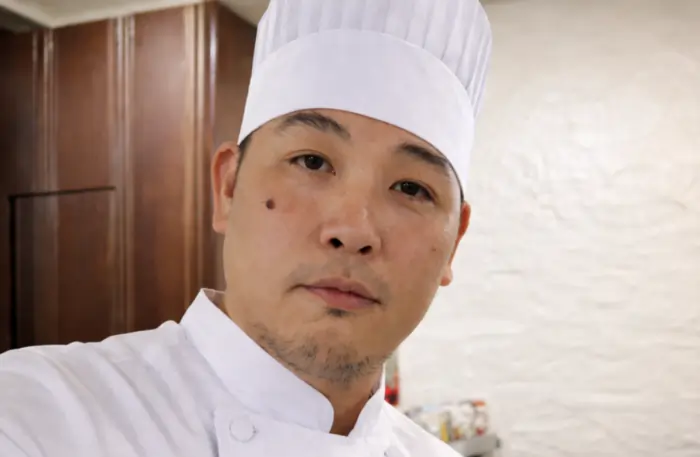
Chef Juan Gadi brings the heart of Filipino hospitality to Ubud, Bali. As an Executive Chef and consultant, he specializes in creating intimate, curated dining experiences that tell a story through every dish. Whether leading the kitchen at Kilig Filipino Warung or hosting a private villa dinner, Chef Juan’s approach is defined by warmth, modern technique, and a commitment to culinary excellence.