
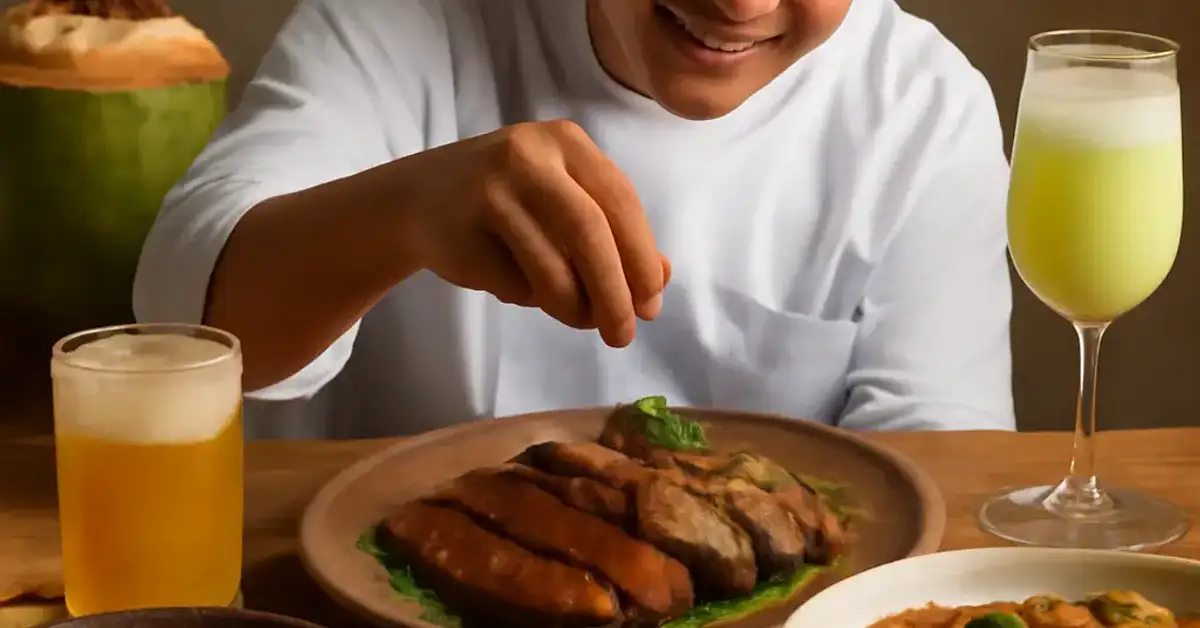
Art of Pairing Filipino Food and Beverages Key Takeaways
The art of pairing Filipino food and beverages is a sensory journey that balances salty, sour, sweet, and savory flavors with drinks that either complement or contrast each note.
- Art of pairing Filipino food and beverages relies on balancing the bold umami, tangy calamansi, and rich coconut cream with drinks that cleanse or amplify those flavors.
- Traditional drinks like sago gulaman and fresh buko juice are as central to the meal as adobo or lechon, creating a complete dining ritual.
- Modern Filipino restaurants are reimagining these pairings with craft cocktails, artisanal sodas, and Southeast Asian drink pairing techniques, making the cuisine globally accessible.
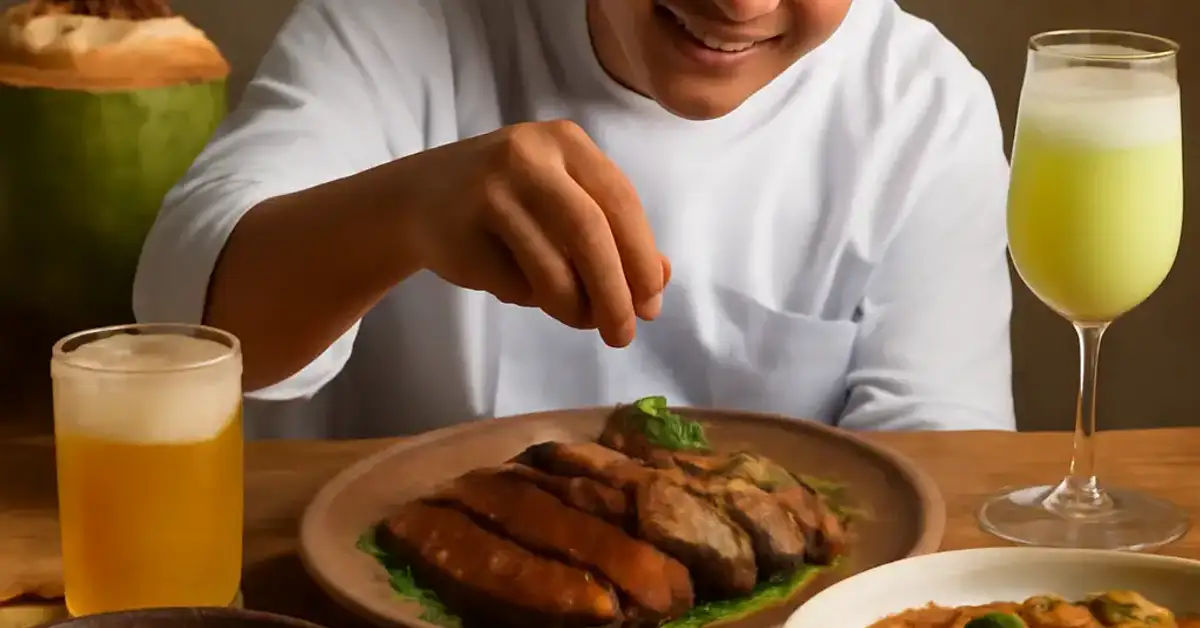
What Makes the Art of Pairing Filipino Food and Beverages Unique
Filipino cuisine is defined by its bold contrasts — sour sinigang, salty bagoong, sweet desserts like leche flan, and the deep savoriness of adobo. The art of pairing Filipino food and beverages is not an afterthought; it is a central pillar of Filipino dining culture. In the Philippines, every meal is an opportunity for connection, and the drink selection is chosen with as much care as the dish itself. For a related guide, see Why Filipino Cuisine Fits Balis Relaxed Dining Culture.
As Chef Juan Gadi, who brings the heart of Filipino hospitality to Ubud, Bali, I have found that the key to a memorable pairing lies in understanding the pairing flavors in Southeast Asian cuisine. Unlike Western traditions that often pair wine with a single protein, Filipino meals are communal, with multiple dishes served together. The drink must be versatile enough to transition from a spoonful of sour sinigang to a bite of rich kare-kare. This is where Filipino cuisine pairing traditions shine, offering beverages that cut through richness, refresh the palate, and tie the entire spread together. For a related guide, see Why Hospitality Shapes the Filipino Dining Experience.
Traditional Filipino Beverages: The Heart of the Table
Before diving into pairing strategies, it is essential to know the traditional Filipino beverages that form the backbone of the dining experience. These drinks are not just accompaniments — they are culinary tools designed to enhance the meal.
Non Alcoholic Filipino Beverages That Define Everyday Meals
Filipino non alcoholic drinks are diverse, refreshing, and deeply tied to local ingredients. Sago gulaman, a sweet drink made with tapioca pearls and jelly in brown sugar syrup, is a staple at Filipino festive drinks tables and street-side stalls. Its gentle sweetness balances salty and spicy dishes. Coconut drinks Philippines are another essential — fresh buko water, served straight from the young coconut, provides a clean, electrolyte-rich pairing that cools the palate against chili heat or heavy stews.
Other traditional refreshment drinks Philippines include calamansi juice (a zesty limeade), salabat (fresh ginger tea), and tsokolate (thick, rich hot chocolate made from tablea cocoa tablets). Each of these Filipino beverages brings a unique function: calamansi cuts through fried food, salabat aids digestion after a heavy meal, and tsokolate offers a bitter counterpoint to sweet rice cakes.
Coconut Based Drinks Philippines and Their Regional Roots
The island beverage culture Philippines is inseparable from the coconut palm. From the northern tip of Luzon to the southern coasts of Mindanao, every region has its own coco-inspired creation. In Laguna, buko pie is often accompanied by chilled buko juice; in the Visayas, a fermented coconut drink called tuba is a common sight at celebrations. These regional Filipino drinks vary in sweetness, acidity, and texture, making them incredibly versatile for pairing.
When I create private dinner experiences in Bali, I often use coconut-based drinks as a bridge between courses. The natural creaminess of young coconut milk softens the intense sourness of sinigang, while the effervescence of tuba lifts the richness of lechon belly. These pairings are a reflection of Filipino culinary identity — resourceful, tropical, and deeply connected to the land.
Pairing Filipino Food and Beverages: A Step-by-Step Guide
Understanding the art of pairing Filipino food and beverages requires learning how each drink complements or contrasts specific flavor profiles. Here is a practical approach that I use in my kitchen and recommend to chefs, restaurateurs, and home cooks alike.
Step 1: Identify the Dominant Flavor of the Dish
Begin by tasting the dish alone. Is it sour (sinigang, paksiw), salty (adobo, tuyo), sweet (halo-halo, turon), or rich and fatty (kare-kare, lechon)? Each dominant note calls for a different Filipino meal pairing approach. For sour broths, you want a drink that either cleanses with high acidity (calamansi juice) or soothes with creaminess (buko juice). For salty dishes, a sweeter or carbonated drink balances the sodium.
Step 2: Consider the Texture
Filipino food is a playground of textures — crunchy chicharrón, tender braised meats, chewy tapioca pearls. The drink should not compete. Filipino dining beverages like sago gulaman, with its smooth jelly and chewy pearls, mirror the playful mouthfeel of many desserts and street snacks. A light lager, on the other hand, cuts through crispy fried foods without weighing down the palate.
Step 3: Match Intensity to Intensity
A delicate fish kinilaw demands a drink that does not overpower — perhaps a light Filipino beer pairing food like San Miguel Pale Pilsen or a simple Filipino juice drinks glass of dalandan juice. For hearty, slow-cooked kaldereta, a fuller beverage such as dark beer or spiced salabat holds its ground. This balance is central to Southeast Asian drink pairing traditions.
Step 4: Use the Drink as a Palate Cleanser
In a multi-dish traditional Filipino meals setting, each sip should reset your taste buds. Local drink traditions Philippines have mastered this: a small glass of warm salabat between courses prepares you for the next flavor wave. This practice is especially important in cultural dining experiences Philippines, where meals are long, social, and abundant.
How to Pair Drinks with Filipino Comfort Food
Filipino comfort food drinks are a category of their own. Think of the steaming bowl of arroz caldo, the crispy perfection of lechon kawali, or the savory-sweet combination of tapsilog. These are the dishes that define Filipino comfort food drinks culture — and they deserve beverages that make the experience even more satisfying.
For arroz caldo, a ginger-forward congee often topped with hard-boiled egg and calamansi, a warm traditional Filipino drinks like salabat is the natural match. The ginger in both the dish and the drink reinforces the soothing, restorative effect. For lechon kawali, the contrast comes from something cold and fizzy: a Filipino beer pairing food like Red Horse or a sparkling calamansi cooler cuts through the fat and cleans the palate between each crispy bite.
When I serve tapsilog (beef tapa, garlic rice, fried egg) at Kilig Filipino Warung in Ubud, I recommend a tangy Filipino non alcoholic drinks such as cucumber-calamansi agua fresca. The acidity of the calamansi mirrors the tapa’s marinade, while the cucumber adds freshness that balances the salty fried rice. This is the art of pairing Filipino food and beverages at its most intuitive — listening to what the dish needs.
What Drinks Go Best with Filipino Seafood Dishes
Seafood is central to island cuisine pairing in the Philippines. Grilled bangus, kinilaw (Filipino ceviche), and adobong pusit each present unique pairing opportunities. The question of what drinks go best with Filipino dishes becomes especially nuanced when shellfish and fish are involved.
Kinilaw, with its fresh fish cured in vinegar and citrus, pairs beautifully with a crisp white wine or, more authentically, coconut drinks Philippines such as young coconut water. The natural electrolytes in the buko water echo the oceanic freshness. For grilled, smoky dishes like inihaw na pusit, a cold Filipino beer pairing food — especially a light lager — enhances the char while refreshing the palate. These pairings reflect the beverage culture Philippines and its reliance on simple, pure ingredients.
At my private villa dinners, I often present a pairing of grilled prawns with a calamansi-honey cooler. The honey softens the acidity, the calamansi brightens the shrimp, and together they exemplify tropical drink pairing at its best. For travelers and home cooks seeking cultural food experiences Philippines, this combination is easy to replicate and always impresses.
The Role of Regional Cuisine in Drink Pairing
The Philippines is an archipelago of more than 7,000 islands, each with its own regional Filipino drinks and culinary specialties. Understanding the art of pairing Filipino food and beverages means respecting these regional differences.
In the Ilocos region, known for its bagnet and pinakbet, local Filipino food culture drinks include sugarcane vinegar-based cocktails and ferments that cut through the pork’s richness. In Bicol, where coconut milk dominates dishes like laing and Bicol express, coconut based drinks Philippines are a natural pairing. The Visayas region, famous for its lechon, pairs the roast pig with tuba, a fermented coconut sap that offers a subtle effervescence and sweetness that cleanses the fatty mouthfeel.
As a chef working with Filipino culinary traditions beverages, I often tell my team that the best pairing is the one that grows in the same soil or swims in the same sea as the dish. This philosophy is at the heart of Filipino gastronomy culture — sustainable, seasonal, and deeply respectful of terroir.
Modern Filipino Dining Trends and Beverage Pairing
Modern Filipino dining trends are reimagining traditional pairings for contemporary palates. Chefs and bartenders are fusing Filipino alcohol pairings with craft techniques, producing cocktails that pay homage to classic Filipino beverages while surprising the guest.
At Filipino restaurant experiences in Manila and abroad, you might find a lambanog (coconut vodka) sour with calamansi and honey, mirroring the local drink traditions Philippines of tuba but in a polished form. Non-alcoholic versions use Filipino non alcoholic drinks like sago gulaman as a base, adding herbs and spices for complexity. These innovations are attracting food bloggers, culinary writers, and beverage enthusiasts who crave authenticity with a modern lens.
Chef Juan’s approach at Kilig Filipino Warung reflects this evolution. I pair a slow-braised pork adobo with a house-made tamarind soda that echoes the tangy-sweet profile of traditional sinigang. It is a nod to Filipino cuisine pairing traditions but executed with the precision of modern Filipino dining trends. For restaurant owners and hospitality professionals, this is the future of Filipino dining — honoring the past while innovating for the global stage.
Beverage Pairing Strategies for Filipino Street Food
Filipino street food drinks are a world of their own. From the smoky sticks of inihaw na isaw (chicken intestine skewers) to the garlicky crunch of squid balls, street food is about energy, speed, and bold flavors. The beverage must keep pace.
The classic pairing is Filipino beer pairing food — a cold, light lager that stands up to the salt and fire. But non alcoholic Filipino beverages have equal presence. A tall glass of sago gulaman cools the heat of spicy kwek kwek (deep-fried quail eggs), while a tangy Filipino juice drinks of kamias (bilimbi) provides a sour kick that complements the vinegar dips.
For travel bloggers and content creators documenting street food scenes, the visual contrast of colorful drinks next to sizzling skewers is as appealing as the taste. This is Filipino food combinations drinks at its most vibrant.
How Travelers Can Enjoy Authentic Filipino Food Pairings
For travel bloggers, diaspora Filipinos, and Gen Z travelers seeking cultural dining experiences Philippines, the art of pairing Filipino food and beverages offers a roadmap to deeper connection. I recommend starting with a classic combination: silog breakfast paired with warm salabat or cold buko juice. This not only satisfies but teaches the palate about balance.
When dining in a Filipino restaurant experiences setting, ask the server about local drink traditions Philippines. Many establishments now offer pairing menus that feature Filipino festive beverages alongside tasting portions of adobo, sinigang, and lechon. For a DIY approach, visit a local market and buy fresh buko, calamansi, and sago. Making these drinks at home is a joyful way to immerse yourself in Filipino food culture drinks.
Chef Juan’s advice to every traveler: let the drink be your guide. When you taste something new — a sour soup, a salty fish, a sweet rice cake — ask yourself what drink would make that flavor last a little longer. That curiosity is the beginning of mastering the art of pairing Filipino food and beverages.
Useful Resources
For further exploration of Filipino cuisine pairing traditions and beverage culture Philippines, visit Spot.ph Eating Out Guide for updated reviews of best Filipino restaurants and their drink offerings. Another excellent resource is Kawaling Pinoy, a culinary blog that offers authentic recipes and tips on pairing traditional Filipino meals with local beverages.
Frequently Asked Questions About Art of Pairing Filipino Food and Beverages
How do you pair Filipino food and beverages?
Start by identifying the dominant flavor (sour, salty, sweet, rich) and texture of the dish. Choose a drink that either contrasts or complements — sour dishes go well with creamy or sweet drinks, while salty dishes pair with carbonated or tangy beverages. Always consider the meal’s intensity and use the drink as a palate cleanser between bites.
What drinks go best with Filipino dishes?
Traditional Filipino drinks like buko juice, calamansi juice, sago gulaman, and salabat are versatile for most dishes. For savory or fried foods, Filipino beer pairing food is a classic choice. Desserts pair best with tsokolate or coconut-based drinks.
Why is food and drink pairing important in Filipino cuisine?
Pairing is central to Filipino dining culture because meals are communal and diverse. A well-chosen drink balances the bold, contrasting flavors on the table and enhances the overall cultural dining experiences Philippines is known for.
What beverages complement Filipino comfort food?
Filipino comfort food drinks such as warm salabat for arroz caldo, cold buko juice for lechon kawali, and calamansi cooler for tapsilog provide balance, refreshment, and digestive support.
How do traditional Filipino drinks enhance meals?
Filipino beverages like sago gulaman and salabat are not afterthoughts — they are flavor bridges that cool, cleanse, and add texture. They often mirror the dish’s ingredients, creating harmony.
What alcohol pairs well with Filipino dishes?
Filipino alcohol pairings include light lagers like San Miguel Pale Pilsen for fried foods, lambanog for rich stews, and tuba for grilled seafood. Craft cocktails featuring calamansi or coconut are also rising in popularity.
How do sweet and savory flavors influence pairing choices?
Sweet dishes call for drinks with balancing acidity (calamansi juice) or bitterness (tsokolate). Savory dishes need a sweet or salty drink that cuts through richness. The art of pairing Filipino food and beverages thrives on this contrast.
What are common Filipino beverage pairings for seafood dishes?
Grilled seafood pairs with Filipino beer pairing food; kinilaw (ceviche) goes well with buko water or a crisp white wine; fried seafood matches calamansi drinks. Coconut drinks Philippines are especially suited.
How does regional cuisine affect drink pairing in the Philippines?
Regional Filipino drinks like tuba in the Visayas or salabat in the Cordilleras reflect local agriculture. Pairing is often regional — Bicol uses coconut drinks, Ilocos uses sugarcane-based drinks, and Luzon prefers iced juices and sago gulaman.
What non alcoholic drinks match Filipino food?
Filipino non alcoholic drinks such as calamansi juice, buko water, sago gulaman, and salabat are excellent. They are fresh, flavorful, and widely available in local markets and restaurants.
How do coconut based drinks pair with Filipino meals?
Coconut based drinks Philippines including buko juice and tuba add natural sweetness and creaminess. They are ideal for spicy, sour, and fried dishes, as they cool the palate and enhance tropical flavors.
What is the role of sago gulaman and other local drinks in dining?
Sago gulaman and other traditional refreshment drinks Philippines are dessert-like beverages that add a sweet, cooling finish to a meal. They are especially popular during Filipino festive drinks and casual gatherings.
How do modern restaurants approach Filipino food pairing ?
Modern Filipino dining trends emphasize craft cocktails, artisanal sodas, and elevated presentations of classic drinks. Chefs and bartenders collaborate on pairing menus that highlight Filipino culinary traditions beverages with a contemporary twist.
What drinks are traditionally served with Filipino celebrations?
Filipino festive beverages include tuba, lambanog, and sweetened rice drinks like biko bibingka paired with tsokolate. These drinks are social, communal, and deeply tied to Filipino hospitality dining.
How can travelers enjoy authentic Filipino food pairings?
Visit local markets, try silog breakfasts, and order the recommended pairing from Filipino restaurant experiences. DIY is also easy — buy fresh calamansi, buko, and sago from a market to create Filipino beverages at home.
What is the best drink for adobo?
Adobo’s salty and savory profile pairs well with a crisp lager, Filipino beer pairing food, or a tangy calamansi juice. For a traditional touch, serve it with warm salabat.
What drink goes best with sinigang?
Sinigang’s sour broth is balanced by creamy coconut drinks Philippines like buko juice or by a cold Filipino beer pairing food that contrasts the acidity.
Can Filipino food be paired with wine?
Yes. Lighter Filipino dishes pair well with Riesling or Sauvignon Blanc; richer stews are complemented by Merlot or Pinot Noir. However, traditional Filipino drinks often offer a more authentic experience.
What is a good non alcoholic option for a Filipino party?
Filipino non alcoholic drinks like pink calamansi lemonade, sago gulaman punch, and coconut cooler are festive, crowd-pleasing choices that pair with everything from lumpia to lechon.
How does Chef Juan Gadi approach Filipino beverage pairing in Bali?
Chef Juan uses locally sourced coconuts, calamansi, and sago to create pairings that honor Filipino culinary traditions beverages while incorporating Balinese ingredients. Every pairing is designed to tell a story of Filipino hospitality dining.
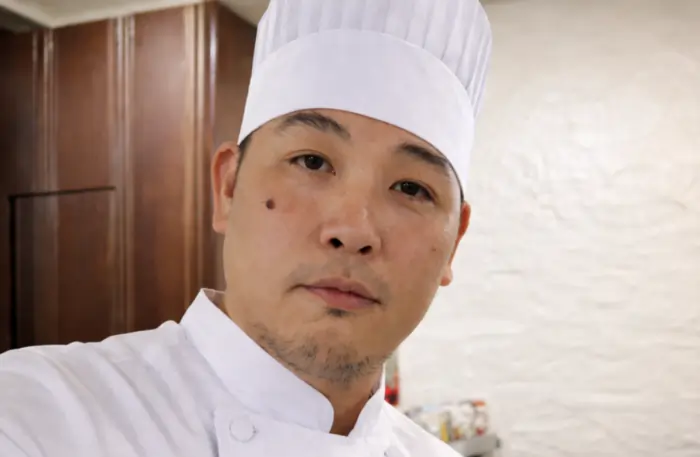
Chef Juan Gadi brings the heart of Filipino hospitality to Ubud, Bali. As an Executive Chef and consultant, he specializes in creating intimate, curated dining experiences that tell a story through every dish. Whether leading the kitchen at Kilig Filipino Warung or hosting a private villa dinner, Chef Juan’s approach is defined by warmth, modern technique, and a commitment to culinary excellence.