Cultural Significance of Filipino Street Food Key Takeaways
Filipino street food is far more than a quick bite—it is a living archive of the nation’s history, a daily ritual of community connection, and a bold expression of Filipino culinary heritage .
- Cultural Significance of Filipino Street Food is rooted in pre-colonial traditions, Spanish colonial influences, and the ingenuity of everyday Filipinos, making it a true reflection of Filipino food anthropology .
- Filipino street food culture thrives on social dining—eating together from a single stick or bowl fosters community bonds and breaks down social barriers across the urban food culture Philippines .
- From the iconic fish ball to the adventurous isaw (chicken intestine skewers), each traditional Filipino snack carries a story of regional identity and public eating culture Philippines , connecting over 7,000 islands through flavor.
What Makes the Cultural Significance of Filipino Street Food So Unique?
I still remember my first bite of Filipino street food as if it were yesterday. It was a balut, warm and salty, handed to me by a vendor in Quiapo, Manila. The egg’s broth was a revelation—savory, rich, and deeply comforting. That moment, surrounded by the hum of jeepneys and the laughter of strangers sharing a wooden bench, I understood that this was not just food. It was Filipino food culture in its purest form. As a chef dedicated to bringing the heart of Filipino hospitality to the world—from the intimate dinners at Kilig Filipino Warung in Ubud to private villa experiences—I have come to see that cultural significance of Filipino street food lies in its ability to tell stories without words. It is a cuisine born from scarcity, tempered by creativity, and elevated by the warmth of Filipino street vendor traditions. For a related guide, see Filipino Food Traditions: 7 Essential Customs Every Traveler Must Know.
To understand Philippine street food traditions, we must go back to the pre-colonial period. Early Filipinos cooked simple meals of grilled fish, root crops, and native fruits over open fires—practices that directly influence today’s Filipino comfort food culture. When Spanish colonizers arrived in the 16th century, they introduced techniques like deep-frying and stewing, along with new ingredients such as pork, wheat, and vinegar. These merged seamlessly with indigenous cooking methods, giving birth to iconic dishes like lumpia and turon. Later, American colonization brought hot dogs, processed cheese, and the introduction of the street-side barbecue grills that now define Filipino snack culture. Each era left its mark, transforming Filipino food history into a layered, delicious narrative.
How Does Filipino Street Food Reflect Local Traditions?
Every region in the Philippines adds its own chapter to the street food evolution Philippines. In Ilocos, you will find Filipino regional street food like bagnet (crispy fried pork belly) served with fermented shrimp paste—a dish that speaks to the Ilocano love for bold, salty flavors. In Pampanga, the country’s culinary capital, vendors sell palencia (deep-fried pork intestines) and burung bulig (fermented mudfish with rice), showcasing the Kapampangan mastery of preservation and fermentation. Meanwhile, in the Visayas, the Filipino street food economy is built around seafood—grilled danggit (dried rabbitfish) and kinilaw (ceviche) are daily staples in Cebu’s public markets. These cultural food practices Philippines are not just about taste; they are about identity. Eating balut in Luzon is a morning ritual, while in Mindanao, the influence of Muslim cuisine introduces dishes like pastil (rice wrapped in banana leaf with shredded chicken) as a popular Filipino traditional snack. For a related guide, see The Role of Indigenous Ingredients in Filipino Cuisine.
Regional differences also shape Filipino food identity. A street food Philippines map would show that in Bicol, vendors add coconut milk and chili to almost everything, reflecting the region’s abundant coconuts and love for heat. In Zamboanga, the Sama-Bajau influence brings turmeric-infused fish balls and spicy puso (hanging rice). These regional street food Philippines items are not merely snacks; they are fragile repositories of local history, agriculture, and community values. Filipino food anthropology teaches us that what we eat on the street is a direct expression of the land and the people who cultivate it.
The Social Role of Street Food in Urban Areas
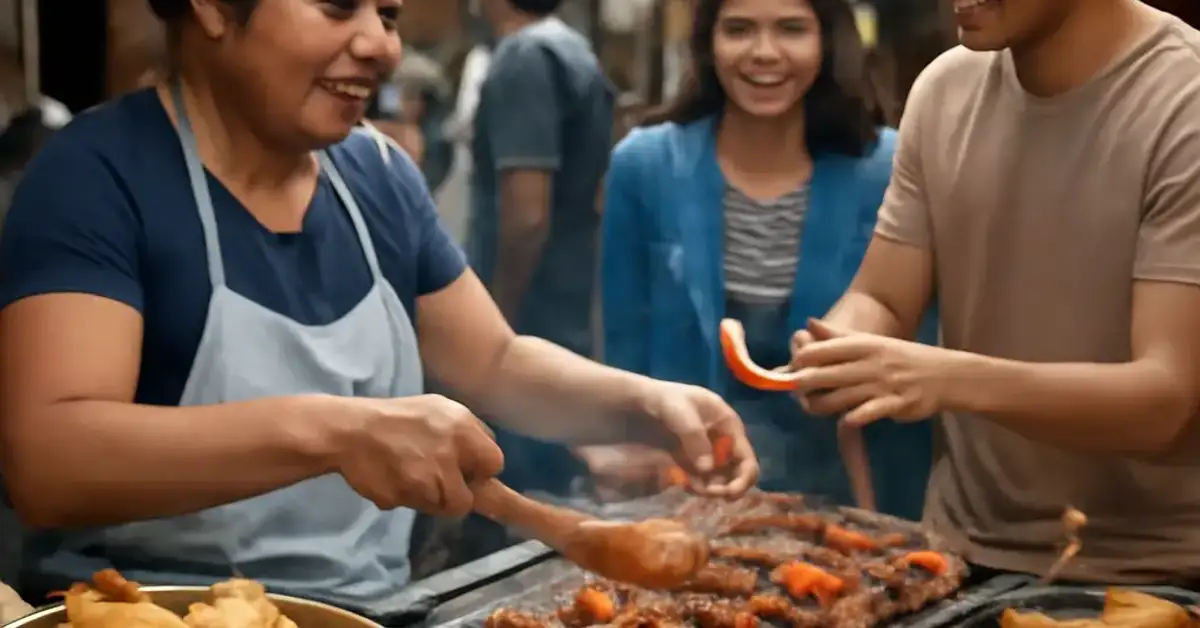
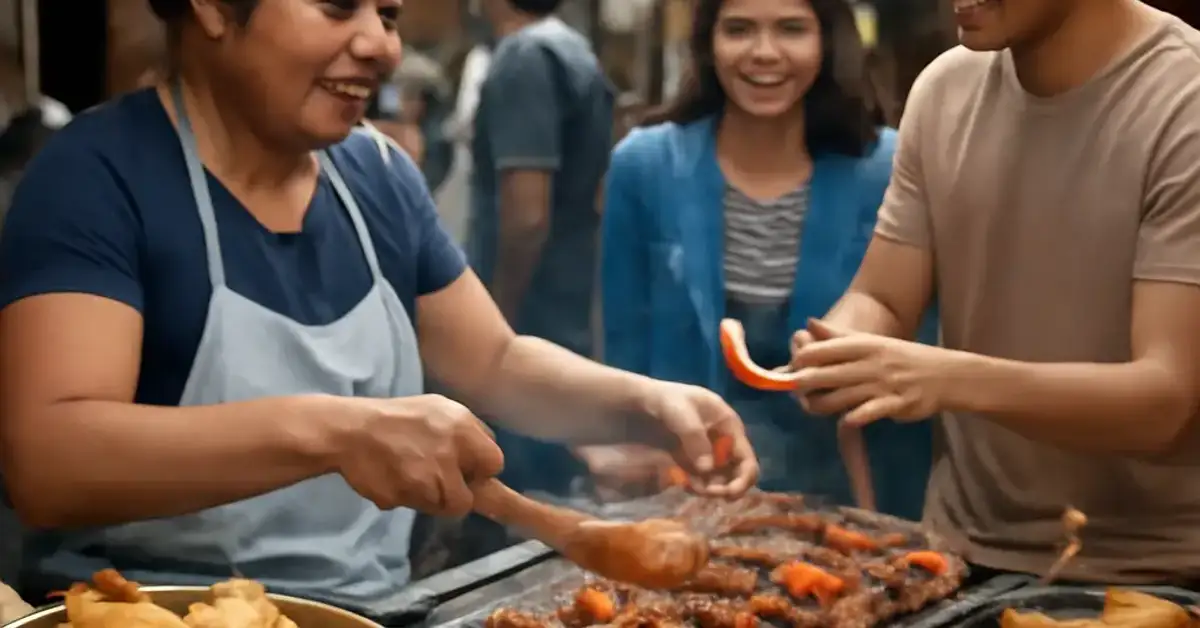
In bustling cities like Manila, Quezon City, and Davao, urban food culture Philippines revolves around the street food vendor. These entrepreneurs—often women and migrants—operate within the informal food economy Philippines, providing affordable, accessible meals to millions. The social dining street food Philippines experience is deeply democratic: a lawyer, a student, and a tricycle driver can all share the same bench, dipping fish balls into the same sweet-spicy sauce. This public eating culture Philippines breaks down class divides and fosters a sense of belonging. I have seen it happen countless times: strangers become friends over a plate of kwek-kwek (deep-fried quail eggs). It is proof that community food culture Philippines is alive and thriving on every corner.
Moreover, Filipino street vendor traditions represent one of the oldest forms of entrepreneurship in the country. Vendors pass down recipes through generations, creating a local vendor food systems Philippines that supports families and neighborhood economies. The Filipino street food economy is a lifeline for many: it provides income without requiring a formal storefront, and it allows vendors to respond quickly to customer tastes. This agility is why Filipino street food evolution is so rapid—new trends like Korean-Filipino fusion skewers or ube-flavored cheese sticks emerge almost overnight, reflecting the dynamism of everyday food culture Philippines.
Comparing Filipino Street Food with Southeast Asian Street Food
When placed in the context of Southeast Asian street food comparison, Filipino street food stands out for its bold, contrasting flavors. Thai street food is celebrated for its balance of sweet, sour, salty, and spicy; Vietnamese pho and banh mi focus on fresh herbs and light broths; Malaysian and Indonesian street food lean heavily on coconut milk and aromatic spices. Filipino street food, by contrast, embraces umami through ingredients like fish sauce, bagoong (fermented shrimp paste), and calamansi. The iconic Filipino comfort food snacks—such as fish balls fried in a thin batter and coated in a sweet chili sauce—are unabashedly savory with a hint of sweetness. This flavor profile is a direct result of Filipino cuisine globalization, where Chinese, Malay, Spanish, and American influences have melded into something entirely new.
Another defining difference is the public eating culture Philippines versus other Southeast Asian countries. In Thailand, street food is often eaten quickly at the stall or taken to go. In Vietnam, you sit on tiny plastic chairs within the vendor’s orbit. The Philippines, however, encourages a more communal, almost picnic-like atmosphere. Vendors provide shared tables, and it is common to see groups of friends ordering “pulutan” (small dishes meant for sharing) while drinking beer. This social food traditions Philippines is deeply ingrained in the national psyche—it is not just about eating, but about gathering, storytelling, and celebrating life together.
The Role of Street Food in Filipino Cultural Heritage and Tourism
In recent years, Filipino food tourism has taken off, with travelers from around the world flocking to experience authentic street food Philippines identity. Cities like Manila, Cebu, and Baguio have developed food tours that highlight traditional Filipino snacks alongside historical landmarks. For many visitors, tasting balut, isaw, or dirty ice cream (locally made sorbet) becomes a passport to understanding Filipino culture food. This surge in interest has brought both opportunities and challenges to local vendor food systems Philippines. On the one hand, tourism income helps vendors sustain their businesses. On the other, it risks commodifying traditions if not managed with respect for Filipino vendor culture.
As someone who works at the intersection of Filipino gastronomy street food and fine dining, I believe that street food is the most honest expression of Filipino culinary identity. It is where you will find the purest version of Filipino food heritage—unfiltered by restaurant trends, accessible to everyone. That is why I incorporate street food elements into my private dining experiences: a humble chicken barbecue skewer, when presented with a modern plate and a story, becomes a bridge between generations. It reminds us that Filipino cuisine globalization should never erase the roots of Filipino comfort food culture; rather, it should celebrate them.
Common Ingredients in Filipino Street Food
To truly appreciate cultural significance of Filipino street food, one must understand its foundational ingredients. Filipino street food dishes often rely on:
- Vinegar (sukang iloko, cane vinegar) — for dipping sauces and marinades that cut through the richness of fried foods.
- Fish sauce and bagoong — sources of deep, funky umami that define many Filipino comfort food snacks.
- Calamansi — a native citrus that adds bright acidity to everything from lumpia to barbecue.
- Banana leaves — used as wrappers for grilling and steaming, imparting a subtle earthy aroma.
- Coconut — milk, oil, and grated meat appear in regional specialties like binatog (boiled corn with coconut) and ginataang bilo-bilo.
- Peanuts — crushed and sweetened sauces for barbecue, or simply roasted as pulutan.
These ingredients reflect cultural heritage food Philippines by showing how resourceful Filipinos transformed what was available into what is beloved. They also demonstrate Filipino food anthropology in action—how geography, trade, and colonization shaped the pantry of the people.
The Evolution of Filipino Street Food in the Modern Era
The street food evolution Philippines continues today, driven by globalization and social media. Young entrepreneurs are reinventing classics: halo-halo becomes a deconstructed dessert in a jar; fish balls are upgraded to artisan versions using organic fish. Food parks and night markets have become incubators for Filipino street food culture, where vendors experiment with fusion flavors—think sisig tacos or lechon rice bowls. At the same time, government initiatives are helping formalize the informal food economy Philippines, providing sanitary training and licenses to street vendors, which helps elevate Filipino street food economy without losing its soul.
Technology also plays a role. Food delivery apps now list popular street food items, allowing a wider audience to enjoy Filipino snacks from home. Food bloggers and influencers document their street food adventures, amplifying the reach of Filipino food tourism. However, I always remind my guests and followers: the best Filipino street food is the one you eat on the street, standing beside a vendor who has been perfecting the recipe for decades. That is where the cultural significance of Filipino street food lives—in the hands of the people who serve it with pride every day.
How Street Food Connects Communities in the Philippines
The social dining street food Philippines model is one of the most powerful forces for community building in the country. During fiestas, school events, or barangay celebrations, street food vendors set up rows of stalls that turn ordinary streets into festive public eating culture Philippines spaces. These events are known as “peryahan” (carnivals) or “hugos,” where entire neighborhoods gather to eat, play games, and chat. The act of sharing food—using the same sauce container, passing around skewers—is a deeply ingrained practice that reinforces social food traditions Philippines. It teaches empathy, generosity, and the simple joy of togetherness.
Additionally, many Filipino street food vendors are pillars of their communities. They know their customers by name and often extend credit during tough times. This community food culture Philippines is built on trust and reciprocity. I have witnessed how a fish ball vendor in a small barangay can provide free snacks to children after school, strengthening bonds that go beyond commerce. This informal welfare system, embedded within local vendor food systems Philippines, is a vital part of the social fabric.
Useful Resources
To further explore the cultural significance of Filipino street food and its role in Southeast Asian street food comparison, I recommend the following resources:
- Asian Folklore: The History of Filipino Street Food — A deep dive into the historical roots of popular street snacks.
- GMA News: Street Food Tourism in the Philippines — An article discussing how street food drives tourism and local economies.
Frequently Asked Questions About Cultural Significance of Filipino Street Food
What is the cultural significance of Filipino street food ?
Filipino street food encapsulates the nation’s history of trade, colonization, and resourcefulness. It reflects Filipino culinary heritage and serves as a daily ritual of community bonding, making it a vital expression of Filipino street food culture.
Why is street food important in Filipino culture?
Street food is important because it provides affordable nourishment, supports the informal food economy Philippines, and creates shared spaces where social barriers dissolve. It is a cornerstone of Philippine street food traditions and Filipino comfort food culture.
How does Filipino street food reflect local traditions?
Each region uses local ingredients and cooking methods, from Ilocos’ bagnet to Bicol’s coconut-based dishes. These Filipino regional street food items reflect the agricultural and cultural identity of their areas, making them key to Filipino cultural food.
What are the most popular Filipino street foods and their origins?
Popular items include balut (fertilized duck egg from Chinese trading origins), fish balls (post-war innovation), isaw (grilled chicken intestines, Spanish-era influence), kwek-kwek (deep-fried quail eggs, American influence), and turon (banana lumpia, Spanish-fusion). All are pillars of Filipino street food dishes.
How does street food connect communities in the Philippines?
Street food gatherings, known as peryahan or hugos, bring together people from all walks of life. Sharing a table and dipping sauces fosters social dining street food Philippines and strengthens community food culture Philippines.
What role does street food play in Filipino daily life?
It serves as breakfast, merienda (afternoon snack), and pulutan (beer snack). For many, it is a convenient and affordable meal that fits into the rhythm of everyday food culture Philippines and urban food culture Philippines.
How has Filipino street food evolved over time?
It evolved from pre-colonial open-fire cooking, through Spanish and American influences, to modern fusion creations found in food parks. This street food evolution Philippines continues with global flavors and health-conscious variants.
Why is street food a key part of Filipino identity?
Because it is deeply tied to Filipino culinary identity—it expresses resilience, creativity, and hospitality. Eating street food is a shared national experience that transcends region and class.
How do vendors influence Filipino food culture?
Filipino street food vendors are the unsung heroes of Filipino gastronomy street food. They preserve cooking traditions, innovate with limited resources, and pass down recipes, directly shaping Filipino food traditions.
What makes Filipino street food unique in Southeast Asia?
Filipino street food is distinct for its umami-forward flavors derived from bagoong and fish sauce, its communal dining style, and its use of sweet-spicy dipping sauces. This sets it apart in the Southeast Asian street food comparison.
How does street food tourism impact the Philippines?
Filipino food tourism brings economic benefits to vendors and raises global awareness of Filipino snack culture. However, it must be managed sustainably to protect the authenticity of Filipino street food culture.
What ingredients are common in Filipino street food?
Common ingredients include vinegar, fish sauce, calamansi, banana leaves, coconut, and peanuts. These items are central to Filipino comfort food snacks and reflect the cultural heritage food Philippines.
How do regional differences shape street food in the Philippines?
Due to the archipelago’s diverse geography, Filipino regional street food varies from the seafood-centric Visayas to the Muslim-influenced Mindanao, each offering unique Philippine street food traditions.
What social role does street food play in urban areas?
In densely populated cities, street food vendors create social dining street food Philippines spaces where people from different backgrounds mingle. It is a vital part of urban food culture Philippines and public eating culture Philippines.
How does Filipino street food represent cultural heritage?
It is a living archive of Filipino food history, incorporating indigenous practices, colonial influences, and modern innovations. Each snack tells a story of adaptation and pride, solidifying Filipino culinary heritage. For a related guide, see 14 Filipino Dishes Combined With Rich Heritage Stories.
What is the most popular street food in the Philippines?
Fish balls are arguably the most iconic Filipino snack, found in every town and city. They are sold by Philippine street food vendors in colorful carts and are a rite of passage for children and adults alike.
Is Filipino street food safe to eat?
Generally yes, especially when freshly cooked and served hot. Many Filipino street food vendors follow local sanitation guidelines. The Filipino street food economy has improved with government training programs and food safety certifications.
Can street food be considered part of Filipino cuisine globalization ?
Absolutely. The rise of Filipino cuisine globalization has been fueled by street food favorites appearing in international food festivals, pop-ups, and trendy restaurants worldwide, introducing new audiences to Filipino food culture.
Do street food vendors have a cultural role in the Philippines?
Yes, Filipino street vendor traditions are a form of cultural preservation. Vendors keep recipes alive, support local food systems, and act as community anchors, making them essential to Filipino food anthropology.
What is a typical Filipino street food meal?
A typical meal might include a skewer of chicken barbecue, a cup of traditional Filipino snacks like kwek-kwek or fish balls, and a sweet iced tea or sago’t gulaman. It is affordable, satisfying, and quintessential street food Philippines identity.
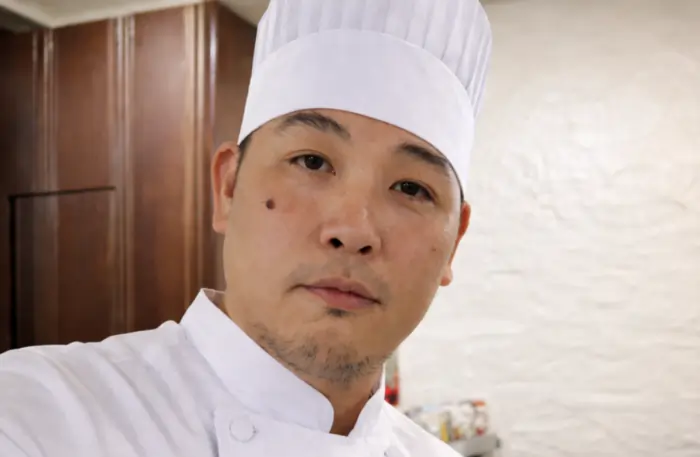
Chef Juan Gadi brings the heart of Filipino hospitality to Ubud, Bali. As an Executive Chef and consultant, he specializes in creating intimate, curated dining experiences that tell a story through every dish. Whether leading the kitchen at Kilig Filipino Warung or hosting a private villa dinner, Chef Juan’s approach is defined by warmth, modern technique, and a commitment to culinary excellence.