Food Creates Emotional Connections Across Cultures Key Takeaways
The simple act of sharing a meal is one of the most profound ways humans build trust, understanding, and emotional bonds.
- Food creates emotional connections across cultures through sensory triggers like smell and taste, which are directly linked to memory and emotion centers in the brain.
- Shared meals act as a low-risk social activity that fosters cooperation, empathy, and intercultural understanding.
- Culinary tourism and destination food experiences are powerful tools for building emotional bonds and breaking down cultural barriers.
What Is Food Creates Emotional Connections Across Cultures?
At its core, the idea that food creates emotional connections across cultures is rooted in both biology and sociology. When we share a meal, we engage in one of humanity’s oldest cooperative behaviors. Anthropologists call this the “shared meal hypothesis” — the theory that cooking and eating together allowed early humans to develop larger social groups, share knowledge, and build trust. Today, this instinct plays out in everything from a family dinner to a traveler tasting street food in a foreign market. For a related guide, see How Food Creates Deeper Human Connections.
This connection isn’t just philosophical. Neuroscience shows that the olfactory bulb, which processes smell, is tightly linked to the amygdala and hippocampus — the brain’s emotional and memory centers. A single aroma can transport you back to your grandmother’s kitchen or to a bustling night market in Bangkok. That emotional trigger is why food as a universal language resonates so deeply. It bypasses intellectual barriers and speaks directly to our feelings.
The Role of Culinary Anthropology and Human Connection
Culinary anthropology and human connection are inseparable. Anthropologists study how food practices reveal a culture’s values, history, and social structure. For example, the Italian tradition of the Sunday family lunch isn’t just about eating; it’s a weekly ritual that reinforces family bonds and cultural identity. Similarly, the Japanese tea ceremony is a highly ritualized practice that embodies harmony, respect, and mindfulness. When outsiders participate in these rituals, they don’t just taste food — they taste meaning. This is why emotional bonding through shared meals is such a powerful cross-cultural tool. It allows participants to step into each other’s world, even for a single meal. For a related guide, see 10 Reasons Shared Meals Feel More Meaningful.
Emotional Bonding Through Shared Meals: The Science and Practice
Why does emotional bonding through shared meals happen so naturally? Part of the answer lies in the physiology of eating. When we eat together, our bodies release oxytocin, the “bonding hormone,” especially when the meal is prepared with care and shared in a relaxed setting. This is one reason why business deals often happen over dinner — the meal creates a sense of safety and cooperation.
Beyond biology, the act of eating together requires vulnerability. You trust that the food is safe, that your hosts mean you no harm, and that you can let your guard down. For travelers, accepting a home-cooked meal from a local family is an act of deep trust. It turns a transactional visit into a relational experience. This is the heart of sensory memory and food psychology: the feelings associated with that safe, welcoming moment become encoded in your memory, linked to the taste of the dish.
Why Food as a Universal Language Works
You don’t need to speak the language to share a meal. Food as a universal language works because it relies on gestures, smiles, and the universal pleasure of eating. A street vendor in Mexico City doesn’t need to explain their tacos in English; the aroma of grilled meat and fresh cilantro does the talking. A Moroccan host offering mint tea communicates hospitality without a single word. This non-verbal communication is incredibly effective at building rapport. It lowers the barriers between strangers and creates a shared experience that both parties remember. For content creators and marketers, this is a goldmine: showing food being shared always generates more engagement than showing a plate alone.
How Sensory Memory and Food Psychology Build Lifelong Bonds
Sensory memory and food psychology explain why certain dishes can make us feel instantly emotional. The taste of a specific spice, the texture of a dough, or the sound of a sizzling pan can trigger memories years old. This phenomenon is called the Proust effect, named after the writer Marcel Proust, who wrote about a madeleine cookie transporting him back to his childhood.
For cross-cultural connections, sensory memory is a powerful bridge. A traveler who tastes homemade pho in Hanoi will associate that warmth and flavor with the kindness of their host. Years later, the mere smell of star anise can bring back that feeling of connection. This is why cultural experiences that involve food are so sticky — they linger in the senses long after the trip ends. Destination food experiences aren’t just about eating; they’re about creating emotional anchors.
Real-World Example: The Shared Bread of the Middle East
In many Middle Eastern cultures, bread is sacred. The act of breaking bread together — tearing off a piece of fresh pita and dipping it into a communal bowl of hummus — is a gesture of peace and fellowship. This tradition predates modern religions and continues to be a powerful symbol of cultural food connections. When an Israeli and a Palestinian share a meal of hummus and falafel, they are connecting over a shared culinary heritage, even when political realities divide them. This demonstrates how cross cultural food experiences can be acts of quiet resistance and profound humanity.
Practical Steps for Content Creators and Marketers
If you want to leverage this powerful concept in your content, here is a step-by-step guide to creating compelling narratives around food creates emotional connections across cultures.
Step 1: Focus on the Story, Not Just the Recipe
Your audience doesn’t just want to know how to cook a dish; they want to know why it matters. Interview locals, learn the history, and ask about the emotions tied to the food. When you write about global food traditions and meaning, include the context: Is this dish served at weddings? Funerals? Everyday gatherings? The story gives the food its emotional weight.
Step 2: Use Sensory Language
Engage all five senses in your writing. Instead of saying “the curry was spicy,” describe the warm prickle of chili on your tongue, the fragrance of cumin and coriander, and the vibrant orange of the turmeric. This activates sensory memory and food psychology in your readers, making them feel as if they are there with you. Use keywords like sensory food experiences and food psychology naturally in your descriptions.
Step 3: Highlight the Social Ritual
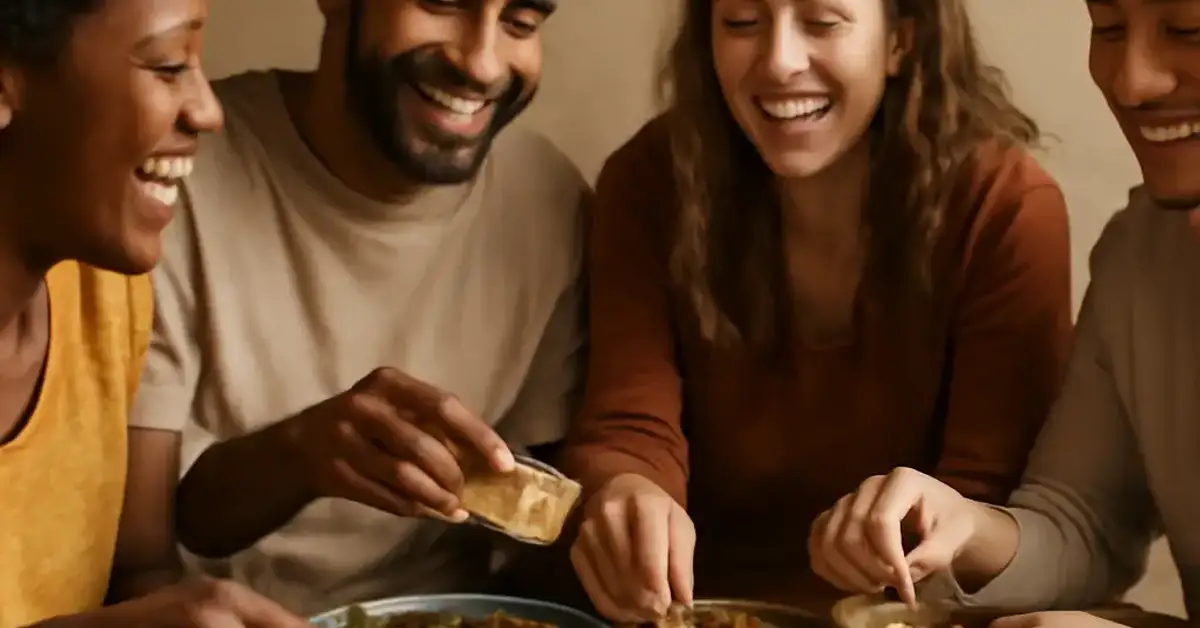
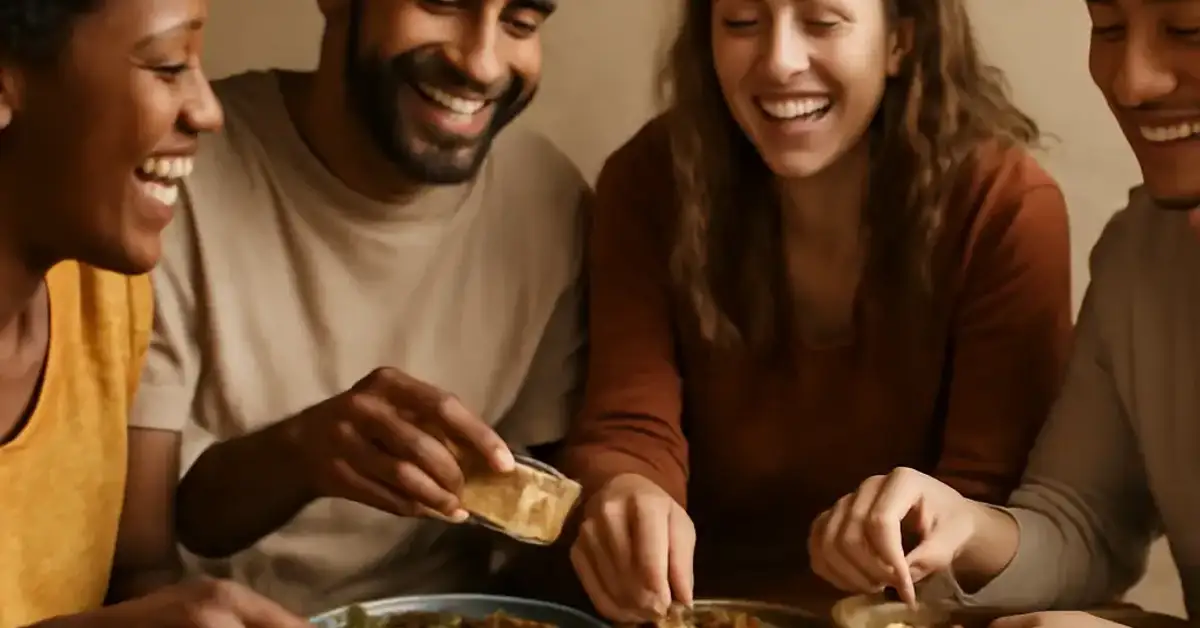
Always show the food being shared. Photograph hands reaching for bread, families laughing around a table, or a vendor handing a steaming bowl to a customer. The social ritual is where the emotional connection happens. Talk about social rituals around meals and how they differ across cultures. This adds depth to your content and helps it rank for long-tail queries about shared eating and social bonding.
Step 4: Embrace Experiential Tourism and Food Culture
If you are a travel blogger or marketer, position food experiences as entry points to understanding a culture. Instead of just listing restaurants, describe the experience of taking a cooking class in a local home, visiting a morning market, or joining a family for dinner. This type of content appeals to the growing trend of experiential tourism and food culture, where travelers want to connect, not just observe.
Step 5: Connect to Universal Emotions
While traditions vary, the emotions tied to food are universal: comfort, celebration, love, nostalgia. Frame your content around these feelings. A story about a grandmother in Italy making pasta will resonate with a reader in Japan because the emotion of familial love is the same, even if the pasta looks different. Use phrases like emotional impact of traditional dishes and cultural symbolism in food to anchor your piece in both specific and universal themes.
Common Mistakes When Writing About Cross-Cultural Food
Even with the best intentions, content creators can trip up. Here are pitfalls to avoid:
- Exoticizing the culture: Avoid framing a dish as “strange” or “weird.” Instead, explain its cultural significance with respect. Every cuisine has cultural symbolism in food that deserves respectful treatment.
- Ignoring context: Don’t just share a photo of a meal without explaining the ritual. A traditional food culture practice often has deep meaning that enriches the reader’s understanding.
- Overlooking hospitality: Hospitality and emotional storytelling are key. If you don’t mention how you were welcomed, you miss the emotional core of the experience.
- Being too generic: Global cuisine culture is vast. Get specific. Instead of “Asian food,” talk about Thai Isan cuisine or Nepalese momos. Specificity builds authority.
- Forgetting the audience: Remember who you are writing for. Food tourism psychology differs for a solo backpacker versus a luxury traveler. Tailor your emotional narrative accordingly.
How to Optimize Your Content for Search and Emotion
To make your article rank and resonate, integrate these tips:
- Use the focus keyword early: Place “Food Creates Emotional Connections Across Cultures” in your first paragraph and at least two H2s.
- Include long-tail questions: Answer queries like “how does food create emotional bonds between cultures” and “why is food a universal language” throughout the text.
- Leverage related terms: Naturally sprinkle in terms like intercultural communication through dining, community building through food, and food heritage and identity.
- Add schema markup: Use FAQ schema (as shown below) and Article schema to help Google understand your content structure.
- Build topical authority: Link to your other content about culinary traditions and global food experiences to show depth on the topic.
Useful Resources
For deeper reading on food psychology and cultural dining experiences, the Journal of Food and Culture publishes peer-reviewed research on the sociology of eating. Visit Journal of Food and Culture for academic articles.
To explore the practical side of travel dining experiences across cultures, the World Food Travel Association offers industry research and best practices for culinary tourism marketing. Check out their resources at World Food Travel Association.
Frequently Asked Questions About Food Creates Emotional Connections Across Cultures
How does food create emotional connections across cultures?
Food acts as a non-verbal bridge, allowing people to share trust and vulnerability through the universal act of eating together, which triggers oxytocin and builds positive memories.
Why is food considered a universal language?
Because the need to eat is universal, and sharing a meal communicates hospitality and friendship without words, making it one of the easiest ways to connect with strangers.
How do shared meals connect different cultures?
Shared meals create a neutral, cooperative space where people from different backgrounds can learn about each other’s traditions, tastes, and values in a positive, low-pressure setting.
What role does food play in cultural identity?
Food is a marker of heritage and community; specific dishes, ingredients, and cooking methods are passed down through generations and help define a group’s unique identity.
How does cuisine influence emotional bonding between people?
Eating together releases oxytocin and creates a sense of safety. The shared sensory experience also creates lasting emotional memories tied to the food and the company.
Why do traditional dishes carry cultural meaning?
Traditional dishes often tell stories of migration, celebration, survival, and resourcefulness. They embed historical and emotional narratives that are tasted and remembered.
How does food tourism promote cultural understanding?
Food tourism encourages travelers to engage with locals, visit markets, and taste authentic dishes, which fosters empathy and breaks down stereotypes better than sightseeing alone.
What are examples of cross cultural food experiences?
Examples include a cooking class in a Thai home, sharing mezze in Lebanon, eating from a communal platter in Ethiopia, or enjoying a street food tour in Mexico City.
How does hospitality influence cultural food exchange?
Hospitality creates an environment of welcome and openness. When a host offers food, it signals generosity and trust, which deepens the exchange and the emotional connection.
How do sensory food experiences build emotional connections?
Smell and taste are directly linked to the brain’s emotional and memory centers, so a powerful sensory experience can create a strong, lasting emotional bond with the food and the moment.
Why is food important in global cultural communication?
Food is a shared reference point that everyone has experience with. It makes abstract cultural concepts tangible and tasteable, making it an ideal tool for intercultural communication.
Can food really overcome cultural differences?
While food alone cannot solve deep political or social issues, it creates a foundation of trust and common ground that makes further dialogue more likely and more productive.
What is culinary anthropology?
Culinary anthropology is the study of food in its cultural context, exploring how what we eat, how we prepare it, and the rituals around eating shape and reflect our society.
How can marketers use food connections effectively?
Marketers can use food connections by telling emotional stories about dishes, showing people sharing meals, and highlighting the cultural context, which resonates deeply with audiences.
What is the Proust effect in food psychology?
The Proust effect is when a sensory trigger, like a taste or smell, involuntarily brings back a vivid memory from the past, often tied to strong emotions.
How does eating together build community?
Shared meals create regular social interaction, reinforce group bonds, and provide a structured time for storytelling and connection, which strengthens community cohesion.
What is the best way to experience food culture as a traveler?
The best way is to eat where locals eat, take cooking classes, visit homes for dinner, and ask questions about the food’s history and significance.
Why do we feel nostalgic about certain foods?
We feel nostalgic because foods from our past are often linked to positive memories of family, comfort, and home, and the brain encodes these connections strongly.
How does food tourism psychology affect traveler behavior?
Food tourism psychology shows that travelers seek authentic, memorable experiences. The emotional payoff of a great meal can define a trip and influence future travel choices.
What is the future of cross-cultural dining?
The future includes more immersive dining experiences, pop-up restaurants that blend cuisines, and technology that lets people share meals virtually across borders.
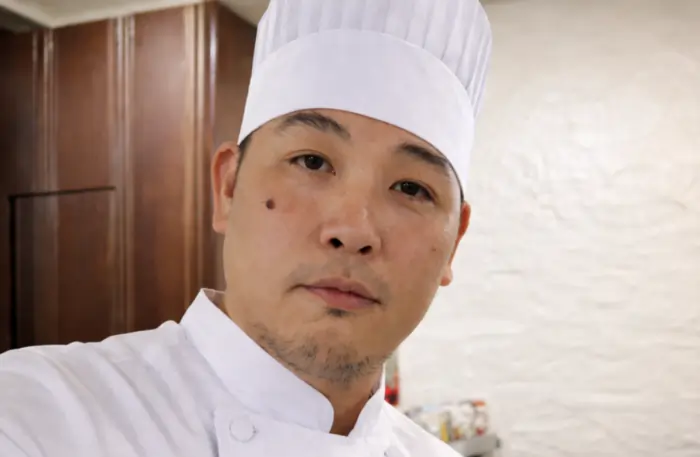
Chef Juan Gadi brings the heart of Filipino hospitality to Ubud, Bali. As an Executive Chef and consultant, he specializes in creating intimate, curated dining experiences that tell a story through every dish. Whether leading the kitchen at Kilig Filipino Warung or hosting a private villa dinner, Chef Juan’s approach is defined by warmth, modern technique, and a commitment to culinary excellence.