
Personalized Service Transforms a Dining Experience Key Takeaways
When guests remember a meal long after the plates are cleared, it is rarely the sauce or the garnish that lingers.
- Personalized Service Transforms a Dining Experience by shifting from transactional to relational hospitality, a principle Chef Juan lives through Filipino warmth.
- Small, intentional touches—like remembering dietary preferences or telling the story behind an ingredient—create deep guest loyalty and word-of-mouth marketing.
- Implementing personalization does not require a huge budget; it requires observation, empathy, and a system for capturing guest preferences.
What Personalization Really Means in a Restaurant Setting
In an era where reviews live forever and social media can amplify a single moment of delight or disappointment, personalized service transforms a dining experience from a commodity into an art. Chef Juan Gadi, Executive Chef at Kilig Filipino Warung in Ubud, Bali, understands this deeply. His approach is rooted in the Filipino concept of pakikisama—a sense of shared connection and camaraderie that goes beyond politeness.
For Chef Juan, personalization starts before the guest walks in. He builds relationships with local farmers and artisans, not only to source the freshest ingredients but also to weave their stories into his dishes. When a guest learns that the calamansi in their drink comes from a small family farm in northern Bali, they are no longer just eating—they are participating in a narrative.
The Emotional Core of Personalized Service
Research from the Harvard Business Review shows that emotionally engaged customers are more valuable than highly satisfied ones. Chef Juan’s private villa dinners are a masterclass in emotional engagement. He asks guests about their travels, dietary restrictions, and flavor preferences before designing a menu. A guest who mentions missing their grandmother’s adobo might find a deconstructed version on their plate the next night.
That kind of attention does not happen by accident. It requires a system for capturing and recalling guest details, and a culture where every team member feels empowered to contribute to the experience.
How Personalized Service Transforms a Dining Experience: 5 Proven Methods
Chef Juan’s methods are replicable for any hospitality professional willing to shift from a scripted model to an adaptive one. Here are the five ways he makes personalized service transforms a dining experience a daily reality.
1. Pre-Arrival Storytelling
Before guests arrive at Kilig or a private event, Chef Juan sends a short note about the evening’s theme—maybe the history of a Filipino heirloom ingredient or the inspiration behind a new tasting menu. This sets expectations and makes guests feel like insiders from the start. It also provides a natural conversation starter when they arrive.
2. Dietary Intuition Over Dietary Restrictions
Many restaurants handle allergies as legal disclaimers. Chef Juan treats them as creative opportunities. When a guest mentioned a gluten sensitivity, he developed a cassava flatbread that became a signature item. By reframing limitations as inspiration, he turns potential friction into memorable innovation.
3. The Chef’s Table as a Relationship Tool
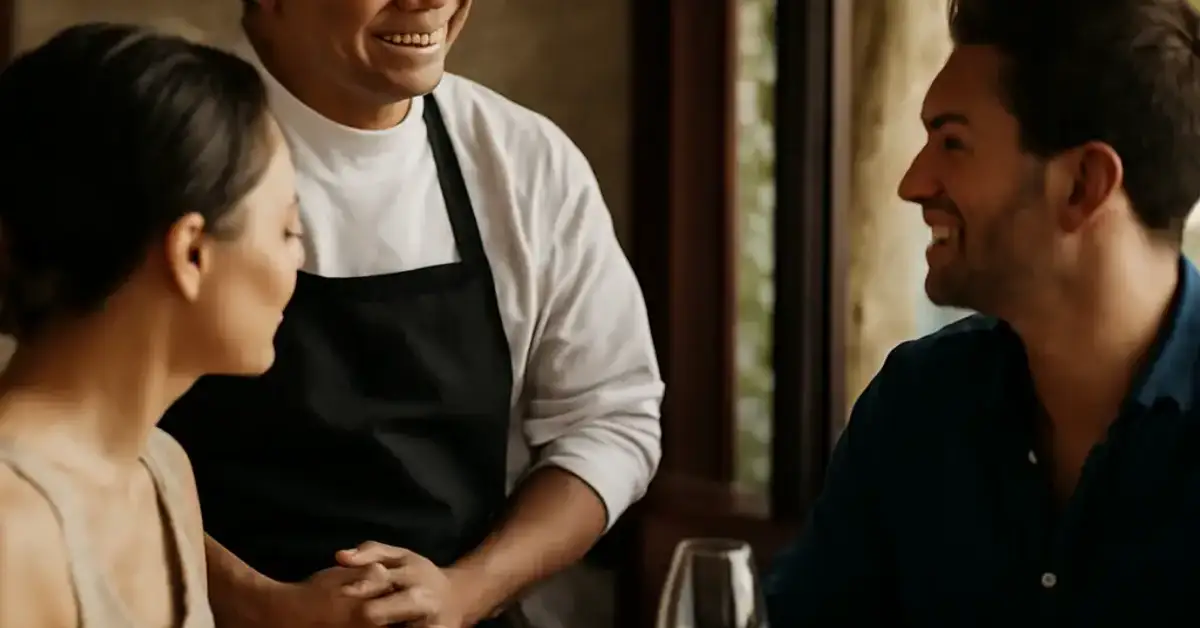
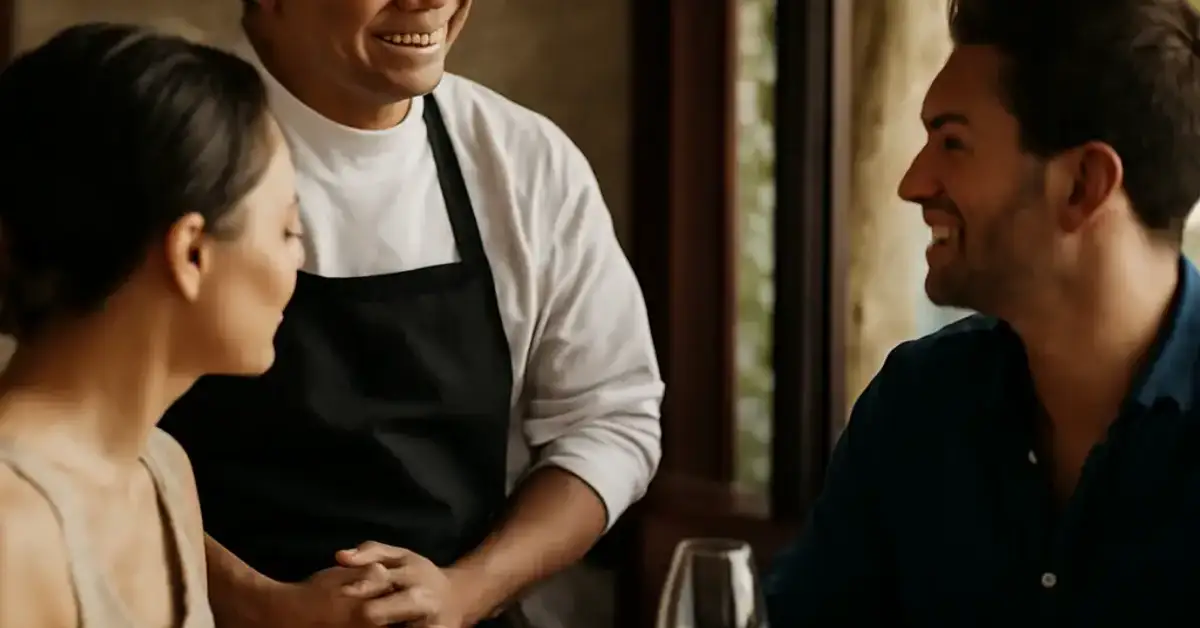
At his private dinners, Chef Juan often joins the table for a few minutes to explain a dish or ask about the guest’s experience. This direct interaction builds trust and provides real-time feedback. It also makes guests feel like they are part of something exclusive—a hallmark of the personalized dining experience.
4. Post-Meal Follow-Ups with Substance
Most restaurants never contact guests after they leave. Chef Juan sends a personalized thank-you email within 24 hours, including a photo of the guest’s favorite course or a recipe for a dish they enjoyed. This simple act of remembrance converts a one-time diner into a lifelong advocate.
5. Empowering the Front-of-House Team
Server knowledge is the bedrock of personalization. Chef Juan trains his team to observe details—a guest’s body language, their reaction to a dish, their conversation snippets—and share them with the kitchen. A server who notices a guest loved the ube dessert might suggest a similar dish from the next course. This real-time feedback loop is what makes Filipino hospitality Ubud feel so warm and effortless.
Common Mistakes That Undermine Personalization
Even with good intentions, many restaurants fall into traps that dilute the experience. Understanding these pitfalls is just as important as knowing what to do.
Treating Personalization as a Checklist
Asking a guest “Is everything okay?” every five minutes is not personalization—it is interruption. True personalization involves reading the room. Some guests want conversation; others want solitude. Chef Juan trains his team to distinguish between the two by observing eye contact and posture.
Ignoring Cultural Context
Filipino hospitality is not about grand gestures. It is about malasakit—deep care. Importing a western template of personalization (e.g., calling guests by first name, offering constant refills) can feel insincere in other cultures. Chef Juan adapts his approach based on the guest’s background and expectations.
Relying Only on Technology
CRM systems and reservation notes are helpful, but they cannot replace human intuition. A note that a guest is vegan should not be the only input. The server should also notice that the guest brought a child who seems interested in cooking—and perhaps invite them for a quick kitchen tour. Technology supports personalization; it does not create it.
Why Filipino Hospitality Is a Blueprint for Personalized Dining
Chef Juan’s background is not just biographical color—it is the foundation of his philosophy. In Filipino culture, hospitality (hospitalidad) is innate. Guests are treated as family. This mindset naturally lends itself to personalized service transforms a dining experience because the motivation is genuine care, not upselling.
In Ubud, where wellness tourism and mindful travel dominate, guests are especially receptive to this approach. They are not just looking for good food; they are seeking connection, meaning, and authenticity. Chef Juan delivers all three by making each guest feel seen and celebrated.
Actionable Takeaways for Hospitality Professionals
Whether you run a boutique hotel in Ubud or a fine-dining restaurant in another city, these principles apply. Begin by auditing your current guest interaction points:
- Pre-visit communication: Do you send a welcome message that reflects the guest’s preferences?
- In-service observation: Does your team have a quick way to share guest cues with each other?
- Post-visit follow-up: Do you have a system for sending personalized thank-yous or offers based on what the guest ordered?
Even small changes—like asking a guest’s seating preference and remembering it on their next visit—can compound into a reputation for exceptional service. As Chef Juan demonstrates daily, personalized service transforms a dining experience into something guests can’t stop talking about.
Useful Resources
To deepen your understanding of personalization in hospitality, explore these resources:
- Forbes: The Future of Restaurant Personalization — Insights on how data and human touch combine to create memorable dining experiences.
- Toast: Restaurant Personalization Guide — Practical tips for independent restaurants to personalize service without a big budget.
Frequently Asked Questions About Personalized Service Transforms a Dining Experience
What does personalized service mean in a restaurant?
Personalized service means tailoring every aspect of a guest’s visit—from menu recommendations to seating preferences—based on their individual needs and history. It goes beyond good manners to create a unique, memorable experience. For a related guide, see The Role of Hospitality in Creating Lasting Memories.
How does personalized service transform a dining experience?
Personalized Service Transforms a Dining Experience by making guests feel valued and understood. When a restaurant remembers a guest’s name, favorite dish, or dietary preference, the meal becomes an emotional connection rather than a transaction.
What is Filipino hospitality?
Filipino hospitality is a cultural tradition of treating guests like family. It emphasizes warmth, generosity, and attentiveness. Chef Juan Gadi brings this approach to Ubud, making every diner feel genuinely welcomed.
Can small restaurants implement personalized service?
Absolutely. Small restaurants often have the advantage of closer guest contact. Simple practices like remembering a regular’s drink order or asking about their day cost nothing but build strong loyalty.
What role do servers play in personalization?
Servers are the eyes and ears of personalization. They observe guest reactions, listen to conversations, and relay useful details to the kitchen. Training them to notice and act on cues is essential.
How can technology help with personalized dining?
CRM systems, reservation notes, and loyalty apps can store guest preferences. However, technology should support—not replace—human intuition. The best experiences happen when data meets genuine care.
Why is personalization important for luxury travel marketers?
Luxury travelers expect exclusivity and attention to detail. Personalization differentiates a brand in a competitive market and encourages high-spending guests to return and recommend the venue.
Does personalization work for casual dining?
Yes, though the approach differs. In casual settings, personalization might mean remembering a guest’s usual order or greeting them by name. It builds community and repeat business.
How do you train staff for personalized service?
Training should focus on observation skills, active listening, and empathy. Role-playing scenarios and sharing guest feedback help staff understand how their actions impact the experience.
What is a personalized dining experience ?
A personalized dining experience is a meal designed around the guest’s preferences, history, and current mood. It might include a custom tasting menu, a special greeting, or a behind-the-scenes moment with the chef. For a related guide, see 11 Dining Details That Elevate Every Guest Experience: Essential Hospitality Tips.
How does Chef Juan Gadi personalize private dinners?
Chef Juan interviews guests beforehand about their tastes and any special occasions. He designs a menu that reflects their stories, uses local ingredients, and often joins the table to explain each course.
What are common mistakes in personalized service?
Common mistakes include over-scripted interactions, ignoring cultural differences, and using technology without human warmth. Guests can sense when personalization is performative rather than genuine.
Can personalization increase restaurant revenue?
Yes. Personalized service leads to higher guest satisfaction, repeat visits, and positive word-of-mouth. Guests are also more likely to order premium items when recommendations feel tailored to them.
How do you handle dietary restrictions with personalization?
The best approach is to view restrictions as creative challenges. Instead of removing options, offer alternatives that delight the guest. Chef Juan, for example, created a popular gluten-free dish after a guest’s request.
What is the future of personalization in hospitality?
The future combines AI-driven recommendations with deeper human connections. Predictive tools can suggest dishes based on past orders, but the warmth of a smile and a genuine conversation will remain irreplaceable.
How do you measure the impact of personalized service?
Key indicators include repeat visit rate, average spend per guest, online review sentiment, and direct guest feedback. Tracking these metrics over time reveals the ROI of personalization efforts.
What does hospitality mean in Filipino culture?
In Filipino culture, hospitality (hospitalidad) means treating guests as family with warmth, generosity, and respect. It is a deeply ingrained value that makes Filipino hospitality Ubud so distinctive.
Why is Ubud a good setting for personalized dining?
Ubud attracts travelers seeking wellness, mindfulness, and authentic experiences. These visitors value connection and are more likely to appreciate (and pay for) personalized attention.
How can I start personalizing my restaurant today?
Begin with observation. Train your team to notice one unique detail about each guest—a preference, a celebration, or a mood. Record it discreetly and use it during the next visit. Small steps lead to big transformations.
Does personalized service work in a busy, high-volume restaurant?
Yes, but it requires systems. Use reservation notes, pre-set guest profiles, and brief team huddles to share key details. Even a quick “welcome back, Mr. Smith” can make a difference in a fast-paced environment.

Chef Juan Gadi brings the heart of Filipino hospitality to Ubud, Bali. As an Executive Chef and consultant, he specializes in creating intimate, curated dining experiences that tell a story through every dish. Whether leading the kitchen at Kilig Filipino Warung or hosting a private villa dinner, Chef Juan’s approach is defined by warmth, modern technique, and a commitment to culinary excellence.




