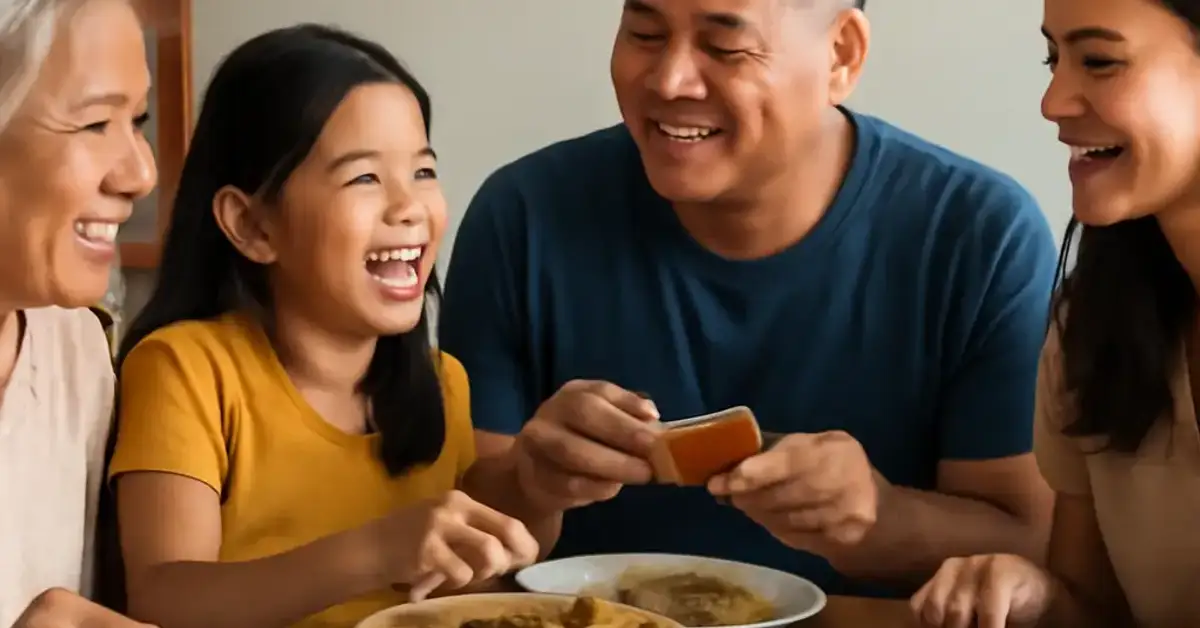
Why Food Brings Filipino Families Together Key Takeaways
Growing up in a typical Filipino household, the day begins not with an alarm clock but with the gentle sizzle of garlic, onion, and tomato in a kawali.
- Why Food Brings Filipino Families Together is revealed through the daily ritual of family meals that honor elders, share stories, and pass down traditional recipes .
- Filipino cuisine and food traditions act as a living archive of Filipino values such as Filipino hospitality , respect, and gratitude.
- Intergenerational traditions like cooking with grandparents keep cultural preservation alive, especially for overseas Filipinos who maintain heritage recipes abroad.
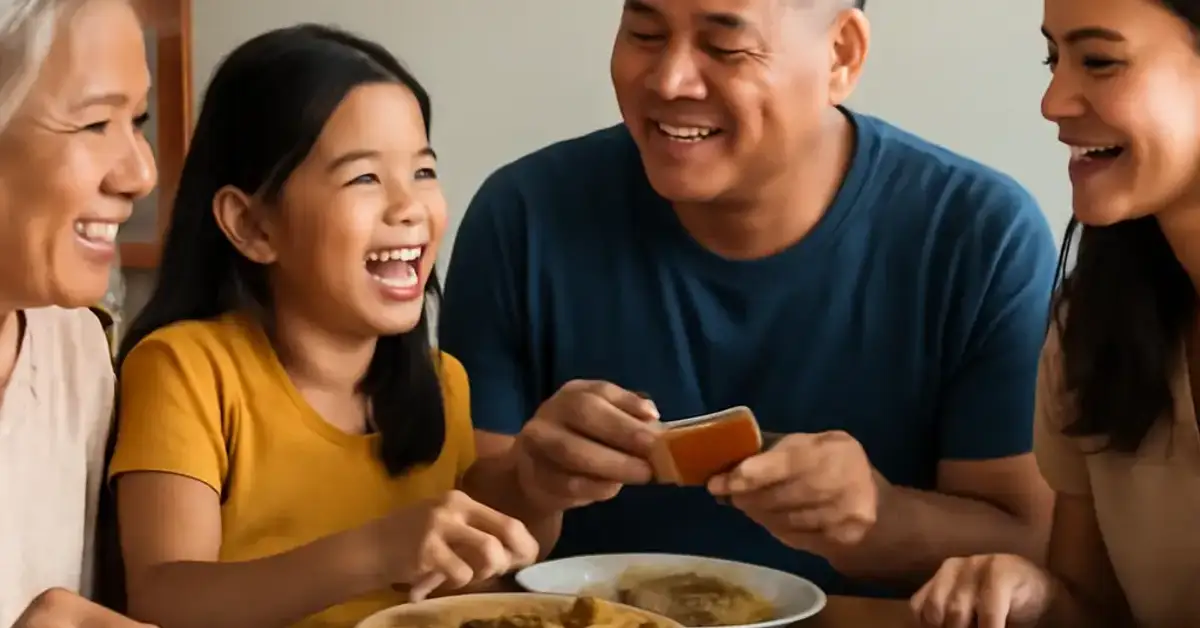
The Aroma of Memory: Why Food Brings Filipino Families Together
Growing up in a typical Filipino household, the day begins not with an alarm clock but with the gentle sizzle of garlic, onion, and tomato in a kawali. My earliest memories are painted in the steam rising from a pot of sinigang and the sound of my grandmother’s gentle voice calling everyone to the dining table. That simple invitation—“Kain na tayo!”—is the most powerful summons in Filipino culture. It transcends age, distance, and time. As a chef who now creates curated dining experiences in Ubud, Bali, I have come to understand that the question why does food play an important role in Filipino families is really a question about how we love one another. Food is not just sustenance; it is the language of family bonding, the vessel of cultural identity, and the thread that weaves intergenerational traditions into the fabric of our lives. For a related guide, see 10 Filipino Family Food Traditions Seen in Bali.
The Historical Roots of Food and Filipino Family Traditions
To truly understand Filipino food culture, we need to look at the archipelago’s history. The Philippines has been a crossroads of trade, colonization, and migration for centuries. Malay, Chinese, Spanish, and American influences blended with indigenous ingredients and cooking methods to create Filipino cuisine as we know it today. But the heart of Filipino family traditions—the emphasis on shared meals—predates any foreign influence. Pre-colonial baranganic societies already practiced communal dining as a way to settle disputes, celebrate harvests, and honor ancestors. This deep-rooted custom of eating together as a community is the foundation of why Why Food Brings Filipino Families Together remains true even in the modern era.
The Spanish Influence on Dining Table Traditions
When the Spanish arrived, they introduced new ingredients like olive oil, cheese, and chorizo, but they also reinforced the centrality of the family meal. The dining table traditions of the Filipino home evolved to include multiple courses and elaborate feasts for religious holidays. Yet the egalitarian spirit of communal dining never disappeared. The boodle fight, where food is spread on banana leaves and everyone eats with their hands, is a direct descendant of pre-colonial family gatherings. It symbolizes family unity and equality, where no one sits above another.
How Shared Meals Strengthen Relationships Across Generations
How do family meals strengthen relationships across generations? From my experience, the answer lies in the conversation that happens around the table. When a family sits down to eat, they are not simply consuming calories. They are sharing stories, asking about each other’s day, and offering advice. The family meals in a Filipino home are often long, loud, and full of laughter. Grandparents share tales of their youth. Parents talk about work. Children talk about school. And through all this, a bond is formed. Shared meals create a safe space where family bonding happens naturally. It is during these moments that Filipino values such as respect, gratitude, and generosity are taught and absorbed. The importance of shared meals in Filipino culture cannot be overstated because these meals are the primary classroom for life lessons. For a related guide, see How Filipino Family Traditions Live On Around the Dining Table.
Why Are Shared Meals Important in Filipino Culture
The importance of shared meals in Filipino culture extends beyond the family unit. In Filipino communities, inviting neighbors, friends, and even strangers to eat is a common practice. This is Filipino hospitality in action. The word “kumain ka na ba?” (have you eaten?) is a standard greeting, a way of showing care. When a family sets an extra plate for an unexpected guest, they are reinforcing the value of family unity by extending it to the larger community. Why are shared meals important in Filipino culture—because they are a tangible expression of love. A meal shared is a life shared.
Traditional Dishes and Family Celebrations
No family celebration in the Philippines is complete without specific traditional recipes. During Christmas, the table groans under the weight of lechon, queso de bola, hamon, and bibingka. During New Year, families prepare 12 round fruits to symbolize prosperity and cook pancit for long life. At birthdays, the star is always the pancit and the lumpia (spring rolls) that guests can wrap themselves. Traditional Filipino dishes and family celebrations are inseparable. Each dish carries meaning. The sticky rice cake biko symbolizes family togetherness because its sticky nature binds the grains together—a metaphor for family unity. The sourness of sinigang reminds us that life has challenges, but family helps us face them. Every bite is a lesson in cultural heritage.
Food as a Symbol of Love and Care
In many Filipino homes, food as a symbol of love and care is perhaps the most profound expression of affection. When a mother wakes up early to cook arroz caldo for a sick child, or when a father grills pork belly for a Sunday lunch, they are saying “I love you” without words. This is especially true during times of grief or hardship. When a neighbor dies, the community sends food. When a family celebrates, they share food. This food as a symbol of love and care is the bedrock of Filipino lifestyle. It is why even the simplest home-cooked meals are cherished.
The Role of Grandparents in Passing Down Culinary Traditions
How do grandparents preserve culinary traditions? Grandparents are the living libraries of Filipino cuisine. In my own kitchen, I can still hear my lola’s voice teaching me the exact moment to add the tamarind to the sinigang so that the sourness is just right. She never used measurements—only her hands and her memory. The role of grandparents in passing down culinary traditions is critical because they hold the knowledge of recipes that may not be written down anywhere. They teach the techniques that cannot be Googled: how to peel a banana with one hand, how to slice coconut meat for ginataan, how to know when the adobo has reached the perfect balance of soy and vinegar. By cooking alongside their grandchildren, grandparents ensure that cultural preservation happens organically. The kitchen becomes a classroom where Filipino values like patience, diligence, and respect for elders are taught through the act of cooking.
What Food Traditions Are Commonly Passed Down in Filipino Households
What food traditions are commonly passed down in Filipino households? The most commonly passed-down traditions include the preparation of adobo (the unofficial national dish), sinigang, kare-kare, lumpia, and various rice cakes like suman and puto. But beyond the dishes themselves, the tradition of communal dining and the salu-salo (feast) is passed down. The practice of kuwan—the Filipino custom of offering food to anyone who enters the home—is a tradition that grandparents actively teach. Food traditions are not just about what is cooked; they are about how it is shared. Heritage recipes often come with a story: “This is the adobo my grandmother taught me, and her grandmother taught her.” That story is as important as the ingredient list.
Filipino Values Reflected in Dining Experiences
Family values reflected in dining experiences are abundant in Filipino culture. The eldest member of the family is always served first. Children are taught to say “po” and “opo” when addressing elders at the table. The respect for elders during family meals is non-negotiable. Before eating, a prayer is said, often led by the youngest or the eldest, demonstrating gratitude and humility. The practice of mano po—taking an elder’s hand to one’s forehead as a sign of respect—often happens before or after the meal. These dining rituals reinforce Filipino values like deference, gratitude, and generosity. The table is where family values reflected in dining experiences are most visible. Every meal is a lesson in how to be a good person.
Hospitality and Generosity Within Filipino Households
Hospitality and generosity within Filipino households are legendary. A Filipino family will give their last cup of rice to a guest, even if it means they will have less for themselves. This is Filipino hospitality at its core. When a guest arrives, the first question is not “What do you need?” but “Have you eaten?” The host will prepare an elaborate meal even if they were not expecting anyone. This generosity is rooted in the Filipino lifestyle that prioritizes community over individuality. Hospitality and generosity within Filipino households make every meal an opportunity to show love.
Strengthening Intergenerational Relationships Through Meals
Strengthening intergenerational relationships through meals is a practice that Filipino families have perfected over centuries. When three or four generations sit at the same table, the age gap disappears. A grandmother teaches her granddaughter how to make lumpia wrapper. A grandfather tells his grandson about the time he caught the biggest milkfish. A father learns his son’s favorite dish. These interactions create emotional connections created through shared dining experiences. The elderly feel valued. The young feel connected to their roots. This is strengthening intergenerational relationships through meals in action. Food becomes the bridge that prevents tradition from being lost to time.
Cultural Identity Shaped by Food Traditions
Cultural identity shaped by food traditions is particularly strong among Filipino family traditions. When a Filipino child grows up eating sinigang, adobo, and leche flan, those flavors become synonymous with home. Even when they move to another country, the taste of these dishes instantly transports them back to their childhood kitchen. Food grounds them in their Filipino culture. For the younger generation who may not speak the language fluently or who were born abroad, cultural identity shaped by food traditions is often their strongest connection to the Philippines. Learning to cook adobo is a way of saying, “I am Filipino.”
Storytelling and Memory Sharing Around the Dining Table
Storytelling and memory sharing around the dining table is an integral part of Filipino family traditions. Meals are rarely silent affairs. As soon as everyone sits down, the stories begin. Someone will recall a funny incident from a past fiesta. Another will share a memory of a deceased relative who cooked the best kare-kare. These stories keep the memory of loved ones alive. Storytelling and memory sharing around the dining table are how family history is preserved. The dishes themselves become characters in these stories. Every time a family cooks a heritage recipe, they are telling a story.
How Overseas Filipinos Maintain Connections Through Traditional Cuisine
Overseas Filipinos maintaining connections through traditional cuisine is a powerful testament to the role of food in cultural preservation. I have worked with many OFWs (Overseas Filipino Workers) in Bali who go to great lengths to source ingredients for home-cooked meals. They order patis (fish sauce) from Manila, grow kangkong in their backyards, and teach their foreign-born children how to cook adobo. For these families, why food brings Filipino families together across generations is even more urgent because they are physically separated from their homeland. How does food help maintain cultural heritage for overseas Filipinos? It becomes the only tangible connection to the Philippines. The smell of garlic frying in a kitchen in Dubai or Sydney or Tokyo instantly creates a virtual bridge back to home. Why do overseas Filipinos keep traditional food practices alive—because doing so preserves their identity for themselves and for their children.
Food as a Bridge Between Generations
Food as a bridge between generations is a concept I have seen play out countless times in my career. When a teenage grandson asks his lola to teach him how to cook adobo, he is building a bridge between his generation and hers. That act of learning is an act of love. Food as a bridge between generations also works in reverse: a grandmother learning to use an air fryer to make lumpia from her granddaughter. The kitchen becomes a two-way exchange of tradition and innovation. This is how cultural heritage remains alive and relevant.
The Role of Food in Holiday Celebrations and Special Occasions
The role of food in holiday celebrations and special occasions in the Philippines is central. Christmas, Holy Week, All Saints’ Day, town fiestas, baptisms, weddings, and even funerals are all marked by specific foods. During Pahiyas Festival, houses are decorated with produce. During Undas (All Saints’ Day), families bring food to the cemetery to share with their departed loved ones. The role of food in holiday celebrations and special occasions is to connect the living with the divine, with each other, and with the past. These occasions strengthen family celebrations and reinforce cultural identity.
Preserving Cultural Heritage Through Recipes and Cooking Practices
Preserving cultural heritage through recipes and cooking practices is a responsibility that falls on every generation. In my restaurant in Ubud, I combine modern techniques with traditional Filipino customs. I use sous-vide for lechon but serve it with the same sauce my lola made. I plate kare-kare in a way that surprises diners, but the flavor is authentic. This balance between innovation and tradition is exactly how cultural preservation works. It is not about freezing recipes in time. It is about keeping the essence alive while adapting to the present. Preserving cultural heritage through recipes and cooking practices means that every generation adds its own chapter to the story.
Family Gatherings Centered on Food and Togetherness
Family gatherings centered on food and togetherness are the backbone of Filipino lifestyle. The salu-salo is more than a party; it is a reaffirmation of family unity. Whether it is a birthday, a thanksgiving, or just a Sunday afternoon, families gather to eat, drink, and be together. The table is always full—sometimes with dishes that everyone contributed. This act of cooking together and eating together fosters family unity and creates lasting memories. Family gatherings centered on food and togetherness are how Filipinos celebrate life itself.
Strengthening Relationships Through Cooking and Eating Together
Strengthening relationships through cooking and eating together is a practice I encourage in every family I work with. When families cook together, they communicate without words. They learn patience, cooperation, and trust. The act of eating together is equally important. Sitting across from one another, making eye contact, and sharing food creates a bond that is difficult to replicate. Strengthening relationships through cooking and eating together is one of the simplest and most effective ways to nurture a happy family. In my experience, families that cook together stay together.
Practical Tips for Modern Filipino Families
For modern Filipino families, especially those living abroad or in busy urban areas, maintaining food traditions can be challenging. Here are a few tips that I share with families who want to keep the tradition alive:
- Schedule at least one family meal per week where no phones are allowed. Make it a sacred time.
- Invite grandparents to cook with the grandchildren, even if it is just once a month. Let the role of grandparents in passing down culinary traditions happen naturally.
- Document heritage recipes in a family cookbook. Write down not just ingredients but the stories behind them.
- Introduce Filipino cuisine to your children slowly. Let them taste and ask questions.
- For overseas Filipinos, make it a point to cook one Filipino dish every week. This simple act preserves cultural heritage and connects your children to their homeland.
- Celebrate family celebrations with the traditional dishes that your family loves. Do not skip the bibingka during Christmas or the pancit during birthdays.
Conclusion: The Eternal Table
As I write this from my kitchen in Ubud, I can still hear the echo of my lola’s voice: “Kain na tayo.” Those words are more than an invitation to eat. They are an invitation to belong, to connect, and to love. Why Food Brings Filipino Families Together is not a mystery. It is a truth as old as the islands themselves. Food is the story we tell ourselves about who we are. It is the bond that ties Filipino family traditions to Filipino values like love, generosity, and respect. It is the bridge that connects the past to the present and the present to the future. Whether you are a food lover, a parent, a grandparent, or a cultural enthusiast, I hope this article inspires you to gather your family around the table. Cook the traditional recipes of your childhood. Share the stories. And remember: the table is never fully set until everyone is together. That is the true essence of Why Food Brings Filipino Families Together Across Generations.
Useful Resources
To explore more about Filipino cuisine and cultural preservation, I recommend visiting the National Commission for Culture and the Arts for official resources on Filipino intangible heritage, and the University of the Philippines Center for International Studies for academic articles on food and culture in Southeast Asia.
Frequently Asked Questions About Why Food Brings Filipino Families Together
Why does food play an important role in Filipino families?
Food plays an important role in Filipino families because it is a primary expression of love, care, and hospitality. Family meals are opportunities for family bonding and the transmission of Filipino values across generations.
How do family meals strengthen relationships across generations?
Shared meals create a space for storytelling, laughter, and guidance. Strengthening intergenerational relationships through meals happens naturally when grandparents, parents, and children gather around the table and share experiences.
What food traditions are commonly passed down in Filipino households?
Commonly passed-down food traditions include the preparation of adobo, sinigang, kare-kare, lumpia, and rice cakes like suman and puto. Heritage recipes and the practice of communal dining are also passed down.
How do grandparents preserve culinary traditions?
The role of grandparents in passing down culinary traditions is central. They teach techniques, share stories behind dishes, and pass down traditional recipes through hands-on cooking sessions with grandchildren.
Why are shared meals important in Filipino culture ?
Shared meals reinforce family unity and Filipino values like respect, generosity, and gratitude. The importance of shared meals in Filipino culture lies in their ability to create emotional connections created through shared dining experiences.
How does food help maintain cultural heritage ?
Preserving cultural heritage through recipes and cooking practices is achieved by cooking and sharing dishes that have been passed down for generations. Food connects individuals to their cultural identity and history.
What role does food play during Filipino celebrations?
The role of food in holiday celebrations and special occasions is central. Specific dishes like lechon, bibingka, and pancit are prepared for Christmas, New Year, birthdays, and fiestas, reinforcing traditions and family celebrations.
How do traditional recipes connect family members?
Traditional recipes carry memories of the people who cooked them before. Cooking a grandmother’s adobo connects a family member to her presence, making food as a bridge between generations a lived experience.
Why do overseas Filipinos keep traditional food practices alive?
Overseas Filipinos maintaining connections through traditional cuisine is a way to stay connected to their homeland. Cooking home-cooked meals abroad preserves cultural identity and teaches the next generation about their roots.
How does food contribute to family unity in the Philippines?
Strengthening relationships through cooking and eating together reinforces family unity. The act of preparing and consuming shared meals brings family members closer and fosters a sense of belonging.
What is the importance of family meals in Filipino values ?
Family values reflected in dining experiences include respect for elders, gratitude, and hospitality. Family meals teach these values by example, such as serving the eldest first and offering food to guests.
How do Filipino customs and mealtime traditions differ from other cultures?
Filipino customs and mealtime traditions are characterized by communal dining, the practice of saying “Kain na tayo,” and the emphasis on sharing food with everyone present, including unexpected guests.
What is the role of storytelling during Filipino meals?
Storytelling and memory sharing around the dining table is a treasured custom. Families share anecdotes, recall memories of loved ones, and pass down family history through stories that accompany the food.
How can modern families preserve Filipino food traditions ?
Modern families can preserve food traditions by cooking heritage recipes together, documenting family recipes, and scheduling regular family meals without distractions like phones or television.
Why is food considered a symbol of love in Filipino culture ?
Food as a symbol of love and care is deeply ingrained. Preparing a meal for someone, especially a labor-intensive dish, is an act of devotion. Home-cooked meals are often the most treasured gifts.
How do Filipino grandparents teach cooking to grandchildren?
How do grandparents preserve culinary traditions by inviting grandchildren into the kitchen, letting them help with simple tasks, and sharing the secrets of traditional recipes through hands-on practice.
What is the significance of the boodle fight in Filipino culture ?
The boodle fight is a form of communal dining where food is spread on banana leaves and eaten with hands. It symbolizes family unity, equality, and the importance of shared meals in Filipino culture.
How does food shape the identity of a Filipino?
Cultural identity shaped by food traditions is powerful. The flavors of Filipino cuisine—like the sourness of sinigang or the saltiness of adobo—become part of a person’s identity, reminding them of home and heritage.
Can food help bridge the gap between generations in a family?
Absolutely. Food as a bridge between generations allows elders and youth to connect through cooking and eating. It creates a shared experience that transcends age differences and fosters mutual respect.
What advice does Chef Juan Gadi give for families to connect through food?
Chef Juan Gadi advises families to make time for shared meals without distractions, involve grandparents in cooking sessions, and document heritage recipes. He emphasizes that Why Food Brings Filipino Families Together is a practice that must be actively nurtured every day.
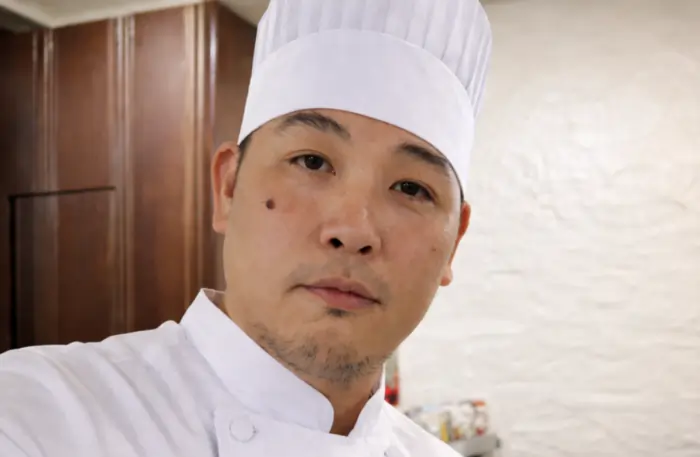
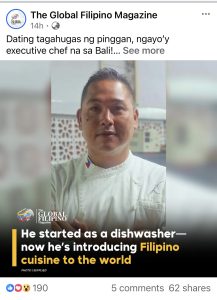
Chef Juan Gadi brings the heart of Filipino hospitality to Ubud, Bali. As an Executive Chef and consultant, he specializes in creating intimate, curated dining experiences that tell a story through every dish. Whether leading the kitchen at Kilig Filipino Warung or hosting a private villa dinner, Chef Juan’s approach is defined by warmth, modern technique, and a commitment to culinary excellence.