Why Filipino Hospitality Is Often Expressed Through Food Key Takeaways
Filipino hospitality is a world-famous trait, but its most authentic expression happens around the dining table.
- Why Filipino hospitality is often expressed through food because sharing a meal is the quickest way to make someone feel like family.
- The cultural meaning of food in Filipino hospitality traditions goes beyond nourishment—it symbolizes respect, gratitude, and emotional warmth.
- From everyday merienda to grand fiestas, the importance of generosity in Filipino dining culture builds lasting social bonds and reinforces community ties.
What Makes Filipino Hospitality a Culinary Tradition
Walk into any Filipino home, and the first question you will hear is not “How are you?” but “Kumain ka na ba?“—Have you eaten yet? This simple question holds the key to understanding why Filipino hospitality is often expressed through food. For Filipinos, offering a meal is the most natural way to show care. It is an instinct rooted in centuries of communal living, where the act of feeding someone becomes an act of love.
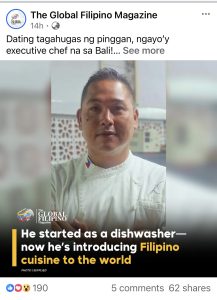
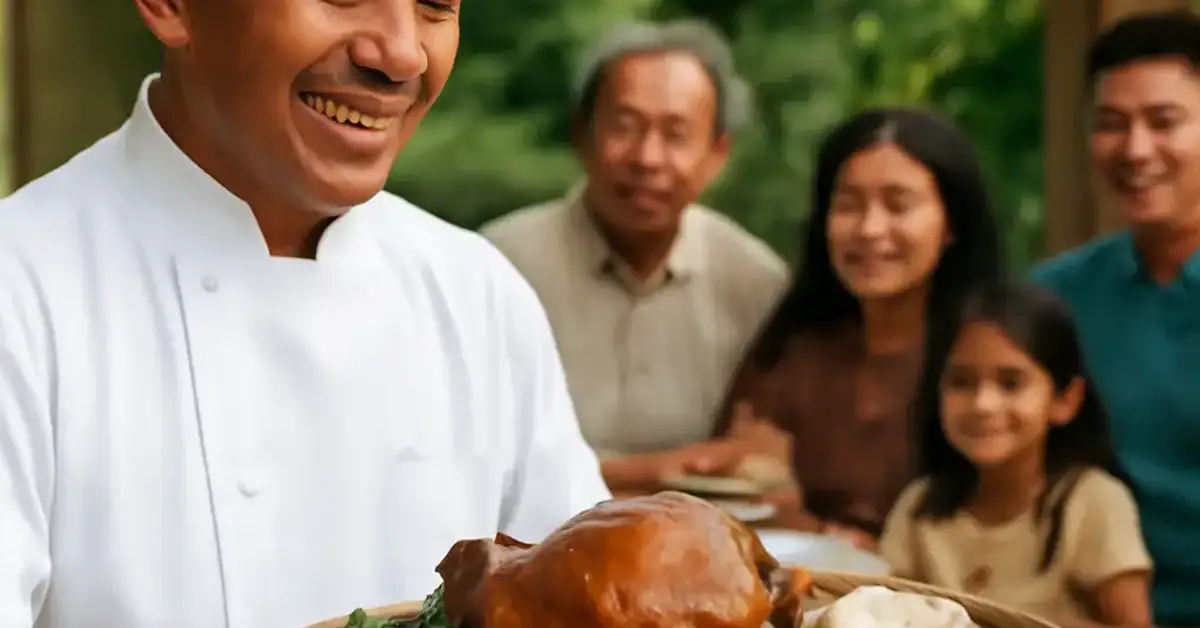
In my work as an executive chef here in Ubud, Bali, I have seen how this tradition travels with Filipinos wherever they go. Whether it is a simple bowl of sinigang shared with a new neighbor or an elaborate lechon feast for a village celebration, the cultural meaning of food in Filipino hospitality traditions remains constant: food is the bridge that connects hearts.
The Roots of Food as a Welcome Gesture
Long before modern convenience, Filipino ancestors lived in communal dining as a cultural practice. The barangay system, our early form of community, revolved around sharing resources. When a visitor arrived, the head of the household would offer the best they had—even if it meant sacrificing their own portion. This spirit of bayanihan spirit reflected in food sharing has been passed down through generations.
Today, this translates into a culture where no guest leaves hungry. The importance of generosity in Filipino dining culture is so strong that hosts often prepare extra food “just in case” someone drops by. It is not about impressing others; it is about honoring them.
The Role of Food in Building Relationships: A Deep Cultural Bond
Food in the Philippines does more than fill the stomach—it builds and strengthens relationships. The role of food in building relationships with guests is central to Filipino social life. When you share a meal with someone, you are not just dining together; you are creating a memory, a bond, and a promise of future connection.
This is why the Filipino values of kindness and inclusivity through meals are so visible. Visitors, whether expected or unexpected, are always invited to the table. There is no hierarchy at a Filipino dining table; everyone eats together, often from the same platters, using their hands to scoop rice and share viands. This practice of communal dining as a cultural practice breaks down barriers and fosters equality.
Merienda: The Everyday Invitation
One of the most endearing Filipino traditions of making guests feel at home is the serving of merienda, a mid-afternoon snack. It could be a warm pandesal with coffee, a plate of pancit, or sweet bibingka. Offering merienda is a gentle way of saying, “Stay a little longer. Let us talk.” It is an everyday ritual that transforms ordinary moments into acts of hospitality.
Family-Centered Hospitality Traditions: The Heart of Filipino Homes
At the core of every Filipino household is the belief that family extends beyond blood. This is where family-centered hospitality traditions shine brightest. When a friend, colleague, or even a stranger enters a Filipino home, they are treated as part of the family. This status comes with one undeniable privilege: being fed.
I remember growing up in the Philippines, our kitchen was always the busiest room in the house. My lola (grandmother) would spend hours preparing traditional Filipino food like adobo, kaldereta, and lumpia for anyone who visited. To her, cooking was not a chore—it was her way of saying, “You matter.” This intergenerational transmission of food-based hospitality is how values are passed down. Children learn by watching their parents and grandparents offer food with open hearts.
Noche Buena and Fiesta: Celebrations as Expressions of Generosity
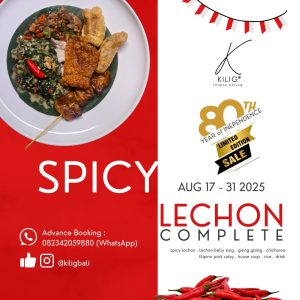
The role of celebrations and feasts in hospitality cannot be overstated. During Christmas, the Noche Buena feast showcases the best of Filipino cuisine. But it is not just for family—neighbors, friends, and even strangers are welcomed to share the meal. Similarly, town fiestas honor a patron saint by feeding the entire community. These events are a vibrant display of cultural identity expressed through cuisine, where dishes like lechon, hamon, and queso de bola become symbols of abundance and joy.
Welcoming Strangers Through Meals: The Ultimate Act of Kindness
Perhaps the most powerful proof of why Filipino hospitality is often expressed through food is how Filipinos treat strangers. In many cultures, a stranger might receive a guarded welcome. In the Philippines, a stranger is offered a seat and a plate. This is not unusual—it is expected. The welcoming strangers through meals and snacks tradition is a cornerstone of Filipino identity.
I recall a story from my early travels. Lost in a small province in Luzon, I was invited by a local family to join their lunch. They had little, but they shared everything. That meal—simple fried fish, rice, and a bowl of sinigang—was unforgettable not for its complexity, but for its generosity. It was a living example of food as a universal language of care.
Everyday Expressions of Hospitality in Filipino Life
The everyday expressions of hospitality in Filipino life are small yet profound. A neighbor dropping off a plate of freshly cooked adobo. A colleague bringing pancit for a birthday. A vendor giving an extra piece of mango to a loyal customer. These are not formal acts of hospitality; they are spontaneous, sincere, and deeply ingrained in the Filipino psyche.
Strengthening Social Bonds Through Shared Meals: The Bayanihan Spirit
The concept of bayanihan—the communal spirit of helping one another—is beautifully reflected in Filipino food traditions. When there is a wedding, a funeral, a baptism, or even a house move, the community gathers to cook and share food. This strengthening social bonds through shared meals is how Filipinos navigate both joy and hardship together. For a related guide, see Understanding Bayanihan Through Shared Meals and Gatherings.
In my restaurant, Kilig Filipino Warung, I see this spirit every day. Guests from different countries sit together, sharing dishes and stories. The social harmony built through shared food experiences transcends nationality. Food becomes the common ground where differences dissolve and friendships bloom.
How Generosity in Filipino Dining Culture Creates Harmony
The importance of abundance and sharing in Filipino culture is visible in the way meals are presented. A Filipino table is never sparse. There is always an extra dish, a dessert, and drinks. To a foreigner, this might seem wasteful. To a Filipino, it is respectful. To not offer enough is to risk making the guest feel unwanted. This importance of generosity in Filipino dining culture is a form of offering food as a sign of respect and gratitude.
Cultural Pride Through Culinary Generosity: A Chef’s Perspective
As a chef who now practices Filipino hospitality abroad, I have learned that our cultural pride through culinary generosity is one of our greatest exports. When I create a tasting menu that features kinilaw, kare-kare, and halo-halo, I am not just cooking—I am telling the story of my people. The cultural identity expressed through cuisine is a source of immense pride for overseas Filipinos and travelers who seek authentic experiences.
This is why I believe why Filipino hospitality is often expressed through food is not just a cultural quirk—it is our heritage. It is the warmth we extend to a stranger, the comfort we give to a grieving friend, and the joy we share during celebrations. Food is the vessel of our emotions, and every meal is an opportunity to say, “You are welcome here. You are loved.”
Practical Ways to Embrace Filipino Hospitality Through Food
For travelers, food bloggers, and cultural enthusiasts looking to experience this firsthand, the best advice I can give is to say yes to every invitation. If a Filipino offers you food, accept it with gratitude. You are not just being fed—you are being invited into their family. For those who want to recreate this warmth at home, start with simple gestures: cook a Filipino dish, invite someone over, and share it family-style. The Filipino lifestyle of food sharing is about making others feel seen and valued.
Food as a Central Element of Filipino Identity
In conclusion, why Filipino hospitality is often expressed through food comes down to one fundamental truth: for Filipinos, food is love made tangible. It is the first thing we offer and the last thing we withhold. From the hospitality customs in Filipino homes and communities to the grandest Filipino celebrations, food remains the most powerful expression of our Filipino values. It is a tradition that binds us to our past, nourishes our present, and ensures that every guest who crosses our threshold feels the warmth of our cultural heritage.
As you journey through the world of Filipino cuisine and hospitality culture, remember that behind every dish is a story of generosity, respect and care, and a deep desire for social bonding. That is the magic of shared meals—they transform strangers into friends and friends into family.
Useful Resources
To deepen your understanding of the cultural meaning of food in Filipino hospitality traditions, explore these resources:
- National Commission for Culture and the Arts: Cuisine of the Philippines – An academic overview of the history and cultural significance of Filipino food.
- Britannica: Filipino Cuisine – A reliable reference on the ingredients, cooking methods, and regional diversity of Filipino cooking.
Frequently Asked Questions About Why Filipino Hospitality Is Often Expressed Through Food
Why do Filipinos express hospitality through food?
Filipinos express hospitality through food because it is the most natural and sincere way to show care, respect, and welcome. Offering a meal is an instinctive gesture that immediately makes guests feel valued and part of the family.
What role does food play in Filipino hospitality ?
Food acts as a universal language of love and community in Filipino hospitality. It bridges social gaps, fosters bonding, and communicates that the guest is important. Every meal is an opportunity to build relationships and express gratitude.
How is generosity shown in Filipino dining culture?
Generosity is shown by serving abundant food, often more than enough for everyone. Hosts insist on guests eating first and taking seconds. Refusing food is often met with playful insistence, as it is a matter of pride for the host to see their guest satisfied.
Why is sharing meals important in Filipino traditions?
Sharing meals strengthens social bonds and reinforces community ties. It is a practice rooted in the bayanihan spirit, where eating together symbolizes unity, equality, and mutual support. No significant event is complete without a shared feast.
How does food build relationships in Filipino culture?
Food builds relationships by creating a space for conversation and intimacy. When you share a dish, you share a part of your life. The act of cooking for someone is a deeply personal gesture that cultivates trust and affection.
What does offering food mean in the Philippines?
Offering food is a sign of respect, gratitude, and acceptance. It indicates that the guest is welcomed wholeheartedly. In Filipino culture, to refuse food can sometimes be interpreted as rejecting the host’s kindness.
How does bayanihan relate to food hospitality?
Bayanihan, or communal unity, is directly reflected in food hospitality. During community events or crises, neighbors bring and share food to support one another. This collective feeding reinforces the spirit of cooperation and shared responsibility.
Why are guests always offered food in Filipino homes?
Guests are always offered food because it is a deeply ingrained cultural habit. It comes from a place of genuine concern and the belief that feeding someone is the first step to making them feel comfortable and at home.
How does Filipino hospitality reflect cultural values?
Filipino hospitality reflects core values like pakikisama (getting along), utang na loob (gratitude), and kapwa (shared identity). Food is the medium through which these values are expressed, creating a culture of warmth, generosity, and inclusivity.
How do shared meals strengthen social connections?
Shared meals create a sense of equality and togetherness. Eating from the same platter or passing dishes around encourages interaction and breaks down formality. These interactions build lasting memories and deepen emotional bonds. For a related guide, see How Filipino Food Reflects Family and Celebration.
What is the cultural meaning of food in Filipino hospitality traditions ?
Food carries deep cultural meaning as a symbol of generosity, care, and community. It represents the host’s effort and sacrifice. The act of preparing and sharing food is a tangible expression of love and respect for others.
How are hospitality customs in Filipino homes different from Western homes?
In Filipino homes, hospitality is proactive and often includes immediate offers of food and drink. There is a strong emphasis on abundance and insistence that guests eat. Western hospitality may be more reserved, whereas Filipino hospitality is warm and persistent.
What is the role of celebrations and feasts in Filipino hospitality ?
Celebrations and feasts are the ultimate expression of hospitality. They bring entire communities together and showcase the best of Filipino cuisine. Events like fiestas, Christmas, and birthdays are occasions for collective joy and sharing.
How is intergenerational transmission of food-based hospitality passed down?
Children learn by observing their parents and grandparents cooking for guests. Family recipes are shared, and the values of generosity and care are instilled through everyday practices. This ensures that the tradition continues for generations.
What does welcoming strangers through meals and snacks say about Filipino culture?
It shows that Filipinos have an open, inclusive, and trusting nature. Welcoming a stranger with food is an immediate gesture of goodwill. It reflects the belief that everyone deserves kindness, regardless of who they are.
Why is the importance of abundance and sharing so strong in Filipino culture?
Abundance and sharing are tied to the agricultural past and the spirit of bayanihan. Having plenty to share is a sign of prosperity and good fortune. It is also a way of ensuring that no one in the community goes hungry.
How does food act as a universal language of care?
Food transcends words and cultural barriers. A warm meal can comfort the sad, celebrate the happy, and welcome the stranger. It is a non-verbal way of communicating empathy, support, and affection.
What are Filipino traditions of making guests feel at home ?
Key traditions include offering the best seat, serving food immediately, insisting on seconds, and checking if the guest is comfortable. The host often eats last or eats less to ensure the guest has enough.
How does cultural pride show through culinary generosity ?
Filipinos take pride in sharing their regional dishes and family recipes. Cooking for others is a way of showcasing heritage. Overseas Filipinos, in particular, use food to introduce their culture and maintain their identity abroad.
How is social harmony built through shared food experiences ?
Shared food experiences dissolve hierarchies and create common ground. When people eat together, they converse, laugh, and resolve differences. It is a powerful tool for building peace and understanding within communities.
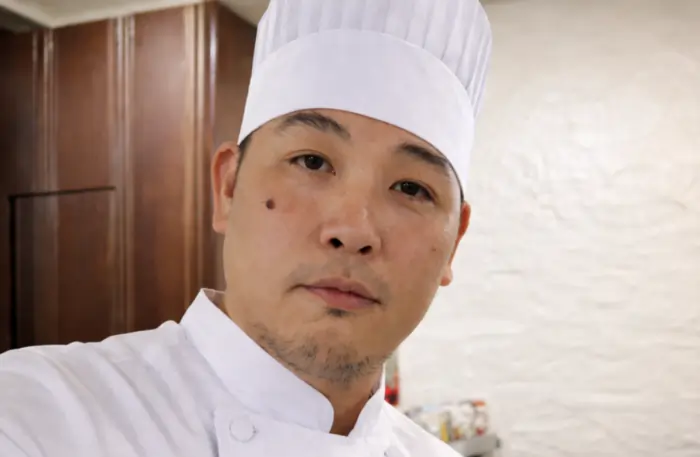
Chef Juan Gadi brings the heart of Filipino hospitality to Ubud, Bali. As an Executive Chef and consultant, he specializes in creating intimate, curated dining experiences that tell a story through every dish. Whether leading the kitchen at Kilig Filipino Warung or hosting a private villa dinner, Chef Juan’s approach is defined by warmth, modern technique, and a commitment to culinary excellence.