
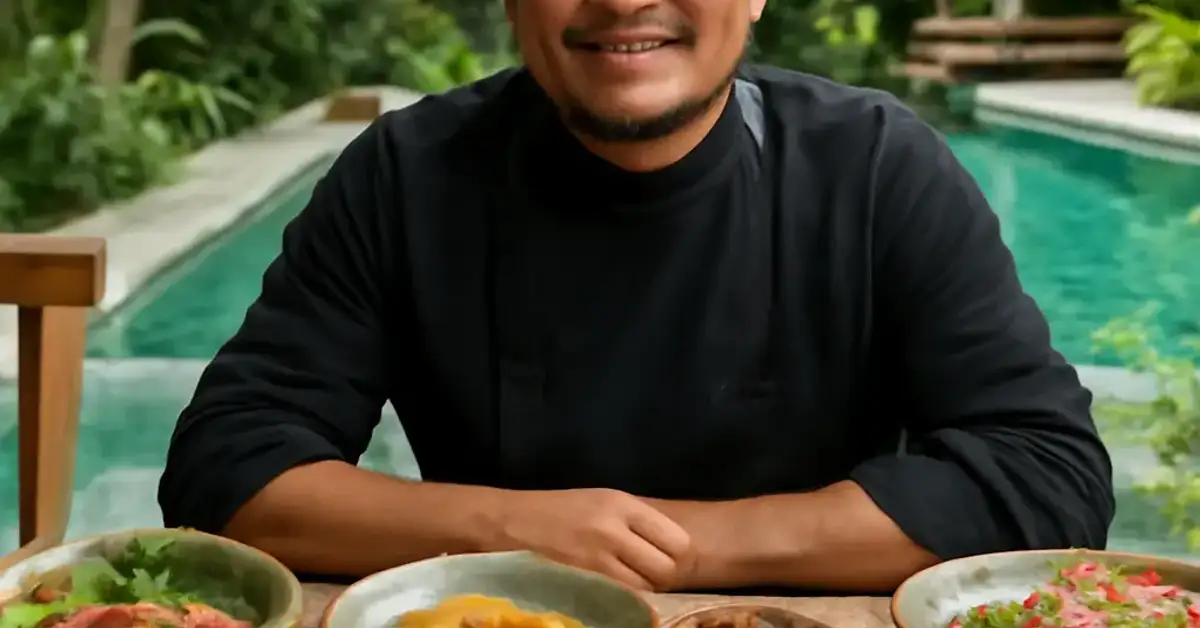
Why Filipino Cuisine Feels Right at Home in Bali Key Takeaways
Filipino cuisine feels right at home in Bali because both food cultures share a deep reverence for hospitality, an instinct for balancing sweet, savory, and tangy flavors, and a love for tropical ingredients .
- Why Filipino cuisine feels right at home in Bali starts with shared cultural values: family-centered meals, warm hospitality, and a celebration of fresh island ingredients.
- From the use of coconut, lemongrass, and vinegar to communal dining traditions, the two cuisines mirror each other in ways that feel instinctive and soulful.
- Chef Juan Gadi’s work at Kilig Filipino Warung and private villa dinners shows how Filipino food in Bali is not just a trend — it is a natural cultural fit.
What Readers Should Know About Why Filipino Cuisine Feels Right at Home in Bali
I still remember my first morning in Ubud. The air smelled of frangipani and wood smoke. A woman handed me a small banana leaf packet — inside was lawar, a Balinese mix of vegetables, coconut, and spices. I bit into it and stopped. That balance of earthy, tangy, and faintly sweet — it tasted exactly like the ginataang gulay my grandmother used to make. That moment, standing barefoot on a sun-warmed stone path, I realized something I would spend years proving: Filipino cuisine feels right at home in Bali.
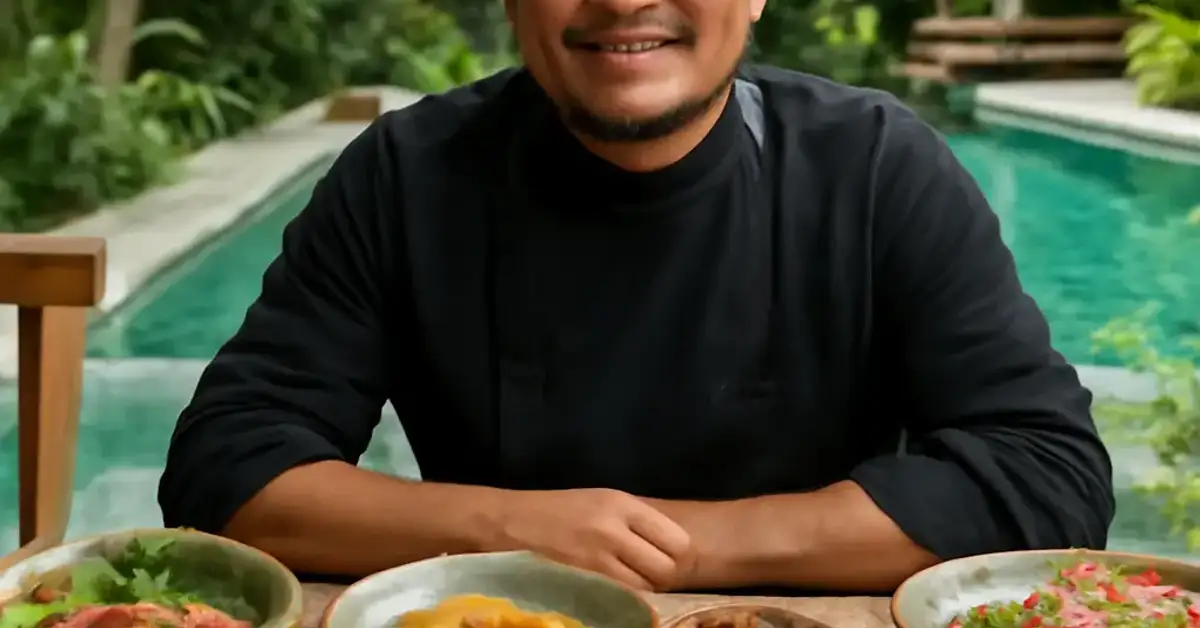
As an Executive Chef and consultant in Ubud, I have built my career around that truth. At Kilig Filipino Warung and during private villa dinners, I create intimate, curated dining experiences that tell a story through every dish. Every plate I serve carries the warmth of Filipino hospitality and the precision of modern technique. But the reason my guests — whether they are Balinese locals, expats, or traveling Filipinos — feel an immediate connection is that the food speaks a language they already know. For a related guide, see Understanding Regional Filipino Flavors Through Bali Dining Experiences.
This article explores the cultural similarities between Filipino and Balinese food traditions, the shared Southeast Asian culinary influences that bind us, and why finding Filipino food in Bali feels less like a foreign encounter and more like coming home.
The Roots of Shared Southeast Asian Culinary Influences
Both Filipino cuisine and Balinese cuisine grew out of the same regional pantry. The shared Southeast Asian culinary influences run deep: the reliance on rice as a daily staple, the use of coconut milk to add richness, and the instinct to balance heat with acid and sweetness. These are not coincidences. For centuries, traders and migrants moved through the archipelago, carrying ingredients and techniques across the islands.
The influence of island living on food culture cannot be overstated. Living surrounded by sea and volcanic soil means both cuisines prioritize what is fresh, local, and seasonal. In the Philippines, that means sinigang cooked with tamarind pulled from the backyard. In Bali, it means sambal made from chilies and shrimp paste harvested that morning. The ingredients differ slightly, but the mindset is identical: respect the ingredient, waste nothing, and let the flavor of the place speak.
Shared Tropical Ingredients and Cooking Methods
Tropical ingredients shaping regional cuisines include coconut, pandan, turmeric, ginger, lemongrass, and bananas — staples in both Filipino and Balinese kitchens. The use of fresh local ingredients in traditional cooking is not a marketing phrase; it is a survival instinct. In Bali, the morning market dictates the menu. In the Philippines, the same is true in every province and island.
The traditional cooking methods shared across Southeast Asia — steaming in banana leaves, slow-simmering in coconut milk, grilling over charcoal — are present in both food cultures. These methods preserve nutrients, deepen flavor, and connect the cook to a lineage of hands that prepared food the same way generations before.
The Importance of Hospitality in Filipino and Balinese Cultures
Hospitality culture in both countries is not a service; it is a sacred duty. In the Philippines, the word “pakikisama” refers to the art of getting along, of making others feel included. In Bali, the concept of “Tri Hita Karana” emphasizes harmony between people, nature, and the divine. Both philosophies express themselves through food.
When a Balinese host insists you stay for one more bite, they mean it. When a Filipino lola pushes a sixth plate of lechon onto your already full table, she is saying the same thing: you belong here. This importance of hospitality in Filipino and Balinese cultures makes dining in either country an emotionally nourishing experience, not just a physical one.
Chef Juan Gadi’s approach mirrors this. Whether I am leading the kitchen at Kilig Filipino Warung or hosting a private villa dinner, my goal is always to make every guest feel like family. That means explaining the story behind the dish, checking in on dietary needs without being asked, and sending you home with a small bag of homemade polvoron — because that is what family does.
Family-Centered Dining Experiences and Communal Food Traditions
Family dining traditions in both cultures center on shared plates. A Balinese megibung — a tradition where people sit in a circle and eat from a single platter — looks almost identical to a Filipino boodle fight, where long tables are covered in banana leaves and food is eaten with bare hands. The family-centered dining experiences across both cultures reinforce the idea that food tastes better when it is shared.
Communal food traditions and shared meals are not limited to special occasions. Everyday dinners in both the Philippines and Bali involve multiple dishes placed in the center of the table, with everyone taking what they need. This practice fosters conversation, slows down the meal, and strengthens relationships. It also reflects a broader worldview: the group matters more than the individual.
The connection between food, family, and belonging is visceral. When I cook adobo in Bali — using local Balinese vinegar and free-range chicken — and serve it family-style to a group of strangers, by the end of the meal they are no longer strangers. They are sharing stories, passing plates, and laughing. That is the power of food as a reflection of cultural identity and community values.
Similarities in Flavor Profiles: Sweet, Savory, and Tangy
The similarities in flavor profiles including sweet, savory, and tangy tastes are one of the most immediate reasons Filipino cuisine feels right at home in Bali. Both cuisines avoid extremes. Instead, they layer flavors: a touch of palm sugar to soften the heat, a splash of vinegar or tamarind to cut richness, and salt from fish sauce or shrimp paste to deepen savoriness.
In the Philippines, this balance appears in dishes like sinigang (sour and savory) and adobo (salty, tangy, and rich). In Bali, it appears in bebek betutu (rich duck with bold spices) and lawar (tangy with coconut and lime). The Filipino flavors of Filipino comfort food — the kind that makes overseas Filipinos tear up — are not foreign to Balinese palates. They are variations on a theme. For a related guide, see Why Filipino Breakfast Culture Deserves Global Attention.
This flavor alignment is one reason Filipino dishes adapting naturally to Bali’s culinary environment works so well. When I cook kare-kare in Bali, I use local oxtail and pecan butter instead of peanut butter. The result tastes different — but it tastes right, because the ingredient philosophy is the same.
Appreciation for Home-Cooked Meals and Preservation of Heritage
The appreciation for home-cooked meals and comfort food is central to both cultures. In the Philippines, home cooking is the gold standard; restaurant food is judged by how closely it resembles lola’s version. In Bali, the same reverence exists for the family kitchen.
Culinary heritage preservation through traditional recipes is a form of resistance — resistance against the homogenization of global food culture. When I serve a traditional Filipino dish like sinigang or laing in Bali, I am not just feeding people. I am telling the story of my grandparents, of the province I come from, of the Filipino culinary heritage that shaped me.
This is also the heart of culinary storytelling through heritage dishes. Every plate is an archive. The migration and preservation of food traditions abroad is how communities hold onto their identity in a new place. The overseas Filipino community in Bali has built a home away from home not by replicating the Philippines brick by brick, but by cooking the recipes that remind them who they are.
The Role of Filipino Communities in Bali’s Dining Scene
The role of Filipino communities in Bali’s dining scene has grown steadily over the past decade. Restaurants like Kilig Filipino Warung, Kusina, and boutique pop-ups have introduced Balinese locals and international tourists to authentic Filipino dishes beyond the usual adobo and lumpia.
These establishments do more than serve food. They create spaces for cultural exchange through food. A Balinese guest who tries chicken inasal might notice the similarity to ayam betutu. A Filipino traveler craving Filipino comfort food finds solace in a bowl of arroz caldo served with calamansi — even if the rice is grown in Java.
The fusion of local ingredients with Filipino recipes is a natural evolution. Balinese markets offer different varieties of eggplant, banana, and chili than those in Manila, but the cooking logic remains the same. This fusion does not dilute Filipino cuisine — it enriches it, proving that the cuisine is both rooted and adaptable.
How Culinary Tourism Connects People to Culture and Heritage
Culinary tourism in Bali has shifted from simply eating to seeking meaning. Travelers no longer just want to check off a list of dishes — they want to understand the story behind the food. This is where food tourism and cultural discovery converge. Bali offers cooking classes, market tours, and private dining experiences that allow guests to engage with food heritage on a deeper level.
Food as a bridge between cultures and communities is particularly visible in places like Ubud, where a single meal can bring together a Balinese farmer, a Filipino chef, and a Swedish traveler. The table becomes a neutral ground where differences dissolve and commonalities — especially the love of good food — take center stage.
For overseas Filipinos visiting Bali, the experience is especially poignant. The celebration of Filipino flavors in international destinations affirms that their culture is worthy of a global stage. It also answers the question of how does food reflect cultural identity: food reflects identity by being the most honest expression of a community’s values, history, and dreams.
Why Travelers Enjoy Filipino Cuisine in Bali
There is a practical reason why travelers enjoy Filipino cuisine in Bali. The Bali food culture is adventurous and open-minded. Locals and tourists alike are curious about regional Southeast Asian cuisine, and they already understand the flavor grammar used in Filipino cooking.
For a Filipino tourist, finding authentic Filipino dishes in Bali removes the stress of culinary homesickness. For a non-Filipino traveler, it is an accessible entry point into a cuisine that deserves more global recognition. Either way, the Filipino dining experience in Bali delivers warmth, surprise, and a sense of connection.
Practical Tips for Experiencing Filipino Food in Bali
For those wanting to explore why Filipino cuisine feels right at home in Bali firsthand, here is a short checklist.
- Visit Kilig Filipino Warung in Ubud for authentic dishes made with local Balinese ingredients.
- Attend a private villa dinner hosted by Chef Juan Gadi for a curated storytelling experience.
- Take a Balinese cooking class and notice the similarities in technique and ingredient preparation.
- Explore traditional markets in both Ubud and the Philippines (such as Baguio Market) to compare tropical produce.
- Ask locals about their family recipes — both in Bali and the Philippines — to hear the stories behind the food.
Useful Resources
For a deeper dive into the cultural similarities between Filipino and Balinese food traditions, these resources offer valuable perspectives.
- Asia Cuisine Tours – Balinese Food Guide – A comprehensive look at Balinese cooking methods and ingredients, highlighting parallels with Southeast Asian neighbors.
- Filipino Food Movement – Heritage and Culture – An exploration of Filipino culinary heritage and the modern movement to preserve traditional recipes.
Frequently Asked Questions About Why Filipino Cuisine Feels Right at Home in Bali
Why does Filipino cuisine fit well in Bali?
Filipino cuisine fits well in Bali because both food cultures prioritize fresh tropical ingredients, sweet-savory-tangy flavor balance, and communal dining. The shared Southeast Asian culinary influences create a natural comfort zone for each other’s dishes.
What similarities exist between Filipino and Balinese food?
Both cuisines rely on coconut, rice, vinegar, and tropical produce. They also emphasize family-style sharing, slow cooking methods, and layering flavors like sweet, savory, and sour. This is the core of cultural similarities between Filipino and Balinese food traditions.
How do Filipino food traditions thrive abroad?
Filipino food traditions thrive abroad through community restaurants, pop-up kitchens, and private dining events. The overseas Filipino community preserves and adapts recipes using local ingredients while maintaining the essence of the dish.
Why do travelers enjoy Filipino cuisine in Bali?
Travelers enjoy Filipino cuisine in Bali because the flavors are familiar and yet exciting. The use of tropical ingredients, the warmth of hospitality culture, and the novelty of discovering Filipino food in Bali create a memorable dining experience.
What ingredients are shared between Filipino and Balinese cooking?
Common ingredients include coconut milk, lemongrass, ginger, turmeric, pandan, banana leaves, tamarind, palm sugar, and shrimp paste. Both cuisines showcase the use of fresh local ingredients in traditional cooking.
How does food reflect cultural identity?
Food reflects cultural identity by encoding a community’s history, geography, and values in every dish. Food as a reflection of cultural identity and community values is visible in how both Filipinos and Balinese use food to express hospitality and family bonds.
Why are communal meals important in both cultures?
Communal meals strengthen relationships and build trust. Communal food traditions and shared meals reinforce the idea that food is a social currency, not just fuel. In both Bali and the Philippines, eating together is a ritual of belonging.
How does hospitality influence dining experiences?
Hospitality drives the entire meal, from portion sizes to the way guests are served. The importance of hospitality in Filipino and Balinese cultures means diners are treated as family, and no one leaves hungry or ignored.
What makes Filipino comfort food appealing internationally?
Filipino comfort food appeals internationally because it is deeply savory, tangy, and satisfying without being intimidating. Dishes like adobo and sinigang offer Filipino flavors that are both unique and accessible to foreign palates.
How does culinary tourism connect people to culture and heritage?
Culinary tourism connects people by immersing them in the stories, cooking methods, and traditions behind the food. Food tourism and cultural discovery allow travelers to experience a place through its most intimate cultural expression — its kitchen.
What is the connection between food, family, and belonging ?
The connection between food, family, and belonging is emotional and psychological. Shared meals create a sense of home, especially for the overseas Filipino community who find comfort in familiar dishes prepared in a new land.
How are traditional cooking methods similar in both cuisines?
Both cuisines use grilling over charcoal, steaming in banana leaves, and slow simmering in coconut milk. These traditional cooking methods shared across Southeast Asia preserve flavor and nutrients while connecting cooks to their heritage.
What is the role of Filipino communities in Bali’s dining scene ?
The role of Filipino communities in Bali’s dining scene includes running restaurants, catering events, and participating in food festivals. They act as cultural ambassadors, introducing authentic Filipino dishes to a global audience.
How do Filipino dishes adapt to Bali’s culinary environment?
Filipino dishes adapting naturally to Bali’s culinary environment involve substituting local Balinese ingredients — such as using different varieties of coconut or chili — while preserving the original cooking technique and flavor profile.
What is food tourism and cultural discovery in Bali?
Food tourism and cultural discovery in Bali involve market tours, cooking classes, and chef-led dinners that teach visitors about the intersection of Balinese cuisine and broader Southeast Asian cuisine.
How does migration preserve food traditions abroad?
Migration and preservation of food traditions abroad happen when communities continue to cook recipes from home, passing them down to children born in a new country. This is how Filipino culinary heritage stays alive in places like Bali.
What does the celebration of Filipino flavors in international destinations mean?
The celebration of Filipino flavors in international destinations validates the cuisine’s global appeal and helps preserve food heritage. It is a source of pride for the overseas Filipino community and a draw for culinary travelers.
How does food act as a bridge between cultures?
Food as a bridge between cultures and communities creates a shared experience that transcends language and background. In Bali, sharing a Filipino meal helps Balinese and international guests understand each other’s worldviews.
What are the best places to find Filipino food in Bali ?
Top spots include Kilig Filipino Warung in Ubud, Kusina in Seminyak, and various pop-up events and private dinners hosted by chefs like Juan Gadi. These venues offer authentic Filipino dishes with a Balinese twist.
Can international tourists enjoy Filipino cuisine in Bali without prior experience?
Absolutely. The Filipino dining experience is welcoming and approachable. Since the flavors align with Balinese cuisine and broader Southeast Asian cuisine, most tourists find the dishes instantly familiar and delicious.

Chef Juan Gadi brings the heart of Filipino hospitality to Ubud, Bali. As an Executive Chef and consultant, he specializes in creating intimate, curated dining experiences that tell a story through every dish. Whether leading the kitchen at Kilig Filipino Warung or hosting a private villa dinner, Chef Juan’s approach is defined by warmth, modern technique, and a commitment to culinary excellence.




