Understanding Rice Culture in Filipino and Balinese Dining Key Takeaways
Rice is more than a staple in the Philippines and Bali — it is the backbone of community, ritual, and daily life.
- Understanding Rice Culture in Filipino and Balinese Dining shows how terraced landscapes and family tables tell stories of resilience and gratitude.
- From rice farming traditions to festive rice festivals , every grain carries centuries of cultural heritage .
- Discover how travelers and food lovers can experience rice-centered dining that honors the past while embracing modern culinary tourism.
What Readers Should Know About Understanding Rice Culture in Filipino and Balinese Dining
When I first arrived in Ubud as a chef from the Philippines, I expected differences — new ingredients, unfamiliar spices, different cooking techniques. What I did not expect was how deeply rice culture would connect my two homes. In the Philippines, every meal begins with a mound of steaming white rice. In Bali, the same reverence appears in offerings, ceremonies, and the patient tending of emerald rice terraces. Understanding Rice Culture in Filipino and Balinese Dining is not just about food. It is about understanding how a single grain can shape identity, community, and even the rhythm of the day. For a related guide, see Understanding Regional Filipino Flavors Through Bali Dining Experiences.
The Role of Rice as a Staple Food in Southeast Asian Cuisine
Across Southeast Asia, rice traditions define not only what people eat but how they gather. In both the Philippines and Bali, rice is the centerpiece of every meal — breakfast, lunch, and dinner. It is the first thing offered to guests, the last thing cleared from the table, and the ingredient that ties every dish together. Southeast Asian cuisine would be unrecognizable without it. From Filipino dining tables laden with adobo and sinigang to Balinese dining feasts featuring babi guling and lawar, rice is the constant, grounding element.
Rice as a Cultural Foundation in Southeast Asia
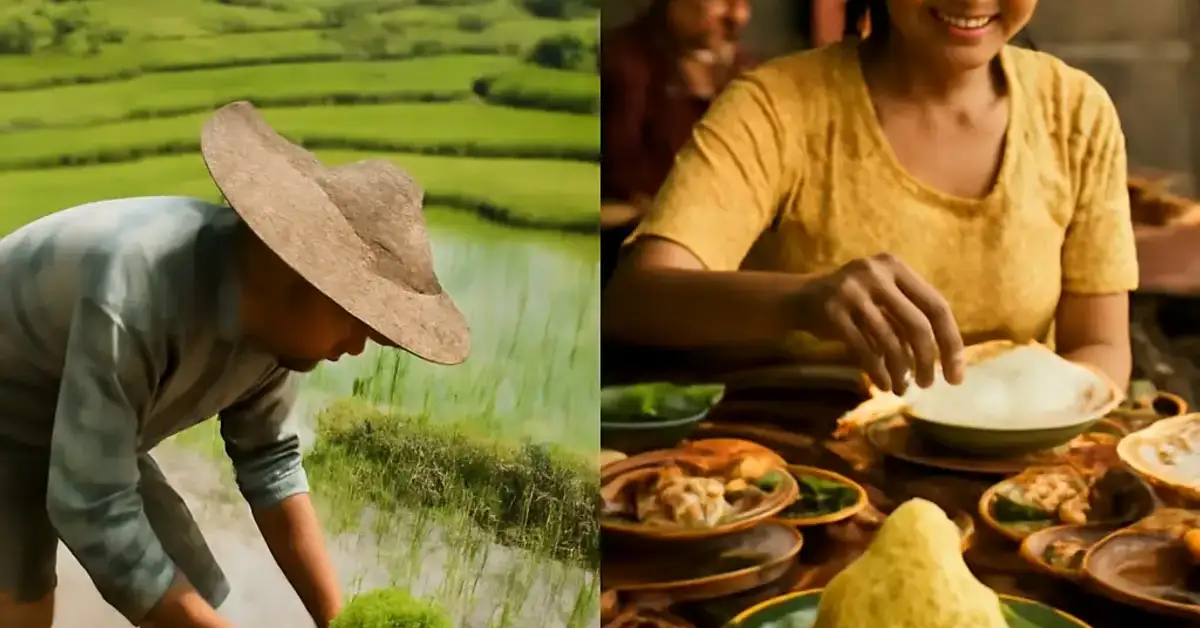
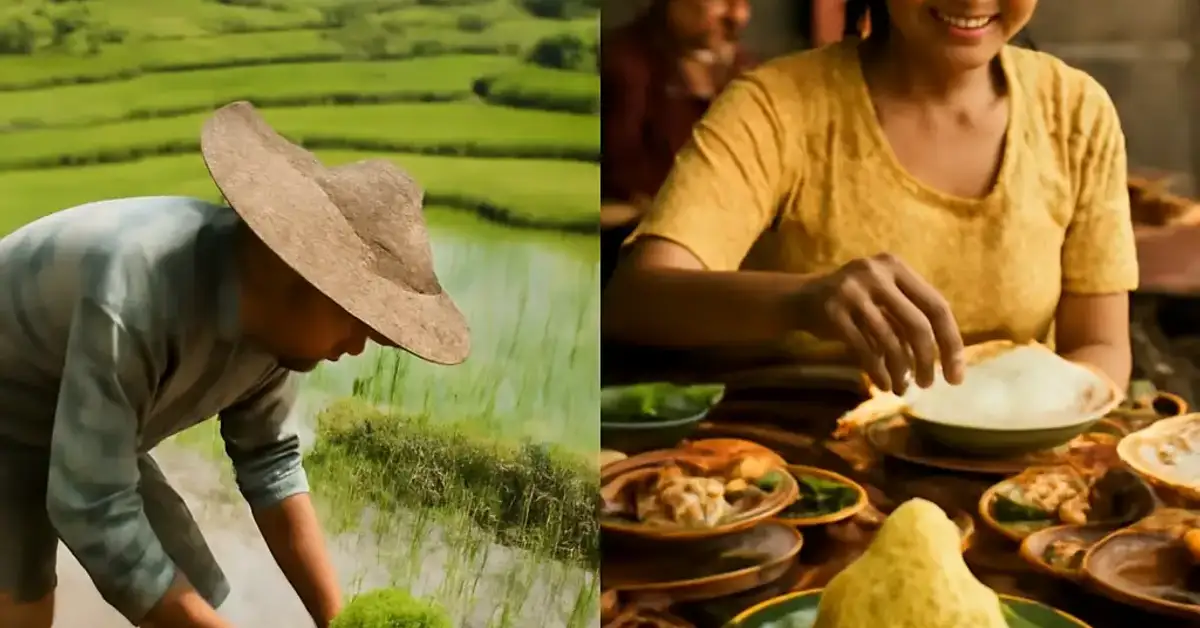
Rice farming has shaped the landscapes, economies, and calendars of both nations. In the Philippines, the Cordillera rice terraces are a UNESCO World Heritage Site — a testament to the ingenuity of indigenous farmers who carved mountainsides into productive fields. In Bali, the subak irrigation system reflects a spiritual partnership between humans, nature, and the gods. Understanding Rice Culture in Filipino and Balinese Dining begins with recognizing that rice is not just food. It is a legacy passed down through generations.
How Rice Farming Heritage Shapes Filipino and Balinese Food Culture
Agricultural heritage is not a museum piece. It lives in the way farmers still plant and harvest by hand, the way communities gather during planting season, and the way every grain is treated with respect. Filipino food culture and Balinese food culture are both rooted in the cycles of rice cultivation. The planting calendar determines festivals. The harvest determines celebrations. The quality of the rice determines the pride of the cook.
Traditional Meals and Regional Specialties
Traditional meals in both cultures highlight rice in its purest form. In the Philippines, rice varieties such as heirloom Ifugao red rice and sinandomeng are prized for their texture and aroma. These are served alongside sinigang, lechon, and adobo — dishes that gain depth when paired with the right grain. In Bali, fragrant bali rice — often steamed in banana leaves — accompanies sate lilit, bebek betutu, and lawar. The diversity of food traditions is vast, but the role of rice remains constant.
Rice as a Symbol of Prosperity and Community
In both cultures, rice is never just a carbohydrate. It is a symbol of life, abundance, and connection. During rice festivals, communities give thanks for the harvest. In the Philippines, the Pahiyas Festival in Lucban transforms houses into colorful displays of rice and vegetables. In Bali, the Odalan temple festivals feature offerings of rice cakes and flowers. These events are not tourist attractions — they are sincere expressions of gratitude and community dining.
Ceremonial and Religious Significance of Rice
Rice appears in every major life event. In Filipino weddings, rice is thrown for prosperity. In Balinese Hindu ceremonies, rice cultivation is intertwined with the concept of Tri Hita Karana — harmony between people, nature, and the divine. Offerings always include rice, and no ceremony begins without it. Cultural identity is reinforced through these rituals, passing values of generosity and respect from one generation to the next.
Sustainable Rice Cultivation Practices and Culinary Tourism
Modern travelers are increasingly drawn to experiences that connect them with the land. In both the Philippines and Bali, rice-centered dining experiences offer a window into sustainable farming. Visitors can walk the terraces of Batad or Jatiluwih, participate in planting, and taste dishes made from freshly harvested rice varieties. Culinary tourism is becoming a powerful tool for preserving agricultural heritage and supporting rural livelihoods. For a related guide, see How Filipino Cooking Traditions Thrive in Bali’s Culinary Scene: Essential Insights from Chef Juan Gadi.
Preserving Heritage Through Traditional Farming Methods
As younger generations move to cities, rice farming faces challenges. Yet there is a growing movement to preserve food heritage through sustainable practices. Organic farming cooperatives in both countries are revitalizing heirloom rice varieties, reducing water waste, and educating tourists. Understanding Rice Culture in Filipino and Balinese Dining in the 21st century means recognizing the delicate balance between tradition and change.
Communal Eating Practices Involving Rice
One of the most striking similarities between Filipino and Balinese dining is the emphasis on sharing. Community dining is not just efficient — it is an expression of trust and belonging. In the Philippines, the family eats from shared platters, rice in the center. In Bali, the megibung tradition involves groups sitting in a circle, sharing rice and dishes from a common plate. These practices reinforce social bonds and reflect the cultural identity of each place. For a related guide, see How Filipino Values Shape the Way People Share Food.
Hospitality and Rice-Centered Dining Experiences
In my work as a chef in Ubud, I have seen how hospitality and rice-centered dining experiences can bridge cultures. When I serve a Filipino kamayan feast — eating with hands on a table lined with banana leaves — my Balinese guests immediately see the similarity to their own nasi campur traditions. Rice creates a shared language. It tells stories of home, of family, of the farmer who grew it and the cook who prepared it.
Evolving Rice Traditions in Modern Society
Both the Philippines and Bali are adapting to changing tastes and lifestyles. Urbanization has led to busier schedules and fewer family meals. Yet rice traditions are resilient. Street food vendors in Manila still serve garlic fried rice with eggs and meat. Warungs in Bali still offer nasi goreng made to order. The form may evolve, but the centrality of rice endures. Understanding Rice Culture in Filipino and Balinese Dining means appreciating how tradition and innovation coexist on the same plate.
Cultural Exchange Through Shared Rice-Based Traditions
As travel and trade connect the Philippines and Bali more closely, cultural exchange through shared rice-based traditions is flourishing. Filipino chefs in Bali are introducing adobo rice bowls to Balinese menus. Balinese restaurants in Manila serve nasi campur to curious Filipinos. Each dish carries the story of its origin, and rice is the common thread that makes the exchange possible.
Useful Resources
For deeper insight into rice farming and cultural heritage, explore these credible sources:
- FAO Rice Knowledge Hub — Comprehensive information on global rice cultivation, sustainability, and food security.
- UNESCO: Ifugao Rice Terraces — Learn about the cultural heritage and farming traditions behind the Philippine rice terraces.
Conclusion: A Shared Grain, A Shared Story
Understanding Rice Culture in Filipino and Balinese Dining reveals something profound: despite the ocean between these two island nations, rice connects them at the most fundamental level. As a chef who has cooked in both worlds, I see every meal as an opportunity to honor that connection. Whether I am serving garlic fried rice at Kilig Filipino Warung or preparing a Balinese nasi campur for a private villa dinner, the ritual is the same. We gather. We share. We give thanks. And in that moment, rice culture is not just a topic — it is a living, breathing invitation to belong.
Frequently Asked Questions About Understanding Rice Culture in Filipino and Balinese Dining
Why is rice important in Filipino culture?
Rice is the foundation of Filipino dining, serving as the centerpiece of nearly every meal. It symbolizes abundance, family unity, and national identity.
How does rice influence Balinese dining traditions?
In Balinese dining, rice is sacred — it is used in offerings, ceremonies, and daily meals. The subak irrigation system reflects a deep spiritual connection to rice farming.
What role does rice play in daily meals?
Rice is eaten at every meal — breakfast, lunch, and dinner — and is often served alongside meat, vegetables, and sauces to create balanced traditional meals.
How do rice farming practices shape local communities?
Rice farming determines planting and harvest calendars, influences rice festivals, and provides livelihoods for millions of rural families.
What are the most popular rice dishes in the Philippines and Bali?
In the Philippines, garlic fried rice, sinangag, and suman are beloved. In Bali, nasi goreng, nasi campur, and ketupat are central to Balinese food culture.
Why is rice considered a symbol of prosperity?
A full bowl of rice represents abundance and security. In both cultures, offering rice to guests is a sign of hospitality and generosity.
How do festivals celebrate rice culture ?
Rice festivals like the Pahiyas Festival in the Philippines and Odalan in Bali include parades, offerings, and communal feasts that honor the harvest.
What are the differences between Filipino and Balinese rice traditions ?
Filipino traditions lean toward family-style meals with vinegar-based dishes, while Balinese traditions emphasize ceremonial offerings and shared platters like nasi campur.
How has rice cultivation influenced cultural identity ?
Rice cultivation is tied to ancestral knowledge, irrigation systems, and rituals that define both Filipino food culture and Balinese food culture.
What can travelers learn from rice-centered dining experiences?
Travelers gain insight into sustainable rice farming, local rice varieties, and the community dining traditions that foster connection and gratitude.
What are the most common rice varieties in the Philippines?
Popular rice varieties include sinandomeng, jasmine, Ifugao red rice, and dinorado — each with distinct texture and fragrance for different traditional meals.
What are the most common rice varieties in Bali?
Balinese farmers grow red rice, black rice, and white bali rice, often using traditional methods that preserve agricultural heritage and soil health.
How has modern tourism impacted rice farming ?
Culinary tourism has increased demand for authentic rice-centered dining experiences, providing income that helps preserve rice farming traditions.
Is rice always served plain in Filipino and Balinese meals?
No — rice is often fried with garlic (sinangag), cooked in coconut milk (nasi uduk), or steamed in palm leaves (ketupat) for special occasions.
What is the significance of community dining in both cultures?
Community dining reinforces social bonds, equality, and shared responsibility — values that are central to both Filipino and Balinese cultural identity.
How are younger generations preserving rice traditions ?
Young farmers and chefs are reviving heirloom rice varieties, sharing recipes on social media, and opening restaurants that celebrate food heritage.
What role does rice play in Philippine independence and identity?
Rice symbolizes self-sufficiency and resilience. The rice terraces are a national icon and a reminder of indigenous ingenuity.
What is the Balinese concept of Tri Hita Karana in relation to rice?
Tri Hita Karana teaches harmony among people, nature, and the divine. Rice cultivation in Bali is a tangible expression of this philosophy.
Can visitors participate in rice farming activities?
Yes — in both the Philippines and Bali, culinary tourism programs offer hands-on planting, harvesting, and cooking experiences.
What is the future of rice culture in both countries?
The future depends on sustainable practices, respect for agricultural heritage, and continued cultural exchange through food.
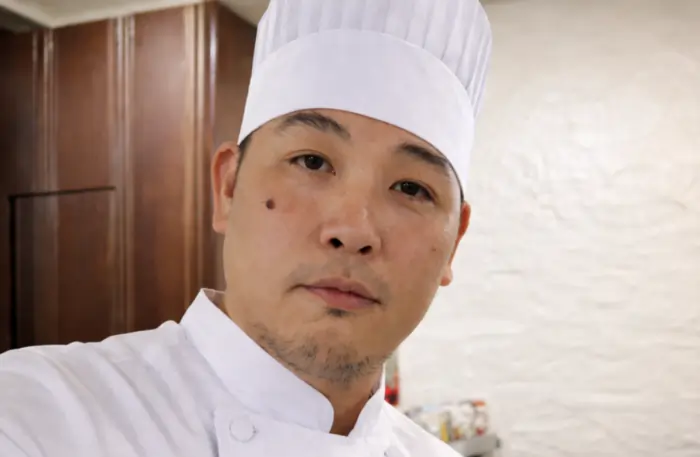
Chef Juan Gadi brings the heart of Filipino hospitality to Ubud, Bali. As an Executive Chef and consultant, he specializes in creating intimate, curated dining experiences that tell a story through every dish. Whether leading the kitchen at Kilig Filipino Warung or hosting a private villa dinner, Chef Juan’s approach is defined by warmth, modern technique, and a commitment to culinary excellence.