
Food Choices Shape the Identity of an Event Key Takeaways
Every dish served at an event speaks volumes about its purpose, its people, and its place.
- Food choices shape the identity of an event by establishing tone, cultural authenticity, and emotional engagement before guests take their first bite.
- Strategic menu selection creates memorable guest experiences, reinforces brand messaging, and differentiates luxury events from ordinary gatherings.
- Collaboration between chefs and planners ensures that every plate aligns with theme, venue, and guest expectations while enhancing overall event success.

The Role of Cuisine in Defining Event Atmosphere and Theme
Food choices shape the identity of an event from the moment guests walk in. The aroma of lemongrass and coconut milk can transport attendees to a tropical island, while the sight of perfectly charred wagyu on a Himalayan salt block signals refined luxury. Cuisine doesn’t just feed people — it sets the emotional temperature of the room.
Chef Juan Gadi, Executive Chef and consultant based in Ubud, Bali, understands this intimately. When he designs a private villa dinner, he considers the Balinese breeze, the sound of frogs in the rice paddies, and the visual of frangipani petals on a banana leaf. “The food must breathe the same air as the venue,” he says. “That’s how you create a cohesive world for the guest.”
How Atmosphere Connects to Menu Design
A black-tie gala demands a different menu design than a beachside wedding. The role of cuisine in defining event atmosphere and theme means that every ingredient, plate texture, and serving style must match the intended mood. Rustic wooden boards suit a farm-to-table dinner, while mirrored trays and geometric glassware elevate a modern corporate launch. Event planners must view the menu as a design element as critical as lighting and floral arrangements.
Why Menu Selection Creates Memorable Guest Experiences
The importance of menu selection in creating memorable guest experiences cannot be overstated. Guests may forget a keynote speaker’s exact words, but they remember the moment a perfectly seared scallop melts on their tongue. Memory is sensory, and food triggers powerful emotional recall.
Consider a wedding where the couple serves “personalized menus” that reflect their travel history: a Japanese-inspired amuse-bouche from their honeymoon in Kyoto, followed by a Filipino adobo that honors the bride’s heritage. This kind of event storytelling through food transforms a reception into a deeply personal journey. Chef Juan often works with couples to map their love story onto a tasting menu. “Each course becomes a chapter,” he explains. “Guests don’t just eat — they experience the narrative.” For a related guide, see How Culinary Experiences Enhance Destination Weddings.
The Power of Customization
The influence of dietary preferences and customization on event planning has grown dramatically. Today, hosts must accommodate gluten-free, vegan, halal, and keto diets without sacrificing creativity. Smart catering services now design base dishes that can be adapted for multiple needs while preserving visual unity on the plate. That flexibility shows guests that their comfort matters, reinforcing emotional engagement and loyalty.
How Cultural and Regional Dishes Influence Event Storytelling
How cultural and regional dishes influence event storytelling becomes especially clear in destination events. A wedding in Tuscany that serves homemade pappardelle with wild boar ragu tells a story of the land, its traditions, and the couple’s respect for place. Similarly, a corporate retreat in Bali that features a culinary experience built around locally sourced ingredients — like Chef Juan’s use of Balinese long pepper and coconut vinegar — communicates authenticity and care.
Cultural cuisine adds depth to event branding. When a brand hosts a product launch in Marrakech, serving lamb tagine in a traditional riel reinforces the message that the brand values heritage and craftsmanship. The food becomes a physical expression of the brand’s identity.
Local Ingredients and Authenticity
The importance of local ingredients in defining authenticity is a cornerstone of Chef Juan’s philosophy. He sources morning-glory greens from Ubud markets and snapper from local fishermen. “When you use what grows around you, the story writes itself,” he says. Destination events benefit tremendously from this approach — guests taste a sense of place that no imported ingredient can replicate.
The Connection Between Food Presentation and Event Branding
The connection between food presentation and event branding is often underestimated. In the age of Instagram, the visual impact of a dish can define an entire event’s online presence. Food presentation must align with the brand’s visual language: clean lines for a modern tech summit, vibrant chaos for a festival vibe, delicate minimalism for a wellness retreat.
Influence of social media aesthetics on event food presentation has pushed chefs to think like visual artists. Chef Juan creates dishes with color contrast and negative space in mind. “If a guest pauses to photograph their plate, that plate is already doing marketing for the event,” he notes. This synergy between food presentation and event branding creates a ripple effect: every shared image reinforces the event’s identity long after it ends.
How Luxury Events Use Food to Reflect Exclusivity and Identity
How luxury events use food to reflect exclusivity and identity goes beyond expensive ingredients. True luxury lies in scarcity, personalized service, and unexpected delights. A private dinner in a wine cave with a bespoke pairing menu by a celebrated chef communicates exclusivity more powerfully than caviar towers.
Luxury catering for high-end events often includes interactive elements: a live ceviche station where the chef prepares fish tableside, or a dessert course hidden inside a chocolate sphere that cracks open at the table. These experiential dining moments create a sense of wonder and privilege. Chef Juan specializes in designing such moments for villa events in Bali, where guests might discover a suckling pig being roasted in a traditional bamboo spit. “The theater of cooking becomes part of the memory, and #822r; he says.
Signature Dishes and Event Identity
The role of signature dishes in creating event identity is powerful. A single, iconic plate can become synonymous with the event itself — think of the cronut at a fashion launch or the miniature beef Wellington at a hedge fund retreat. Chef Juan developed a “Balinese Adobo” that combines local dark soy sauce, calamansi, and slow-braised pork belly. Guests who attend his dinners talk about that dish for months. Food identity becomes a calling card.
How Fusion Cuisine Reflects Modern and Globalized Event Identity
How fusion cuisine reflects modern and globalized event identity mirrors the way today’s events bring together diverse audiences. A destination wedding in Mexico might feature Korean-Mexican tacos, a nod to the groom’s Korean heritage and the couple’s shared love of street food. Fusion cuisine communicates openness, creativity, and a global sensibility.
Chef Juan’s Filipino heritage meets Balinese traditions in his cooking — he might serve chicken inasal with a sambal made from local bird’s eye chili. This blending of cultural cuisine and event food trends appeals to millennials and Gen Z travelers who value hybrid experiences. For corporate events, fusion menus signal that the brand is forward-thinking and inclusive.
The Importance of Sensory Experience in Shaping Event Memory
The importance of sensory experience in shaping event memory is why chefs obsess over temperature, texture, and sound. A crunchy tuile against a silky mousse. The hiss of a hot stone when juice hits it. The weight of a custom ceramic plate in a guest’s hands. These details build a multi-dimensional memory.
How shared meals strengthen emotional impact of events is another layer. When people eat together, they bond. Studies in neuroscience show that sharing food releases oxytocin, the trust hormone. Chef Juan designs family-style courses for villa dinners because “passing a bowl of adobo creates conversation. Plating individually does not.” This approach enhances guest experience and makes attendees feel connected to one another and to the event.
How Chefs and Planners Create Cohesive Dining Narratives
The role of chefs and planners in designing cohesive dining narratives requires deep collaboration. A wedding planner may envision a bohemian garden ceremony; the chef must then create a wedding catering menu that echoes that aesthetic through edible flowers, fresh herbs, and light, seasonal fare. A corporate event manager aiming for a “disruptive innovation” theme might work with the chef to serve deconstructed classics — like a deconstructed banh mi — that challenge expectations.
Chef Juan advises event planners to involve the chef during the early concept phase. “Bring me to the venue. Let me see the light at 6 p.m. Let me smell the garden. That’s how we create a menu that feels inevitable, not forced.” This early alignment ensures consistency between event theme and menu design.
Connection Between Venue, Ambiance, and Culinary Choices
The connection between venue, ambiance, and culinary choices is often the deciding factor in whether an event feels authentic or disjointed. A rooftop bar with skyline views calls for progressive small plates and craft cocktails. A rustic barn demands hearty comfort food served on stoneware. A sleek art gallery benefits from minimalist, architectural desserts that mimic the exhibits.
How food enhances cultural authenticity in destination events relies heavily on this connection. Chef Juan brings the Balinese concept of “sebun,” or harmony, into his kitchen. He matches the spice level of his sambal to the heat of the afternoon sun. He balances the sweetness of desserts with the humidity in the air. These micro-adjustments make a meal feel effortless and perfectly placed.
How Food Reinforces Emotional Engagement and Guest Connection
How food reinforces emotional engagement and guest connection is evident in the way certain dishes trigger nostalgia. A bite of lumpia can transport a Filipino guest back to their grandmother’s kitchen. A spoonful of matcha tiramisu can remind a couple of their first date at a Japanese cafe. Chefs who tap into these emotional touchpoints create moments of genuine connection.
Impact of curated menus on guest perception and satisfaction shows that intentional choices — like a welcome drink that changes color as you stir it — make guests feel that every detail was considered. This elevates the perceived value of the entire event. According to the hospitality industry, repeat attendance and positive word-of-mouth increase significantly when food is a highlight.
Culinary Experiences That Differentiate Premium Events
How culinary experiences differentiate premium events separates unforgettable gatherings from forgettable ones. A premium event does not just serve dinner; it curates a journey. Chef Juan’s private villa dinners often begin with a ceremonial welcome drink and end with a petit four box that guests take home — a final taste of the experience. This attention to the full arc of dining is what makes luxury events stand out.
The role of culinary style in communicating event mood and tone is clear when comparing a somber memorial dinner — which might feature muted colors, slow-cooked broths, and simple plating — with a vibrant product launch — which demands bold flavors, bright garnishes, and playful presentations. The chef acts as a translator of the event’s emotional brief into edible form.
Event Food Trends Shaping the Industry
Current event food trends include hyper-seasonal menus, zero-waste cooking, and interactive stations. Experiential dining — where guests participate in cooking or assembling their dishes — is growing rapidly in the hospitality industry. Chef Juan has incorporated a “DIY Sawsawan” station at his events, where guests mix their own dipping sauces from local ingredients. “It makes them part of the story,” he says. For a related guide, see 8 Catering Trends Shaping Modern Gatherings.
Useful Resources
For a deeper look into how chefs design event menus around seasonal and local ingredients, read the James Beard Foundation’s guide to seasonal cooking.
To learn more about the psychology of food and memory at events, explore research by the ScienceDirect library on food memory.
How Food Choices Influence Overall Event Success and Memorability
Ultimately, how food choices influence overall event success and memorability comes down to intention. When every dish is chosen with purpose — to tell a story, evoke a feeling, or honor a place — the event transcends mere hospitality. It becomes a landmark in guests’ lives. Chef Juan sums it up: “I don’t just cook for people. I cook memories.”
For event planners, wedding planners, hospitality professionals, and corporate event organizers, the lesson is clear: start with the guest experience you want to create, then build your menu around that vision. Invest in catering services that understand narrative. Prioritize personalized menus over generic packages. Source local ingredients to root the event in its location. And above all, trust your chef to translate your vision into flavor.
Frequently Asked Questions About Food Choices Shape the Identity of an Event
How do food choices shape event identity?
Food choices shape the identity of an event by establishing the tone, cultural context, and emotional atmosphere from the moment guests arrive. Every ingredient, plating style, and flavor combination communicates something about the host’s values, theme, and attention to detail.
Why is catering important for events?
Event catering is critical because it directly influences guest satisfaction, mood, and memory. Well-executed catering services reinforce the event’s theme and create shared moments that attendees remember long after the event ends.
How does menu design affect guest experience ?
Menu design affects guest experience by guiding the flow of the evening, accommodating dietary needs, and providing a sense of anticipation. A thoughtfully designed menu surprises and delights, turning a meal into a highlight of the event.
What role does food play in event branding ?
Food is a powerful tool for event branding because it embodies the brand’s identity through taste, presentation, and story. Consistent culinary choices reinforce the brand’s message and create a tangible experience that guests associate with the brand.
How do chefs create event themes through food?
Chefs create event themes through food by selecting ingredients, cooking techniques, and presentation styles that align with the event’s narrative. For example, Chef Juan Gadi uses Balinese spices and traditional cooking methods to bring a tropical destination theme to life in his private dinners.
Why is food important in weddings and corporate events?
Food is important in wedding catering and corporate events because it serves as a sensory anchor for the celebration. In weddings, food reflects the couple’s story; in corporate events, it communicates brand values and professionalism.
How does cuisine influence event atmosphere?
The role of cuisine in defining event atmosphere and theme is immediate — aromas, colors, and flavors set the mood. Light, fresh fare creates a relaxed vibe, while rich, complex dishes signal formality and indulgence.
What makes event dining memorable?
Memorable event dining combines exceptional taste, surprising presentations, and emotional resonance. When a dish connects to a guest’s personal history or the event’s story, it becomes unforgettable. The culinary experience must engage all senses.
How do cultural dishes impact event identity?
Cultural cuisine impacts event identity by grounding the gathering in a specific heritage or place. Serving regional dishes at destination events adds authenticity and educates guests about the local culture through flavor.
Why is food presentation important in events?
Food presentation is important because it creates the first impression of the dish and contributes to event branding. Beautifully presented food photographs well, encouraging social sharing, and signals that the host values quality and artistry.
How does personalization align food with event purpose?
The importance of personalization in aligning food with event purpose means tailoring the menu to the host’s story, the venue’s character, and the guests’ preferences. Personalized touches make guests feel seen and valued.
What is the role of signature dishes in events?
The role of signature dishes in creating event identity is to give guests a singular, iconic taste that defines the event. A well-crafted signature dish becomes a talking point and a lasting symbol of the gathering.
How do luxury events use food to show exclusivity?
Luxury events use food to show exclusivity through rare ingredients, personalized service, and theatrical presentations. Luxury catering focuses on limited availability and bespoke experiences that cannot be replicated elsewhere.
How does fusion cuisine reflect modern event identity?
How fusion cuisine reflects modern and globalized event identity is evident in events that combine flavors from multiple cultures to mirror a diverse, connected world. Fusion menus signal innovation and inclusivity.
What is experiential dining in events?
Experiential dining involves interactive food stations, live cooking, and multi-sensory presentations that engage guests beyond eating. It turns the meal into an activity and deepens the guest experience.
How do shared meals strengthen events?
How shared meals strengthen emotional impact of events relates to the social bonding that occurs when people eat together. Family-style service encourages conversation and creates a sense of community among guests.
How do dietary preferences affect event planning ?
The influence of dietary preferences and customization on event planning requires chefs to design flexible menus that accommodate allergies, ethical choices, and religious requirements without compromising on creativity or visual appeal.
Why is consistency between theme and menu important?
The importance of consistency between event theme and menu design ensures that every element of the event tells the same story. A mismatch breaks the illusion and reduces the impact of both the food and the overall experience.
How does food reinforce emotional engagement?
How food reinforces emotional engagement and guest connection happens when dishes trigger memories, create joy, or offer comfort. Chef Juan designs courses that evoke “the taste of home” for international guests, forging an emotional bond with the event.
How do local ingredients define authenticity?
The importance of local ingredients in defining authenticity is that they anchor the menu to its geographic setting. Using locally sourced produce and proteins at destination events conveys respect for the region and creates a genuine sense of place.
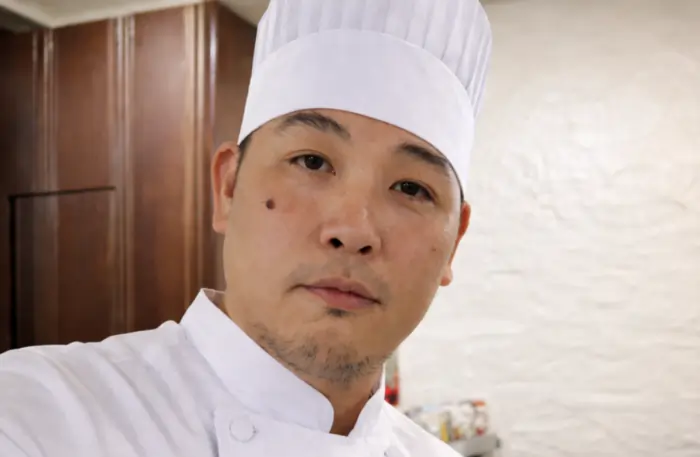
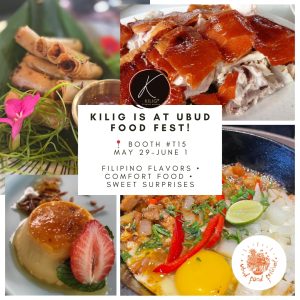
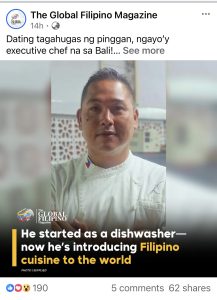
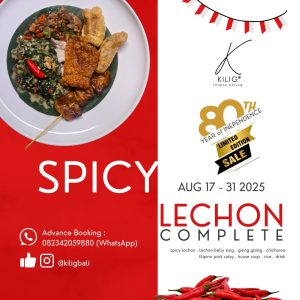
Chef Juan Gadi brings the heart of Filipino hospitality to Ubud, Bali. As an Executive Chef and consultant, he specializes in creating intimate, curated dining experiences that tell a story through every dish. Whether leading the kitchen at Kilig Filipino Warung or hosting a private villa dinner, Chef Juan’s approach is defined by warmth, modern technique, and a commitment to culinary excellence.