ole of Seasonal Ingredients in Event Dining Key Takeaways
The role of seasonal ingredients in event dining goes far beyond trendiness—it is the foundation of flavor, sustainability, and storytelling in modern catering.
- Seasonal ingredients elevate fresh ingredients , flavor, and visual presentation, directly impacting guest satisfaction in luxury events and private gatherings.
- Using locally sourced produce supports sustainable dining practices, reduces food miles, and strengthens the connection to place and culture.
- Chefs gain menu planning flexibility and cost efficiency, while guests enjoy authentic, creative culinary experiences that reflect the time and location of the event.
Why the Role of Seasonal Ingredients in Event Dining Matters More Than Ever
The role of seasonal ingredients in event dining has become a defining characteristic of premium event catering. As the hospitality industry evolves, clients no longer settle for generic menus copied from a catalogue. They expect dishes that feel alive, connected to the moment, and respectful of the environment. Whether you are planning a destination wedding in Ubud, a corporate gala in Napa Valley, or an intimate villa dinner, seasonality is the single most powerful tool a chef can use to elevate the experience. For a related guide, see 9 Proven Reasons Professional Catering Is Worth Considering for Your Event.
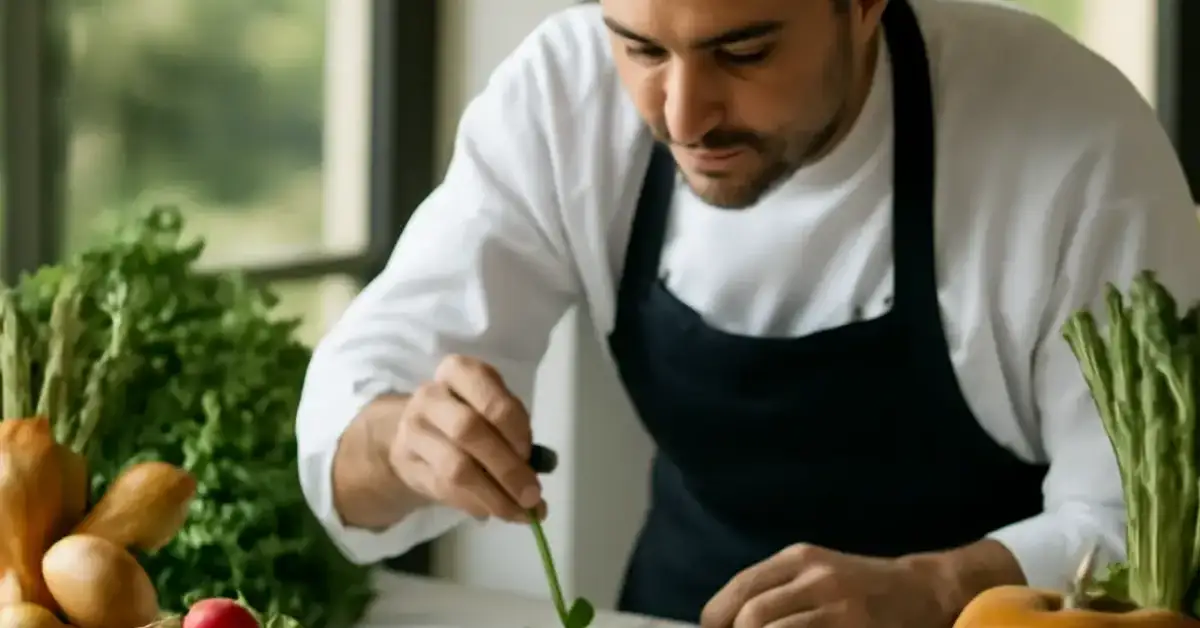
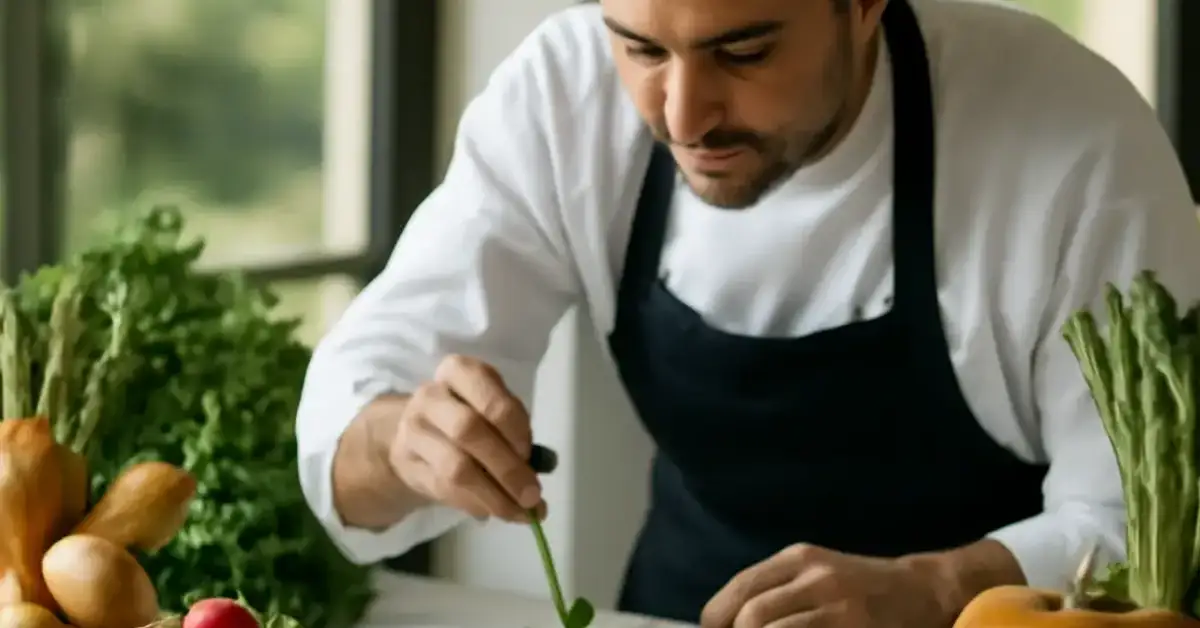
Chef Juan Gadi explains, “When I design a menu for a private gathering, I start not with recipes, but with the market. I ask: What is growing right now? What is at its peak? That question guides everything—from the flavor profile to the plating colours.” This mindset transforms culinary creativity from a vague concept into a practical, repeatable process.
How Seasonal Produce Improves Freshness, Flavor, and Presentation in Catered Events
The direct link between fresh ingredients and guest satisfaction is undeniable. Fruits and vegetables harvested at their peak contain higher sugar levels, brighter acidity, and more complex aromatic compounds. In a multi-course tasting menu, that difference becomes the cornerstone of every dish.
Flavor Intensity That Cannot Be Replicated
A tomato ripened on the vine under full sun tastes completely different from one picked green and gassed in a warehouse. The same principle applies to mangoes, strawberries, herbs, and even root vegetables. When you serve a salad of heirloom tomatoes at a summer wedding, you are not just feeding guests—you are giving them a taste of that specific season. This is the essence of seasonal cuisine.
Visual Presentation and Plating Aesthetics
Seasonality naturally brings a cohesive colour palette. A spring menu might feature tender green peas, white asparagus, and edible flowers; an autumn menu showcases deep oranges, burgundies, and browns. This alignment of food presentation with the season creates a visual harmony that guests instinctively appreciate. Chef Juan often plates on hand-thrown ceramics from local Balinese artisans, letting the vivid colours of local produce pop against the earthy backdrop.
Importance of Using Locally Sourced Ingredients for Sustainability and Authenticity
The importance of using locally sourced ingredients for sustainability and authenticity cannot be overstated. When you source from nearby farms, you reduce the carbon footprint of your event, support the regional economy, and, most importantly, guarantee ingredient quality. In Ubud, Chef Juan works directly with farmers who deliver just-picked herbs and vegetables the morning of an event. This direct relationship is the backbone of the farm to table movement.
Eco-Conscious Event Catering Is No Longer Optional
The growing demand for eco-conscious event catering is reshaping the industry. Couples, corporations, and even luxury brands now ask pointed questions about sourcing. A wedding caterer who can name the farm where the pork was raised or the village where the turmeric was grown gains immediate trust. Sustainable dining is not a niche—it is the new baseline for excellence.
Rooting Menus in Cultural and Regional Identity
Seasonal ingredients are the most honest expression of a place. A chef in Bali can highlight local snakefruit, lemongrass, and coconut cream in a way that would be impossible in London. By designing menus around what is naturally available, you move beyond generic “Asian fusion” labels and into authentic, grounded culinary experiences. This is how seasonal menus reflect cultural and regional identity. For a related guide, see How Culinary Experiences Enhance Destination Weddings.
How Seasonal Menus Enhance Culinary Creativity in Weddings and Private Gatherings
Far from being restrictive, seasonality fuels culinary creativity. When a chef knows that white peaches are only available for four weeks, they are inspired to build an entire dessert course around them. The scarcity creates intention. Chef Juan shares an example: during Bali’s rainy season, he features young jackfruit in both savoury and dessert applications, turning what could be a limitation into a signature dish that guests remember for years.
Connection Between Seasonal Availability and Menu Planning Flexibility
The connection between seasonal availability and menu planning flexibility is often misunderstood. Some event planners worry that seasonality will constrain their options. In reality, it offers the opposite effect. When you build a menu around what is abundant, you gain access to the best quality at the best price. You can swap ingredients with confidence, knowing that the replacement is equally special. This adaptability is the importance of adaptability in event catering based on ingredient availability.
Impact of Seasonality on Cost Efficiency and Ingredient Quality
The impact of seasonality on cost efficiency and ingredient quality is one of the most practical reasons to embrace this approach. Out-of-season produce must be shipped long distances, stored in controlled environments, and often treated with preservatives. All of these steps add to the cost without improving quality. Conversely, an in-season ingredient costs less and tastes better—a rare win-win in the hospitality industry.
| Factor | Out-of-Season Ingredient | In-Season Ingredient |
|---|---|---|
| Cost per kilogram | $8–12 (imported) | $3–5 (local) |
| Flavor intensity | Mild, often dull | Bold, peak ripeness |
| Carbon footprint | High (air freight) | Low (local transport) |
| Menu planning flexibility | Limited by availability | High — multiple substitutions possible |
How Chefs Design Event Menus Around Harvest Cycles and Regional Produce
Understanding how chefs design event menus around harvest cycles and regional produce reveals the craft behind every successful event. It begins long before the kitchen opens. Chef Juan keeps a running calendar of what is being harvested in the villages surrounding Ubud. He builds a “seasonal palette”—a list of ingredients that will be at their peak during the event date. This becomes the creative constraint that drives every decision.
Aligning Event Themes with Seasonal Flavors and Colors
The importance of aligning event themes with seasonal flavors and colors cannot be separated from the broader aesthetic. A winter wedding with a tropical fruit bar feels disjointed. But a winter menu featuring roasted root vegetables, slow-cooked meats, and dark chocolate desserts feels cohesive and comforting. Colour matching—orange pumpkins with copper tableware, green herbs with white linens—elevates the entire room.
Creating Memorable Sensory Dining Experiences Through Seasonality
The role of seasonal ingredients in creating memorable sensory dining experiences is about engaging all the senses. Taste is primary, but the aroma of grilled seasonal corn, the sound of a crisp apple being sliced tableside, and the tactile feel of a hand-thrown bowl all contribute to the memory. Chef Juan designs his tasting menus to tell a story of the season, moving from light, bright courses in the beginning to deep, rich flavours as the meal progresses.
How Freshness Influences Guest Satisfaction in Luxury Events
In luxury dining, every detail is scrutinised. The difference between a good event and an extraordinary one often comes down to how freshness influences guest satisfaction in luxury events. A fish that was swimming 24 hours before service, vegetables harvested that morning, and herbs picked minutes before plating—this level of freshness communicates care and exclusivity. Guests may not always articulate why a meal felt special, but they will remember that it did.
Integration of Farm-to-Table Concepts in Modern Event Catering
The integration of farm-to-table concepts in modern event catering goes beyond sourcing. It means creating a narrative that connects the diner to the origin of the food. Chef Juan often includes a small card on each place setting describing the farm and the farmer. This transparency builds trust and adds a layer of storytelling in culinary experiences that elevates the entire event.
Growing Demand for Eco-Conscious Event Catering and Its Impact on Menu Design
The growing demand for eco-conscious event catering is a direct response to broader consumer awareness. Millennials and Gen Z, who now make up a large portion of wedding and corporate event decision-makers, prioritise values as much as aesthetics. They want to know that their celebration does not harm the planet. Sustainable dining is no longer a checkbox—it is a core part of the brand promise for event caterers.
Balance Between Tradition and Innovation in Seasonal Menu Design
Finding the balance between tradition and innovation in seasonal menu design is where a chef’s skill truly shines. Traditional recipes provide comfort and familiarity, while modern techniques introduce surprise. Chef Juan’s signature dish—a kinilaw (Filipino ceviche) made with local tuna and a dressing of calamansi and coconut vinegar—pays homage to Filipino tradition while using purely Balinese seasonal ingredients. This fusion of cultures and techniques is the hallmark of his chef curated menus.
Role of Chefs in Sourcing and Curating Seasonal Products
The role of chefs in sourcing and curating seasonal products has expanded dramatically. Today, a chef must also be a forager, a networker, and a logistician. Building relationships with local farmers, visiting markets at dawn, and knowing exactly when a particular fruit will be ready for harvest are all part of the job. In Ubud, Chef Juan visits the local pasar (market) daily, building relationships that allow him to request specific varieties or quantities for an upcoming destination events.
How Seasonality Impacts Luxury and Destination Event Dining Experiences
How seasonality impacts luxury and destination event dining experiences is particularly relevant in a place like Bali. A luxury wedding in Ubud during the dry season (April to October) can make full use of tropical fruits, fresh seafood, and vibrant herbs. The same wedding in the wet season would need a different approach—hearty braises, warming spices, and comfort food that matches the rain outside. This sensitivity to influence of weather and climate on event food design is what separates exceptional caterers from average ones.
How Seasonal Dining Strengthens Connection to Nature and Place
At its core, how seasonal dining strengthens connection to nature and place is about grounding guests in the moment. A meal that reflects the season and the location creates an emotional anchor. Guests remember the way the cool sea breeze touched the table, the smell of grilled fish, and the taste of a perfectly ripe mango. That is the power of seasonality—it makes the meal inseparable from the memory of the event itself.
Useful Resources
For deeper insights into farm-to-table sourcing and seasonal menu planning, explore these authoritative resources:
- Chef’s Table Guide to Seasonal Menu Planning — A comprehensive resource for hospitality professionals on building menus around harvest cycles.
- Culinary Trends Network: Sustainable Catering in 2025 — Industry report covering eco-conscious event catering, local sourcing, and sustainability metrics.
Frequently Asked Questions About role of seasonal ingredients in event dining
Why are seasonal ingredients important in event dining?
Seasonal ingredients deliver peak flavor, superior freshness, and visual appeal, which directly enhances guest satisfaction and supports sustainable practices in event catering.
How do seasonal foods improve catering quality?
They provide higher nutritional value, more intense taste, and better texture, allowing chefs to create dishes that stand out without relying on heavy sauces or preservatives.
What are benefits of using local produce in events?
Local produce reduces carbon footprint, supports regional farmers, offers better cost efficiency, and ensures ingredients are at their peak freshness for the event.
How do chefs plan seasonal menus?
Chefs maintain harvest calendars, build relationships with local farms, and design menus around what is naturally abundant and ripe during the event date.
Why is farm to table important in catering?
Farm-to-table sourcing ensures traceability, freshness, and authenticity, allowing caterers to tell a compelling story about the origin of every ingredient.
How does seasonality affect food taste?
Produce harvested in its natural season contains higher sugar and acid levels, more complex aromatics, and better texture, resulting in superior taste.
What are examples of seasonal event menus?
Examples include spring menus with asparagus and peas, autumn menus featuring pumpkin and root vegetables, and tropical fruit-based summer menus in destination events.
How do seasonal ingredients support sustainability?
They require less energy for storage and transport, reduce food waste by leveraging abundance, and encourage biodiverse farming practices.
Why do luxury events use seasonal menus?
Luxury events prioritise exclusivity and quality; seasonal menus offer rare, peak-condition ingredients that cannot be replicated out of season, adding a sense of occasion.
How does seasonality influence event planning?
It affects the entire timeline—from sourcing and budget to menu design and theme—requiring planners to coordinate with chefs on availability well before the event date.
Can you have a seasonal menu for a winter wedding in Bali?
Yes, Bali’s wet season offers unique winter ingredients like young jackfruit, turmeric, and cacao; chefs adapt by creating heartier, spiced dishes that suit the rainy atmosphere.
How do chefs handle last-minute ingredient shortages?
Experienced chefs maintain a network of backup farms and producers, and design menus with flexible components that allow for quick substitutions without compromising quality.
What is the cost difference between seasonal and out-of-season ingredients?
Seasonal ingredients are typically 30–50% cheaper because they are abundant locally, while out-of-season items incur import, storage, and handling premiums.
How do you communicate the value of seasonal menus to clients?
Share the story behind each ingredient—the farm, the farmer, the harvest date—and offer a tasting demo that highlights the flavor difference between seasonal and non-seasonal options.
What role do herbs play in seasonal event dining?
Fresh herbs like basil, mint, and lemongrass are at their most aromatic in season; they add brightness to dishes and can be used as garnishes to enhance visual appeal.
How does seasonal dining connect to cultural identity?
Every region has traditional dishes tied to harvest cycles; using local seasonal ingredients preserves culinary heritage and gives guests an authentic taste of the location.
What are common mistakes with seasonal menu planning?
Common mistakes include assuming all ingredients are available year-round, failing to confirm harvest dates, and not having a backup plan for weather-related crop failures.
Can seasonal menus cater to dietary restrictions?
Absolutely—seasonal vegetables, fruits, and proteins naturally accommodate vegan, gluten-free, and other dietary needs without compromising on creativity or flavor.
How do you balance tradition and innovation in a seasonal menu?
Use traditional cooking techniques for the base and add modern touches—like a foam, gel, or shock—using the same seasonal ingredient to create a familiar yet surprising dish.
What is the future of seasonal event dining?
The future includes hyper-local sourcing, AI-driven harvest prediction, and deeper collaboration between chefs and regenerative farms, making seasonality the standard for all events.
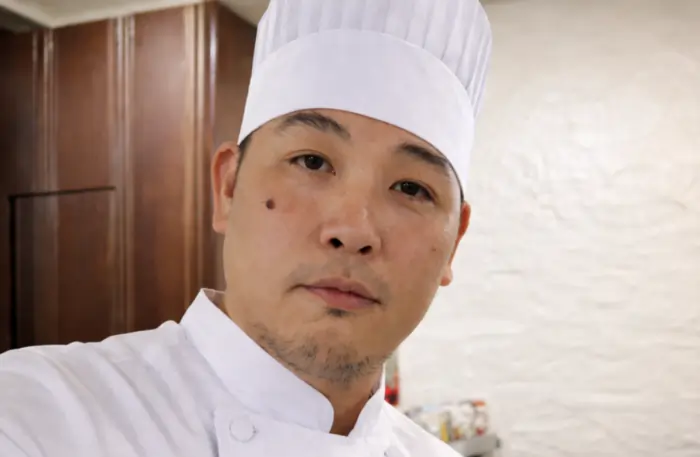
Chef Juan Gadi brings the heart of Filipino hospitality to Ubud, Bali. As an Executive Chef and consultant, he specializes in creating intimate, curated dining experiences that tell a story through every dish. Whether leading the kitchen at Kilig Filipino Warung or hosting a private villa dinner, Chef Juan’s approach is defined by warmth, modern technique, and a commitment to culinary excellence.