Demographic Shifts Influence Investment Key Takeaways
Bali’s event scene is undergoing a remarkable culinary transformation, where traditional hospitality meets modern guest expectations.
- The 10 food trends influencing Bali events and celebrations now prioritize farm-to-table sourcing and interactive live cooking stations over conventional banquet formats.
- Luxury grazing tables, plant-based menus, and craft cocktail pairings have become essential for creating Instagram-worthy moments at destination weddings and private events.
- Chef-led private dining and wellness-focused cuisine are redefining what it means to host an unforgettable celebration on the Island of the Gods.
What Is Driving the Evolution of Culinary Experiences in Bali’s Event Industry?
The island’s event landscape is shifting from static, one-size-fits-all catering toward dynamic, guest-centric dining. Couples planning destination weddings Bali and luxury event hosts now seek experiences that reflect their values, from ingredient provenance to visual storytelling. Three core forces are accelerating this change: the democratization of global travel (bringing diverse palates), the rise of conscious consumerism, and the undeniable influence of visual platforms like Instagram where every dish must earn its place in the feed.
From intimate villa gatherings to grand resort celebrations, the modern guest expects more than a full belly — they expect a narrative. The evolution of culinary experiences in Bali’s event industry parallels a broader global movement where food is no longer a supporting act but a headline performer. Demographic Shifts Influence Investment in high-end culinary talent, premium local sourcing, and bespoke menu design across the island’s hospitality sector.
Why Personalized and Customizable Event Menus Are Now Essential
Understanding the Demand for Personalization
Today’s event attendees are not passive diners. They want to make choices, express preferences, and feel uniquely catered to. This is why the growing demand for personalized and customizable event menus has become a cornerstone of contemporary event catering in Bali. Whether it is a choice of protein, spice level, or dietary accommodation, offering flexibility signals respect for the individual guest. For a related guide, see The Growing Demand for Personalized Event Menus in Bali.
Practical Steps for Event Planners
For event planning professionals, personalization means developing modular menus or pre-event questionnaires that capture allergies, flavor preferences, and cultural requirements. One effective approach is to offer a base menu with three to five customizable components, allowing guests to build their ideal plate without overwhelming kitchen logistics. This trend particularly shines at destination weddings Bali, where couples can present their love story through a tasting menu that reflects their shared food memories.
Common Mistakes to Avoid
Avoid offering too many options, which leads to waste and kitchen chaos. Instead, curate a tight selection of high-quality, interchangeable elements that feel intentional. Also, remember that personalization extends to beverage pairings — a craft mocktail or a local Balinese coffee can be as meaningful as a wine pairing.
The Rise of Farm-to-Table Dining and Locally Sourced Ingredients
Farm to table dining has moved from a niche concept to a non-negotiable standard for premium event catering in Bali. The island’s volcanic soil and tropical climate produce an extraordinary bounty: heirloom tomatoes from Bedugul, organic greens from Ubud, sustainable seafood from the northern coasts, and rare spices like long pepper and vanilla. Chefs increasingly build entire celebration menus around what is ripe and abundant that week. This approach dramatically improves flavor — a vine-ripened tomato tastes nothing like its jet-lagged counterpart — and tells a powerful story of place and season.
Guests want to know where their food comes from. They want to see the farmer’s name on the menu or hear the chef describe the journey of a particular mango. This transparency builds trust and elevates the dining experience from mere consumption to connection. Local ingredients sourced directly from Balinese farmers also support the local economy and reduce the carbon footprint of events — a major selling point for eco-conscious couples and corporate brands alike.
For wedding coordinators and hospitality trends experts, incorporating a farm visit or ingredient tasting into the pre-event itinerary adds another layer of experiential depth. This trend answers the question: how does farm-to-table dining influence event catering? It influences every decision, from menu writing to portion planning to the story the host tells their guests.
Interactive Food Stations and Live Cooking Experiences
Static buffet lines are giving way to theatrical, multi-sensory encounters. The rise of interactive food stations and live cooking experiences has transformed how guests engage with food at events. These stations range from a charcoal-fired grill station where a chef sears fresh catch in front of guests, to a mobile ceviche bar where the citrus “cooks” the fish to order, to a dessert station featuring liquid nitrogen ice cream prepared in seconds. The key is engagement: guests become participants, not just recipients.
Interactive food stations offer numerous advantages for event hosts. They create natural social hubs where strangers mingle over shared curiosity. They allow guests to customize their portions and ingredients, reducing waste. And they provide incredible photo and video moments that amplify the event’s reach on social media. For luxury dining events, a dedicated chef who explains techniques and ingredients adds a layer of education and performance that a quiet buffet cannot match.
What are interactive food stations at events? They are curated culinary experiences where guests actively choose, assemble, or watch their dishes being prepared. Examples include taco bars, pasta-making tables, sushi rolling stations, and carving stations with whole roasted specialties. The trend also covers high-end “kitchen tables” where a chef cooks a multi-course meal directly in front of a small group, blurring the line between restaurant and event.
Fusion Cuisine: Blending Balinese Flavors with International Styles
Bali’s food scene has always been a melting pot, but the current wave of fusion cuisine blending Balinese flavors with international culinary styles is particularly exciting. A chef might serve a classic French bouillabaisse infused with lemongrass and galangal, or a wood-fired pizza topped with smoked duck and sambal matah. This cross-cultural creativity honors local traditions while satisfying global palates.
For culinary experiences at events, fusion allows couples to represent their own cultural heritage alongside Balinese hospitality. A Filipino-Balinese wedding, for instance, might feature adobo spring rolls alongside lawar. A couple from Italy might request a pasta course using local heirloom grain with a Balinese tomato sugo. This flexibility is a major draw for destination weddings Bali where international guests gather.
From an event planning perspective, fusion menus require a chef who deeply understands both traditions. It is not about random combinations but intentional, respectful bridges between cuisines. The best fusion tells a story of connection, migration, and shared appreciation for flavor. This answers the question: what food trends are shaping Bali events? One definitive answer is the island’s unique ability to act as a culinary crossroads.
Why Are Sustainable and Eco-Conscious Catering Practices Growing in Popularity?
The increasing popularity of sustainable and eco-conscious catering practices is not a passing fad — it is a fundamental shift in guest expectations. Modern travelers, especially those attending weddings and celebrations, are acutely aware of the environmental impact of large-scale dining. They want their celebration to be memorable, not wasteful. Sustainable practices in event catering encompass everything from biodegradable serving ware and zero-waste kitchen protocols to sourcing from regenerative farms and composting all organic waste.
For sustainable catering to be authentic, it must be visible. Guests appreciate seeing a composting station, hearing about the chef’s relationship with local fishing communities, or dining at a venue powered by solar energy. These details reinforce the host’s values and contribute to a genuine sense of purpose. Bali’s leading resort and villa event spaces have embraced this, eliminating single-use plastics and offering carbon-neutral menu options.
Why are sustainable catering practices growing in popularity? Because guests are voting with their wallets and their attendance. A celebration that aligns with their environmental ethics feels more meaningful. For corporate events and luxury brand launches, sustainability also signals sophistication and forward-thinking leadership. This trend intersects directly with Demographic Shifts Influence Investment, as younger, eco-conscious demographics allocate larger budgets to ethical hospitality.
Plant-Based and Health-Focused Menu Options for Modern Guests
The notion that a plant-based menu is dull or restrictive has been firmly retired. The plant-based and health-focused menu options for modern guests trend is rewriting the rules of celebration dining. Bali, with its abundance of tropical produce and strong wellness culture, is perfectly positioned to lead this movement. Dishes like jackfruit rendang, cashew cheese platters, and sea-plant salads elevate plant-forward eating to an art form.
Food experiences centered on health and wellness appeal to a growing segment of travelers who prioritize vitality without sacrificing indulgence. These menus often incorporate functional ingredients such as turmeric, moringa, ginger, and coconut. For event hosts, offering robust plant-based options is no longer optional — it is an expectation for dietary inclusivity including vegan, vegetarian, and gluten-free options.
Creating a plant-forward menu that excites all guests requires creativity. A chef might replace butter with coconut oil in pastries, or use fermented vegetable sauces to add umami depth without meat. The goal is to make the plant-based dish the most talked-about plate of the evening, not a compromise. This approach ensures that health-conscious guests feel celebrated, not sidelined.
The Art of Luxury Grazing Tables and Visually Curated Food Presentations
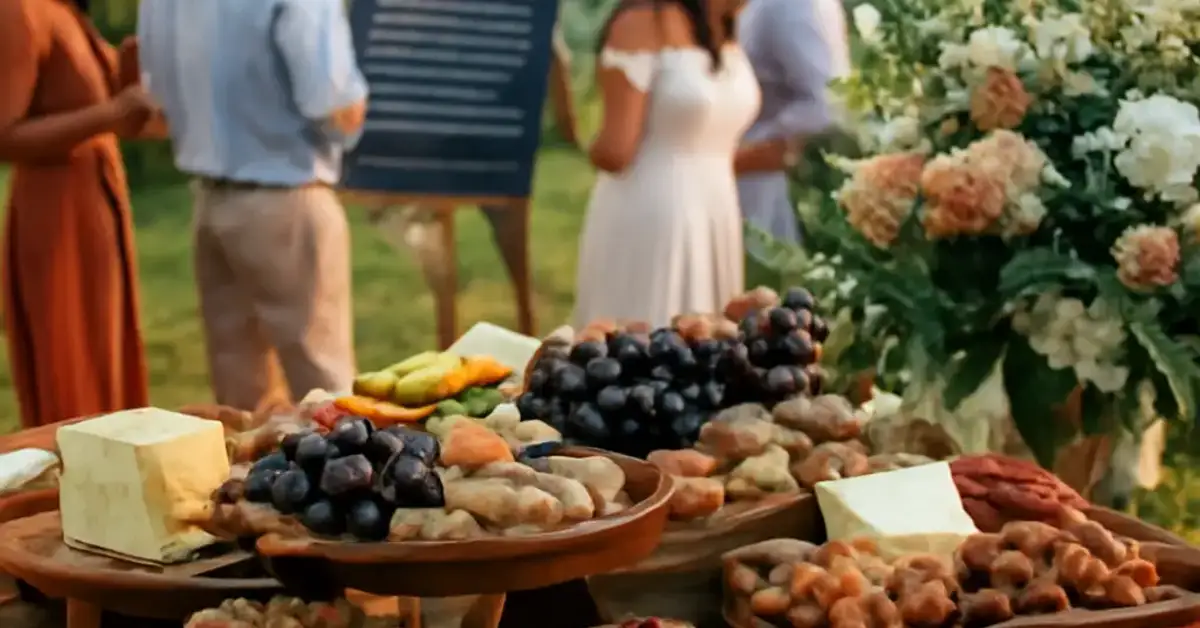
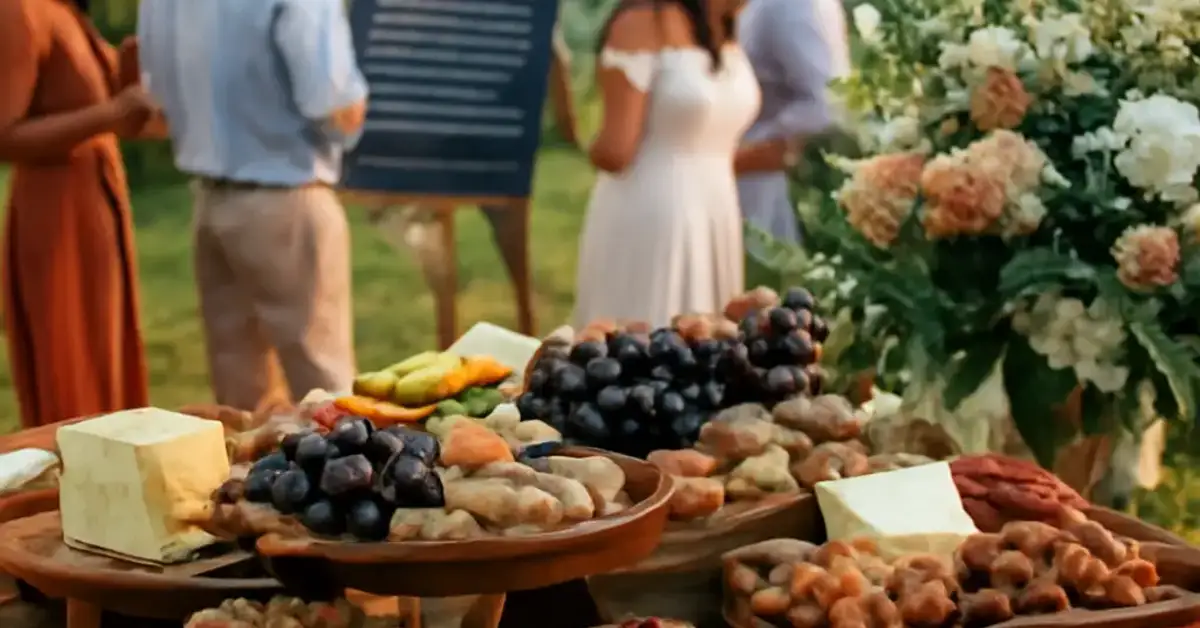
Luxury grazing tables and visually curated food presentations have become the single most photographed element of modern celebrations. Gone are the days of a sad cheese platter. Today, a luxury dining grazing table is a curated landscape of artisanal cheeses, cured meats, seasonal fruits, edible flowers, local crackers, and house-made dips, arranged with the precision of a still-life painting. This trend directly feeds the insatiable appetite of social media, where every table must earn its scroll-stopping moment.
Food presentation is now a primary consideration in event planning. The visual appeal of a grazing table communicates abundance, attention to detail, and generosity. For Bali celebrations, these tables often incorporate tropical elements like dragon fruit, rambutan, and palm sugar treats, creating a sense of place that imported decorations cannot achieve. They also serve a practical function: guests can graze at their own pace, creating a relaxed social atmosphere.
How does social media influence event food presentation? Directly. Event designers now consult with photographers before finalizing the layout of a grazing table. Lighting, height variations, and color contrast are considered. The food must be as beautiful as the floral arrangement beside it. This marriage of culinary and visual artistry elevates gourmet catering to a form of event design.
Experiential Dining as a Centerpiece of Weddings and Private Events
The most impactful trend of the decade is the ascendance of experiential dining as a centerpiece of weddings and private events. Couples are allocating larger portions of their budget to the food and drink experience, often skipping traditional DJs or elaborate floral installations in favor of a chef-led dinner that lasts four or five courses. For private dining, the event is the meal, and the meal is the event.
This shift manifests in several forms. A destination wedding might feature a multi-course degustation under a canopy of stars in a Ubud jungle villa. A corporate brand launch could incorporate a cocktail journey through Bali’s spice history. The common thread is intention: every course is designed to evoke emotion, conversation, and memory. As a chef with deep roots in Filipino hospitality now working in Ubud, I see this as the natural evolution of celebration: moving from performance to presence.
Why are private dining experiences trending in Bali? Because Bali offers uniquely atmospheric venues — cliff tops, rice terraces, private river villas — that cry out for intimate, curated food experiences. Guests want to feel the breeze, hear the frogs, and taste the chef’s personal story. Chef-led private dining experiences in Bali villas and resorts offer a level of connection and authenticity that a hotel ballroom cannot replicate.
Emphasis on Seasonal Ingredients for Freshness and Authenticity
The emphasis on seasonal ingredients for freshness and authenticity is the bedrock of all great cooking, and it is now a defining expectation for high-end Bali events. A menu that pretends all ingredients are available year-round feels generic and disconnected. The modern guest can taste the difference between a forced hot-house tomato and a sun-ripened one. Seasonal ingredients bring honesty and vibrancy to every dish.
For event catering professionals, embracing seasonality means constant menu evolution. A wedding in April may feature papaya and mango, while an August event might celebrate mangosteen and durian. This fluidity challenges kitchens to stay creative, but it rewards guests with dishes that represent peak flavor. It also aligns with sustainable catering goals — seasonal foods travel shorter distances and require fewer resources.
How do seasonal ingredients improve event dining experiences? They add a layer of exclusivity and timeliness. When a chef announces that the main course features wild mushrooms foraged that morning from the slopes of Mount Agung, the table leans in. Seasonality creates a sense of “you had to be there” — and that is exactly the feeling a memorable celebration should cultivate.
Demand for Culturally Inspired Menus That Reflect Local Traditions
Globalization has not erased the appetite for authenticity; it has intensified it. The demand for culturally inspired menus that reflect local traditions has grown as travelers seek deeper connections with the places they visit. For Bali celebrations, this means weaving Indonesian and specifically Balinese culinary heritage into the event narrative — whether through a ceremonial lawar and babi guling station, or a traditional offering table of sweets and fruit.
Culinary experiences that honor local traditions resonate powerfully with international guests. They provide a respectful, educational window into the host culture. For Balinese couples, it reinforces their heritage. For international couples marrying in Bali, it expresses gratitude and deference to the island that hosts their celebration. Wedding catering that includes a blessing from a local priest or the inclusion of banten (offerings) in the menu design elevates the event from transactional to transformational.
This trend answers the question: how do local traditions influence event menus? They become the soul of the menu. A chef must study the region’s spice routes, cooking techniques, and ceremonial foods to execute this trend with sincerity. The result is a meal that feeds more than the stomach — it feeds understanding.
Premium Beverage Pairings and Craft Cocktail Experiences
The days of serving a generic wine with dinner are over. Premium beverage pairings and craft cocktail experiences are now a critical component of luxury dining at events. Mixologists create signature cocktails that incorporate Balinese ingredients like pandan, butterfly pea flower, and locally distilled arak. Sommeliers curate wine lists that showcase both Old World classics and exciting Southeast Asian producers.
For event planning, the beverage program should mirror the food program in creativity and intention. A welcome cocktail that changes color as guests interact with it offers a playful start. A digestif made from local palm sugar and aged coconut vinegar provides a complex finish. These details transform a simple drink into a talking point and a photo opportunity.
Non-alcoholic pairings are equally important. Craft kombuchas, turmeric tonics, and herb-infused sodas ensure every guest experiences the same level of sophistication. The trend toward premium beverage pairings reflects the broader movement toward broader inclusivity and personalized celebration design. What culinary trends are expected to shape future celebrations in Bali? The beverage category will only deepen, with more zero-waste cocktails and locally fermented concoctions becoming signatures of Balinese hospitality trends.
Useful Resources
For further reading on sustainable event dining and Balinese ingredients, explore these trusted sources:
- Learn about seasonal produce sourcing from Bali Foods
- Discover global luxury hospitality trends from Luxury Lifestyle Awards
Frequently Asked Questions About 10 food trends influencing Bali events and celebrations
What food trends are shaping Bali events ?
The major trends include farm-to-table dining, interactive food stations, plant-based menus, luxury grazing tables, fusion cuisine, sustainable catering, personalized menus, experiential private dining, seasonal ingredient focus, and culturally inspired dishes that reflect Balinese traditions.
Why are personalized menus popular in Bali celebrations ?
Personalized menus allow guests to feel individually valued through their dietary choices and preferences. They enhance guest satisfaction, reduce food waste, and enable hosts to tell their unique story through food, which is especially important for destination weddings where diverse palates gather.
How does farm-to-table dining influence event catering ?
Farm-to-table dining shifts the menu from what is available from a broadline distributor to what is fresh and local. It improves flavor, supports Balinese farmers, reduces carbon footprint, and adds a compelling narrative that guests connect with. It also demands flexibility and seasonality in menu planning.
What are interactive food stations at events?
Interactive food stations are live culinary experiences where guests watch, choose, or participate in the preparation of their dishes. Examples include ceviche bars, wood-fired grill stations, pasta-making tables, and dessert stations with customizable toppings. They create social hubs and memorable photo moments.
Why are sustainable catering practices growing in popularity?
Guests increasingly expect their celebrations to align with environmental ethics. Sustainable catering reduces waste, supports local ecosystems, and signals sophistication. Practices include zero-waste kitchens, biodegradable service items, composting, and sourcing from regenerative farms. It is a core value for eco-conscious event attendees.
How do seasonal ingredients improve event dining experiences?
Seasonal ingredients offer peak flavor, freshness, and exclusivity. They allow chefs to create dishes that feel of the moment and unique to the location. Guests can taste the difference between a forced ingredient and one harvested at its prime, making the meal feel more authentic and intentional.
What food options are popular for Bali destination weddings?
Popular options include multi-course degustation menus featuring Indonesian fusion, live cooking stations with seafood and Balinese spices, luxury grazing tables with tropical produce, and personalized tasting menus that accommodate dietary requirements. Chef-led private dinners in villas are especially sought after.
How does social media influence event food presentation ?
Social media has elevated food to a visual centerpiece of event design. Plates and grazing tables are now styled with lighting, color, and composition in mind. Dishes must be camera-ready to generate organic promotion for the event and the venue. This has blurred the line between culinary arts and event decor.
Why are private dining experiences trending in Bali?
Private dining offers intimacy, exclusivity, and a personal connection with the chef. Bali’s stunning villas, rice terraces, and cliffside locations provide perfect backdrops for such experiences. Guests value the unhurried, curated nature of a private dinner that feels like a personal invitation rather than a mass event.
What culinary trends are expected to shape future celebrations in Bali?
Future trends will likely include deeper integration of technology for personalized menus, hyper-localized ingredient sourcing, zero-waste fine dining, and even more emphasis on health-conscious and functional foods. The role of the chef as a storyteller and brand ambassador will continue to grow.
How can event planners incorporate Balinese flavors into fusion menus?
Event planners should work with chefs who understand both the science of international cuisine and the soul of Balinese cooking. Key ingredients like sambal, lemongrass, local honey, and tropical fruits can be woven into familiar formats like tacos, pastas, or roasted dishes, creating respectful and delicious bridges between cultures.
What is a luxury grazing table, and how is it different from a regular buffet?
A luxury grazing table is a carefully curated, visually stunning arrangement of artisanal cheeses, cured meats, fruits, edible flowers, and other premium items. It is designed as a social and photographic centerpiece, unlike a traditional buffet which prioritizes volume over aesthetics and guest interaction.
Are plant-based menus satisfying for all guests at events?
Yes, if executed with creativity and quality ingredients. Plant-based menus should incorporate umami depth through ingredients like mushrooms, fermented sauces, and nuts. When the plant-based dish is the most innovative and delicious item on the menu, it satisfies everyone, regardless of their dietary preference.
How important is beverage pairing in modern event catering ?
Very important. Beverage pairings now match the complexity and creativity of the food menu. Guests expect craft cocktails, curated wines, and sophisticated non-alcoholic options that reflect local ingredients. A well-paired beverage elevates the entire dining experience and creates memorable flavor combinations.
What does culturally inspired menu development involve?
It involves researching regional cooking techniques, traditional ceremonies, and local ingredient histories. The menu should respect and honor the source culture while being approachable to international guests. It often includes a storytelling component, such as explaining the significance of a dish through the menu or a chef’s introduction.
How can event planners reduce food waste with current trends?
By embracing modular menus that allow guests to customize portions, using nose-to-tail and root-to-stem cooking, composting organic waste, and tracking consumption patterns from past events. Seasonal menus also align with abundance cycles, reducing the need for long-haul imports that often result in spoilage.
What is experiential dining in the context of a wedding?
Experiential dining transforms the meal from a passive service into an active, multi-sensory journey. It might include a chef explaining each course’s inspiration, a curated soundtrack paired with each dish, or a location that changes between courses. The goal is to create lasting memories that guests carry home.
Why are destination weddings in Bali investing more in food experiences ?
Because couples recognize that food is the most memorable and shareable element of their celebration. In a competitive market, a remarkable culinary experience differentiates a wedding and provides immense emotional and social value. Guests remember a great meal long after other details fade.
How does Chef Juan Gadi’s approach reflect these trends?
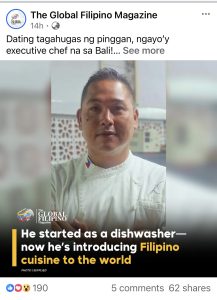
Chef Juan Gadi brings the heart of Filipino hospitality to Ubud by blending modern technique with deep respect for local ingredients and storytelling. His curated dining experiences prioritize intimacy, personalization, and the emotional connection between chef and guest — perfectly aligning with every trend outlined above. Whether through traditional warung dishes or private villa dinners, his work exemplifies how food can transform a celebration.
What is the most impactful trend for intimate events versus large celebrations?
For intimate events, chef-led private dining and personalized tasting menus have the greatest impact, offering exclusivity and deep connection. For larger celebrations, interactive food stations and luxury grazing tables create energy and social interaction. The choice depends on the desired guest experience, but both trends prioritize quality and engagement over volume. For a related guide, see Why Modern Celebrations Prioritize Experiences Over Formality.
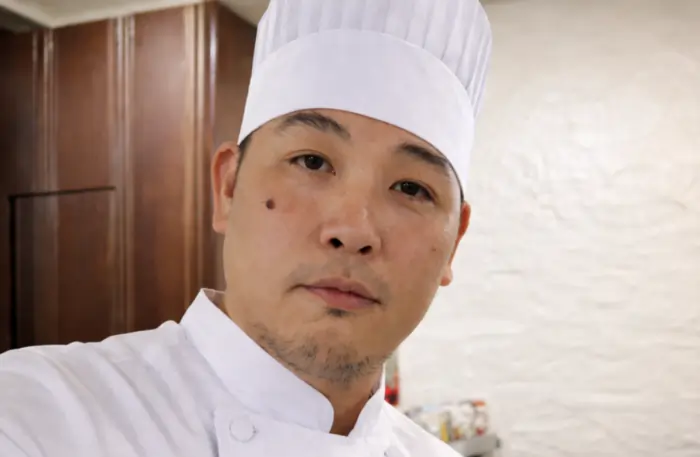
Chef Juan Gadi brings the heart of Filipino hospitality to Ubud, Bali. As an Executive Chef and consultant, he specializes in creating intimate, curated dining experiences that tell a story through every dish. Whether leading the kitchen at Kilig Filipino Warung or hosting a private villa dinner, Chef Juan’s approach is defined by warmth, modern technique, and a commitment to culinary excellence.