
Ways Food Can Transform an Event Atmosphere Key Takeaways
In the world of event catering , the dining experience has evolved from a simple meal into a central component of guest engagement and storytelling.
- Curated menus and strategic food placement directly influence the mood, tone, and flow of celebrations.
- Interactive and shared dining experiences encourage natural guest engagement and strengthen social bonds.
- Local ingredients, seasonal ingredients , and authentic flavors elevate guest perception and create powerful emotional connections.

Understanding How Ways Food Can Transform an Event Atmosphere in Modern Event Planning
In the world of event catering, the dining experience has evolved from a simple meal into a central component of guest engagement and storytelling. Whether you are organizing a corporate gala, a destination wedding in Bali, or an intimate villa dinner, the choices you make around food directly shape the event atmosphere. According to Chef Juan Gadi, who brings the heart of Filipino hospitality to Ubud, “every dish should tell a story — the aroma, the texture, and the visual presentation all work together to set the emotional temperature of the room.” For a related guide, see How Food Choices Shape the Identity of an Event.
The Role of Food in Shaping Guest Experiences and Event Memories
Role of food in shaping guest experiences begins long before the first bite. When guests walk into a venue, the visual cues of a beautifully arranged buffet, the scent of freshly grilled seafood, or the sight of a live cooking station immediately signal the quality and intention of the event. These sensory clues prime attendees for the type of experience they are about to have. A gourmet dining setup with elegant plating and glowing candlelight whispers sophistication, while a communal long table laden with rustic bowls of local cuisine invites warmth and sharing. Both approaches, when executed with care, anchor the culinary experience in the minds of attendees long after the last course is cleared. For a related guide, see How Culinary Experiences Enhance Destination Weddings.
Way 1: Curated Menus That Influence Mood and Tone
How curated menus influence event mood is one of the most immediate and powerful tools in an event planner’s arsenal. A menu that aligns with the time of day, the season, and the emotional intent of the gathering does more than satisfy hunger — it sets a psychological pace. For example, a light, herb-infused menu with bright citrus notes and edible flowers creates a fresh, celebratory atmosphere perfect for a daytime garden wedding. In contrast, a rich, slow-cooked menu with truffles, braised meats, and dark chocolate finishes evokes intimacy and indulgence for an evening anniversary dinner.
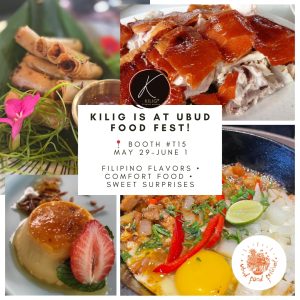
Chef Juan’s approach at Kilig Filipino Warung demonstrates this principle beautifully. He crafts themed menus that reflect the narrative of the event itself. “If the celebration is about reunion and gratitude,” he explains, “I might center the menu around the family’s regional dishes, adding modern technique but preserving the emotional core.” This kind of menu personalization transforms a meal into a conversation starter, helping guests feel seen and included.
Aligning Menus with Event Themes and Objectives
How can food transform an event atmosphere through thematic alignment? The answer lies in intentionality. A corporate product launch might benefit from a futuristic menu featuring molecular gastronomy and deconstructed classics, reinforcing innovation. A heritage-focused birthday celebration, on the other hand, thrives on cultural and themed cuisine that honors family traditions. Every dish becomes a supporting character in the event’s story. By working closely with an experienced caterer, event planners can ensure that every course reinforces the mood they wish to create — whether that is playful, romantic, or professional.
Way 2: Food Presentation That Creates Visual Impact and Excitement
Importance of food presentation in an event setting cannot be overstated. The eyes eat first, and in a crowded room, visual excitement travels fast. A well-composed plate, a dramatic dessert display, or a cascading tower of fresh seafood sends a signal of care and attention to detail that guests immediately associate with the quality of the entire event. Food presentation is not merely decorative; it is a form of event catering communication that says, “This moment matters.”
High-impact presentation techniques include color contrast (bright herbs against white plates, jewel-toned sauces), varying heights (stacked appetizers, tiered platters), and edible garnishes like microgreens, gold leaf, or citrus zest. For luxury catering events, presentation often leans into minimalism — a single, perfect component on a large plate — to emphasize ingredient purity. For more festive occasions, abundance is key: overflowing cheese boards, hanging charcuterie installations, or dessert walls that double as photo backdrops.
Sensory Experiences Including Aroma, Texture, and Presentation
Sensory experiences in dining extend beyond sight. Aroma is perhaps the most evocative sense; the smell of warm bread, sizzling garlic, or vanilla bean can transport guests instantly. Texture, too, plays a role — a contrast between creamy mousse and crunchy tuile, or tender meat against a crisp salad, keeps the palate engaged. When food presentation, aroma, and texture work in harmony, they create a multi-dimensional culinary experience that elevates the entire event atmosphere.
Way 3: Interactive Dining Experiences That Encourage Engagement
Interactive dining experiences have become a cornerstone of modern event design because they solve a fundamental challenge: how do you get guests to actually talk to one another? The answer is activity. When guests are invited to assemble their own tacos, build a fluffy pancake at a brunch station, or hand-roll sushi with guidance from a chef, the meal becomes an activity, not just a passive consumption of calories. These interactive dining experiences naturally lower social barriers and ignite conversation.
Food stations and live cooking demonstrations are the most popular formats for this. A carving station with a chef slicing prime rib to order, a pasta station where fresh dough is rolled and cut on the spot, or a make-your-own ceviche bar all generate excitement and a sense of theatre. “When guests see the flames from a wok or smell the char from a grill, they are drawn to the action,” notes Chef Juan. “It turns the meal into entertainment.” These setups are especially effective for celebration catering, where energy levels need to remain high throughout the evening.
How Interactive Dining Encourages Longer Guest Participation
How culinary experiences encourage longer guest participation is a practical benefit of interactive stations. Instead of a standard plated dinner that encourages guests to eat and return to their seats, a roaming format with multiple food stations keeps people moving, mingling, and exploring. This naturally extends the time guests spend at the event, giving planners more opportunities for speeches, networking, or dancing. It also reduces bottlenecks at a single buffet line, improving the flow of the evening.
Way 4: Cultural And Themed Cuisine That Strengthens Identity
Cultural and themed cuisine is one of the most effective tools for storytelling in event planning. When the menu reflects the cultural heritage of the hosts, the destination, or the event’s narrative, it creates a sense of place and authenticity that guests feel deeply. For a destination weddings in Bali, serving a blend of Balinese, Indonesian, and Filipino dishes — as Chef Juan often does — honors the location while introducing guests to new flavors. This approach builds a stronger event identity and gives guests a story to tell.
Themed menus can also be applied to non-cultural events. A 1920s Great Gatsby party can feature prohibition-era cocktails, oysters Rockefeller, and silver skewers of grilled lamb. A tropical luau theme might include poke bowls, grilled pineapple, and coconut-based desserts. The key is consistency: every dish should reinforce the theme. Guests who see a carefully curated menu that matches the décor and dress code are more likely to feel fully immersed in the experience.
Way 5: Shared Dining Experiences That Foster Connection
Shared dining experiences — family-style tables, communal platters, and grazing boards — are deliberately designed to break down the walls between strangers and strengthen bonds among friends. When guests are invited to pass a bowl of fragrant curry or tear pieces from a shared loaf of bread, they engage in a subtle, primal act of connection. This format works exceptionally well for celebration catering where the host wants to emphasize warmth, community, and hospitality.
From a practical event planning perspective, communal dining also solves logistical challenges. It reduces the number of individual plates that need to be served, keeps food warmer for longer (guests serve themselves from heated vessels on the table), and encourages a natural, unhurried pace. For luxury catering events, shared courses can be elevated by adding personal touches — like a family-style paella cooked in a custom pan that is brought to the table with dramatic flair.
Way 6: Local Ingredients and Authentic Flavors That Elevate Perception
Local ingredients and authentic flavors have a direct impact on how guests perceive the quality and sincerity of an event. Using produce from nearby farms, locally caught seafood, or regional cheeses signals freshness and a commitment to seasonal ingredients. It also supports the local economy and reduces the carbon footprint of the event — values that resonate with many modern guests. For Chef Juan, who sources many of his ingredients from the markets around Ubud, this is non-negotiable. “When I use a papaya picked that morning or a fish caught by a local fisherman, the flavor speaks for itself,” he says.
How can food create lasting memories for guests through ingredients? Authenticity. Guests remember the moment they tasted a fruit they had never encountered before, or when they bit into a pastry made with butter from a small creamery. These authentic flavor experiences forge emotional connections that generic, mass-produced catering cannot replicate. They also give guests a tangible reason to talk about the event long after it is over.
Impact of Seasonal Ingredients on Freshness and Event Appeal
The impact of seasonal ingredients on freshness and event appeal is especially relevant for destination weddings and private gatherings. A spring celebration can feature tender asparagus, sweet peas, and strawberries; autumn calls for roasted squash, wild mushrooms, and pears. Seasonal menus feel effortless and perfectly timed, which reinforces the impression that every detail has been thoughtfully considered.
Way 7: Luxury Catering and Comfort Foods — Balancing Exclusivity and Warmth
Luxury catering and comfort foods at events might seem like opposites, but they are actually complementary forces when used strategically. Luxury catering creates an atmosphere of exclusivity and sophistication through premium ingredients — caviar, truffles, wagyu, and Champagne — delivered with impeccable service. This appeals to guests who expect a high level of refinement and attention to detail.
Yet even the most exclusive events need moments of warmth. This is where comfort foods at events come in. A late-night slider station, a mini ramen cup, or a warm chocolate chip cookie bar provides a moment of familiarity that softens the formality of the evening. The combination of gourmet dining and comfort elements creates an emotional arc: guests feel both pampered and welcomed. This balance is especially important at corporate event planning, where you need to impress clients while also making them feel at ease.
Way 8: Beverage Pairings and the Role of Hospitality in Service
How beverage pairings complement the overall dining atmosphere is often underestimated. A carefully chosen wine with each course, a signature cocktail that matches the event theme, or even a thoughtful non-alcoholic pairing elevates the dining experience from good to unforgettable. Beverages are not just accompaniments; they are integral to the pacing and flavor journey of the meal.
Of course, none of these ways food can transform an event atmosphere matter without excellent service. The role of hospitality and service in enhancing food experiences is the invisible thread that ties everything together. A warm smile from the server, a knowledgeable explanation of a dish, or an unobtrusive refill of water all contribute to the sense of being cared for. Chef Juan emphasizes that hospitality is not just about efficiency; it is about anticipation. “The best service makes guests feel like they are being hosted in someone’s home, even in a five-star setting,” he says.
Useful Resources
For further reading on how food shapes event design and guest psychology, explore these credible sources:
- Event Manager Blog: Catering Tips for Events — Practical advice on menu planning, dietary inclusivity, and food station logistics for large events.
- Food and Wine: Event Dining Trends — Insights into seasonal ingredients, interactive dining, and the evolution of experiential event catering.
Frequently Asked Questions About Ways Food Can Transform an Event Atmosphere
How can food transform an event atmosphere ?
Food transforms the atmosphere by setting the mood through presentation, aroma, and flavor. Curated menus, interactive stations, and thoughtful presentation encourage guest engagement, create excitement, and help shape emotional memories of the event.
Why is food important at special events?
Food is important because it serves as a central social activity, a conversation starter, and a reflection of the event’s quality and theme. It directly influences guest satisfaction, participation, and how they remember the gathering.
How does menu selection affect guest experience?
Menu selection affects guest experience by aligning with dietary preferences, cultural expectations, and the desired emotional tone. A well-chosen menu makes guests feel welcomed, cared for, and more engaged with the event narrative.
What are interactive dining experiences ?
Interactive dining experiences involve guests in the preparation or assembly of their food — such as build-your-own stations, live cooking demonstrations, or chef-guided tastings. They boost engagement, break the ice, and entertain.
Why does food presentation matter at events?
Food presentation matters because it creates a visual first impression that signals quality, care, and creativity. Beautifully presented dishes trigger excitement and anticipation, which enhances the overall dining experience.
How can themed menus enhance celebrations?
Themed menus strengthen the event’s narrative and identity. When food matches the cultural theme, historical period, or creative concept of the celebration, guests feel more immersed and emotionally connected to the occasion.
What role does catering play in event success?
Catering plays a pivotal role because it directly impacts guest satisfaction, event flow, and the overall emotional tone. Professional event catering manages timing, dietary needs, and presentation, allowing hosts to enjoy the occasion.
How do shared meals encourage guest interaction?
Shared meals — like family-style platters or communal grazing tables — naturally require guests to pass dishes, serve one another, and comment on the food. This creates organic opportunities for conversation and connection.
Why are local ingredients important for events?
Local ingredients are important because they are fresher, more flavorful, and often more sustainable. They also tell a story of place and season, which adds authenticity and memorability to the culinary experience.
How can food create lasting memories for guests?
Food creates lasting memories by engaging multiple senses — taste, smell, sight, and touch — and by connecting to emotions. A unique flavor, a beautifully presented dish, or a shared cooking moment can stay with guests for years.
What is the role of comfort foods at events ?
Comfort foods provide warmth, familiarity, and a sense of nostalgia. They help balance more elevated or exotic menu items, making guests feel relaxed and cared for, which is especially valuable in formal or high-stakes events.
How do food stations improve event flow?
Food stations reduce bottlenecks and encourage guests to move around the venue, which improves social interaction and energy levels. They also add an element of entertainment as guests watch chefs prepare items to order.
What is experiential event dining ?
Experiential event dining is an approach where the meal is designed as a multi-sensory experience — incorporating storytelling, interactive elements, theatrical presentation, and personalized touches to create a deeper emotional impact.
How can beverage pairings enhance the dining atmosphere?
Beverage pairings enhance the atmosphere by complementing and elevating each course, pacing the meal, and adding an element of discovery. A well-paired wine or signature cocktail can make the meal feel more sophisticated and cohesive.
What are the benefits of menu personalization ?
Menu personalization accommodates dietary restrictions, cultural preferences, and personal tastes, making every guest feel included and valued. It also adds a bespoke, high-end feel to the event dining experience.
How does luxury catering create exclusivity?
Luxury catering creates exclusivity through premium ingredients, meticulous presentation, personalized service, and attention to detail that goes beyond standard catering. This makes guests feel they are part of something truly special.
Why is hospitality important in event dining ?
Hospitality is crucial because it makes guests feel welcomed, anticipated, and valued. Attentive, warm service enhances every aspect of the dining experience and reinforces the overall positive atmosphere of the event.
How do sensory experiences affect event atmosphere ?
Sensory experiences — including aroma, visual presentation, texture, and even sound — work together to create an immersive environment. They set the emotional tone and make the event more memorable and impactful.
What are future trends in event catering ?
Future trends include hyper-personalized menus, plant-forward and sustainability-focused ingredients, AI-assisted menu planning, immersive multi-course experiences with projection mapping, and a continued emphasis on local and seasonal sourcing.
How can I choose the right caterer for my event?
Choose a caterer who demonstrates experience with your event type, shows creativity in menu design, prioritizes local cuisine and seasonal ingredients, and can accommodate dietary needs. Taste tests and client testimonials are essential steps.
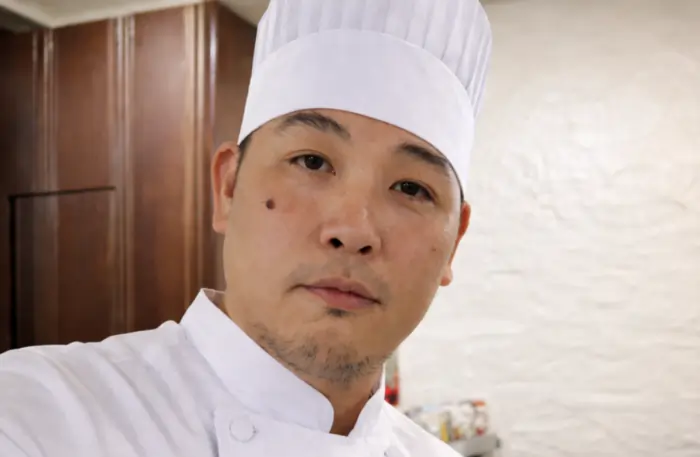
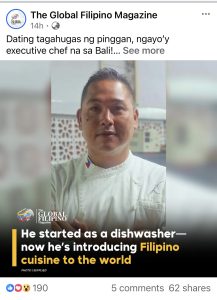
Chef Juan Gadi brings the heart of Filipino hospitality to Ubud, Bali. As an Executive Chef and consultant, he specializes in creating intimate, curated dining experiences that tell a story through every dish. Whether leading the kitchen at Kilig Filipino Warung or hosting a private villa dinner, Chef Juan’s approach is defined by warmth, modern technique, and a commitment to culinary excellence.