
Why Traditional Recipes Remain Important in Filipino Families Key Takeaways
Traditional Filipino recipes are more than instructions for a meal—they are vessels of cultural memory, family identity, and emotional connection.
- Why traditional recipes remain important in Filipino families is rooted in their power to preserve cultural identity and family history through taste, aroma, and ritual.
- Heritage dishes serve as emotional anchors for diaspora communities, reinforcing a sense of belonging and continuity abroad.
- Passing down recipes intergenerationally strengthens family bonds, teaches cultural values, and ensures that unique regional flavors and cooking traditions survive modernization.

What Makes Traditional Filipino Recipes More Than Just Food
I remember the first time I touched my grandmother’s hands—not just any hands, but the hands that had spent fifty years pinching lumpia, kneading bibingka batter, and stirring caldereta over a wood fire. Her fingers were rough, nicked from countless knife cuts, and permanently stained by annatto oil. As a young chef learning my craft, I believed skill was measured by precision and consistency. But standing beside her in that steamy provincial kitchen, I realized that why traditional recipes remain important in Filipino families has nothing to do with Michelin stars and everything to do with love, memory, and identity.
Traditional Filipino recipes are the first language of our homes. They speak of rice paddies under monsoon skies, of Sundays when the whole barangay smells of sinigang and laughter. These recipes are instructions for connection. When we cook them, we are not just following steps—we are remembering who we are and where we came from.
How Traditional Recipes Preserve Cultural Identity and Family History
The Plate as a Time Capsule
Every cultural heritage food tells a story of survival, adaptation, and celebration. The traditional Filipino recipes that fill our tables today were shaped by centuries of trade, colonization, and resourcefulness. The vinegar in adobo, for example, was not just a flavoring—it was a preservation method that allowed families to keep meat edible in tropical heat. That single ingredient holds lessons about pre-refrigeration life that no textbook can teach.
Home cooking Philippines traditions encode geography, climate, and local agriculture. A family from Batangas will have a different bulalo than a family from Bicol, because the beef, the vegetables, and the cooking fire all reflect their specific environment. Cooking these dishes is an act of cultural preservation that keeps our unique regional identities alive.
Why Are Traditional Recipes Important in Filipino Families?
This question gets to the heart of Filipino cuisine traditions. The answer lies in the way these recipes function as living archives. When a mother teaches her daughter to gauge the sourness of sinigang by tasting the tamarind water, she is passing down not just a recipe but a sensory language. That knowledge cannot be fully captured in a cookbook. It must be tasted, touched, and lived. Why traditional recipes remain important in Filipino families is ultimately a story of how we keep our ancestors present at every meal.
The Art of Generational Recipes as Storytelling
In many Filipino families, the kitchen is the original hearth of storytelling. Generational recipes are rarely written down in neat notebooks; they live in the hands and memories of the elders. The act of cooking them, especially for the first time under a grandmother’s watchful eye, is a form of food storytelling more intimate than any spoken narrative.
The food culture Philippines celebrates is one where recipes carry hidden chapters. The slight bitterness in ampalaya stir-fry might recall a time of scarcity when every vegetable mattered. The extra sweetness in arroz caldo might be a grandmother’s secret for soothing ailments. These are not just flavors—they are memories transformed into taste.
How Are Filipino Recipes Passed Down Generations?
Filipino cooking methods are transmitted through observation and repetition. A child learns to pound palapa by standing on a stool and mimicking the rhythm of their lola. The lessons are rarely verbalized as measurements. Instead, they are taught as feelings: “enough patis when your nose tingles,” “the lechon is ready when the skin crackles with a sound like laughter.” This food storytelling ensures that each generation adds its own nuance while preserving the core spirit of the dish.
How Home-Cooked Meals Strengthen Family Bonds and Emotional Connection
There is a reason why Filipino comfort food is often described in emotional terms. A bowl of champorado on a rainy morning, a platter of tuyo and fried rice shared after a difficult week—these moments are about more than sustenance. Family bonding food creates a safe space where conversations flow as freely as the buko juice.
Home cooking Philippines rituals are designed for togetherness. The very structure of a Filipino meal, with multiple dishes meant to be shared, encourages eating from the same plate, reaching across the table, and passing bowls to one another. This communal style reinforces the core cultural values of bayanihan—the spirit of collective effort and mutual support.
Why Is Home Cooking Important in the Philippines?
Home cooking in the Philippines is an expression of love that requires time and intention. A mother who wakes at dawn to cook goto for her children before school is not merely feeding them—she is telling them they are worth the effort. These acts of care create emotional reserves that family members draw upon for a lifetime.
The Role of Regional Filipino Cuisine in Maintaining Cultural Diversity
The Philippines is not one cuisine but many. Regional Filipino cuisine reflects the country’s incredible diversity—over 180 languages and distinct cultural groups. A Filipino family from Ilocos will have a poqui poqui tradition that looks nothing like the kinilaw customs of a Visayan family. These differences are not just regional curiosities—they are the foundation of Filipino dishes heritage.
When families preserve their specific regional dishes, they protect a piece of the archipelago’s vast cultural mosaic. Heritage cooking in the Philippines is a form of resistance against homogenization. It ensures that the Bicol Express of Bicol remains distinctly spicy, that the pancit habhab of Quezon keeps its unique banana leaf serving tradition, and that the cansi of Negros Occidental is never mistaken for bulalo.
Traditional Cooking Methods and the Preservation of Authentic Taste
Filipino cooking methods are inseparable from the taste of the final dish. Cooking sinigang in a traditional clay pot (palayok) produces a different flavor than a metal saucepan. The slow, even heat of a wood fire transforms tough cuts of meat into caldereta that melts on the tongue. These heritage cooking techniques are not just nostalgic—they are practical. They extract flavors and create textures that modern appliances cannot replicate.
Traditional Filipino recipes that call for pounding, grating, or fermenting are exercises in patience and skill. They demand a level of sensory engagement that connects the cook directly with ingredients. This is cultural preservation in action—keeping alive knowledge that would otherwise be lost to convenience.
Shared Meals and Filipino Festivals Food That Reinforce Traditions
No Filipino family gathering is complete without an abundance of food. Whether it is the Noche Buena feast at Christmas, the pancit at birthday parties, or the biko during Santacruzan, Filipino festivals food anchors celebration in taste. These occasions are not just about individual enjoyment—they are communal acts that reinforce identity.
Fiestas transform streets into dining halls. Every neighbor, visitor, and stranger is welcome to eat. This generosity is a central cultural value taught through food. Why traditional recipes remain important in Filipino families is evident in these moments—because they create the script for our most cherished celebrations.
What Role Does Food Play in Filipino Culture?
Food in Filipino culture is the primary language of love, hospitality, and community. It marks time—the puto bumbong signals the start of Christmas season, the suman appears at fiestas, and the ginataan warms rainy afternoons. Food also negotiates relationships. A pabaon of leftover adobo given to a departing guest is a gesture that says, “You are family now.”
Recipes as Cultural Memory Linking Past and Present Generations
Filipino identity food is more than the sum of its ingredients. Every traditional Filipino recipe is a direct link to ancestors who cooked the same dish in the same way generations ago. When a child tastes their great-grandmother’s kare-kare, they are tasting the hands that planted the pechay, ground the mani, and simmered the sauce over bamboo coals. This sensory experience creates a connection that words alone cannot bridge.
Cultural preservation through recipes is particularly powerful because it engages all the senses. The smell of pinakbet cooking can transport a balikbayan instantly to their grandmother’s kitchen in the province. This embodied memory is why families go to great lengths to preserve home recipes Philippines and teach them to younger generations.
The Impact of Grandparents and Elders in Teaching Cooking Practices
Grandparents are the guardians of Filipino cuisine traditions. They hold the unwritten knowledge of techniques, timing, and intuition. Why traditional recipes remain important in Filipino families is largely because elders dedicate themselves to teaching—not from duty, but from a deep desire to share their legacy.
The relationship between a lola and her grandchild over a kitchen table is sacred. It is a space where patience is practiced, stories are swapped, and love is expressed through food. Elders teach not just cooking but also values: patience in waiting for pandesal to rise, discipline in the precise folding of lumpia, and gratitude for the palay that becomes rice.
The Role of Indigenous Ingredients and Local Flavors in Sustaining Culinary Heritage
Heritage cooking in the Philippines relies on indigenous ingredients that define the taste of the archipelago. Kalamansi, pandan, ube, langka, and tabon-tabon are not interchangeable—they carry unique flavors that cannot be replicated by substitutes. Using these ingredients is a form of cultural preservation that supports local farmers, biodiversity, and traditional ecological knowledge.
When Filipino families insist on sourcing specific ingredients for their traditional Filipino recipes, they are sustaining a network of producers and ecosystems. This commitment to regional Filipino cuisine keeps indigenous food systems alive and thriving.
How Diaspora Filipino Families Use Traditional Recipes to Maintain Identity Abroad
For diaspora Filipino food lovers, cooking traditional recipes is an act of resistance against cultural erasure. In kitchens from New York to Sydney, Filipino family food becomes a tool for maintaining identity in foreign landscapes. A balikbayan box packed with dried fish, ube halaya, and pandan extract is more than groceries—it is a care package of home.
Second-generation Filipino children learn about their heritage through the Filipino dishes heritage their parents prepare. Why traditional recipes remain important in Filipino families in the diaspora is clear: they are the most accessible way to pass down a sense of belonging, history, and pride. When a Filipino-American child tastes their grandmother’s chicken adobo, they are tasting their roots.
How Does Diaspora Influence Filipino Cooking?
Diaspora cooking is adaptive by necessity. Filipino cooks abroad may substitute local ingredients—using lamb instead of goat for kaldereta, or adding avocado to halo-halo. These adaptations keep the dish alive even when exact ingredients are unavailable. Yet the core identity remains, proving that Filipino identity food is resilient and flexible. Why traditional recipes remain important in Filipino families abroad is precisely because of this ability to evolve without losing essence.
The Importance of Comfort Food in Emotional Well-Being and Cultural Belonging
Filipino comfort food is medicine for the soul. A bowl of lugaw when you are sick, a stack of turon after a heartbreak, a plate of sisig with friends after a long week—these foods regulate emotions and reinforce a sense of safety. The familiarity of traditional Filipino recipes provides stability in times of change, grounding us in the memory of care.
For Filipinos navigating grief, migration, or loneliness, cooking and eating home recipes Philippines is a form of self-care that reconnects them with positive experiences. This emotional dimension is a key part of why why traditional recipes remain important in Filipino families—they are anchors in a fluid world.
How Cultural Values Influence Food Traditions: Bayanihan and Family-Centered Living
Filipino cuisine traditions are shaped by deeply held cultural values like bayanihan (community spirit), utang na loob (debt of gratitude), and pakikisama (harmonious relationships). These values manifest in the way food is prepared and shared. A neighbor bringing pansit to a family with a new baby, or a relative traveling hours to help cook for a fiesta, are expressions of family bonding food rooted in values. For a related guide, see Why Community Meals Matter in Filipino Society.
Food traditions teach these values to children. Helping in the kitchen instills a sense of responsibility and service. Sharing meals teaches generosity. Preserving generational recipes teaches respect for elders. In these ways, why traditional recipes remain important in Filipino families is inseparable from the moral and social education of each generation.
How Traditional Recipes Adapt Over Time While Retaining Core Identity
Traditional Filipino recipes are not frozen in time. They have always been adaptive, absorbing influences from Chinese, Spanish, Malay, and American cuisines. Filipino family food today includes dishes that would be unrecognizable to a cook from a century ago. Yet the core identity holds—the balance of sour, salty, sweet, and savory, the communal serving style, the emphasis on fresh local ingredients.
This adaptability is why why traditional recipes remain important in Filipino families even as lifestyles change. A busy parent can make a simplified adobo on a weeknight, and it still counts as cultural heritage food. The essence survives regardless of shortcut or substitution.
Why Do Traditional Recipes Still Matter Today?
Traditional recipes matter today because they offer a sense of continuity and identity in a rapidly changing world. They connect us to our roots, provide comfort, and teach values. Why traditional recipes remain important in Filipino families in the 21st century is because they are not relics—they are living traditions that continue to evolve while honoring the past.
Oral Tradition and Experience-Based Learning in Recipe Preservation
Food storytelling in Filipino culture is overwhelmingly oral. Recipes are rarely documented in precise measurements. Instead, they are taught through experience: “add patis until your ancestors smile.” This method of transmission ensures that cooking remains a sensory, personal act rather than a mechanical reproduction.
The reliance on Filipino cooking methods passed through demonstration preserves the tacit knowledge that recipes cannot capture—the feel of dough, the sound of frying, the smell of readiness. These are the nuances that make home recipes Philippines unique to each family.
The Importance of Food in Rituals, Milestones, and Life Celebrations
From birth to death, Filipino festivals food marks every significant milestone. The pabasa during Holy Week, the kakanin at weddings, the pancit at birthdays (symbolizing long life), and the subong offered at deaths—these foods ritualize transition. They connect individual lives to the larger cycle of community and tradition.
Why traditional recipes remain important in Filipino families is powerfully visible in these rituals. The dishes are not optional extras—they are essential to the meaning and performance of the event. Without the bibingka, is it really Christmas morning? Without the embutido, is it truly a birthday?
How Modern Filipino Households Balance Convenience with Tradition
Modern life demands speed, but Filipino families have found creative ways to honor tradition without sacrificing convenience. Pre-packaged mixes for sinigang or kare-kare save time while delivering recognizable flavors. Pressure cookers and slow cookers replicate the long simmering of traditional stews. Frozen lumpia and siopao bring comfort to busy weeknights.
The key is that these shortcuts do not replace the tradition; they enable it. A working parent can still serve cultural heritage food to their children because the foundational taste and ritual remain. Balancing convenience and tradition ensures why traditional recipes remain important in Filipino families continues as a living, daily reality.
How Do Filipino Families Preserve Culinary Traditions?
Filipino families preserve culinary traditions through deliberate practice. They cook traditional Filipino recipes for regular meals, not just special occasions. They involve children in preparation. They share stories about where dishes come from. They adapt without losing the core. And increasingly, they document recipes through videos, blogs, and social media to share with a wider audience.
The Role of Restaurants and Media in Reinforcing Traditional Dishes
Restaurants and media play a powerful role in keeping Filipino dishes heritage visible and relevant. Filipino restaurants worldwide have made adobo, sinigang, and lechon more accessible. Food shows, cookbooks, and online content creators amplify the story of Filipino cuisine traditions, reaching audiences beyond the diaspora.
This visibility reinforces cultural preservation by creating demand for authentic ingredients and techniques. It also inspires younger generations to take pride in their culinary heritage. When a popular YouTube chef shows how to make kilawin, it validates the tradition for a new, global audience.
How Does Food Preserve Cultural Identity in Families?
Food preserves cultural identity by encoding history, values, and emotions into daily practice. Every time a family cooks traditional Filipino recipes, they are engaging in a ritual that reaffirms their identity. The ingredients, the methods, the taste memories—all reinforce a sense of belonging to a particular place, history, and community.
Why traditional recipes remain important in Filipino families is fundamentally about identity. In a world that often pushes toward homogenization, these recipes anchor us to something unique and meaningful. They tell us, “This is who we are. This is where we came from. This is what we love.”
Globalization and the Continued Relevance of Home Recipes
Globalization might seem like a threat to traditional Filipino recipes, but it has also created opportunities. Filipino ingredients are now available internationally through specialty stores. The internet makes sharing home recipes Philippines instant. Diaspora families can watch a grandmother’s cooking tutorial from halfway across the world.
The pressure of globalization also clarifies what matters. As fast food and processed meals become ubiquitous, the value of home cooking Philippines becomes more apparent. Families increasingly choose to prioritize cultural heritage food as a deliberate act of preservation. Why traditional recipes remain important in Filipino families in the age of globalization is because they represent a conscious choice to honor the past while engaging with the present.
Cooking as a Bonding Activity Across Generations
Few activities build relationships across age gaps as effectively as cooking together. When a grandparent and grandchild prepare bibingka, they are engaging in a shared task that requires cooperation, communication, and patience. The kitchen becomes neutral ground where hierarchies soften and stories emerge.
Family bonding food created in these sessions is more meaningful because it comes from a shared creative act. The ensaymada baked by a father and daughter is infused with the memory of their laughter together. These experiences are irreplaceable and become the foundation of lifelong bonds.
How Traditional Recipes Support Cultural Pride and Continuity
Pride in Filipino identity food is cultivated through positive experiences with traditional cuisine. When children see their culture represented proudly in the food they eat, they develop confidence in their identity. Schools and community organizations that celebrate Filipino festivals food and traditional Filipino recipes reinforce this pride.
Cultural continuity requires intention. Why traditional recipes remain important in Filipino families is that they are a daily, tangible connection to that continuity. They are the thread that weaves individual family stories into the larger tapestry of Filipino culture. Each pot of adobo, each batch of puto, is a vote for the survival of a beautiful, resilient, and delicious heritage.
Overall Significance of Food as a Living Heritage in Filipino Families
Food is not a static artifact in Filipino culture—it is a living, breathing part of daily life. Why traditional recipes remain important in Filipino families is because they are the medium through which love, history, and identity are expressed. Every meal cooked from a generational recipe is an act of memory, a celebration of resilience, and a gift to the future.
When I teach young chefs in Ubud to cook Filipino dishes, I always start with a story. Before we touch the ingredients, I tell them about my grandmother’s hands. I tell them about the wood fires, the clay pots, and the laughter. Because why traditional recipes remain important in Filipino families cannot be explained by ingredients and techniques alone. It must be tasted, felt, and lived. And that, more than anything, is why we keep cooking.
Useful Resources
For further reading on Filipino cuisine traditions and cultural preservation, explore these authoritative sources:
- United Nations Food and Agriculture Organization – Traditional Foods: This resource provides global context on the importance of traditional food systems in cultural identity and sustainability.
- Project Gutenberg – Philippine Cookery (1930s): A historical collection of classic home recipes Philippines, offering insight into the origins of many beloved traditional Filipino recipes.
Frequently Asked Questions About Why Traditional Recipes Remain Important in Filipino Families
Why are traditional recipes important in Filipino families?
Traditional recipes are vital because they preserve cultural identity, teach family history, and provide emotional comfort. They are a living link to ancestors and form the core of Filipino family food traditions.
How are Filipino recipes passed down generations?
Most Filipino recipes are passed through oral tradition and hands-on demonstration. Children learn by watching and cooking alongside elders, absorbing techniques and intuition that rarely appear in written generational recipes.
What role does food play in Filipino culture?
Food is central to Filipino culture as a language of love, hospitality, and community. It marks celebrations, strengthens family bonds, and expresses cultural values like generosity and togetherness.
Why is home cooking important in the Philippines?
Home cooking is a primary expression of care and love. It uses traditional Filipino recipes to nourish family, teaches children culinary skills and values, and maintains cultural heritage food in daily life.
How do Filipino families preserve culinary traditions ?
They preserve traditions by cooking regularly, involving younger generations, sharing stories about dishes, adapting recipes without losing core identity, and increasingly documenting their home recipes Philippines online.
How does food strengthen Filipino family bonds?
Shared meals, especially those featuring traditional Filipino recipes, create a space for conversation, storytelling, and emotional connection. Cooking together also builds teamwork and intergenerational relationships.
What are examples of traditional Filipino dishes?
Classic examples include adobo, sinigang, kare-kare, lechon, pancit, lumpia, sisig, halo-halo, bibingka, and turon. These Filipino dishes heritage icons represent the richness of regional Filipino cuisine.
How does diaspora influence Filipino cooking?
Diaspora cooking adapts by substituting local ingredients when traditional ones are unavailable. This flexibility keeps diaspora Filipino food authentic in spirit while allowing practical modifications, ensuring cultural preservation across borders.
Why do traditional recipes still matter today?
They matter because they provide identity, continuity, and emotional grounding in a fast-changing world. Why traditional recipes remain important in Filipino families today is the same reason they always have—they nourish body and soul.
How does food preserve cultural identity in families?
Food preserves identity through repeated acts of cooking and eating. Filipino identity food reinforces a sense of belonging, encodes history in taste, and teaches succeeding generations what it means to be Filipino.
What is bayanihan in the context of food traditions?
Bayanihan is the spirit of community cooperation. In food traditions, it appears when neighbors help cook for fiestas, families gather to prepare large meals together, or food is shared freely among community members.
How are indigenous ingredients used in Filipino cooking?
Indigenous ingredients like kalamansi, pandan, ube, and tabon-tabon define the unique flavors of regional Filipino cuisine. They are central to heritage cooking and support local agriculture and biodiversity. For a related guide, see Understanding Regional Filipino Flavors Through Bali Dining Experiences.
What is the role of grandparents in preserving recipes?
Grandparents are the primary transmitters of unwritten generational recipes. They teach techniques, share personal histories linked to dishes, and pass down Filipino cooking methods that cannot be fully captured in books.
How do Filipino festivals incorporate traditional food?
Filipino festivals food is integral to celebrations like Christmas, Holy Week, and local fiestas. Specific dishes like puto bumbong (Christmas) or biko (fiestas) anchor traditions and mark the calendar with flavor.
What are common Filipino comfort foods?
Popular Filipino comfort food includes champorado, lugaw, arroz caldo, sinigang, adobo, tuyo with fried rice, and turon. These dishes evoke warmth, nostalgia, and emotional security.
How have traditional recipes adapted to modern life?
Traditional recipes now use shortcuts like pre-packaged mixes and pressure cookers. Families simplify processes while keeping essential flavors. These adaptations ensure why traditional recipes remain important in Filipino families despite busy schedules.
What is Why Traditional Recipes Remain Important in Filipino Families ?
Why Traditional Recipes Remain Important in Filipino Families is covered in the guide above with practical context, useful examples, and details readers can use to make a better decision.
Why is Why Traditional Recipes Remain Important in Filipino Families important?
Why Traditional Recipes Remain Important in Filipino Families is covered in the guide above with practical context, useful examples, and details readers can use to make a better decision.
How does Why Traditional Recipes Remain Important in Filipino Families work?
Why Traditional Recipes Remain Important in Filipino Families is covered in the guide above with practical context, useful examples, and details readers can use to make a better decision.
Who should care about Why Traditional Recipes Remain Important in Filipino Families ?
Why Traditional Recipes Remain Important in Filipino Families is covered in the guide above with practical context, useful examples, and details readers can use to make a better decision.
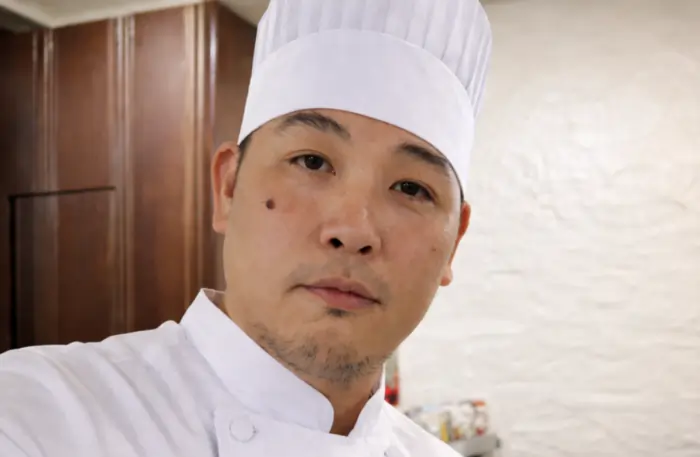
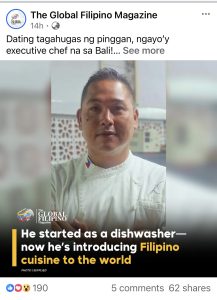
Chef Juan Gadi brings the heart of Filipino hospitality to Ubud, Bali. As an Executive Chef and consultant, he specializes in creating intimate, curated dining experiences that tell a story through every dish. Whether leading the kitchen at Kilig Filipino Warung or hosting a private villa dinner, Chef Juan’s approach is defined by warmth, modern technique, and a commitment to culinary excellence.