Why Bali Remains a Favorite Destination for Food Lovers Key Takeaways
Why Bali remains a favorite destination for food lovers is no mystery: the island offers an extraordinary depth of traditional Balinese cuisine , vibrant local food markets , innovative fine dining restaurants , and a welcoming cafe culture that appeals to both travelers and digital nomads.
- Bali’s food scene is a rare blend of authentic heritage, global influences, and sustainable practices.
- Key culinary experiences include visiting local food markets , trying traditional dishes , and enjoying seafood dining on the beach.
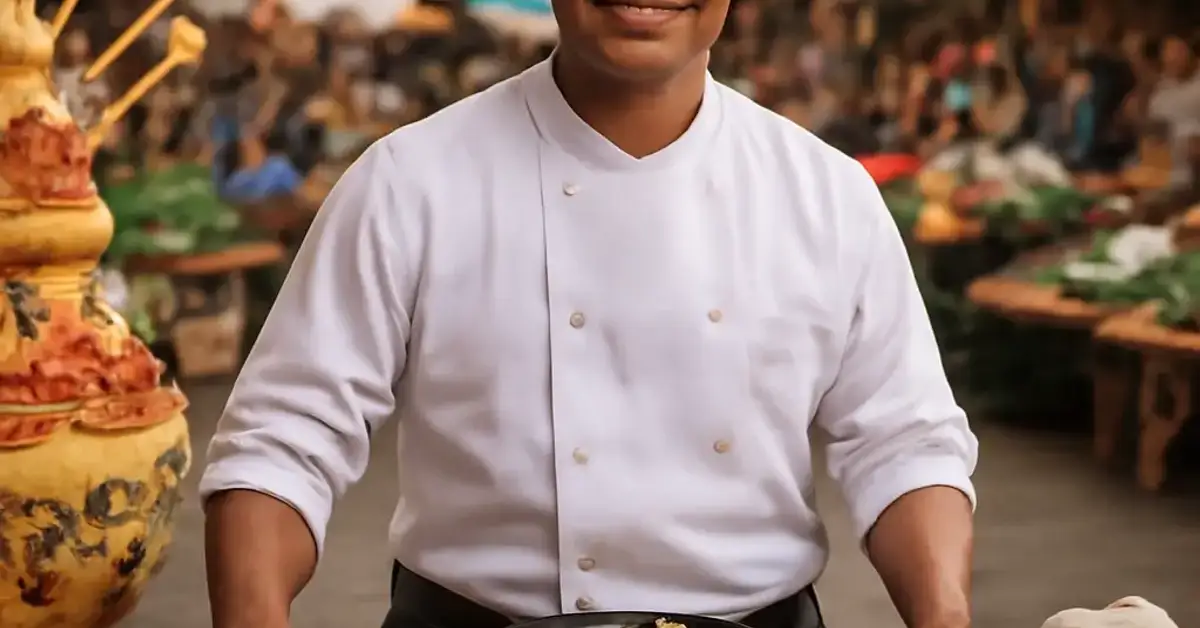
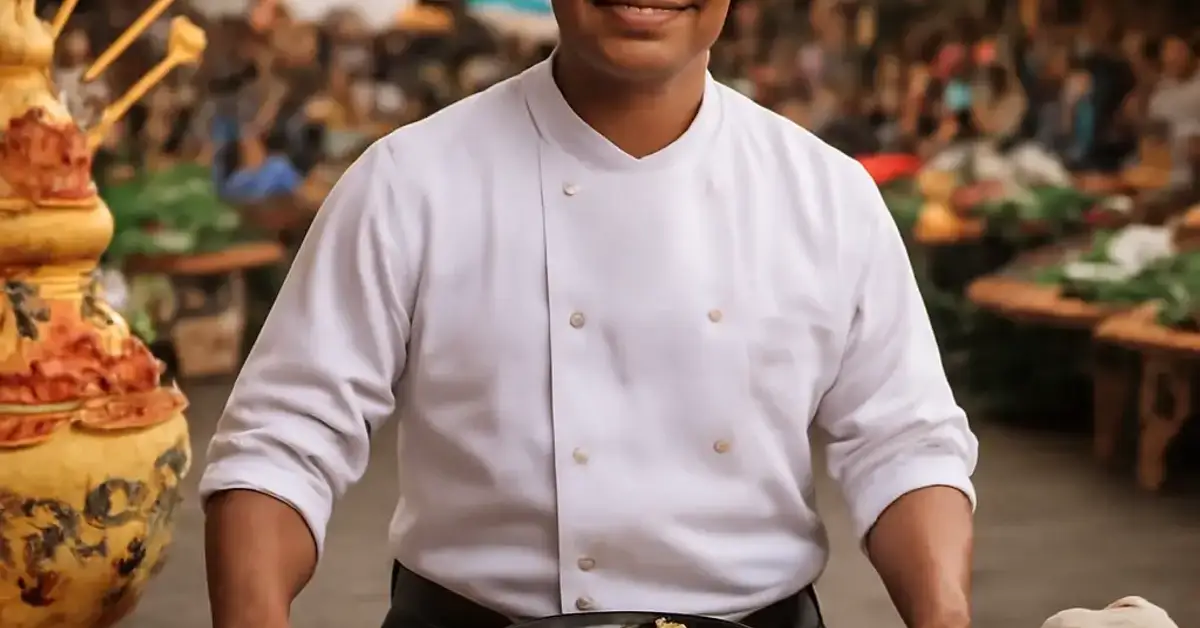
- Chef Juan Gadi brings the heart of Filipino hospitality to Ubud, creating intimate dining that honors local ingredients and cultural storytelling.
The Unique Allure of the Bali Food Scene
When travelers ask why Bali remains a favorite destination for food lovers, the answer lies in the island’s ability to satisfy every craving—from humble street food to world-class gastronomic experiences. Bali is more than a tropical paradise; it is a living pantry where centuries-old recipes meet modern creativity. The Bali food scene thrives on contrasts: a traditional Balinese cuisine dish like lawar sits comfortably beside a plant-based smoothie bowl from a healthy food cafes.
Bali’s culinary travel in Bali appeal is driven by access to tropical ingredients, a strong restaurant culture, and a deep respect for local delicacies. Visitors do not just eat; they explore stories woven into authentic recipes passed down through generations.
What Makes Bali’s Culinary Scene Unforgettable
Bali culinary experiences stand out because the island treats food as a cultural bridge. Whether you are attending a food festivals or sharing a cultural dining experiences in a family compound, every meal is a lesson in heritage. The Bali dining experiences range from casual street food stalls selling nasi campur to elegant fine dining restaurants that reinterpret regional specialties.
The Role of Local Markets in Bali’s Food Culture
Local food markets are the heartbeat of the Bali food scene. Markets like Pasar Ubud and Pasar Badung offer a sensory immersion into local ingredients—spices, fruits, vegetables, and fresh seafood. Here, travelers can taste authentic Balinese cuisine directly from vendors, sample local delicacies such as sate lilit, and watch local cuisine reflect Balinese culture in real time. The markets also inspire chefs like Chef Juan Gadi, who sources seasonal produce for his intimate dinners, weaving Indonesian flavors into dishes that tell a story of place.
Traditional Balinese Cuisine: A Journey Through Flavors
Traditional Balinese cuisine is defined by bold spices, coconut, and fresh aromatics. Visitors should try traditional dishes such as babi guling (suckling pig), bebek betutu (slow-cooked duck), and lawar (a spiced mix of vegetables, coconut, and minced meat). These dishes are more than food; they are expressions of the culinary traditions that have sustained island communities for centuries. For those wondering which traditional Balinese dishes should visitors try, starting with these classics offers a direct taste of authentic Bali dishes.
Best Food in Bali: From Street Food to Fine Dining
When you search for the best food in Bali, the answer depends on where you are. The island is a mosaic of dining micro-climates, each with its own character. The Bali restaurants and cafes scene is incredibly diverse, from tiny warungs serving authentic recipes to beach clubs with international tasting menus.
Street Food and Local Delicacies
Bali street food is a must for any food lover. Popular choices include nasi goreng, mie goreng, pisang goreng (fried banana), and martabak (stuffed pancake). For those asking what street foods are popular among visitors in Bali, the answer often includes sate lilit (minced seafood satay) and bakso (meatball soup). These local delicacies are not only delicious but also incredibly affordable.
Fine Dining and Seafood Dining
Seafood dining in Jimbaran Bay is iconic: tables set on the sand, grilled fish, and a sunset backdrop. Meanwhile, fine dining restaurants in Seminyak and Ubud are redefining Bali gastronomic experiences. Chef Juan Gadi, for instance, curates private villa dinners that blend tropical ingredients with Filipino and Balinese influences, creating unforgettable evenings that go beyond the plate.
Healthy Food Cafes and Farm to Table Dining
Bali is also a hub for wellness-focused travelers. Healthy food cafes abound in Canggu and Ubud, offering raw vegan dishes, superfood smoothies, and gluten-free options. Farm to table dining is especially popular, with restaurants like Locavore sourcing directly from local farmers. This movement highlights local ingredients and supports sustainability, key reasons food tourism in Bali continues to thrive.
Cultural Dining Experiences and Food Festivals
Cultural dining experiences in Bali go beyond the meal. Participating in a cooking class or visiting a family compound to learn authentic recipes provides deep insight into how local cuisine reflect Balinese culture. The annual Ubud Food Festival is a highlight, celebrating Indonesian flavors and bringing together chefs from across the archipelago. For those wondering what are the best culinary experiences in Bali, attending a festival or a private dinner hosted by a chef like Juan Gadi ranks high. For a related guide, see The Cultural Experiences That Define a Bali Journey.
Why Do Food Travelers Return to Bali Year After Year
The question why do food travelers visit Bali year after year has a simple answer: Bali constantly evolves while staying true to its roots. The Bali food scene is not static. New restaurant culture emerges, pop-ups appear, and food exploration remains endless. For many, the island becomes a second home where culinary travel in Bali feels both adventurous and comforting. The warm hospitality, embodied by professionals like Chef Juan Gadi, makes every return visit feel like a reunion. For a related guide, see Why Hospitality Remains a Core Filipino Value.
How Bali Became a Leading Food Tourism Destination
How has Bali become a leading food tourism destination? A combination of factors: rich culinary traditions, abundant tropical ingredients, a welcoming attitude toward travel and food, and a steady stream of international chefs who bring new ideas. The island has positioned itself as a place where traditional Balinese cuisine and global trends coexist peacefully. Food tourism in Bali is now a central part of the island’s identity, with visitors arriving specifically for its Bali gastronomic experiences.
How International Influences Shape Bali’s Restaurant Scene
How do international influences shape Bali’s restaurant scene? Bali has long been a crossroads of cultures. Italian, Japanese, Mexican, and Middle Eastern flavors have all been absorbed and adapted. Yet the best restaurants respect Indonesian flavors at their core. This fusion is what makes Bali restaurants and cafes so dynamic. Chefs like Juan Gadi honor their heritage while embracing global techniques, creating authentic recipes that feel both new and familiar.
Exploring Beyond Tourist Restaurants
For those asking how can food lovers explore Bali beyond tourist restaurants, the answer is to venture into the countryside. Visit a village warung, hike through rice terraces to find a hidden cafe, or join a farm to table dining experience on a plantation. These food exploration activities reveal the regional specialties that mass tourism often misses. The local food markets also offer a path less traveled, where every ingredient tells a story of the land.
Culinary Experiences That Create Unforgettable Memories
Some culinary experiences create unforgettable memories in Bali more than others. A private cooking class with a local grandmother, a sunset seafood grill at Jimbaran Bay, or a bespoke dinner in a Ubud villa hosted by Chef Juan Gadi—these moments linger long after the vacation ends. They combine the best food in Bali with the island’s spirit of generosity and creativity.
Dining Options Across Bali
What dining options are available across Bali? The island caters to every budget and preference. From cheap street food stalls to high-end fine dining restaurants, from vegan healthy food cafes to rustic farm to table dining experiences. Seafood dining is exceptional along the coast, while traditional dishes are best enjoyed in central Bali. No matter where you go, you will find authentic Balinese cuisine interspersed with global influences.
Where to Find Authentic Balinese Cuisine
Where can travelers find authentic Balinese cuisine? Look beyond the tourist hotspots. Warungs in Gianyar, Tabanan, and Bangli serve traditional Balinese cuisine cooked with family recipes. Ubud has several outstanding restaurants that focus on regional specialties. For a curated experience, Chef Juan Gadi offers intimate dinners at Kilig Filipino Warung and private villas, where authentic dishes are elevated with modern technique and Filipino warmth.
Why Bali’s Cafes Are Popular Among Digital Nomads
Why are Bali’s cafes popular with travelers and digital nomads? The island’s healthy food cafes offer more than good coffee—they provide strong Wi-Fi, coworking-friendly spaces, and menus packed with nutritious local ingredients. Canggu and Ubud are especially known for this culture. The Bali food scene embraces a lifestyle that balances work, wellness, and food exploration, making it a magnet for remote workers. For a related guide, see Why Bali Appeals to Solo Travelers: 7 Powerful Reasons to Visit.
Useful Resources
For further reading on Balinese cuisine and culinary travel in Bali, check out these authoritative sources:
- Bali Tourism Board – Culinary Guide – Official insights into the island’s food festivals and cultural dining experiences.
- Saveur Magazine – Balinese Cuisine Guide – A deep dive into traditional dishes and authentic recipes from the archipelago.
Frequently Asked Questions About Why Bali Remains a Favorite Destination for Food Lovers
Why does Bali remain a favorite destination for food lovers?
Bali offers an unparalleled variety of culinary experiences, from street food to fine dining restaurants, all rooted in traditional Balinese cuisine and fueled by tropical ingredients. Its welcoming culture and constant innovation keep visitors coming back.
What makes Bali’s food scene unique?
The Bali food scene is unique because it seamlessly blends authentic Balinese cuisine with international influences, all while honoring culinary traditions and local ingredients.
Which traditional Balinese dishes should visitors try?
Visitors should try babi guling, bebek betutu, lawar, sate lilit, and nasi campur. These traditional dishes showcase the depth of Indonesian flavors and regional specialties.
How does local cuisine reflect Balinese culture?
Local cuisine reflect Balinese culture through its use of rituals, communal dining, and ingredients that hold spiritual significance. Every dish is connected to ceremonies and daily life.
What are the best culinary experiences in Bali?
Bali culinary experiences include cooking classes, market tours, seafood dining at Jimbaran, private chef dinners, and attending the Ubud Food Festival.
Why do food travelers visit Bali year after year?
Food tourism in Bali is so rewarding because the island constantly offers new food exploration opportunities while maintaining its deep-rooted culinary traditions.
What role do local markets play in Bali’s food culture?
Local food markets are central to Bali food culture. They provide fresh local ingredients, allow tourists to taste authentic Balinese cuisine, and preserve traditional dishes.
How has Bali become a leading food tourism destination?
Bali became a top food destinations in Bali by investing in fine dining restaurants, promoting farm to table dining, and maintaining a vibrant street food culture that appeals to all travelers.
What dining options are available across Bali?
Bali dining experiences range from warungs serving traditional Balinese cuisine to upscale fine dining restaurants, healthy food cafes, and lively seafood dining spots.
Where can travelers find authentic Balinese cuisine?
Authentic Balinese cuisine is best found in local warungs outside tourist zones, at local food markets, and through curated dinners with chefs like Juan Gadi.
How do international influences shape Bali’s restaurant scene?
International chefs bring global techniques to Bali restaurant culture, but they adapt them to highlight Indonesian flavors and tropical ingredients, creating a unique fusion.
What street foods are popular among visitors in Bali?
Bali street food favorites include sate lilit, nasi goreng, mie goreng, bakso, and pisang goreng. These local delicacies are must-tries for any culinary travel in Bali.
Why are Bali’s cafes popular with travelers and digital nomads?
Bali restaurants and cafes are popular because they combine healthy food cafes with strong Wi-Fi, comfortable workspaces, and menus rich in local ingredients.
How can food lovers explore Bali beyond tourist restaurants?
Food exploration beyond tourist areas involves visiting local food markets, taking cooking classes, and seeking farm to table dining and regional specialties in rural villages.
What culinary experiences create unforgettable memories in Bali?
Culinary experiences create unforgettable memories in Bali through private chef dinners, cultural dining experiences, and hands-on classes that connect you directly with authentic recipes and local families.
Is Balinese food very spicy?
Yes, many traditional Balinese cuisine dishes use chili and spices, but heat levels vary. Most restaurants and warungs can adjust spiciness to your preference.
What is the most famous food in Bali?
The most famous best food in Bali includes babi guling, bebek betutu, and sate lilit. These traditional dishes are considered the island’s specialties.
Are there vegetarian-friendly options in Bali?
Absolutely. Healthy food cafes and many warungs offer vegetarian and vegan versions of Balinese cuisine, using abundant tropical ingredients like jackfruit and tempeh.
Do I need to book fine dining restaurants in advance?
Yes, popular fine dining restaurants in Bali often require reservations weeks in advance, especially during peak season and food festivals.
Can I join a cooking class in Bali?
Yes, many venues offer cooking classes that teach authentic recipes and traditional Balinese cuisine. They often include a market tour to source local ingredients.
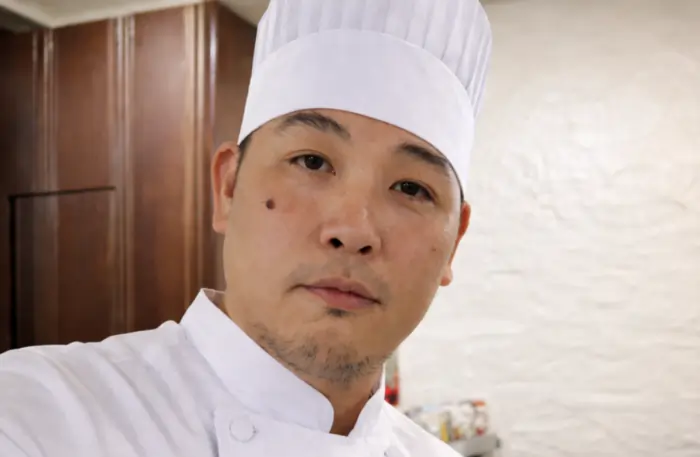
Chef Juan Gadi brings the heart of Filipino hospitality to Ubud, Bali. As an Executive Chef and consultant, he specializes in creating intimate, curated dining experiences that tell a story through every dish. Whether leading the kitchen at Kilig Filipino Warung or hosting a private villa dinner, Chef Juan’s approach is defined by warmth, modern technique, and a commitment to culinary excellence.