
Why the Best Travel Experiences Engage All Five Senses Key Takeaways
Why the Best Travel Experiences Engage All Five Senses comes down to one truth: our brains are wired to remember what we feel, taste, smell, hear, and see together.
- Sensory travel experiences unlock deeper emotional connections, making trips more meaningful and less forgettable.
- Immersive travel experiences that activate all five senses create stronger neural pathways, which is why we recall a meal or a sunset years later.
- From the scent of street food to the texture of ancient stone, mindful travel experiences transform ordinary sightseeing into personal discovery.
As an Executive Chef in Ubud, Bali, I’ve spent years learning that the heart of Filipino hospitality isn’t just about feeding people—it’s about creating moments where every flavor, aroma, and texture tells a story. When I host a private villa dinner at Kilig Filipino Warung, I’m not just cooking; I’m curating an immersive travel experience that engages the senses from the first bite to the last memory. This philosophy has taught me that the best journeys don’t just show you a place—they let you taste, touch, hear, and smell it. Let’s explore Why the Best Travel Experiences Engage All Five Senses and how you can unlock this power on your next adventure. For a related guide, see 8 Food Experiences Worth Adding to Your Bali Itinerary.

What Are Sensory Travel Experiences and Why Do They Matter?
Sensory travel experiences are journeys that intentionally engage sight, sound, smell, taste, and touch to create a richer, more memorable connection to a destination. Unlike passive tourism where you simply observe, multisensory travel asks you to participate fully. Think of the difference between looking at a photo of a Balinese temple and actually feeling the cool stone under your bare feet, hearing the chant of prayers, and smelling the incense and frangipani in the air. That is travel immersion—and it changes everything.
Science backs this up. Our brains encode unforgettable travel memories more effectively when multiple senses are activated simultaneously. This is why emotional travel connections often feel so vivid: they are anchored by sensory cues like the taste of a specific spice or the sound of rain on a tin roof. For experiential tourism to be truly transformative, it must go beyond the visual. Meaningful travel experiences require us to slow down, breathe, and truly notice.
The Science of Multisensory Travel: How Senses Create Lasting Memories
When we ask, “Why do the best travel experiences engage all five senses?” we must look at the brain’s limbic system. This ancient part of our brain processes emotion, memory, and sensory input all at once. When you combine a stunning natural landscape (sight) with the scent of pine (smell) and the crunch of leaves underfoot (touch), you create a dense memory web. Travel memory creation becomes much more potent when senses work together.
The Role of Sight in Travel Immersion
Sightseeing is the most obvious sensory activity, but sensory exploration while traveling elevates it. Instead of just snapping photos, look for details: the way light filters through rice terraces, the colors of a cultural festival, or the intricate patterns on a temple wall. Destination engagement begins with truly seeing—not just looking. I often tell guests during my cultural exploration cooking classes that the first ingredient is always observation: notice the vibrant greens of the herbs, the deep red of the chili, the golden hue of the turmeric.
Hearing a Destination: Cultural Sounds and Local Rhythms
Cultural sounds are the soundtrack of a place. The chatter of a morning market, the clang of a local cuisine wok, the distant hum of a gamelan orchestra, or the gentle lapping of waves—these sounds root you in the present. How can sounds enhance a traveler’s connection to a destination? They create a sense of place that is impossible to replicate. When you hear the sizzle of a dish being prepared or the laughter of locals sharing a meal, you are no longer a tourist; you are a participant in the destination atmosphere.
To practice mindful travel, close your eyes for sixty seconds in each new place and just listen. What do you hear? This simple act of sensory exploration while traveling can ground you instantly.
How Taste and Smell Unlock Authentic Cultural Experiences
Food tourism is one of the most powerful forms of experiential tourism because taste is directly linked to memory. What role does taste play in cultural travel experiences? A single bite can transport you. The tang of sinigang, the sweetness of ripe mango, the heat of sambal—these are not just flavors; they are stories of land, history, and people. Local cuisine is the most intimate way to understand a culture because you are literally consuming its essence.
At my travel storytelling dinners, I design each course to evoke emotional connections. I want guests to taste the ocean when they eat a seafood dish, to feel the sun in a fruit-based dessert. What scents are most memorable during travel adventures? For me, it’s the smell of garlic and onions sautéing in coconut oil—it instantly brings me back to my grandmother’s kitchen. Sensory tourism leverages these powerful olfactory cues to create memorable journeys.
Touch and Texture: The Forgotten Sense in Travel
When we think of travel and the five senses, touch is often overlooked. Yet how does touch contribute to immersive travel experiences? It is the most grounding sense. The feel of handwoven textiles, the cool marble of a temple floor, the gritty sand beneath your toes, the smooth wood of a cooking spoon—these tactile details anchor you to the physical reality of a place. Authentic travel experiences often come from engaging with materials: weaving a basket, molding clay, or simply walking barefoot.
During my experiential travel sessions in Ubud, I encourage guests to touch every ingredient. Feel the roughness of ginger root, the slippery skin of a tomato, the fuzzy leaves of a herb. This sensory immersion changes your relationship with food and place. Nature experiences like walking through a Balinese jungle or wading in a rice paddy are powerful because they demand touch. Personal discovery often happens through our hands.
Why Multisensory Travel Feels More Authentic and Meaningful
Let’s address the core question: “Why do multisensory experiences feel more authentic and meaningful?” Because they engage the whole self. Experiential tourism differs from traditional sightseeing because it requires active participation rather than passive observation. When you eat with your hands, listen to local stories, smell the rain on dry earth, and see the smiles of the people who prepared your meal, you are not just visiting—you are connecting. Authentic experiences arise from vulnerability and openness. They come from saying yes to the unknown and trusting your senses to guide you.
How can travelers become more mindful of sensory experiences? Start by leaving your phone in your pocket. Take a sensory inventory wherever you go: what do I see, hear, smell, taste, and touch right now? This practice of mindful travel experiences transforms even a simple walk into a rich cultural exploration.
Destinations Known for Rich Sensory Experiences
Some places are naturally designed for sensory travel experiences. What destinations are known for rich sensory experiences? Ubud, Bali tops my list—the scent of incense, the sound of rain on palm leaves, the taste of fresh jackfruit, the sight of tiered rice fields, and the touch of silk sarongs. Other incredible locations include Marrakech (spices, bustling souks, vibrant tiles, warm stone), Tokyo (precision of flavors, neon lights, quiet temples, cherry blossom textures), and the Amalfi Coast (lemon groves, sea breezes, rugged cliffs, fresh seafood). Each offers a multi-layered destination atmosphere that rewards sensory tourism. For a related guide, see Why Travelers Remember Experiences More Than Destinations.
Practical Tips for Engaging All Five Senses During a Journey
What can travelers do to fully engage all five senses during a journey? Here is a simple checklist I share with guests at Kilig Filipino Warung who want to experience Bali more deeply:
- Sight: Watch the sunrise over Mount Agung. Observe the intricate patterns of batik cloth.
- Sound: Listen to a traditional gamelan rehearsal. Note the morning call to prayer or the early market hum.
- Smell: Inhale the scent of cloves in a cigarette, the fragrance of jasmine, or the pungent aroma of shrimp paste drying in the sun.
- Taste: Eat with your hands. Try street food. Taste local traditions like Balinese lawar or Filipino adobo cooked with local ingredients.
- Touch: Walk barefoot through a rice field. Stroke the petals of frangipani. Feel the handwoven texture of a basket.
How can sensory engagement improve cultural understanding? By connecting you to the daily lives of local people. When you help a farmer harvest rice, you understand the labor behind your meal. When you taste a dish and ask about its history, you honor the local traditions that sustain it. Emotional connections often begin with a shared meal or a handmade item. This is the essence of travel storytelling—letting the place write its story through your senses.
How Experiential Tourism Differs from Traditional Sightseeing
Experiential tourism is not about rushing from one landmark to another. It is about depth, not distance. Why are emotional connections often linked to sensory memories? Because the brain stores sensory data alongside emotional data. So when you smell a familiar spice, you might feel a rush of happiness or nostalgia. Travel immersion happens when you allow yourself to be fully present without the distraction of documenting everything for social media. The most unforgettable travel memories are often the ones you cannot photograph—the taste of a perfectly ripe fruit, the warm embrace of a new friend, the sound of laughter echoing through a village.
Chef Juan Gadi brings the heart of Filipino hospitality to Ubud, Bali. As an Executive Chef and consultant, he specializes in creating intimate, curated dining experiences that tell a story through every dish. Whether leading the kitchen at Kilig Filipino Warung or hosting a private villa dinner, Chef Juan’s approach is defined by warmth, modern technique, and a commitment to culinary excellence. His belief is simple: food is the most direct path to meaningful travel experiences, and when you engage all five senses, you don’t just visit a place—you carry it with you forever.
Useful Resources
To deepen your understanding of sensory travel experiences and how they shape emotional travel connections, explore these credible resources:
- National Geographic: The Power of Multisensory Travel — An in-depth look at how engaging all five senses transforms travel from observation to immersion.
- Travel + Leisure: How Using All Your Senses Can Enhance Your Travel — Practical tips for mindful travel and sensory exploration while traveling.
Frequently Asked Questions About Why the Best Travel Experiences Engage All Five Senses
Why do the best travel experiences engage all five senses?
The best travel experiences engage all five senses because multisensory input creates more robust memories and deeper emotional connections. When you taste, smell, hear, see, and touch a destination, you build a richer, more personal relationship with the place.
How do sensory experiences create stronger travel memories?
Sensory experiences activate multiple areas of the brain simultaneously, strengthening neural pathways. This layering of sight, sound, smell, taste, and touch encodes memories more deeply, making them easier to recall years later with vivid detail.
What role does taste play in cultural travel experiences?
Taste is a direct window into a culture’s history, geography, and daily life. Sharing a meal, especially local staple dishes, allows travelers to experience traditions, seasonal cycles, and family rituals in an intimate, unforgettable way.
How can sounds enhance a traveler’s connection to a destination?
Sounds create a unique sonic signature for a place. The clamor of a market, the rhythm of local music, or the quiet rustle of leaves in a temple garden all anchor you in the present moment and foster a deeper sense of belonging.
Why are visual experiences important when exploring new places?
Visual experiences provide initial orientation and wonder, but when combined with other senses, they transform a simple view into a complete story. Noticing details like architecture, color palettes, and natural light deepens your understanding of local aesthetics.
How does touch contribute to immersive travel experiences?
Touch grounds you in physical reality and creates strong kinesthetic memories. Feeling the texture of handmade crafts, the warmth of sun-baked stone, or the soil in a farmer’s field connects you directly to the land and its people.
What scents are most memorable during travel adventures?
Scents tied to food and nature are most memorable. The aroma of fresh herbs, roasting coffee, ocean air, incense, or rain on dry earth can instantly trigger powerful, emotional recollections long after the journey ends.
How can travelers become more mindful of sensory experiences?
Travelers can practice mindfulness by pausing regularly to take a sensory inventory: what do you see, hear, smell, taste, and feel right now? Leaving your phone behind and focusing on the present moment helps deepen sensory awareness.
Why do multisensory experiences feel more authentic and meaningful?
Multisensory experiences engage your whole self, making you an active participant rather than a passive observer. This active engagement creates a sense of authenticity because you are personally connected to the moment, not merely documenting it.
How does local cuisine engage travelers beyond taste alone?
Local cuisine engages all senses: the sizzle of cooking (sound), the vibrant colors of ingredients (sight), the fragrant spices (smell), and the textures of fresh produce (touch). It is a complete sensory story of a place.
What destinations are known for rich sensory experiences?
Destinations like Bali, Marrakech, Tokyo, Oaxaca, and the Amalfi Coast are famous for offering layered sensory experiences. Each provides a distinct mix of vibrant sights, rich flavors, evocative sounds, and diverse textures that reward mindful exploration.
How can sensory engagement improve cultural understanding?
Engaging your senses allows you to experience daily life from a local perspective. Participating in food preparation, listening to oral traditions, or touching local crafts gives you firsthand insight into values, skills, and community bonds.
Why are emotional connections often linked to sensory memories?
The brain’s limbic system processes emotion and sensory input together. This means that a smell, taste, or sound can instantly trigger powerful feelings, making sensory travel memories particularly rich and emotionally charged.
How does experiential tourism differ from traditional sightseeing?
Experiential tourism emphasizes active participation, depth, and personal connection over passively visiting landmarks. It focuses on activities like cooking classes, village walks, and artisan workshops that engage multiple senses and foster genuine interaction.
What can travelers do to fully engage all five senses during a journey?
Travelers can commit to sensory practices: eat with their hands, walk barefoot, close their eyes and listen, sniff local markets, and touch natural and handmade objects. Slowing down and staying present is the key to full engagement.
How does sensory exploration while traveling benefit solo travelers?
Solo travelers often find that sensory exploration creates a more intimate and brave connection with a destination. Without distractions, they can fully immerse themselves in tastes, sounds, and textures, leading to profound personal discovery.
Can sensory travel reduce culture shock?
Yes, because engaging senses helps ground you in the new environment. Focusing on what you can taste, smell, and touch shifts your attention from anxiety to curiosity, easing the transition into a different culture.
How do cultural festivals engage all five senses?
Cultural festivals are designed to be fully immersive. They feature traditional music and chants (sound), vibrant costumes and decorations (sight), ceremonial food (taste), incense and flowers (smell), and interactive rituals (touch).
What is the connection between food tourism and sensory travel?
Food tourism is one of the purest forms of sensory travel because it inherently engages taste, smell, and touch, while also involving sight and sound through cooking techniques, markets, and dining atmospheres. It is a complete sensory package.
How can couples use sensory travel to strengthen their bond?
Couples can share sensory experiences like cooking together, walking barefoot on a beach, or enjoying a silent sunset. These shared multisensory moments create powerful, lasting memories that deepen emotional intimacy and connection.
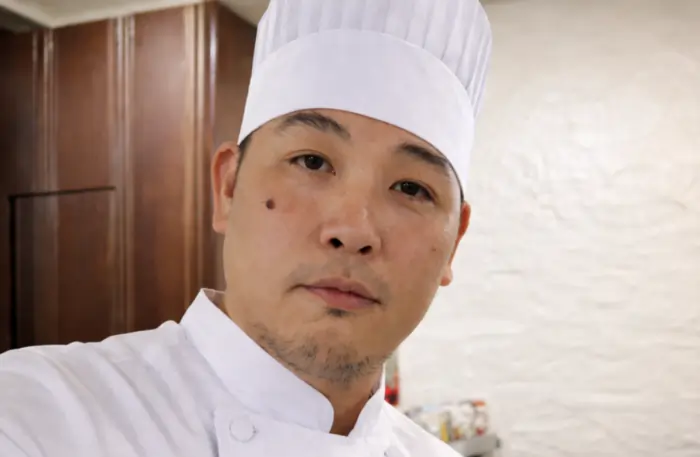
Chef Juan Gadi brings the heart of Filipino hospitality to Ubud, Bali. As an Executive Chef and consultant, he specializes in creating intimate, curated dining experiences that tell a story through every dish. Whether leading the kitchen at Kilig Filipino Warung or hosting a private villa dinner, Chef Juan’s approach is defined by warmth, modern technique, and a commitment to culinary excellence.