

Personalized Experiences Are Shaping Modern Travel Key Takeaways
As Executive Chef at Kilig Filipino Warung in Ubud, Bali, I witness this transformation daily.
- Why Personalized Experiences Are Shaping Modern Travel is not just a trend—it’s a fundamental change in how we explore the world, driven by technology and a craving for authenticity.
- Tailored travel experiences boost guest satisfaction, create stronger memories, and command premium pricing across luxury, wellness, and adventure segments.
- From private villa dinners in Ubud to wellness retreats with personalized nutrition plans, the future of travel belongs to those who put the individual first.

Why Personalized Experiences Are Shaping Modern Travel: The New Rules of Exploration
As Executive Chef at Kilig Filipino Warung in Ubud, Bali, I witness this transformation daily. A guest walks in and doesn’t just ask for a menu—they share their dietary story, their craving for something nostalgic yet new, their desire to connect with Filipino culture through flavor. That moment mirrors a larger shift happening across the entire travel landscape. Why Personalized Experiences Are Shaping Modern Travel comes down to one truth: people want to feel seen, understood, and surprised in the most delightful way. For a related guide, see 9 Event Dining Trends Shaping Bali Celebrations.
Forget the coach tours and identical resort buffets. Today’s traveler craves customized travel trends that speak directly to their traveler preferences. A couple celebrating an anniversary might book a private cooking class in a local home. A digital nomad might choose a co-living space that offers curated wellness workshops and local language sessions. A family may seek a villa where every meal is tailored to individual tastes and dietary needs. This isn’t luxury for the few—it’s becoming the new standard. For a related guide, see How Villa Dining Creates a More Personal Travel Experience.
Why Are Personalized Experiences Shaping Modern Travel? Understanding the Shift in Modern Travel Preferences
To answer the question Why are personalized experiences shaping modern travel, we must look at how our relationship with travel has evolved. The internet gave us unlimited choice, and with that choice came a desire for meaning. Travelers today are not tourists; they are experience seekers. They value cultural immersion over sightseeing, authentic experiences over staged photo ops, and guest centered travel that places their unique story at the heart of the itinerary.
Modern travel preferences have shifted from collecting destinations to collecting moments. A 2024 survey by the World Travel and Tourism Council found that 68% of travelers are willing to pay more for personalized travel experiences that align with their interests and values. This represents a major departure from the old model of mass tourism. Instead of asking “Where should I go?” travelers now ask “What kind of experience do I want to have?”
The Psychology Behind Tailored Travel Experiences
There is a fundamental human need for recognition and uniqueness. When a hotel remembers your preferred room temperature, or a tour guide adjusts the route to include your interest in local textiles, it triggers a powerful emotional response. Guest satisfaction soars because the travel provider has acknowledged the traveler’s individuality. This is the psychological engine behind travel customization—it transforms a transaction into a relationship.
As Chef Juan Gadi, I see this in my own work. When I host a private villa dinner, I don’t just cook a menu. I talk to the guests about their travels, their favorite flavors, and the stories they want to take home. That dish of chicken adobo becomes a bridge between my heritage and their journey. That is the essence of why personalized travel experiences are reshaping the industry.
How Do Customized Travel Experiences Improve Guest Satisfaction? The Tangible Benefits
When we ask, How do customized travel experiences improve guest satisfaction, the answers are both measurable and emotional. Tailored trips lead to higher Net Promoter Scores, more repeat bookings, and stronger online reviews. But beyond the data, they deliver something deeper: a sense of being cared for.
Customized itineraries allow travelers to spend time on what truly matters to them. Instead of a packed schedule of generic attractions, a personalized plan might include a morning yoga session on a rice terrace, an afternoon spent learning to make traditional batik, and an evening enjoying a curated wine pairing dinner with local ingredients. Every element feels intentional.
For wellness travel, personalization is non-negotiable. A wellness retreat that offers one menu for everyone fails the guest. Instead, leading retreats now assess each participant’s health goals, stress levels, and dietary restrictions to create a program that heals and rejuvenates on an individual level. Guest centered travel in this context isn’t a luxury—it’s the very definition of the product.
Hospitality Innovation: Anticipating Needs Before They Are Spoken
The best hospitality innovation happens when personalization feels effortless. Technology plays a role, but the human touch remains irreplaceable. In Bali, we often say that hospitality is in our blood. We anticipate what a guest needs—a cold towel on arrival, a recommendation for a hidden waterfall, a gluten-free option woven into the boutique accommodations menu. This is the art of making personalization feel natural, not forced.
When luxury travel personalization is done right, it doesn’t announce itself. It simply makes the guest feel that the entire journey was designed just for them. That feeling is the ultimate driver of guest satisfaction.
What Role Does Personalization Play in the Future of Tourism? A Look Ahead
What role does personalization play in the future of tourism? It is the central pillar. The future of travel experiences is not about bigger resorts or faster planes—it’s about deeper connection. As travel technology evolves, the ability to gather, analyze, and act on traveler data will become even more sophisticated. Yet the goal remains the same: to create memorable journeys that resonate long after the trip ends.
Modern tourism evolution will see personalization extend beyond the booking process. Imagine a travel app that adjusts your daily itinerary based on weather, your energy levels, and local events you might enjoy. Or a hotel room that adapts lighting, music, and scent to your mood. These are not distant sci-fi ideas—they are being tested in premium properties today.
Experiential Tourism: The Heart of the Future
Experiential tourism is the natural home of personalization. Travelers no longer want to observe a culture; they want to participate in it. Private tours led by locals who share personal stories, cultural immersion through hands-on workshops, and destination activities that delve beneath the surface are becoming the norm. The travel company of the future is less a booking agent and more a personal curator of life-enriching experiences.
For hospitality professionals, this means investing in training that empowers staff to listen deeply and act creatively. It means designing spaces and experiences with flexibility—a menu that can be adapted, an itinerary that can pivot, a service mindset that celebrates the individual.
Why Do Travelers Prefer Tailored Itineraries Over Generic Packages? Overcoming One-Size-Fits-All
The question Why do travelers prefer tailored itineraries over generic packages is answered by the rise of the experience economy. Traveler preferences have matured. A package that includes a bus tour of five cities in seven days might deliver efficiency, but it rarely delivers transformation. Travelers today seek transformation—they want to grow, learn, and connect.
Tailored travel experiences offer flexibility. If you fall in love with a small town and want to stay an extra day, a customized plan allows that. If you suddenly feel inspired to take a cooking class, a personal concierge can arrange it within hours. Generic packages lock you into a schedule; personalized ones set you free.
For luxury travelers, personalization is synonymous with exclusivity. A customized itinerary might include a private after-hours tour of a museum, a helicopter ride to a remote beach, or a dinner prepared by a top chef in a hidden location. These are the moments that define a truly luxurious journey.
How Does Technology Help Create Personalized Travel Experiences? Tools and Platforms
So, How does technology help create personalized travel experiences? The answer lies in data, AI, and connectivity. Travel technology platforms now analyze browsing behavior, past trips, social media activity, and real-time feedback to build detailed traveler profiles. This allows companies to recommend destination activities, accommodations, and dining options that align perfectly with individual tastes.
For example, a booking platform might notice that a traveler frequently searches for vegan-friendly restaurants and hiking trails. It can then suggest a wellness travel package in Costa Rica that includes a plant-based cooking class and guided nature walks. No guesswork—just intelligent matching.
Travel customization at scale is becoming possible. Chatbots handle routine requests, while CRM systems track preferences so that every touchpoint—from the booking confirmation to the welcome email to the checkout process—feels coherent and personal. Yet the best technology creates space for human interaction when it matters most.
Private Tours and Local Connection
Technology also enables private tours that are deeply local. Apps connect travelers with guides who share their specific interests—whether it’s street photography, birdwatching, or sustainable architecture. These platforms give power back to the traveler to design their own day, moment by moment.
What Benefits Do Personalized Vacations Offer Modern Travelers? The Complete Picture
When we examine What benefits do personalized vacations offer modern travelers, the advantages span every phase of the journey:
| Phase of Travel | Benefit of Personalization | Example |
|---|---|---|
| Pre-Trip Planning | Reduced decision fatigue, higher excitement | Customized guidebook with favorite cuisines and activities |
| During the Trip | Deeper engagement, spontaneous joy | Surprise upgrade to a sunset dinner based on expressed interest |
| Post-Trip | Stronger memories, loyalty to brand | Personalized photo album and recipe from chef featured in experience |
Personalized vacations also reduce stress. When you don’t have to negotiate every detail, you free mental energy to be present. That presence is what creates the most memorable journeys. You return home not just with photos, but with stories that feel uniquely yours.
How Do Hospitality Providers Use Personalization to Enhance Stays? Real-World Strategies
How do hospitality providers use personalization to enhance stays? Leading properties employ a multi-layered approach. From pre-arrival surveys that ask about dietary restrictions, pillow preferences, and activity interests to in-stay adjustments based on observed behavior, every detail can be optimized.
In my own kitchen at Kilig, I use personalization by offering a tasting menu that evolves with each guest’s feedback. If a couple mentions they love spicy food, I adjust the heat level of the sinigang. If a solo traveler is curious about fermentation, I invite them into the kitchen for a peek at the bagoong. These small touches build guest satisfaction and traveler engagement in a way that no fixed menu could.
Boutique accommodations excel at this because their smaller scale allows for intimate attention. A bed and breakfast owner might remember that a returning guest loved a particular local wine and have a bottle waiting in the room. A resort might note that a family has children with allergies and design a safe, exciting kids’ menu for every meal.
Why Are Unique and Customized Experiences Becoming More Valuable? The Premium on Memory
To answer Why are unique and customized experiences becoming more valuable, we must consider the economics of attention. In a world overflowing with generic content, the rare and personal commands a premium. Unique experiences are not easily replicated. They cannot be screenshot or copied. They must be lived.
For luxury tourism, this has always been true. But now, the value of personalization is trickling down to all segments. A mid-range hotel that offers a personalized welcome note and a locally curated map of hidden gems can compete on experience, not just price. Travel personalization becomes a differentiator that transforms a commodity into a treasured memory.
As an executive chef, I see the value of authentic experiences every day. A dinner that tells the story of a family recipe, adjusted to the guest’s palate, is worth more than a generic five-course meal. It becomes a reference point. A story the guest will tell friends back home.
How Does Personalization Support Cultural Immersion and Authentic Travel?
The question How does personalization support cultural immersion and authentic travel is crucial. Generic tours often keep travelers at a safe distance from local life. Personalization bridges that gap. When you have a customized itinerary that includes a visit to a local market with a chef, or a afternoon spent weaving with a master artisan, you are not just observing—you are participating.
Cultural immersion requires trust and a willingness to be vulnerable. Personalization creates the safe container for that vulnerability. A traveler who feels understood by their guide or host is more likely to say yes to an unexpected experience—a street food stall, a village ceremony, a spontaneous music session.
At Kilig, I design the dining experience to be a journey through the Philippines. For guests who share that they are adventurous eaters, I might serve balut or dinuguan. For those who are more cautious, I offer gentle introductions to Filipino flavors through kinilaw (ceviche) and lumpia. The personalization is the key to authentic exchange.
What Role Do Traveler Preferences Play in Trip Planning? The Foundation of Customization
What role do traveler preferences play in trip planning? They are the foundation upon which entire journeys are built. Travel planning has become a collaborative process between the traveler and the provider. Whether it’s a digital nomad needing reliable Wi-Fi and quiet workspaces, a cultural traveler seeking off-the-beaten-path temples, or a wellness traveler prioritizing organic food and meditation spaces—every preference shapes the final product.
Smart travel planners now spend time understanding their clients’ travel personality. Are they spontaneity seekers or detailed planners? Do they prefer luxury or authenticity (or a blend)? Do they travel for rest or for adventure? This deep understanding allows for travel customization that feels intuitive and surprising.
Traveler engagement begins at the first touchpoint. A simple question asked genuinely can set the tone for the entire relationship. This is the skill that separates great travel professionals from average ones.
How Can Personalized Experiences Create Stronger Travel Memories? The Neuroscience of Personalization
When we examine How can personalized experiences create stronger travel memories, neuroscience offers a compelling answer. Memory formation is enhanced by novelty, emotion, and personal relevance. A personalized vacation hits all three notes. Because the experience is tailored to the individual, it carries more emotional weight and is encoded more deeply in the brain.
The surprise element—a private dinner arranged just for you, a note from the chef based on your conversation—creates a dopamine spike that strengthens the memory. Memorable journeys are not accidental. They are designed with intentional personal touches that say, “I see you.”
As Chef Juan Gadi, I know that the most memorable journeys for my guests are often the ones where I shared a story about my grandmother’s leche flan or taught them how to properly eat rice with their hands. These moments are simple, but they are deeply personal. They were created just for that table, at that moment.
Why Is Personalization Important in Luxury and Wellness Tourism? The Intersection of Exclusivity and Well-Being
Answering Why is personalization important in luxury and wellness tourism requires looking at the core promises of these segments. Luxury promises exclusivity. Wellness promises transformation. Neither can be delivered at scale with a generic approach.
Luxury travel personalization means that every element of the stay—from the thread count of the sheets to the vintage of the wine served at dinner—is aligned with the guest’s taste. It means having a personal butler who remembers your preferred morning beverage and a concierge who can arrange a private jet to a remote island at a moment’s notice. The luxury is in the recognition of the individual’s unique standards.
Wellness travel demands personalization because health is inherently individual. A wellness retreat that prescribes the same yoga sequence and plant-based menu for everyone is doing a disservice to its guests. True wellness requires assessment, adaptation, and continuous feedback. Personalized services in this context include one-on-one health coaching, customized fitness plans, and meals designed to support specific goals—detox, stress reduction, or digestive health.
For hospitality professionals working in these segments, the investment in personalization pays off in long-term loyalty and the ability to command premium rates. Guests who feel that a property truly understands their needs become brand ambassadors.
What Challenges Do Travel Companies Face When Offering Customized Services? Navigating Complexity
While the benefits are clear, we must also ask What challenges do travel companies face when offering customized services. The primary hurdles include operational complexity, cost, and data privacy.
Delivering tailored travel experiences at scale requires robust systems. A hotel that offers a customized menu must have a kitchen and supply chain that can handle dozens of variations without slowing service. A tour operator that creates customized itineraries must manage multiple suppliers, timelines, and contingencies. This complexity can strain smaller businesses.
Cost is another factor. Personalization often requires more staff time, more training, and more technology investment. However, the premium pricing that personalized services command can offset these costs—provided the implementation is thoughtful.
Data privacy is a growing concern. Travelers are willing to share personal information in exchange for better experiences, but they expect their data to be handled securely and ethically. Companies must be transparent about how they collect and use data, and offer opt-out options that don’t penalize the guest.
Despite these challenges, the industry is adapting. Travel technology solutions that automate parts of the personalization process are becoming more accessible. The key is to start small, test, and scale based on guest feedback.
How Are Personalized Experiences Changing Traveler Expectations? The New Baseline
To understand How are personalized experiences changing traveler expectations, we must recognize that once a traveler experiences a high level of personalization, their baseline for future trips is raised. They no longer accept the generic. They expect every hotel, restaurant, and tour to offer some degree of personalized services.
This creates a virtuous cycle. As expectations rise, more companies invest in personalization to remain competitive. Tourism trends show that even budget travel segments are beginning to incorporate elements of customization, from seat selection to meal preferences to activity recommendations.
For hospitality professionals, this means the bar is always moving. Staying ahead requires continuous innovation, deep listening, and a willingness to experiment. But the reward—a loyal, engaged guest base—is worth the effort.
What Trends Will Shape the Future of Personalized Travel Experiences? A Roadmap for 2025 and Beyond
Finally, let’s consider What trends will shape the future of personalized travel experiences. Based on current trajectory, several movements are gaining momentum:
- Hyper-personalization through AI: Artificial intelligence will analyze not just past behavior but real-time biometric data (sleep patterns, heart rate) to suggest adjustments to the day’s itinerary.
- Sustainable personalization: Travelers will increasingly demand that their personalized experiences also align with their environmental values—carbon offset options, local sourcing, plastic-free initiatives.
- Community-driven experiences: Personalization will extend to connecting travelers with like-minded individuals. A solo adventure traveler might be matched with a group of others interested in the same hiking route.
- Borderless hospitality: As remote work normalizes, digital nomads will seek personalized long-term stays that combine work and leisure seamlessly, with dedicated workspaces, community events, and flexible billing.
- Storytelling as a service: Experiences will be packaged as narratives. A trip to Japan might be framed as “The Master Craftsman’s Path,” with every stop chosen to reveal a chapter of the story.
Travel experience trends point unmistakably toward a future where the traveler is the co-creator of their own journey. The industry’s job is to provide the tools, the expertise, and the warmth to make that co-creation possible.
Useful Resources
To deepen your understanding of why personalized experiences are shaping modern travel, the following resources offer valuable perspectives:
- World Travel and Tourism Council: Emerging Trends in Travel Personalization — An industry report that provides data and case studies on how personalization is driving growth across sectors. Read the WTTC Report
- Hospitality Net: The Role of Guest Data in Personalization — A practical guide to using technology for personalization while maintaining privacy. Explore Hospitality Net’s Analysis
Frequently Asked Questions About Why Personalized Experiences Are Shaping Modern Travel
Why are personalized experiences shaping modern travel?
Travelers increasingly seek authenticity and meaning over generic tourism. Personalized experiences allow them to connect with destinations on a deeper level, aligning trips with their unique interests, values, and preferences. This shift is driven by technology, evolving consumer expectations, and a desire for transformative travel.
How do customized travel experiences improve guest satisfaction?
Customized experiences make guests feel valued and understood. When a itinerary, meal, or activity is tailored to individual tastes, it reduces stress and increases joy. Guests are more likely to form positive memories, share their experiences, and become repeat customers.
What role does personalization play in the future of tourism?
Personalization is central to the future of tourism, shaping everything from booking platforms to on-the-ground experiences. It will enable hyper-relevant recommendations, sustainable travel choices, and deeper cultural connections, fundamentally changing how travel is planned and consumed.
Why do travelers prefer tailored itineraries over generic packages?
Tailored itineraries offer flexibility, relevance, and the freedom to follow spontaneous interests. Generic packages lock travelers into fixed schedules and attractions, while customized plans adapt to the traveler’s mood, energy, and discoveries, creating a more fulfilling journey.
How does technology help create personalized travel experiences ?
Technology collects and analyzes data on traveler preferences, past behavior, and real-time context. AI-powered tools then recommend personalized activities, accommodations, and dining options. Chatbots and CRM systems ensure seamless, consistent personalization across the entire traveler journey.
What benefits do personalized vacations offer modern travelers?
Personalized vacations reduce planning stress, increase engagement, and create stronger, more lasting memories. They allow travelers to maximize their time on what truly matters to them—whether that’s learning, relaxing, or connecting—resulting in deeper satisfaction and repeat travel.
How do hospitality providers use personalization to enhance stays?
Providers use pre-arrival surveys, guest profiles, and in-stay observation to tailor everything from room amenities to dining choices. Small touches like personalized welcome notes, recommended activities based on interests, and flexible service create a feeling of being cared for and understood.
Why are unique and customized experiences becoming more valuable?
In a crowded marketplace, unique experiences cannot be commoditized. They offer exclusivity and emotional resonance that generic options lack. Travelers are willing to pay a premium for moments that feel personal, rare, and deeply connected to their identity.
How does personalization support cultural immersion and authentic travel?
Personalization creates trust and opens doors to authentic interactions. When a guide or host takes the time to understand a traveler’s interests, they can facilitate genuine local experiences—like sharing a family recipe or visiting a hidden village—that would be impossible with a standard tour.
What role do traveler preferences play in trip planning?
Traveler preferences are the foundation of trip planning. They guide decisions on destination, pace, activities, and style. Understanding these preferences allows travel professionals to craft itineraries that feel intuitive and exciting, ensuring the journey aligns with the traveler’s personality and goals.
How can personalized experiences create stronger travel memories?
Personalized experiences are emotionally relevant and often surprising, which boosts dopamine and strengthens memory encoding. When a journey includes moments designed specifically for the traveler—such as a chef’s tasting menu based on a conversation—the memory becomes vivid and enduring.
Why is personalization important in luxury and wellness tourism?
Luxury tourism thrives on exclusivity and detail, which only personalization can deliver. Wellness tourism requires individualized health and fitness programs to be effective. In both cases, personalization is not an add-on but the core product that differentiates premium offerings.
What challenges do travel companies face when offering customized services?
Key challenges include operational complexity, higher costs, and data privacy concerns. Delivering personalized experiences at scale requires robust systems and staff training. Companies must balance intimacy with efficiency while respecting guest data boundaries.
How are personalized experiences changing traveler expectations?
Once travelers experience personalization, they expect it everywhere. This raises the baseline for all travel providers—budget and luxury alike. Guests now anticipate flexibility, relevance, and genuine attention to their needs throughout their journey.
What trends will shape the future of personalized travel experiences ?
Key trends include AI-driven hyper-personalization, sustainable travel options aligned with individual values, community-matched experiences, borderless hospitality for digital nomads, and story-driven trip design. These trends place the traveler as co-creator of their journey.
How can small businesses compete with large hotel chains in offering personalization?
Small businesses can leverage their flexibility and intimate scale to offer deeply personalized service. They can know guests by name, adapt menus in real time, and create unique local connections that large chains struggle to replicate. Authenticity becomes their competitive edge.
What is the cost of implementing travel personalization for a boutique property?
Costs vary, but often include training staff in guest profiling, investing in CRM software, and building relationships with local vendors for custom activities. However, the return on investment through higher guest satisfaction and repeat bookings typically justifies the expense.
Can technology replace human interaction in personalized travel?
No, technology should enhance rather than replace human connection. While AI and data can suggest preferences, the warmth of a genuine conversation, a thoughtful gesture, or a spontaneous recommendation from a knowledgeable local remains irreplaceable.
How do personalized experiences support solo travelers?
Solo travelers benefit greatly from personalization because it helps them feel safe, welcomed, and understood. Custom itineraries can match them with compatible group activities, recommend safe neighborhoods, and connect them with local hosts who share their interests.
Are personalized travel experiences only for the wealthy?
While high-end luxury personalization exists, the trend is becoming more accessible. Mid-range hotels and tour operators now offer customizable add-ons, local guides, and flexible packages. Even budget travelers can choose micro-personalizations like meal preferences and activity interests.
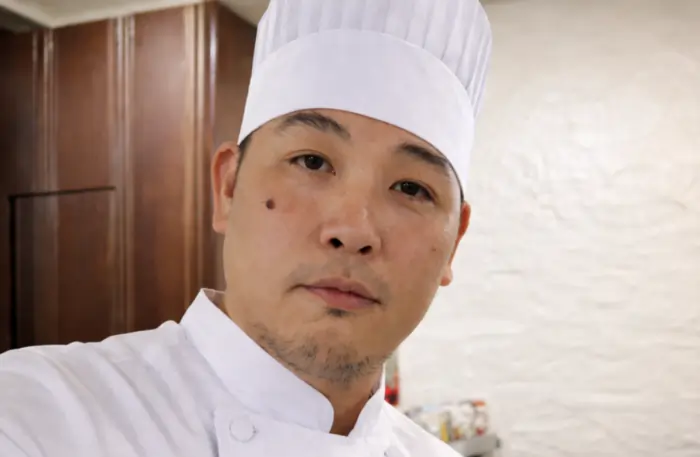
Chef Juan Gadi brings the heart of Filipino hospitality to Ubud, Bali. As an Executive Chef and consultant, he specializes in creating intimate, curated dining experiences that tell a story through every dish. Whether leading the kitchen at Kilig Filipino Warung or hosting a private villa dinner, Chef Juan’s approach is defined by warmth, modern technique, and a commitment to culinary excellence.