Why Filipino Cuisine Is a Cultural Bridge for Bali Travelers Key Takeaways
Why Filipino cuisine is a cultural bridge for Bali travelers goes beyond taste — it’s about shared heritage, warm hospitality, and the comfort of familiar flavors in a foreign land.
- Why Filipino cuisine is a cultural bridge for Bali travelers because it offers a taste of home for overseas Filipinos and a discovery of new flavors for international visitors.
- Filipino restaurants in Bali are becoming cultural hubs where travelers share meals and build cross-cultural understanding.
- Authentic Filipino dishes like adobo, sinigang, and lechon are popular among Bali visitors seeking familiar yet exotic culinary experiences.
What Readers Should Know About Why Filipino Cuisine Is a Cultural Bridge for Bali Travelers
When I first arrived in Bali, I didn’t expect to find a piece of the Philippines tucked into the island’s vibrant food scene. But there I was, sitting at a small warung in Ubud, the scent of garlic and vinegar wafting from the kitchen. The cook emerged with a plate of chicken adobo — tender, savory, and unmistakably Filipino. In that moment, I understood why Filipino cuisine is a cultural bridge for Bali travelers. It’s not just food; it’s a conversation starter, a memory trigger, and a handshake between two cultures. For a related guide, see Why Bali Remains a Favorite Destination for Food Lovers.
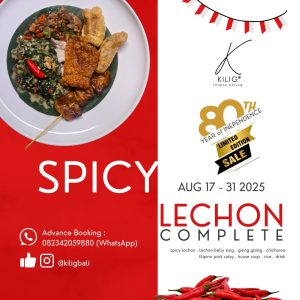
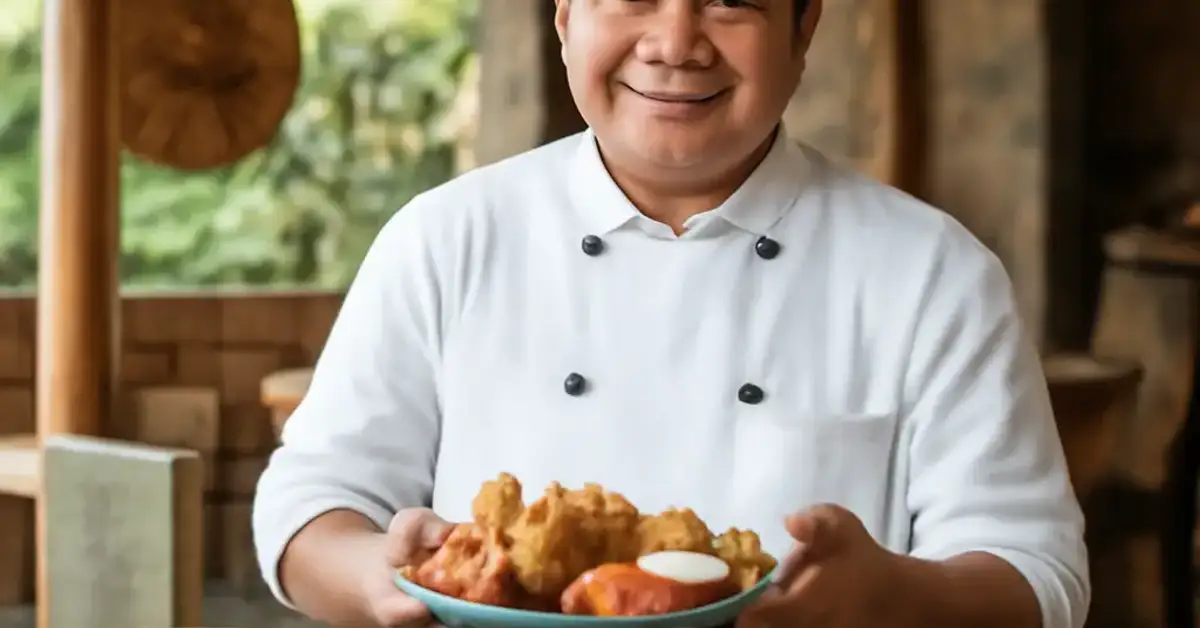
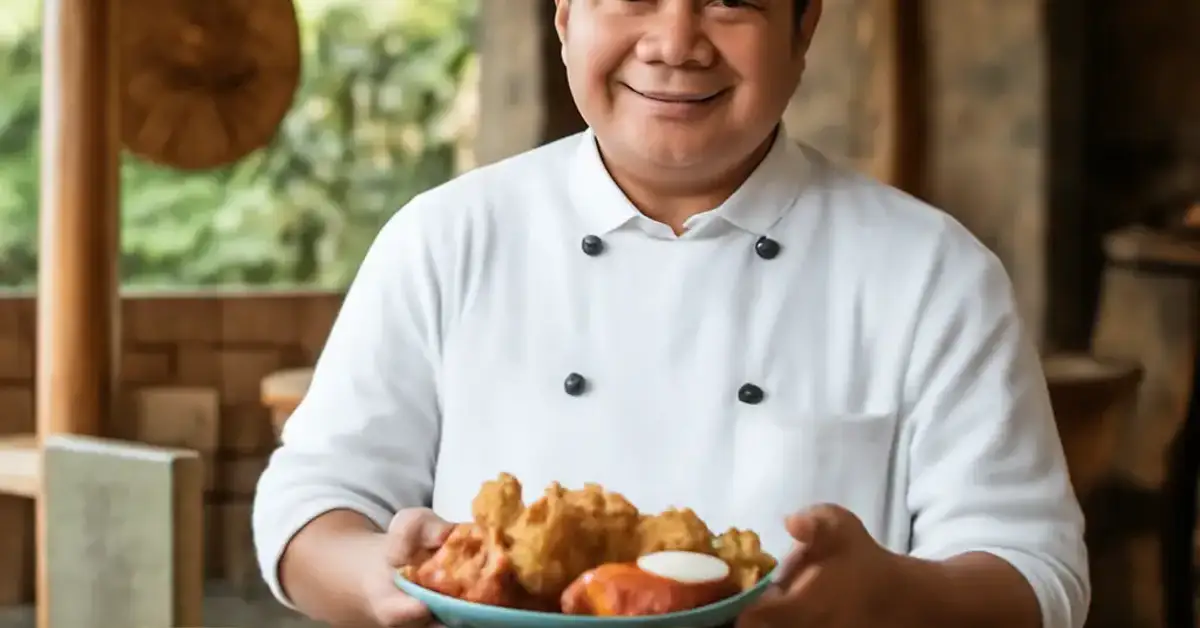
Chef Juan Gadi, Executive Chef and consultant in Ubud, has made it his mission to share that connection. Whether at Kilig Filipino Warung or a private villa dinner, Chef Juan uses modern techniques and traditional flavors to tell the story of the Philippines. His philosophy is simple: food should warm the heart and open the mind. For travelers in Bali, that means a chance to taste something familiar yet new, comforting yet adventurous.
From the shores of the Philippines to the rice terraces of Bali, this cuisine travels well — and for good reason. Let’s explore ten powerful insights into why Filipino cuisine is a cultural bridge for Bali travelers.
How Filipino Cuisine Bridges Cultures for Bali Travelers
Filipino cuisine is a natural cultural bridge because it shares ingredients, techniques, and values with Balinese cooking. Both cuisines rely on rice, coconut, vinegar, and fresh seafood. Both celebrate communal eating. And both put hospitality at the center of every meal.
For travelers in Bali, discovering Filipino food is like meeting a friendly neighbor. The flavors are distinct but not alien. The dishes are humble yet deeply satisfying. This is why Filipino cuisine is a cultural bridge for Bali travelers — it welcomes without overwhelming.
Why Filipino Travelers Seek Familiar Food While Visiting Bali
Travel can be exhilarating, but it can also be exhausting. For Filipino travelers in Bali, the search for familiar food is a search for comfort. A bowl of sinigang or a plate of crispy pata can feel like a hug from home. Chef Juan understands this deeply. He creates dishes that evoke memories of family meals and fiestas back in the Philippines.
This craving for home-cooked flavors is not just nostalgia; it’s a need for grounding. And when Filipino travelers find those flavors in Bali, they feel seen and understood. That emotional connection is at the heart of why Filipino cuisine is a cultural bridge for Bali travelers.
How Filipino Food Introduces International Visitors to Philippine Culture
For international visitors, Filipino food is a gateway to understanding the Philippines — its history, its geography, and its people. Each dish tells a story. Adobo reflects the Spanish and Malay influences on the archipelago. Kinilaw showcases the raw seafood tradition that bridges the Philippines with other Austronesian cultures. Lechon celebrates the communal joy of fiestas.
When diners at Chef Juan’s table taste these dishes, they gain insight into a culture that values family, resilience, and celebration. That’s why Filipino cuisine is a cultural bridge for Bali travelers — it turns a meal into a cultural lesson.
What Makes Filipino Cuisine Appealing to Travelers Exploring Bali
Several factors make Filipino cuisine a magnet for travelers in Bali:
- Flavor diversity — The balance of salty, sour, sweet, and savory appeals to a wide range of palates.
- Ingredient overlap — Shared staples like coconut, pandan, and calamansi feel familiar to those who have tried Balinese food.
- Affordability — Many Filipino dishes are budget-friendly, making them accessible to backpackers and luxury travelers alike.
- Healthfulness — With plenty of vegetables, lean proteins, and fermented options, Filipino food aligns with wellness-focused travel.
These elements explain why Filipino cuisine is a cultural bridge for Bali travelers — it fits seamlessly into the island’s multicultural dining scene while offering something unique.
How Filipino Restaurants Contribute to Bali’s Multicultural Dining Scene
Bali’s dining scene is a global mosaic. You’ll find Italian pizzerias, Japanese ramen shops, Mexican taquerias, and now, Filipino warungs. Filipino restaurants like Kilig add a layer of warmth and authenticity that many visitors crave. They don’t just serve food; they create community spaces where travelers can gather and share stories.
Chef Juan’s approach is to make every diner feel like a guest in his home. That hospitality is rare and memorable. For international visitors, it’s why Filipino cuisine is a cultural bridge for Bali travelers — the experience is as meaningful as the meal.
Why Food Creates Meaningful Cultural Connections During Travel
Food is the most accessible form of cultural exchange. When you share a meal, you share a piece of yourself. For travelers, trying local dishes is a way to step into another person’s world. Why Filipino cuisine is a cultural bridge for Bali travelers becomes clear the moment you watch a group of strangers bond over a plate of lumpia and conversation.
Chef Juan often hosts private dinners where guests from different countries sit together. The menu is a conversation starter. Each dish prompts questions — “What’s in this sauce?” “How is this cooked at home?” “What does this mean in your culture?” These questions build understanding and friendship.
How Filipino and Balinese Culinary Traditions Complement One Another
Filipino and Balinese cuisines share a deep respect for fresh ingredients and bold flavors. Both use rice as a staple. Both love a good sambal or dipping sauce. Both celebrate the versatility of coconut — whether in ginataang dishes or Balinese lawar.
Chef Juan experiments with these crossovers, creating dishes like adobo with Balinese long pepper or sinigang with local tamarind. These fusion dishes highlight the harmony between the two cuisines and show why Filipino cuisine is a cultural bridge for Bali travelers.
What Role Filipino Hospitality Plays in the Dining Experience
Filipino hospitality is legendary. It’s warm, generous, and sincere. When you dine at a Filipino restaurant in Bali, you are treated not as a customer but as a guest. The staff will check on you, recommend dishes, and maybe even share a story or two.
Chef Juan embodies this ethos. For him, hospitality is about making people feel valued. That human touch is why Filipino cuisine is a cultural bridge for Bali travelers — it turns a meal into a relationship.
How Authentic Filipino Cuisine Helps Overseas Filipinos Feel at Home
For the millions of overseas Filipinos living and working abroad, food is a lifeline to home. In Bali, the Filipino community often gathers at restaurants like Kilig to celebrate birthdays, holidays, or simply a Sunday lunch. The food transports them back to the Philippines.
Chef Juan sees this every day. He sources ingredients like bagoong, patis, and calamansi to ensure the flavors are authentic. For overseas Filipinos, finding a place that serves real Filipino food is a gift. That emotional resonance is a key reason why Filipino cuisine is a cultural bridge for Bali travelers — it connects people to their roots. For a related guide, see Food Connects Filipinos to Cultural Roots: 1 Chef’s Story in Bali.
Why Shared Meals Are Important for Building Cultural Understanding
There’s a reason diplomacy often happens over dinner. Shared meals create a space for dialogue, empathy, and connection. When travelers eat together, they learn about each other’s traditions and values. Why Filipino cuisine is a cultural bridge for Bali travelers can be summed up in one word: togetherness.
Chef Juan encourages communal dining at his events. He serves family-style platters that invite sharing and conversation. This approach breaks down barriers and builds bridges — literally at the table.
Which Traditional Filipino Dishes Are Popular Among Travelers in Bali
Some dishes have become favorites among Bali visitors:
- Adobo — The national dish, often made with chicken or pork braised in vinegar, soy sauce, and garlic.
- Sinigang — A sour soup made with tamarind, vegetables, and your choice of meat or shrimp.
- Lechon — Roasted whole pig, a centerpiece of Filipino celebrations.
- Lumpia — Crispy spring rolls filled with vegetables and meat, served with sweet chili sauce.
- Halo-halo — A shaved ice dessert with fruits, beans, and leche flan, perfect for Bali’s tropical heat.
These dishes are approachable yet distinct, which is why Filipino cuisine is a cultural bridge for Bali travelers — they satisfy curiosity without alienating the eater.
How Filipino Cuisine Encourages Cultural Exchange Between the Philippines and Indonesia
Food is a powerful tool for diplomacy and cultural exchange. Filipino restaurants in Bali often host events that showcase Philippine art, music, and traditions alongside the food. These events attract both Filipinos and Indonesians, sparking dialogue and mutual appreciation.
Chef Juan has collaborated with Balinese chefs to create fusion menus that celebrate both heritages. This culinary collaboration is a practical demonstration of why Filipino cuisine is a cultural bridge for Bali travelers — it builds understanding one dish at a time.
What Travelers Can Learn About Filipino Heritage Through Its Food
Filipino food is a textbook of the nation’s history. The sour notes tell of tropical abundance. The use of pork and vinegar points to Spanish colonization. The coconut and rice connect to Malay roots. When travelers eat Filipino food, they are essentially reading a story of conquest, adaptation, and resilience.
Chef Juan loves to explain these connections to his guests. For him, the kitchen is a classroom. He believes that understanding the story behind a dish makes it taste better. That educational layer is another reason why Filipino cuisine is a cultural bridge for Bali travelers.
Why Culinary Tourism Strengthens Appreciation for Different Cultures
Culinary tourism has grown exponentially because people crave authentic experiences. Tasting a culture’s food is one of the most direct ways to understand it. For travelers in Bali, seeking out Filipino cuisine offers a deeper, more personal connection to the Philippines.
It also fosters respect. When you know how a dish is made and what it means, you appreciate it more. Why Filipino cuisine is a cultural bridge for Bali travelers ties directly into this — it makes culture accessible and meaningful.
How Filipino Cuisine Enriches the Overall Travel Experience in Bali
Travel is about discovery—new places, new people, new flavors. Including Filipino cuisine in a Bali itinerary adds a delicious layer to that discovery. It offers contrast and comfort, adventure and familiarity.
Chef Juan’s curated dining experiences allow travelers to taste the Philippines without leaving Bali. For many, this becomes a highlight of their trip. They leave not only satisfied but also enriched. That’s the ultimate reason why Filipino cuisine is a cultural bridge for Bali travelers — it makes travel more connected and more human.
Common Mistakes Travelers Make When Exploring Filipino Cuisine in Bali
Even though Filipino food is welcoming, there are a few missteps to avoid:
- Not asking for spice levels — Some dishes can be mild, and others pack heat. Always ask.
- Skipping the desserts — Halo-halo and leche flan are must-tries. Don’t fill up on mains alone.
- Ignoring the dipping sauces — Filipino food is all about contrast. The sauces make the dish.
- Not sharing — Filipino meals are meant to be shared. Order a few dishes and pass them around.
- Forgetting to tip — While not mandatory, tipping is appreciated and supports the hospitality culture.
Avoiding these mistakes will help you fully understand why Filipino cuisine is a cultural bridge for Bali travelers.
Useful Resources
For more on the history of Filipino cuisine and its role in cultural travel, check out these sources:
- Pepper.ph — A comprehensive resource for authentic Filipino recipes and food stories.
- World Travel Guide — Offers context on how food shapes travel experiences across Southeast Asia.
Frequently Asked Questions About Why Filipino Cuisine Is a Cultural Bridge for Bali Travelers
Why Filipino cuisine is a cultural bridge for Bali travelers ?
It shares ingredients and values with Balinese food, offers comfort to overseas Filipinos, and introduces international visitors to Philippine culture through accessible, flavorful dishes.
What makes Filipino hospitality unique in Bali’s dining scene?
Filipino hospitality is warm, generous, and personal. Chefs like Juan Gadi treat every diner as a guest, creating a welcoming atmosphere that fosters connection.
Which Filipino dish is most popular among travelers in Bali?
Chicken adobo is the most popular dish because of its savory, tangy flavor and familiarity to many palates.
How does Filipino food help overseas Filipinos feel at home in Bali?
Authentic flavors like bagoong, sinigang, and lechon evoke memories of home and family, providing emotional comfort and a sense of belonging.
Can Filipino and Balinese cuisines be fused together?
Yes. Chefs like Juan Gadi create fusion dishes that combine Filipino staples like adobo with Balinese ingredients like long pepper or local tamarind.
What can international visitors learn about Philippine culture through its food?
They learn about the country’s colonial history, regional diversity, and values like family, celebration, and resilience through dishes and their stories.
Why do shared meals build cultural understanding?
Sharing food encourages conversation, empathy, and exchange of traditions, breaking down barriers between people from different backgrounds.
Is Filipino food spicy?
Not typically, but some dishes can be adjusted for spice. It’s best to ask your server about the heat level of each dish.
What is the best Filipino dessert to try in Bali?
Halo-halo, a shaved ice dessert with fruits, beans, and leche flan, is a refreshing favorite among Bali travelers.
How do Filipino restaurants contribute to Bali’s multicultural dining?
They add variety to the dining scene and serve as cultural hubs where travelers can gather, share meals, and learn about the Philippines.
What is the significance of vinegar in Filipino cooking?
Vinegar is a key ingredient for preserving food in the tropical climate and provides the sour flavor characteristic of many Filipino dishes like adobo.
Are there Filipino restaurants in Ubud, Bali?
Yes. Kilig Filipino Warung in Ubud is a popular spot run by Chef Juan Gadi, offering authentic Filipino dishes and curated dining experiences.
How does culinary tourism benefit travelers?
It provides deeper cultural immersion, creates memorable experiences, and fosters appreciation for diverse traditions and flavors.
Is Filipino food suitable for vegetarians?
Yes. Dishes like pinakbet, lumpiang gulay, and ginataang gulay are vegetarian-friendly. Always confirm with the chef.
What is the key to Filipino hospitality?
The key is sincere generosity — making guests feel valued, cared for, and part of the family, whether at a warung or a villa dinner.
How can travelers find authentic Filipino food in Bali?
Search for Filipino warungs in Ubud, Seminyak, and Canggu. Look for places that source ingredients from the Philippines and feature traditional cooking methods.
Why is lechon a celebratory dish?
Lechon is traditionally roasted whole pig served at fiestas and special occasions, symbolizing abundance, joy, and community.
What does “kamayan” mean in Filipino dining?
It means “eating with hands,” a traditional communal style of dining that enhances the sensory experience and connection to food.
Can I learn Filipino cooking in Bali?
Yes. Some Filipino restaurants and chefs offer cooking classes or private dining experiences where guests can learn to prepare classic dishes.
How does Chef Juan Gadi define culinary excellence?
For Chef Juan, culinary excellence is about using fresh, quality ingredients, respecting tradition, and presenting dishes with warmth and modern technique.
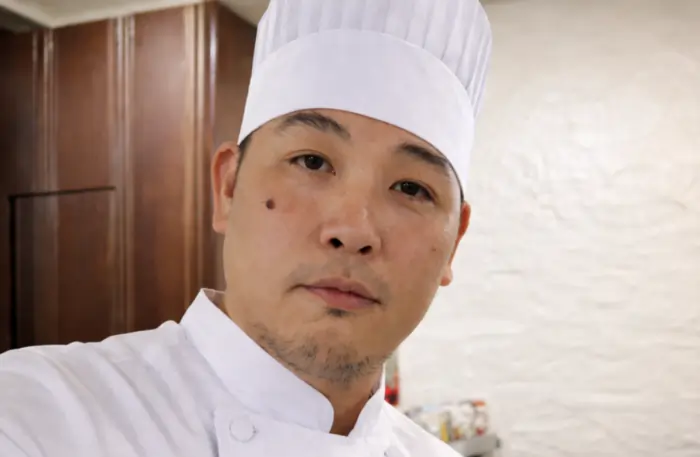
Chef Juan Gadi brings the heart of Filipino hospitality to Ubud, Bali. As an Executive Chef and consultant, he specializes in creating intimate, curated dining experiences that tell a story through every dish. Whether leading the kitchen at Kilig Filipino Warung or hosting a private villa dinner, Chef Juan’s approach is defined by warmth, modern technique, and a commitment to culinary excellence.