Ways Filipino Cuisine Is Evolving in Bali Key Takeaways
Filipino cuisine in Bali is undergoing a vibrant transformation, blending traditional flavors with modern techniques and local Balinese ingredients.
- Ways Filipino Cuisine Is Evolving in Bali include farm-to-table sourcing, private dining experiences, and creative fusions with Southeast Asian flavors.
- Modern Filipino kitchens in Ubud and Seminyak are reimagining classics like adobo, sinigang, and lechon with contemporary presentations.
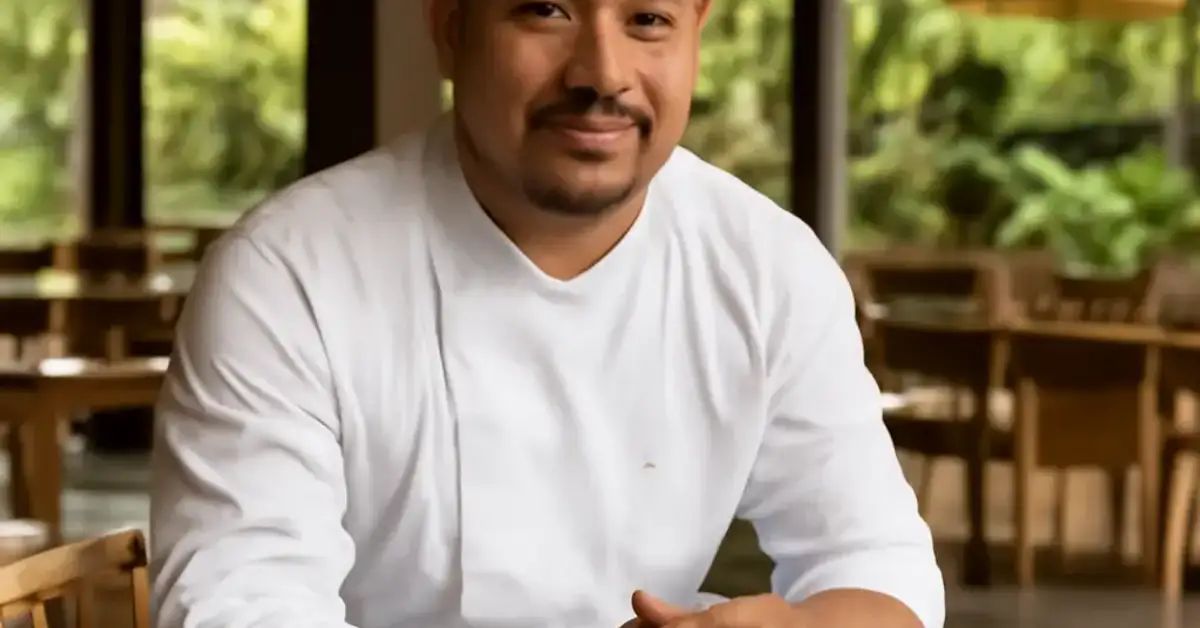
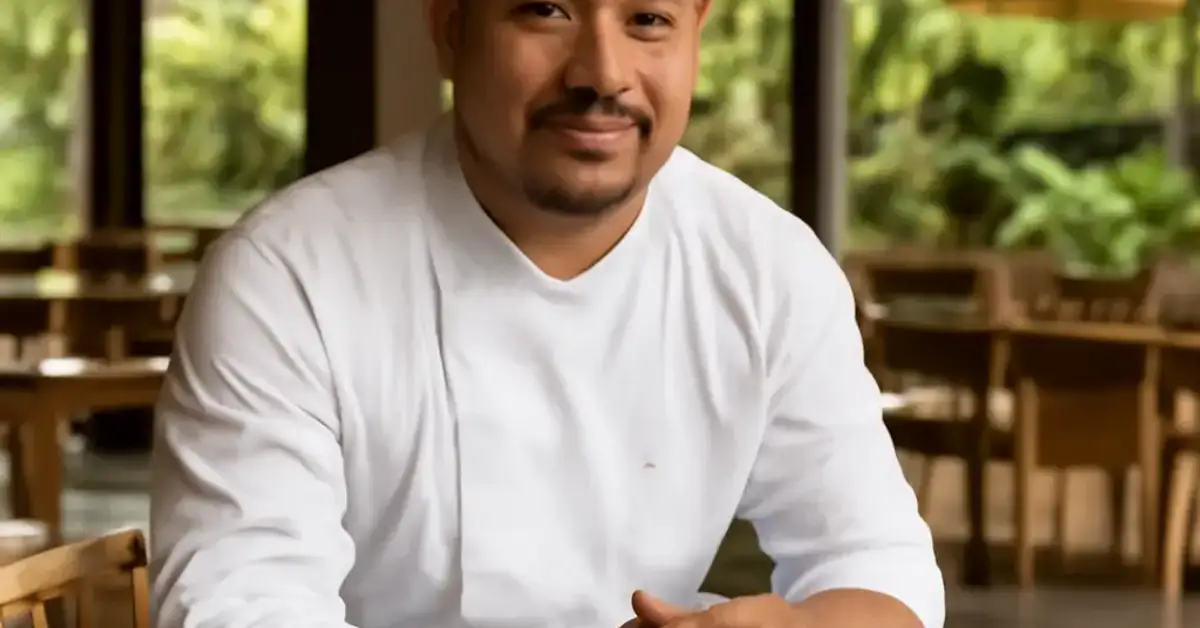
- Chef Juan’s warm hospitality and curated menus make every meal a journey into Filipino culture, accessible to both tourists and locals.
What Drives the Evolution of Filipino Cuisine in Bali
Bali has always been a melting pot of cultures, and its food scene reflects that openness. Filipino cuisine, long overshadowed by its Southeast Asian neighbors, is now stepping into the spotlight thanks to passionate chefs like Juan Gadi. The Ways Filipino Cuisine Is Evolving in Bali are not just about new recipes — they represent a deeper story of migration, fusion, and a desire to share the warmth of Filipino hospitality.
Chef Juan brings this philosophy to life at his Kilig Filipino Warung and through private villa dinners. He sources local Balinese produce — from heirloom rice to fresh seafood — and marries them with traditional Filipino cooking methods. The result is a dining experience that feels both familiar and excitingly new.
12 Ways Filipino Cuisine Is Evolving in Bali
Here are the key Ways Filipino Cuisine Is Evolving in Bali, as observed and crafted by Chef Juan Gadi.
1. Farm-to-Table Filipino Dishes
Chef Juan works directly with local farmers in Ubud to source organic vegetables, free-range chicken, and fresh herbs. This farm-to-table approach adds a Balinese freshness to classics like chicken inasal and laing, making them lighter and more vibrant.
2. Modernized Adobo
The quintessential Filipino adobo is being reinvented. Chef Juan’s version uses coconut vinegar aged in Bali and a touch of palm sugar, served with heirloom rice and pickled papaya. It honors tradition while embracing local ingredients. For a related guide, see 12 Modern Filipino Dishes You Can Experience in Bali.
3. Sinigang with a Tropic Twist
Instead of the usual tamarind, some Balinese Filipino kitchens use local kaffir lime leaves and asam gelugor for that signature sour broth. The result is a sinigang that tastes like the island itself — bright, zesty, and unforgettable.
4. Private Villa Dining as a Filipino Experience
Chef Juan specializes in intimate dinner parties where guests enjoy a multi-course tasting menu paired with stories about each dish. This personalized approach turns a meal into a cultural exchange, which is one of the most exciting Ways Filipino Cuisine Is Evolving in Bali.
5. Lechon with Crispy Balinese Spices
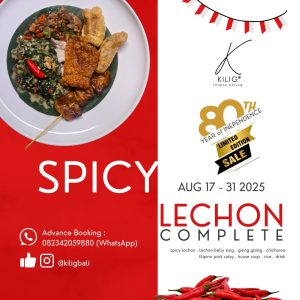
Lechon, the beloved roasted pig, now gets a Balinese rub of shallots, turmeric, and lemongrass. Chef Juan slow-roasts it over coconut husks for an extra layer of smokiness, then serves it with a tamarind-mango dip.
6. Plant-Based Filipino Comfort Food
With Bali’s strong wellness culture, vegan versions of Filipino classics are gaining popularity. Dishes like ube pancakes, tokwa’t baboy (made with tofu), and ginataang langka (young jackfruit in coconut milk) appear on menus from Canggu to Ubud.
7. Halo-Halo Goes Artisanal
The iconic shaved ice dessert is being elevated with house-made leche flan, ube halaya, and coconut ice cream. Some chefs even add a drizzle of local honey and crushed macadamia nuts for crunch. It’s a dessert that Instagram loves and foodies crave.
8. Kilig Warung’s Boodle Fights
Chef Juan hosts communal boodle fights — a Filipino military-style feast where food is laid out on banana leaves and eaten with hands. It’s a playful, interactive experience that brings groups together and introduces travelers to the joyful spirit of Filipino eating.
9. Sushi-Inspired Filipino Appetizers
In a creative twist, some chefs serve kinilaw (Filipino ceviche) as sushi-style rolls, with fresh tuna, coconut, and cucumber. It’s a fusion that feels at home in Bali’s seafood-rich waters.
10. Filipino Street Food Pop-Ups
Weekly pop-up stalls in Seminyak and Sanur offer fish balls, isaw (grilled chicken intestines), and kwek-kwek (deep-fried quail eggs). These events attract both nostalgic OFWs and curious tourists looking for authentic bites.
11. Collaboration with Balinese Chefs
Chef Juan regularly collaborates with local Balinese chefs to create cross-cultural menus. Think babi guling (Balinese suckling pig) stuffed with longganisa (Filipino sausage) or sate lilit made with bagoong (fermented shrimp paste) instead of terasi. These collaborations are a testament to how Ways Filipino Cuisine Is Evolving in Bali are becoming a two-way street.
12. Education and Storytelling Through Food
Chef Juan doesn’t just cook — he teaches. During his private dinners, he explains the history of each dish, the significance of ingredients, and the Filipino values of kapwa (shared identity) and pakikisama (companionship). This educational layer adds depth to the dining experience and helps travelers appreciate the culture behind the cuisine.
How These Changes Reflect Chef Juan Gadi’s Philosophy
At the heart of every innovation is Chef Juan’s belief that food should connect people. He says, “Filipino hospitality is about making everyone feel like family. When I cook, I share my story and my culture.” His approach — rooted in authenticity yet open to influence — perfectly captures the Ways Filipino Cuisine Is Evolving in Bali. For him, evolution is not about losing tradition but about giving it a new voice.
Whether you’re a food enthusiast, a traveler exploring Ubud, or a chef looking for inspiration, Chef Juan’s work shows that Filipino food is not just surviving in Bali — it’s thriving, growing, and winning hearts.
Useful Resources
For more on the Filipino food movement in Bali, check out Travelfish’s guide to intimate dining in Ubud and Now Bali’s feature on Filipino cuisine trends.
Frequently Asked Questions About Ways Filipino Cuisine Is Evolving in Bali
What are the main Ways Filipino Cuisine Is Evolving in Bali ?
Key evolutions include farm-to-table sourcing, modernizing traditional dishes like adobo and sinigang, offering private dining experiences, and fusing Filipino flavors with Balinese ingredients. For a related guide, see 9 Filipino Dining Trends Influencing Bali’s Culinary Scene.
Where can I try modern Filipino food in Bali?
Top spots include Kilig Filipino Warung in Ubud, pop-ups in Seminyak, and private villa dinners hosted by Chef Juan Gadi.
Is Filipino cuisine popular among tourists in Bali?
Yes, thanks to its unique flavors and interactive dining styles like boodle fights, it’s gaining a strong following among both international and Filipino tourists.
What is a boodle fight?
It is a Filipino communal feast where food is spread on banana leaves and eaten with hands. Chef Juan hosts these at his warung for a joyful group experience.
How does Chef Juan Gadi incorporate Balinese ingredients?
He uses local produce like heirloom rice, kaffir lime, and coconut vinegar, and adapts Filipino recipes to feature tropical produce from Ubud’s farms.
Are there vegan Filipino options in Bali?
Yes, many chefs now offer plant-based versions of classics like ginataang langka, tokwa’t baboy with tofu, and ube pancakes.
What is kinilaw?
Kinilaw is a Filipino ceviche made with fresh fish, vinegar, citrus, and spices. In Bali, it’s sometimes served as a sushi-style roll.
Can I book a private dinner with Chef Juan Gadi?
Yes, he offers private villa dining experiences tailored to groups, with a storytelling menu that explores Filipino culture.
What makes modern Filipino adobo different?
Modern versions often use local vinegars, palm sugar, and creative proteins like duck or jackfruit, served with Balinese-inspired sides.
Why is Filipino cuisine evolving faster in Bali than elsewhere?
Bali’s diverse culinary scene, international tourist traffic, and abundant local ingredients create a perfect environment for experimental Filipino cooking.
Is halo-halo available in Bali?
Yes, artisanal versions are served in several warungs, featuring homemade ice cream, ube halaya, and toppings like macadamia nuts.
What is Kilig Filipino Warung known for?
It’s known for warm hospitality, authentic yet creative dishes, and its signature boodle fight experience in a cozy Ubud setting.
Do I need to make a reservation for Chef Juan’s dinners?
Yes, due to limited seating and high demand, reservations are recommended for both the warung and private events.
Are Filipino chefs collaborating with Balinese chefs?
Yes, collaborations are common, resulting in fusion dishes like babi guling stuffed with longganisa and sate lilit with bagoong.
What is the best time to try Filipino food in Bali?
Year-round, but pop-ups and special events are more frequent during the peak tourist season from April to October.
Can I find Filipino street food in Bali?
Yes, pop-ups in Seminyak and Sanur offer fish balls, isaw, kwek-kwek, and other street food classics.
Is Filipino food spicy?
Not typically, but Balinese adaptations often add a mild kick using local chilies and spices.
How does Chef Juan tell stories through food?
He shares the history and cultural significance of each dish during meals, creating a deeper connection between diners and Filipino heritage.
What is the price range for a private Filipino dinner in Bali?
Prices vary but typically start from around IDR 350,000 per person for a curated tasting menu at the warung, more for exclusive villa events.
Are there cooking classes for Filipino cuisine in Bali?
Chef Juan occasionally offers hands-on cooking sessions where guests learn to make adobo, lumpia, and other Filipino favorites.
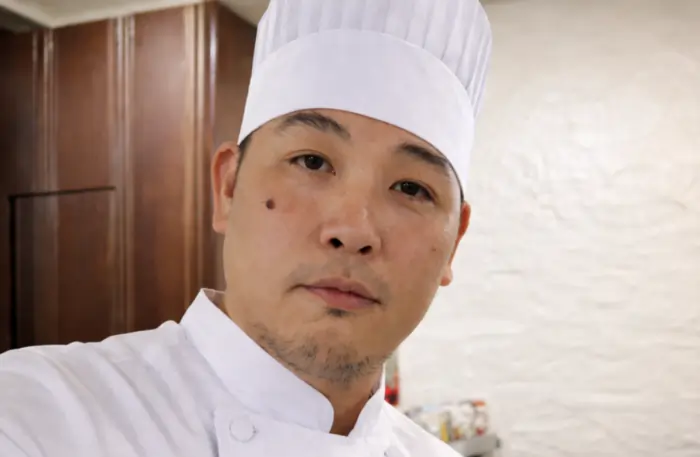
Chef Juan Gadi brings the heart of Filipino hospitality to Ubud, Bali. As an Executive Chef and consultant, he specializes in creating intimate, curated dining experiences that tell a story through every dish. Whether leading the kitchen at Kilig Filipino Warung or hosting a private villa dinner, Chef Juan’s approach is defined by warmth, modern technique, and a commitment to culinary excellence.