Filipino Cuisine Is Winning the Hearts of Bali Travelers Key Takeaways
Filipino cuisine is winning the hearts of Bali travelers by blending bold, sour-salty flavors with deeply personal hospitality.
- Filipino cuisine is winning the hearts of Bali travelers because of its unique savory-sour flavor profile and warm, family-style dining culture.
- Popular dishes like adobo, sinigang, and lechon kawali are easy for first-timers to love and remember.
- Authentic Filipino restaurants in Bali , especially Chef Juan’s Kilig Filipino Warung, offer curated experiences that combine traditional recipes with modern techniques.
What Makes Filipino Cuisine Winning Hearts of Bali Travelers So Unique
Filipino food has long been a hidden gem in Southeast Asia, but in Bali, it is finally getting the spotlight it deserves. The rise of chefs like Juan Gadi, who blend heritage cooking with contemporary flair, is one big reason Filipino cuisine is winning the hearts of Bali travelers. Unlike the more familiar Thai or Vietnamese cuisines, Filipino cooking stands out for its playful use of sourness, saltiness, and umami — often in the same bite. Think of the tangy tamarind broth in sinigang or the rich, garlicky soy-vinegar marinade of adobo. These are flavors that linger in your memory and make you crave another visit.
The Flavor Profile That Sets Pinoy Food Apart
If you have never tried Filipino food before, prepare for a taste adventure. Sour notes from calamansi (a local citrus), tamarind, and green mango take center stage. Saltiness comes from fish sauce (patis) and shrimp paste (bagoong). The cuisine also loves crunch — from crispy pata (deep-fried pork leg) to chicharon (pork cracklings). For international visitors, these bold contrasts are instantly addictive. That is why Filipino cuisine is winning the hearts of Bali travelers: it feels both exotic and comforting at the same time.
Why Filipino Food Is Becoming More Popular in Bali Right Now
Bali draws food lovers from all over the world, and its dining scene has matured far beyond nasi goreng and mie goreng. Travelers today are hungry for authentic, less-commercialized flavors, and Filipino food fits that bill perfectly. The growing community of Filipino expats and chefs in Bali has also contributed to why Filipino cuisine is popular in Bali. Restaurants like Kilig Filipino Warung in Ubud are becoming go-to spots for both expats and tourists seeking something new. Additionally, the rise of curated dining experiences — private villa dinners, tasting menus, and food tours — has given Filipino chefs a platform to tell their story through food. For a related guide, see Why Filipino Cuisine Appeals to Every Kind of Bali Food Explorer.
How Filipino Hospitality Elevates Every Meal
Filipino hospitality, known as “malasakit” — a deep sense of care and warmth — is a key reason Filipino cuisine is winning the hearts of Bali travelers. When you eat at a restaurant run by Chef Juan Gadi, you are not just a customer. You are a guest in his home. This translates into attentive service, generous portions, and a genuine desire to share culture. Travelers often remark that the warmth of the staff and the personal stories behind each dish make the meal unforgettable. In a world of fast dining, this human touch is a rare gift.
7 Filipino Dishes Every Traveler Should Try First
To truly understand why Filipino cuisine is popular in Bali, you need to taste the classics. Here are seven dishes that offer a perfect introduction:
1. Chicken Adobo
The unofficial national dish of the Philippines. Chicken (or pork) is braised in soy sauce, vinegar, garlic, bay leaves, and black peppercorns until tender. The result is a savory, tangy, and garlicky stew that pairs beautifully with steamed rice. It is the ultimate comfort food for first-timers.
2. Sinigang na Baboy
A sour soup made with pork ribs and tamarind, loaded with vegetables like kangkong (water spinach), okra, and eggplant. Its bright, tangy broth is a palate-cleansing delight, especially in Bali’s tropical heat.
3. Lechon Kawali
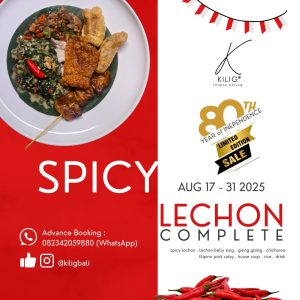
Deep-fried pork belly with extremely crispy skin and juicy meat. Served with a side of liver sauce or vinegar dipping sauce. It is crispy, fatty, and utterly satisfying.
4. Kare-Kare
A thick, savory stew made from oxtail and tripe in a peanut-based sauce, colored with annatto. It comes with a side of bagoong (shrimp paste), and the combination of creamy, umami sauce and salty paste is unforgettable.
5. Pancit Palabok
Rice noodles topped with a rich, orange shrimp sauce, crushed chicharon, hard-boiled eggs, and scallions. It is the classic fiesta noodle dish, bursting with flavor and texture.
6. Sisig
A sizzling plate of chopped pork face, ears, and liver, seasoned with calamansi and chili. Usually served with a raw egg on top that cooks from the heat of the plate. Modern versions include chicken or tofu, but the original pork sisig is a must-try.
7. Halo-Halo
The ultimate Filipino dessert — a shaved ice concoction layered with sweetened beans, jackfruit, coconut strips, leche flan, ube ice cream, and evaporated milk. It is a rainbow in a glass and the perfect way to cool down.
Where to Find Authentic Filipino Restaurants in Bali
If you are wondering where can I find authentic Filipino restaurants in Bali, the answer is growing. The most celebrated spot right now is Kilig Filipino Warung in Ubud, run by Chef Juan Gadi. Here, you can enjoy a la carte classics or join a curated Chef’s Table experience where Juan himself explains the origins of each dish. Other emerging venues include pop-ups in Canggu and Seminyak, often hosted at local food markets or private events. For the most immersive experience, book a private dinner at your villa. Chef Juan offers customized menus that use fresh Balinese produce while staying true to Filipino techniques. For a related guide, see 10 Filipino Menu Favorites Worth Ordering in Bali.
What Dining Experiences Should Visitors Not Miss
Beyond the warung itself, travelers should not miss a Filipino Kamayan dinner — a feast where food is served on banana leaves and eaten with your hands. This sensory dining experience is offered at Kilig Filipino Warung on select evenings. It is more than a meal; it is a celebration of community, touch, and flavor. Another not-to-miss experience is a pairing session where Filipino dishes are matched with local Balinese arak (coconut palm wine) or craft cocktails featuring calamansi and pandan.
How Filipino Chefs Blend Tradition with Local Ingredients
Chefs like Juan Gadi understand that Filipino cuisine is winning the hearts of Bali travelers partly because of how it adapts to its environment. In Bali, tamarind and calamansi are locally available, but so are dragon fruit, cacao, and lemongrass. Juan uses these Balinese ingredients to reinterpret Filipino classics. For example, he might use Balinese long beans in his kare-kare or incorporate local heirloom rice varieties into his desserts. This fusion respects tradition while surprising the palate — exactly what adventurous travelers are looking for.
How to Plan Your Filipino Food Journey in Bali
Ready to taste for yourself? Here is a simple checklist to make the most of your culinary adventure:
- Start at Kilig Filipino Warung in Ubud for an authentic introduction to Filipino food in Bali.
- Book a Kamayan experience at least two days in advance, as spots fill quickly.
- Ask for recommendations from the chef — Chef Juan will often suggest off-menu items based on seasonal ingredients.
- Combine your meal with a cultural tour — explore Ubud’s temples or rice terraces, then reward yourself with a hearty Filipino lunch.
- Try at least three dishes to understand the range of flavors: a sour soup, a salty-stew, and a crispy item.
Useful Resources
Learn more about Filipino cuisine and its rise in Bali from these trusted sources:
- Rappler – Filipino Cuisine Gains Global Recognition – A broader look at how Pinoy food is making waves worldwide.
- The Bali Insider – Filipino Food Scene in Bali – A local guide to Filipino restaurants and food events across the island.
Are you ready to taste the warmth and flavor of the Philippines right here in Bali? Book a table at Kilig Filipino Warung in Ubud with Chef Juan Gadi and discover firsthand why Filipino cuisine is winning the hearts of Bali travelers. Whether you choose a classic adobo lunch or a full Kamayan feast, you will leave with a full stomach and a happy heart.
Frequently Asked Questions About Filipino Cuisine Winning Hearts of Bali Travelers
Is Filipino food spicy?
Filipino food is generally not very spicy. It relies more on sour, salty, and savory flavors. However, chili is often served on the side, so diners can add heat to their liking.
What is the most popular Filipino dish among tourists?
Chicken adobo is the most popular starter dish. Its familiar soy-vinegar base makes it approachable for first-timers, while its tangy depth keeps them interested.
Can I find vegetarian Filipino food in Bali ?
Yes. While Filipino food traditionally features meat, many restaurants now offer vegetarian versions of dishes like adobo (using mushrooms or tofu) and sinigang (using vegetable broth). Chef Juan Gadi also prepares plant-based options upon request.
Are there Filipino restaurants in Seminyak or Canggu?
Most authentic Filipino restaurants in Bali are concentrated in Ubud, but pop-ups and dinner events frequently occur in Seminyak and Canggu. Follow Kilig Filipino Warung’s social media for announcements.
What does and quot;Kilig and quot; mean?
“Kilig” is a Filipino word that describes the fluttery feeling of excitement or romantic thrill. The name captures the joyful emotion the restaurant wants guests to feel while dining.
Do I need to make a reservation at Kilig Filipino Warung?
Reservations are highly recommended, especially for the Kamayan dinner experience. Walk-ins are welcome for a la carte meals, but booking ahead ensures you get a table.
Is Filipino food halal-friendly?
Filipino food includes many pork-based dishes, but most restaurants can accommodate halal requests using chicken or beef. Always inform the restaurant in advance.
What is a Kamayan dinner?
Kamayan is a traditional Filipino way of eating where food is spread on banana leaves and eaten with your hands. It is a communal, fun, and sensory experience.
How much does a Filipino meal cost in Bali?
A la carte dishes at Kilig Filipino Warung range from about 40,000 to 80,000 IDR (around $2.50 to $5). Kamayan feasts and Chef’s Table experiences are priced higher, depending on the menu.
Can I bring my family to a Filipino restaurant?
Absolutely. Filipino dining is family-oriented, and most restaurants welcome children. The Kamayan dinner is especially fun for kids because of the hands-on style.
What drink pairs well with Filipino food?
A cold bottle of San Miguel beer is a classic pairing. For cocktails, try a calamansi mojito or a pandan-infused gin tonic. Many restaurants also offer local Balinese arak.
Is Filipino food similar to Indonesian food?
Both cuisines share some ingredients (rice, coconut, soy sauce), but Filipino food is distinct. It is more sour and vinegary, with less reliance on chili and coconut milk compared to Indonesian cuisine.
Do Filipino restaurants in Bali offer delivery?
Some do. Check with Kilig Filipino Warung for delivery availability in the Ubud area. At the moment, the best experience is dining in, but takeaway is sometimes offered.
What is the best time of day to enjoy Filipino food?
Filipino food is wonderful for lunch or dinner. The heavy stews and soups are comforting in the evening, while lighter dishes like pancit are perfect midday meals.
Are there Filipino desserts worth trying?
Yes! Halo-halo is the most famous. Other must-try desserts include leche flan (creamy caramel custard) and ube halaya (purple yam jam). Many restaurants serve a fusion version of these.
Can I host a private event at a Filipino restaurant in Bali?
Yes. Chef Juan Gadi offers private villa dinners and group dining experiences. These are perfect for birthday parties, anniversaries, or corporate gatherings with a personal touch.
What makes Chef Juan Gadi’s cooking special?
Chef Juan combines traditional Filipino recipes with modern technique and Balinese ingredients. He also prioritizes storytelling and hospitality, making each meal a cultural experience.
Is Filipino food safe for people with dietary restrictions?
Most restaurants can accommodate gluten-free, dairy-free, or nut-free requests. Contact the restaurant ahead of time to discuss your needs. Many dishes are naturally free of common allergens.
How do I find Filipino food events in Bali?
Follow local food bloggers and the social media pages of Kilig Filipino Warung. Pop-up dinners are often announced weekly, especially during Bali’s festival seasons.
Will I like Filipino food if I am not adventurous?
Absolutely. Dishes like chicken adobo and lechon kawali are very approachable — they are simply well-cooked meat with rice. Start with these, then gradually explore the more unique flavors.
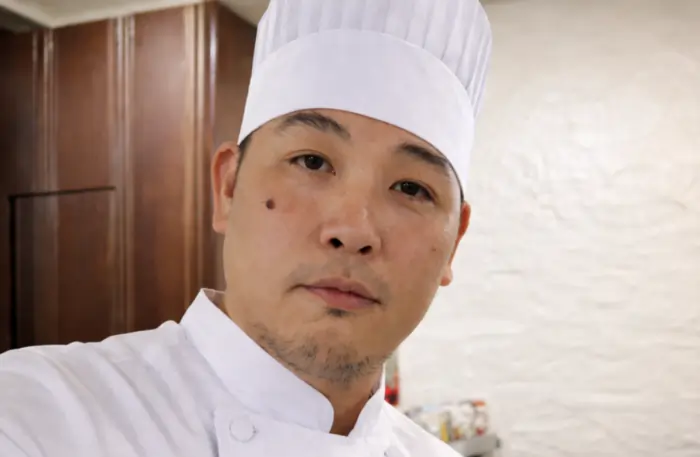
Chef Juan Gadi brings the heart of Filipino hospitality to Ubud, Bali. As an Executive Chef and consultant, he specializes in creating intimate, curated dining experiences that tell a story through every dish. Whether leading the kitchen at Kilig Filipino Warung or hosting a private villa dinner, Chef Juan’s approach is defined by warmth, modern technique, and a commitment to culinary excellence.