Why Shared Dining Strengthens Team Connections Key Takeaways
When colleagues gather around a table, they do more than share food—they share experiences, build trust, and break down professional barriers.
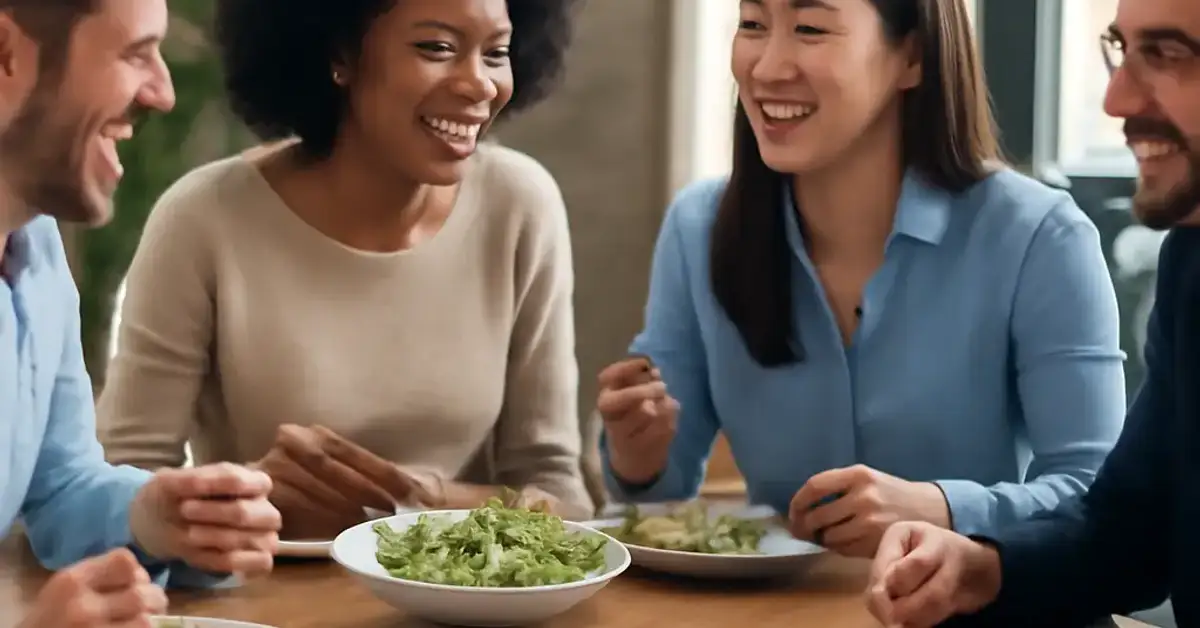
- Regular shared dining experiences directly strengthen shared dining and team connections by creating a neutral space for authentic interaction.
- Team building activities centered around meals are more effective at improving workplace relationships and employee morale than traditional corporate exercises.
- Intentional corporate dining programs support organizational culture , trust building , and long-term team cohesion in both office and remote settings.
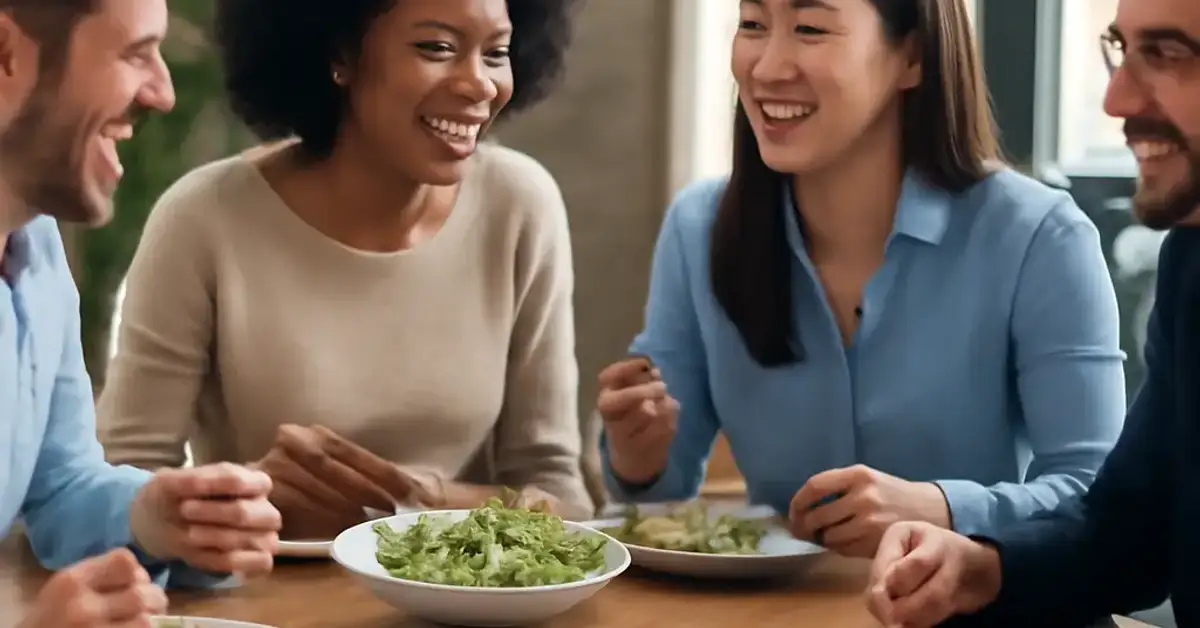
What Are the Benefits of Shared Dining for Teams?
The benefits of eating together extend far beyond a full stomach. When teams engage in shared dining, they activate a primal social bonding mechanism that modern workplace structures often neglect. Below are the core advantages observed across organizations that prioritize group dining.
Improved Workplace Communication
Conversations over a meal are naturally less hierarchical. The setting softens formal dynamics, allowing junior team members to speak more freely. This improvement in workplace communication carries over into daily operations, meetings, and project handoffs. Collaboration skills sharpen because people practice listening and responding outside the pressure of deadlines.
Strengthened Trust Building
Sharing food involves vulnerability and generosity—both of which accelerate trust building. When a leader buys lunch for the team or a colleague brings a homemade dish, it signals care. Over time, these small acts of business hospitality build the psychological safety needed for teams to take risks and innovate together.
Higher Employee Morale and Employee Satisfaction
Regular shared meals give employees something to look forward to. They break the monotony of the workday and signal that the company values people, not just productivity. This directly boosts employee morale and employee satisfaction, two key drivers of retention. According to a Gallup study on employee engagement, workplaces with high satisfaction see dramatically lower turnover.
Why Does Shared Dining Strengthen Team Connections?
To understand why shared dining strengthens team connections, we must look at human psychology and cultural anthropology. Eating together is one of the oldest human rituals, designed to build kinship and mutual obligation. In the modern office, that same ritual creates social connection and a sense of belonging.
Neutral Ground and Psychological Safety
Meeting rooms carry tension—they are spaces for negotiation, performance reviews, and tough decisions. A dining table is neutral. It invites conversation without agenda. This neutral environment is fertile ground for psychological safety, where team members feel safe to express ideas, admit mistakes, or simply share personal stories. Group experiences like a shared lunch encourage authentic interaction that conference rooms rarely permit.
Social Bonding Through Shared Meals
Neuroscience shows that eating together releases oxytocin, the “bonding hormone.” When teams break bread, they are literally wiring their brains to trust one another. This biological response explains why shared meals are such a potent tool for team bonding. It is not just about the food—it is about the chemical connection that happens when we eat in the presence of others.
Breaking Silos with Cross Functional Collaboration
Departmental silos are a common barrier to organizational development. Shared dining events that mix teams from different functions naturally break down those walls. When an engineer sits next to a marketing coordinator over a taco bar, they discover common ground. Those informal interactions fuel cross functional collaboration and reduce friction in future projects.
How Do Shared Meals Improve Workplace Communication?
Workplace communication often suffers from status hierarchies, email overload, and lack of face-to-face time. Shared meals fix this by introducing a low-stakes, high-reward communication environment.
Active Listening in a Relaxed Setting
During a meal, people naturally practice active listening because they are not rushing to the next agenda item. The pace slows down. This slower communication rhythm helps team members understand each other’s communication styles, humor, and emotional cues. Over time, this leads to fewer misunderstandings and stronger team cohesion.
Leadership Communication Without the Podium
For executives, leadership communication is about more than delivering quarterly numbers. It is about showing humanity. When a CEO sits down for executive retreats or casual corporate events that include dining, their message becomes more relatable. Employees see them as people, not titles. This humanizes leadership and opens channels for honest feedback.
What Role Does Food Play in Employee Engagement?
Food is a tangible expression of company culture. When an organization invests in quality corporate dining experiences, it sends a powerful message: “We care about your wellbeing.” This directly fuels employee engagement.
Food as a Carrier of Company Values
Choosing local, sustainable, or diverse cuisines can reflect company values such as environmental responsibility or inclusivity. A team lunch that features dishes from a team member’s culture can be a meaningful gesture of respect. Cultural dining experiences, when done thoughtfully, demonstrate that the organization values diversity and inclusion.
Ritual and Anticipation
Humans thrive on ritual. Weekly team lunches, monthly networking dinners, or quarterly company retreats with communal meals create positive anticipation. Employees begin to see these events as highlights of their work life. This anticipation is a powerful driver of workplace engagement because it creates a sense of community and shared narrative.
How Can Businesses Use Group Dining to Build Stronger Teams?
Intentionality is the key. Simply putting food in a breakroom rarely produces the desired results. Businesses must design group dining experiences with clear goals—whether that is improving team cohesion, encouraging collaborative leadership, or boosting employee morale.
Structured Yet Flexible Formats
Mix structured activities with open conversation. For example, start a team lunch with a short icebreaker question (“What is the best meal you have ever had?”) and then let the conversation flow naturally. This balances the need for team building activities with authentic social time.
Rotating Seating and Cross Functional Collaboration
To prevent cliques, rotate seating assignments during corporate events. Encourage people to sit with colleagues they do not work with daily. This intentional mixing supports cross functional collaboration and broadens business relationships across the organization.
Incorporate Cultural Dining Themes
Choose themes that reflect the diversity of the team. A “global lunch” series where each month features a different cuisine can be both educational and bonding. Ensure the focus remains on inclusion and exploration, not stereotyping. This approach to cultural dining enriches group experiences and builds respect.
Why Are Shared Dining Experiences Popular During Corporate Retreats?
Corporate retreats are designed to reset team culture, spark innovation, and build stronger relationships. Shared dining is the backbone of these off-site events because it provides the concentrated social time necessary for deep connection.
Extended Time Together
Unlike a one-hour lunch at the office, retreat meals often span two or three hours. This extended time allows conversations to go beyond small talk into meaningful dialogue about work challenges, personal aspirations, and shared goals. Executive retreats especially benefit from long, uninterrupted dinners where strategic vision can be discussed informally.
Removal of Everyday Distractions
When the team is away from the office, phones and emails fade into the background. Shared dining at a retreat location becomes a focused social experience. This undivided attention is rare in normal work life and accelerates trust building and team bonding.
Celebration of Milestones
Retreats are ideal for celebrating team or company achievements. A celebratory dinner is a powerful way to reinforce company culture and give collective recognition. These moments of positive reinforcement strengthen team connections and create lasting memories that sustain workplace engagement long after the retreat ends. For a related guide, see How Food Creates Meaningful Corporate Retreats in Bali.
How Do Meals Encourage Collaboration and Trust Among Coworkers?
Trust is not built in a single meeting—it is built in moments of shared vulnerability and mutual support. Shared dining provides a reliable context for these moments.
Generosity and Reciprocity
When someone passes a dish, refills a glass, or serves others first, they engage in small acts of generosity. These gestures trigger reciprocity, a deeply ingrained social norm. Over the course of a meal, a dozen such exchanges occur, weaving a web of mutual obligation and care that translates into collaborative teams.
Storytelling and Authenticity
Meals naturally invite storytelling. People share experiences from their weekend, hobbies, or family traditions. These stories reveal personality in ways that work projects cannot. As colleagues learn about each other’s lives, they develop empathy and understanding. This empathy is the foundation of trust building and authentic collaboration skills.
Conflict Resolution in a Safe Space
Sometimes, the best place to resolve a disagreement is over a meal. The act of eating together signals a willingness to set aside conflict and find common ground. Business meetings that include a meal can soften tensions and lead to more productive problem-solving.
What Types of Dining Experiences Work Best for Team Building?
Not all group dining experiences are equally effective. The best ones align with the team’s size, culture, and goals. Below is a comparison of popular formats.
| Experience Type | Best For | Key Benefits |
|---|---|---|
| Family-style lunch | Small to medium teams | Encourages sharing and conversation; low formality |
| Interactive cooking class | All sizes, especially new teams | Hands-on team building activities; builds collaboration |
| Formal networking dinners | Cross-department or client facing | Structured professional networking; high impact |
| Potluck style | Office teams, remote gatherings | Personal investment; celebrates cultural dining |
| Outdoor barbecue or picnic | Large teams, company retreats | Relaxed atmosphere; promotes social connection |
| Virtual tasting or delivery | Remote teams | Inclusive; bridges distance with group experiences |
Interactive Options Build Collaboration Skills
Experiences like cooking classes or sushi-making workshops require teams to work together toward a shared goal. They mimic real project dynamics—communication, delegation, and problem-solving—in a fun, low-stakes environment. These are excellent team building activities that simultaneously improve collaboration skills.
The Power of Cultural Dining
Exploring cuisines from around the world can be a window into different cultures. When teams share dishes from a colleague’s heritage, it fosters inclusion and broadens perspectives. Cultural dining experiences, especially when paired with stories about the food, deepen respect and social connection. For a related guide, see Why Memorable Travel Experiences Often Begin Around a Table.
How Can Companies Plan Meaningful Group Dining Events?
Planning a successful group dining event requires more than booking a table. It demands intentional design around the team’s needs and the desired outcomes.
Define the Purpose
First, clarify the goal. Is it to welcome new hires? To celebrate a milestone? To foster cross functional collaboration? The purpose should dictate the format, location, and menu. A celebratory dinner calls for a different atmosphere than a strategic working lunch.
Consider Dietary Needs and Preferences
Nothing kills the spirit of shared dining faster than when someone cannot eat what is served. Survey the team in advance about allergies, religious restrictions, and dietary preferences. Accommodating these needs demonstrates respect and care, which directly supports employee wellbeing and employee satisfaction.
Create a Comfortable Atmosphere
A loud, crowded restaurant may not be ideal for conversation. Choose venues with good acoustics and a layout that encourages interaction. For company retreats, consider private dining rooms or outdoor spaces that feel exclusive and relaxed.
Facilitate, Don’t Force
Provide conversation starters or light activities, but avoid over-structuring the meal. The best group dining events feel natural, not enforced. A few open-ended questions at the beginning can help, but let the conversation evolve organically.
Best Practices for Planning Shared Dining Events
Drawing from successful examples across industries, here are actionable best practices for any organization.
Frequency Over Grandeur
Regular, small shared meals often outperform occasional lavish banquets. A monthly team lunch builds habit and anticipation. Consistency signals that shared dining is a core part of organizational culture, not just a one-off event. Research on workplace rituals from Harvard Business Review underscores the value of predictable, repeated practices.
Mix Teams Deliberately
Use seating assignments or structured mingling to ensure new business relationships form. Avoid letting the same cliques sit together every time. This practice supports organizational development by breaking down silos and encouraging a unified company culture.
Leverage Business Hospitality
When hosting clients or partners, shared dining is a powerful tool for professional networking and trust building. A well-planned meal signals that you value the relationship beyond the transaction. Business hospitality done right can open doors that formal meetings cannot.
Measure the Impact
Track participation, solicit feedback, and observe changes in workplace productivity and team cohesion. Use pulse surveys to measure employee engagement before and after instituting regular shared dining. This data helps justify continued investment and refine the approach.
Why Do Successful Organizations Invest in Shared Dining Experiences?
The world’s most successful companies—from startups to multinational corporations—invest heavily in shared dining. This is not coincidence; it is strategy. They understand that the ROI of a strong organizational culture far outweighs the cost of a few meals.
Direct Link to Employee Engagement and Retention
When employees feel connected to their colleagues and valued by their organization, they are less likely to leave. Shared dining directly contributes to those feelings of connection and value. High turnover is expensive; a modest investment in corporate dining programs is a fraction of the cost of replacing talent.
Fosters Collaborative Leadership at All Levels
Leaders who eat with their teams model collaborative leadership. They show that they are approachable and invested in relationships, not just results. This cascades through the organization, encouraging managers at every level to prioritize team bonding and social connection.
Creates a Competitive Advantage
In a tight labor market, company culture is a differentiator. Prospective employees look for signs that an organization values people. A reputation for meaningful corporate events and intentional shared dining makes a company more attractive to top talent.
Useful Resources
- Gallup: State of the Global Workplace Report — Data on employee engagement and the factors that drive it.
- Harvard Business Review: The Power of Rituals in the Workplace — Insights on how repeated practices like shared meals build culture.
Frequently Asked Questions About Why Shared Dining Strengthens Team Connections
What are the benefits of shared dining for teams?
Shared dining improves workplace communication, builds trust, boosts employee morale, encourages cross functional collaboration, and strengthens team cohesion. It creates a relaxed environment for authentic interaction.
Why does shared dining strengthen team connections ?
Eating together triggers oxytocin release, builds psychological safety, and provides neutral ground for genuine conversation. It is a primal bonding ritual that translates into stronger workplace bonds.
How do shared meals improve workplace communication?
By removing hierarchical pressure and slowing down conversation pace, shared meals encourage active listening, storytelling, and honest dialogue across all levels of the organization.
What role does food play in employee engagement?
Food acts as a tangible expression of company values and care for employee wellbeing. Regular shared dining rituals create positive anticipation and a sense of belonging, directly fueling employee engagement.
How can businesses use group dining to build stronger teams?
By being intentional—mixing teams, choosing interactive formats, and aligning meals with company goals. Structured yet flexible group dining events foster team bonding and collaboration skills.
Why are shared dining experiences popular during corporate retreats?
Retreats provide extended, distraction-free time for meals. Shared dining during corporate retreats allows deeper conversations, celebration of milestones, and concentrated trust building that accelerates team unity.
How do meals encourage collaboration and trust among coworkers?
Through small acts of generosity like sharing dishes, storytelling that reveals personality, and the relaxation of formal barriers. These elements build empathy and psychological safety.
What types of dining experiences work best for team building?
Interactive formats like cooking classes, family-style lunches, potlucks, and cultural dining themes are most effective. These encourage participation and social connection more than formal sit-down dinners.
How can companies plan meaningful group dining events?
Start by defining the purpose, surveying dietary needs, choosing an appropriate venue, and facilitating without over-structuring the event. Regular, consistent meals often work better than occasional grand events.
Why do successful organizations invest in shared dining experiences?
Because the ROI includes higher employee engagement, lower turnover, stronger company culture, and a competitive talent advantage. Shared dining is a proven lever for organizational development.
What is the best frequency for team dining events?
Monthly team lunches or quarterly larger events are ideal. Consistency builds habit and signals that shared dining is a valued part of the organizational culture.
Can shared dining help remote teams?
Yes. Virtual tasting events, meal delivery to team members’ homes, and guided cooking sessions over video call create group experiences that bridge distance and support team bonding for remote workers.
How does shared dining support leadership development?
It provides informal settings for leadership communication. Leaders who join team meals demonstrate collaborative leadership and become more approachable, which fosters mentoring and open dialogue.
What are the signs that a shared dining event was successful?
Positive feedback from participants, observed cross-team conversations, follow-up collaboration between colleagues, and a measurable lift in employee morale or workplace engagement scores.
How do you handle dietary restrictions at group dining events?
Survey attendees in advance, clearly label all dishes, and work with the caterer or restaurant to provide inclusive options. This demonstrates respect for employee wellbeing and ensures everyone can participate fully.
Is shared dining effective for new teams or onboarding?
Extremely. A welcome lunch or networking dinner helps new hires form workplace relationships quickly, reduces onboarding anxiety, and introduces them to the company culture in a relaxed setting.
What budget is reasonable for corporate dining events?
It varies, but even a modest budget of $15–25 per person for a regular team lunch can yield significant returns in team cohesion and employee satisfaction. The key is consistency, not extravagance.
How does shared dining affect workplace productivity?
By improving workplace communication and trust, it reduces friction in projects and meetings. Teams that eat together tend to collaborate more efficiently, which supports workplace productivity in the long run.
Can shared dining reduce employee turnover?
Yes. Strong social connection and high employee engagement are correlated with lower turnover. When employees feel they belong and have meaningful workplace relationships, they are more likely to stay.
What is the difference between shared dining and traditional team building?
Traditional team building activities often feel forced or performative. Shared dining is a natural, enjoyable ritual that builds trust and connection organically, without the pressure of structured exercises or games.
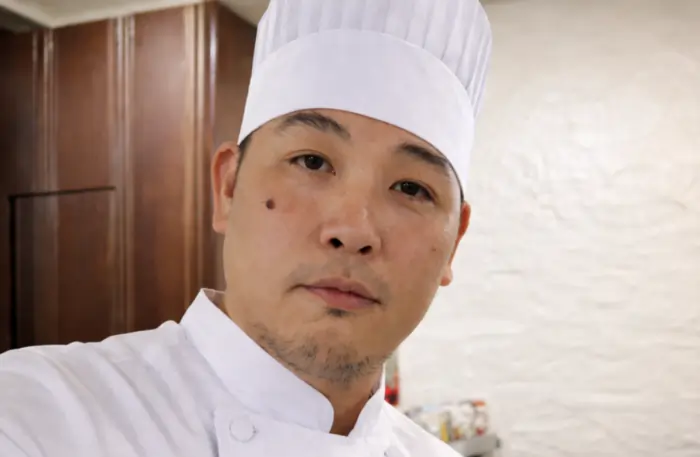
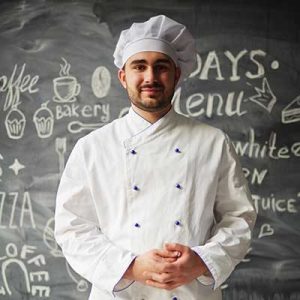
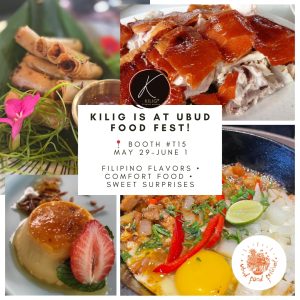
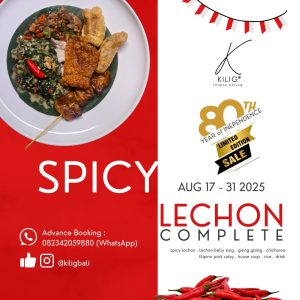
Chef Juan Gadi brings the heart of Filipino hospitality to Ubud, Bali. As an Executive Chef and consultant, he specializes in creating intimate, curated dining experiences that tell a story through every dish. Whether leading the kitchen at Kilig Filipino Warung or hosting a private villa dinner, Chef Juan’s approach is defined by warmth, modern technique, and a commitment to culinary excellence.