Guide to Ordering Filipino Food With Confidence Key Takeaways
Walking into a Filipino restaurant for the first time can feel overwhelming, but with a little know-how you can explore this vibrant cuisine like a seasoned local.
- Learn the core dishes — from adobo and sinigang to pancit and lumpia — so you know exactly what to order on your first visit.
- Understand how Filipino menus are organized, including the concept of sharing plates and the kamayan style of eating.
- Discover insider tips on ordering Filipino food that help you build a balanced, memorable meal whether you dine in a restaurant, at a food stall, or in a private villa.
Why a Guide to Ordering Filipino Food With Confidence Matters for First-Time Diners
Filipino cuisine is a rich tapestry of indigenous flavors, Chinese and Spanish influences, and regional traditions that reflect the archipelago’s diverse history. For international food lovers, culinary travelers, and expatriates, the prospect of navigating an unfamiliar menu can be intimidating. A solid filipino cuisine guide removes that barrier, letting you focus on the joy of discovery rather than the anxiety of ordering wrong.
As Chef Juan Gadi explains, “Filipino hospitality begins the moment you sit down. My job is to make guests feel at home, and that starts with helping them understand what they’re about to eat.” This guide to ordering filipino food with confidence draws on his years of experience creating curated dining experiences in Bali and the Philippines, blending modern technique with the warmth of traditional Filipino hospitality.
What Makes Filipino Dining Unique
Unlike many Western cuisines built around individual plates, filipino dining is a communal affair. Dishes arrive simultaneously, arranged for sharing. This practice stems from the family style dining tradition that defines meals in Filipino homes and restaurants alike. Understanding this setup changes how you approach ordering — you are not selecting a single main course, but building a spread of complementary flavors and textures.
The cuisine balances sour, salty, savory, and sweet notes. Filipino flavors are bold but rarely rely on intense heat. If you are wondering how spicy is filipino cuisine compared to other asian cuisines, the answer is that it leans toward mild to moderate spiciness, with chili usually served on the side rather than cooked into the dish. This makes it welcoming for beginners who want to explore Asian food without overwhelming their palate.
How Do Filipino Restaurant Menus Work — A Step-by-Step Breakdown
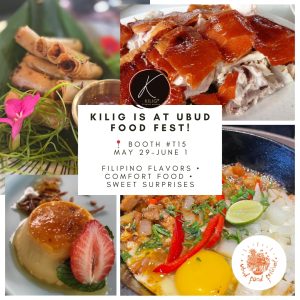
A typical filipino restaurant guide starts with understanding menu structure. Most Filipino restaurants organize their offerings by course type or cooking method. At Chef Juan’s restaurant, Kilig Filipino Warung in Ubud, the menu is designed to guide guests through a progression: appetizers, soups, mains, vegetables, seafood, and desserts. Below is a common structure you will encounter.
| Menu Section | Example Dishes | Ordering Tip |
|---|---|---|
| Appetizers / Pulutan | lumpia, sisig, chicken skin | Order 1–2 items per two people to start the meal. |
| Soups / Broths | sinigang, tinola, bulalo | A soup like sinigang sets the sour-savory tone for the meal. |
| Main Dishes (Meat and Seafood) | adobo, lechon, kare kare, seafood dishes | Choose two or three mains for a group of four, mixing meat and seafood. |
| Noodles / Rice | pancit, garlic rice, plain steamed rice | Always include a noodle dish and plenty of rice — rice is the foundation. |
| Vegetables and Sides | Pinakbet, chop suey, vinegar dipping sauce | Order at least one vegetable dish to balance richness. |
| Desserts and Drinks | halo halo, leche flan, calamansi juice | Share one halo halo per two people; it’s a cold, layered treat. |
Ordering Filipino food becomes intuitive when you treat the menu as a choose-your-own-adventure of shared plates. The goal is variety, not individual portions.
Step 1: Start with Shared Appetizers
Begin your meal with one or two appetizers. Lumpia are crisp spring rolls filled with ground pork and vegetables, served with a sweet chili or vinegar dip. Sisig is a sizzling plate of chopped pork face and liver, seasoned with calamansi and chili. It pairs beautifully with an ice-cold beer. For a lighter start, grilled seafood like inihaw na pusit (stuffed squid) is an excellent choice.
Step 2: Choose a Soup or Sour Broth
Sinigang is a tamarind-based soup that is arguably the most representative dish of traditional filipino food. It can be made with pork, beef, shrimp, or fish, and is packed with vegetables like kangkong (water spinach), radish, and eggplant. The sourness awakens the appetite and prepares the palate for richer dishes to come. Order it early, and sip it throughout the meal.
Step 3: Build a Balanced Main Course Selection
This is where the magic happens. For a group of four, select two or three mains from the categories below:
Meat and Poultry Favorites
- Adobo — The national dish: meat (chicken, pork, or both) braised in soy sauce, vinegar, garlic, and bay leaves. It is savory, tangy, and deeply comforting.
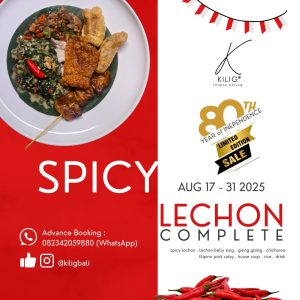
- Lechon — Whole roasted pig with crispy skin and tender meat. It is the centerpiece of celebrations and a must-try for any food tourism experience.
- Kare kare — A rich oxtail and tripe stew thickened with ground peanuts and served with bagoong (fermented shrimp paste) on the side. The contrast between the nutty stew and salty bagoong is quintessentially Filipino.
Seafood and Regional Specialties
- Seafood dishes like sinigang na hipon (shrimp sinigang) or grilled tuna panga (jaw) highlight the coastal bounty of the Philippine cuisine.
- Regional specialties vary widely — for example, Bicol Express from the Bicol region is a spicy pork stew in coconut milk, while Ilocos region is known for bagnet (crispy fried pork belly) and pinakbet.
Step 4: Always Add Noodles and Rice
No Filipino meal is complete without rice. Garlic rice — fried rice with minced garlic — is a beloved side that adds crunch and aroma. Plain steamed rice soaks up sauces from adobo, kare kare, and sinigang. Pancit (stir-fried noodles) is a symbol of longevity and often served at birthdays. Both pancakes and rice are considered filipino specialties that anchor the meal.
Step 5: End with Sweet Treats
Filipino desserts range from icy to custard-like. Halo halo translates to “mix mix” — a shaved ice dessert topped with sweet beans, jackfruit, coconut, leche flan, and ube ice cream. It is refreshing after a heavy meal. Other classic desserts include bibingka (rice cake cooked in banana leaves) and leche flan (caramel custard). For drinks, order calamansi juice (a tangy lime-like citrus) or a cold glass of sago’t gulaman (tapioca and jelly drink).
Cultural Dining Customs: What Every Visitor Should Know
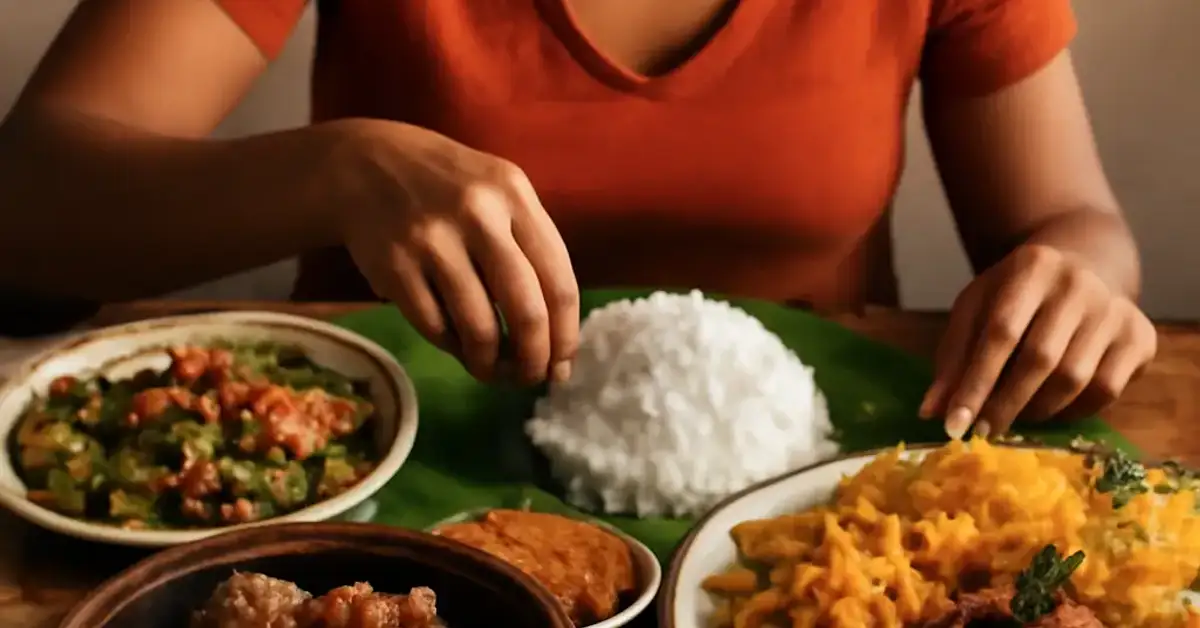
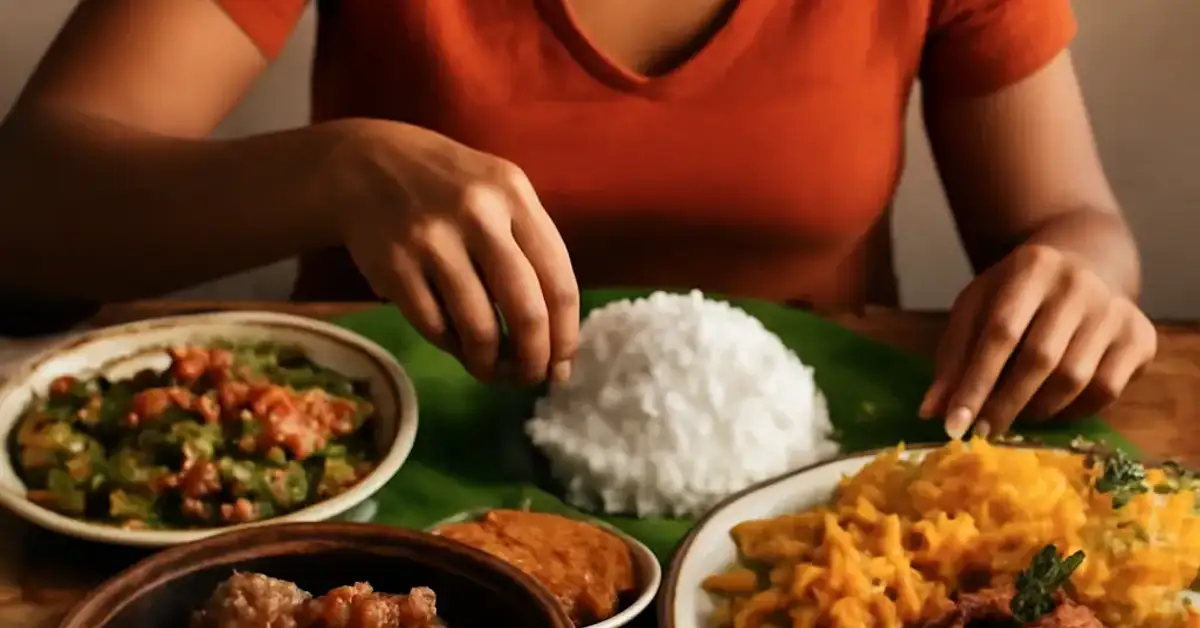
What dining customs should visitors know before eating Filipino food? First, family style dining is the norm. Dishes are placed in the center of the table, and everyone shares. Second, the kamayan style — eating with your hands — is a cherished tradition. In a boodle fight, a long table is lined with banana leaves, and a feast is laid directly on the leaves for everyone to eat together using only their hands. This is not just about food; it is about connection.
When diners sit down to a kamayan meal, they wash their hands first, then use their right hand to form small balls of rice and meat. Chef Juan notes, “Eating kamayan-style strips away formality and creates a shared moment of joy. It is the purest expression of Filipino hospitality.” If you visit a Filipino home, expect to be offered food repeatedly — it is polite to accept at least a small portion.
The Role of Dipping Sauces
Vinegar dipping sauce is ever-present on Filipino tables. It can be plain cane vinegar, or seasoned with garlic, chili, and soy sauce. It cuts through the richness of fried dishes like lumpia and lechon. Bagoong is another essential condiment — it is fermented shrimp paste that adds a funky depth to dishes like kare kare and green mango. If you are unsure how to use them, watch what locals do or ask your server.
How to Identify Authentic Filipino Dishes as a Traveler
How can travelers identify authentic filipino dishes? Look for signs of local ingredients and traditional cooking methods. Authentic adobo uses vinegar and soy sauce as the primary braising liquid, not a thick sauce. Real sinigang gets its sourness from tamarind (sampalok), not artificial flavorings. Pancit should be made with fresh or dried rice noodles, not pasta. If a restaurant serves dishes on banana leaves, that is a positive signal of authenticity.
Street food is another window into authentic filipino cuisine. Look for vendors selling isaw (chicken intestines on a stick), fish balls, and kwek kwek (battered quail eggs). These are everyday foods that reflect the soul of the country’s street food culture. When in doubt, ask locals where they eat — that is almost always the best bet for discovering genuine filipino food.
What to Order for a Complete Filipino Dining Experience
What should you order for a complete filipino dining experience? Below is Chef Juan’s recommended order for a group of four diners looking for a comprehensive introduction to filipino cuisine guide.
| Course | Recommended Dish | Why It Works |
|---|---|---|
| Appetizer | Lumpiang Shanghai | Crispy, crowd-pleasing, easy to share. |
| Soup | Sinigang na Baboy (Pork Sinigang) | Sour broth wakes up the palate. |
| Main 1 | Chicken Adobo | The most iconic Filipino dish. |
| Main 2 | Kare Kare | Rich, nutty, features the bagoong contrast. |
| Main 3 | Grilled Seafood (Inihaw na Isda) | Lightens the meal with coastal freshness. |
| Noodles | Pancit Canton | Symbolic noodle dish, savory and satisfying. |
| Vegetable | Pinakbet | Showcases native vegetables and bagoong. |
| Rice | Garlic Rice | Essential for scooping up every bit of sauce. |
| Dessert | Halo Halo | Cool, sweet, textural — the perfect finish. |
This spread ensures you experience a balance of filipino specialties — meat, seafood, vegetables, rice, noodles, and sweets — all in one sitting.
Chef Juan Gadi’s Insider Advice for Ordering Filipino Food With Confidence
Chef Juan Gadi, whose work at Kilig Filipino Warung in Ubud has made him a respected voice in culinary travel, shares these tips for anyone new to the cuisine:
- Don’t be afraid to ask questions. Filipino servers are proud of their food and happy to explain dishes. Ask what’s popular, what’s seasonal, and what the chef recommends.
- Order family-style even if you’re dining solo. Many restaurants offer smaller portions or half-orders. You can still sample three or four dishes.
- Embrace the vinegar. Every table in the Philippines has a bottle of vinegar. Use it generously — it is the gateway to understanding filipino flavors.
- Finish with halo halo. It is not just a dessert, it is an experience. The combination of textures and temperatures mirrors the diversity of the cuisine itself.
- Go for a boodle fight if possible. It is the ultimate representation of cultural dining and sharing plates. If a restaurant offers it, say yes.
Why Is Filipino Cuisine Becoming Increasingly Popular Among International Food Lovers
Why is filipino cuisine becoming increasingly popular among international food lovers? Several factors are driving this trend. First, the global rise of food tourism has brought travelers to Southeast Asia, where they are discovering the Philippines’ diverse culinary landscape. Second, the Filipino diaspora has introduced adobo, lumpia, and pancit to cities around the world, from New York to London to Dubai. Third, the cuisine’s ability to combine familiar flavors (garlic, soy sauce, vinegar) with unique elements (bagoong, calamansi, coconut milk) makes it both accessible and intriguing. For a related guide, see Filipino Cuisine Winning Hearts of Bali Travelers: 7 Dishes You Must Try.
Social media has also played a role. Images of sizzling sisig, golden lechon, and colorful halo halo drive curiosity. Chef Juan observes, “When guests taste a well-made kare kare or a properly grilled seafood dish, they realize Filipino food belongs on the global stage. My goal is to present it with the respect and technique it deserves.” As more travelers seek culinary travel experiences that are authentic and meaningful, Filipino cuisine is positioned to capture their hearts and appetites. For a related guide, see 10 Filipino Menu Favorites Worth Ordering in Bali.
Useful Resources
For further reading on Filipino food and dining, check out these trusted resources:
- Food and Wine: Filipino Food Guide — A comprehensive overview of regional dishes and where to try them.
- Serious Eats: The Best Chicken Adobo Recipe — A deep dive into the science and tradition behind the national dish.
Frequently Asked Questions About Guide to Ordering Filipino Food With Confidence
What is the best way to order Filipino food with confidence?
Start with a clear plan: order one appetizer, one soup, two or three mains (mix meat and seafood), one noodle dish, and plenty of rice. Ask your server for their specialty and don’t hesitate to request small portions if you’re dining alone. The more you ask, the more confident you become.
What Filipino dishes should first time diners try?
Start with adobo (the national dish), sinigang (sour soup), lumpia (spring rolls), pancit (noodles), and lechon (roasted pork). These dishes represent the core of traditional filipino food and are widely available.
How do Filipino restaurant menus work ?
Menus are typically organized by course: appetizers (pulutan), soups, mains (meat, seafood, and vegetable), noodles, rice, and desserts. They are designed for sharing, so you build a spread of dishes for the table rather than ordering individual plates.
What are the most popular Filipino main dishes and side dishes ?
Popular main dishes include adobo, lechon, kare kare, sisig, and grilled seafood dishes. Essential sides are garlic rice, plain steamed rice, pancit, and vegetable dishes like pinakbet.
What desserts and drinks pair well with Filipino meals ?
Halo halo is the classic dessert. For drinks, calamansi juice, sago’t gulaman, or iced tea are refreshing. For an alcoholic pairing, try a cold San Miguel beer or a rum-based cocktail.
How spicy is Filipino cuisine compared to other Asian cuisines ?
Filipino cuisine is generally mild to moderately spicy. It does not rely on chili as a primary flavor like Thai or Korean food. Chili is often served on the side, allowing diners to adjust heat to their preference.
What dining customs should visitors know before eating Filipino food ?
Embrace family style dining where everyone shares. Eating with your hands (kamayan) is traditional and deeply social. Always use your right hand for eating and be prepared for a warm, generous invitation to eat more.
How can travelers identify authentic Filipino dishes ?
Look for dishes made with local ingredients like calamansi, coconut milk, and tamarind. Authentic adobo uses vinegar and soy sauce, not a thick sauce. Dishes served on banana leaves are a good sign. Avoid tourist-heavy spots; follow locals instead.
What should you order for a complete Filipino dining experience?
Order a spread: lumpia (appetizer), sinigang (soup), adobo and kare kare (mains), pancit (noodles), garlic rice, pinakbet (vegetables), and halo halo (dessert). This covers the full range of filipino specialties and textures.
Why is Filipino cuisine becoming increasingly popular among international food lovers ?
Its flavor profile is approachable yet unique, combining sour, savory, and sweet notes. The rise of food tourism in Southeast Asia, the global Filipino diaspora, and social media exposure have all contributed to its growing popularity.
What is pulutan?
Pulutan refers to finger foods or appetizers traditionally eaten with alcohol. Popular pulutan include sisig, lumpia, fried chicken skin, and grilled pork skewers. It is the Filipino version of tapas.
What is the difference between adobo and sinigang?
Adobo is a braised meat dish using vinegar and soy sauce, resulting in a savory, tangy sauce. Sinigang is a sour soup made with tamarind, meat or seafood, and vegetables. They represent two fundamental Filipino cooking methods: stewing and sour-brothing.
Can I find vegetarian options in Filipino cuisine?
Yes, though the cuisine is heavily meat-centered. Look for vegetable dishes like pinakbet (mixed vegetables with bagoong), chop suey, and laing (taro leaves in coconut milk). Many restaurants also offer tofu variations of sinigang or adobo.
What is a boodle fight?
A boodle fight is a military-style communal feast where food is laid out on banana leaves on a long table. Diners stand or sit around and eat with their hands. It is a fun, interactive way to enjoy a variety of dishes.
What are regional specialties I should look for?
Each region has its own star dishes. In Bicol, try Bicol Express (spicy pork in coconut milk). In Ilocos, look for bagnet and pinakbet. In Pampanga, sisig and bringhe (rice dish) are regional icons. In Cebu, lechon is legendary.
How do I eat kamayan-style properly?
Wash your hands thoroughly before eating. Use your right hand to scoop a small portion of rice and meat, then form it into a ball using your fingertips. Dip it in sauce and eat. The key is to use only the fingers, not the palm.
What is bagoong and how do you use it?
Bagoong is fermented shrimp or fish paste with a strong, salty flavor. It is used as a condiment or cooking ingredient. The most common use is as a dip for kare kare or green mango. A small amount goes a long way.
Is Filipino street food safe for tourists?
Yes, but choose busy stalls with high turnover. Look for deep-fried items like fish balls, kwek kwek, and isaw that are cooked fresh to order. Avoid anything that has been sitting out for long. Street food is an essential part of the filipino food experience.
What drinks are typically served with Filipino meals?
Water, calamansi juice, iced tea, or coconut water are common non-alcoholic options. For alcoholic drinks, San Miguel beer is the classic choice. Ginseng-infused liquor or lambanog (coconut spirit) are for the adventurous.
How should I tip at a Filipino restaurant?
Tipping is appreciated but not mandatory. In casual eateries, rounding up the bill or leaving small change is common. In fine dining, a 10–15% gratuity is standard if service charge is not included.
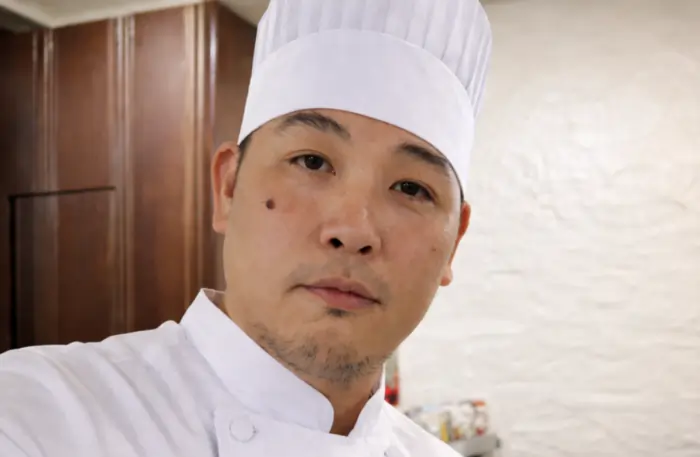
Chef Juan Gadi brings the heart of Filipino hospitality to Ubud, Bali. As an Executive Chef and consultant, he specializes in creating intimate, curated dining experiences that tell a story through every dish. Whether leading the kitchen at Kilig Filipino Warung or hosting a private villa dinner, Chef Juan’s approach is defined by warmth, modern technique, and a commitment to culinary excellence.